From the free course AP United States History on Lykke
8.9 The Great Society · 8.10 The African American Civil Rights Movement in the 1960s
Key concepts: African American civil rights and voting rights · Political exclusion based on race and property · African American communities and institution-building · Abolitionism and African American self-determination · Sharecropping and post-emancipation landlessness · Reform organizations and voluntary associations · Women’s suffrage activism · Labor reform and working-class political organizing · Farmers’ Alliance and interracial labor politics · Racialized legal inequality in court testimony
The Great Society expanded the federal government’s responsibility for health, education, poverty, and civil rights, while African American activists transformed demands for equal citizenship into enforceable national law.
8.9 The Great Society · 8.10 The African American Civil Rights Movement in the 1960s
The Great Society expanded the federal government’s responsibility for health, education, poverty, and civil rights, while African American activists transformed demands for equal citizenship into enforceable national law. The central question is not simply what changed in the 1960s? but why did federal power expand—and why did legal victories fail to eliminate racial inequality?
Key Concept KC-8.2: New movements for civil rights and liberal efforts to expand the role of government generated a range of political and cultural responses.
From political exclusion to claims of citizenship
Political participation in the United States was never automatically universal. A state legislature that limited voting in 1807 to White male citizens who paid taxes illustrates how race, gender, property, and wealth could define the political community. The Pennsylvania State Constitution of 1776 reflected revolutionary arguments about politics, religion, and society, but changing ideals did not immediately produce equal access to power.
African American communities responded to exclusion by building institutions of their own. In 1841, James Willson described prosperous African American families in Philadelphia organizing leisure activities and sustaining a distinct free Black community. Churches, schools, newspapers, mutual-aid societies, and voluntary associations created leadership and resources that later movements could use.
Self-determination, abolitionism, and the long struggle for rights
Abolitionism opposed slavery, but many African American activists demanded more than emancipation: they sought education, economic independence, political equality, and control over their communities’ futures. In The Condition, Elevation, Emigration, and Destiny of the Colored People, Martin Delany advocated African American advancement, considered emigration, and emphasized self-determination. His argument reveals an important distinction: freedom from legal bondage did not guarantee the power or resources needed for genuine independence.
After emancipation, formerly enslaved people commonly pursued landownership because land could provide economic security and political autonomy. Yet most failed to achieve self-sufficiency. Sharecropping, a system in which farmers worked land in exchange for a share of the crop while often buying supplies on credit, trapped many families in debt and restricted access to land. This economic dependence helped preserve racial hierarchy even after slavery ended.
Misconception check: Emancipation ended slavery, but it did not automatically redistribute land, eliminate racial violence, or create equal political power.
Women’s suffrage and political citizenship
Women’s suffrage activists challenged the assumption that citizenship belonged primarily to men. The National Woman Suffrage Association (NWSA), formed in 1869, sought women’s voting rights alongside broader reforms. Its strategy treated voting as a national constitutional question, while other suffrage activists favored state-by-state campaigns and closer cooperation with existing political organizations.
Suffrage activism used petitions, public speeches, conventions, legal challenges, organizational constitutions, and civil disobedience. Susan B. Anthony’s prosecution for voting illegally in 1872 dramatized the argument that women were citizens whose political rights were being denied. Myra Bradwell’s unsuccessful challenge in Bradwell v. Illinois similarly showed that formal citizenship did not necessarily provide women equal access to professions or public authority.
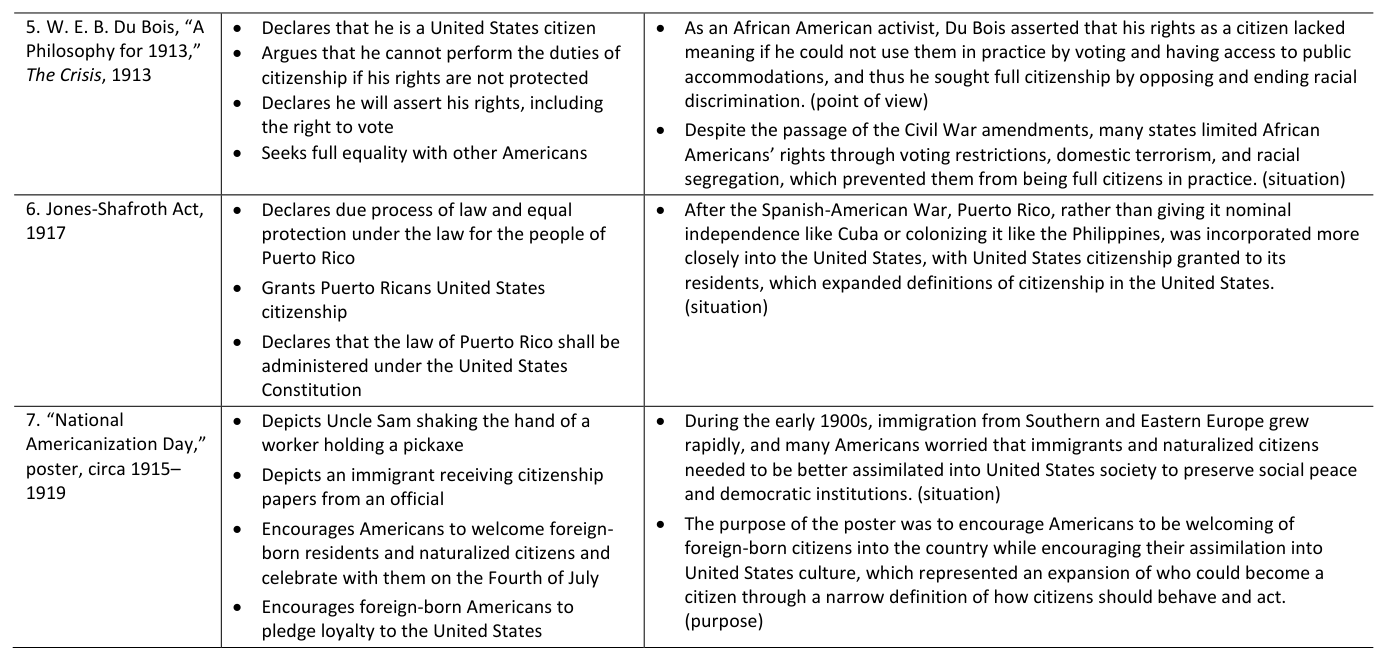
African American women faced a dual burden of racism and sexism. Frances E. W. Harper’s “We Are All Bound Up Together” insisted that reform movements could not treat women’s rights and racial justice as unrelated struggles. Women’s organizations therefore became important voluntary associations: they linked voting, education, temperance, family welfare, and civil rights rather than treating suffrage as an isolated demand.
Labor reform and working-class organizing
Industrial workers also organized to challenge unequal power. The Lowell Female Labor Reform Association represented women workers’ efforts to demand better workplace conditions, including limits on exhausting hours and greater protection from employer abuses. Its existence demonstrates that women were not merely subjects of reform; they were political actors who connected workplace demands to broader claims about citizenship and human dignity.
Reformers formed voluntary organizations, groups created outside government to change individual behavior or social conditions. Temperance organizations, labor associations, women’s groups, churches, and mutual-aid societies used meetings, petitions, publications, and coordinated pressure to pursue reform. Some emphasized personal morality, while others argued that employers, corporations, and governments had to change the structures producing poverty and exploitation.
Working-class political organizing also exposed the limits of reform coalitions. Reverend J. L. Moore called for a political party representing farmers and laborers regardless of race because Black workers’ needs were being ignored at the ballot box. Yet racial exclusion, gender discrimination, unequal property access, and legal barriers repeatedly divided workers who shared economic grievances. California Chief Justice Hugh Murray’s ruling that Chinese immigrants could not testify against White citizens demonstrates how racialized law weakened equal protection and restricted the political standing of non-White workers.
The Great Society and civil rights law
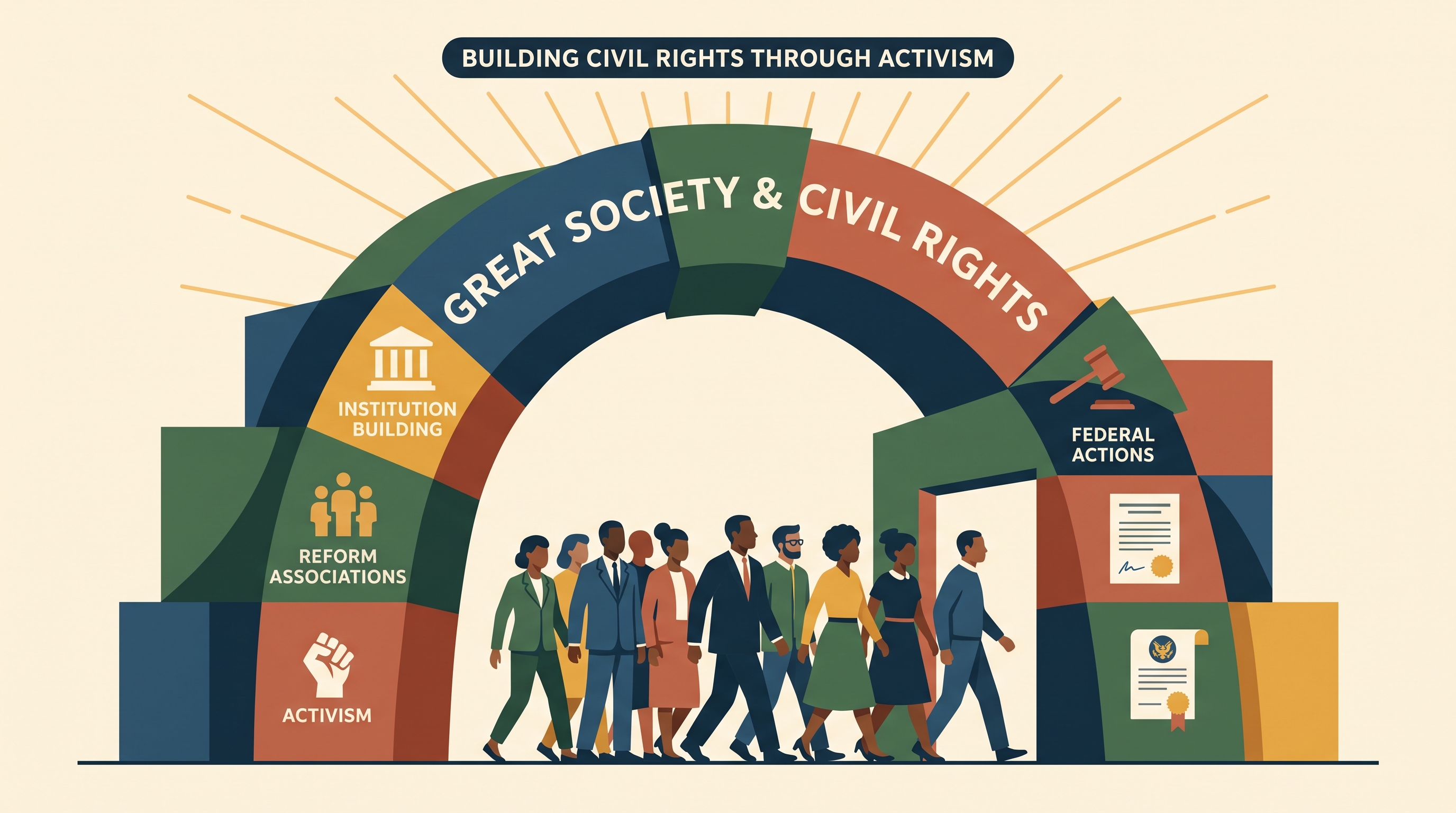
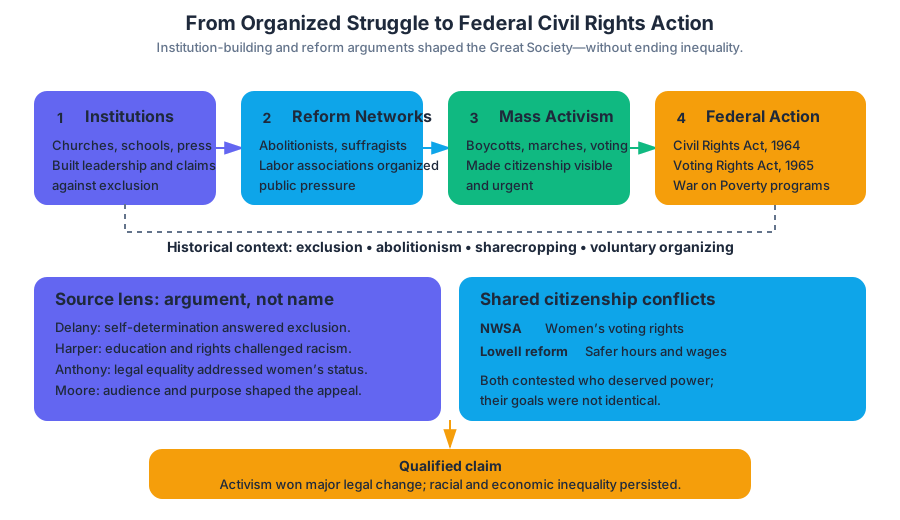
By the 1960s, African American activists had built on generations of institution-building, legal challenges, boycotts, voter-registration drives, direct action, and appeals to federal authority. The federal government responded with major legislation: the Civil Rights Act of 1964 attacked segregation and discrimination in public accommodations and employment, while the Voting Rights Act of 1965 strengthened federal protection against racial barriers to voting.
President Lyndon B. Johnson’s Great Society extended liberal government through programs such as Medicare, Medicaid, federal education aid, and the War on Poverty. These initiatives reflected the belief that government could expand opportunity when local institutions and private charity were insufficient. Civil rights legislation and social-welfare programs therefore shared a political premise: national power could confront inequalities embedded in states, workplaces, schools, and markets.
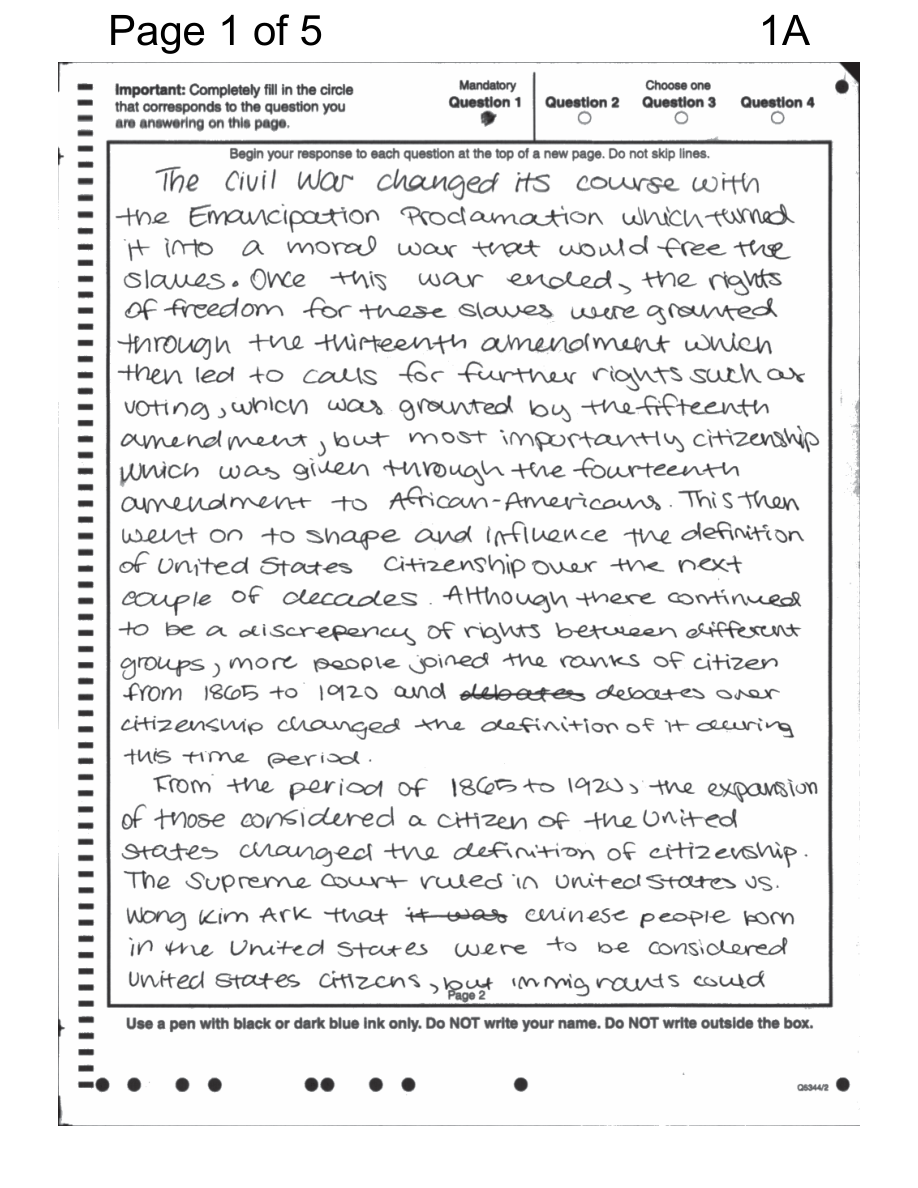
The results were substantial but incomplete. Legal segregation weakened, African American voting rights gained federal protection, and access to public institutions expanded. At the same time, poverty, residential segregation, unequal schooling, economic discrimination, and racialized policing persisted. The strongest historical argument therefore explains both change—new legal and political protections—and continuity—the survival of unequal social and economic structures.
AP historical reasoning in this topic
- Skill 1: Developments and Processes: Trace how institution-building, reform associations, and activism developed into federal civil rights action.
- Skill 2: Sourcing and Situation: Analyze how Delany, Harper, Anthony, or Moore shaped arguments according to audience, purpose, and historical position.
- Skill 3: Claims and Evidence in Sources: Use a source’s specific argument as evidence rather than merely naming it.
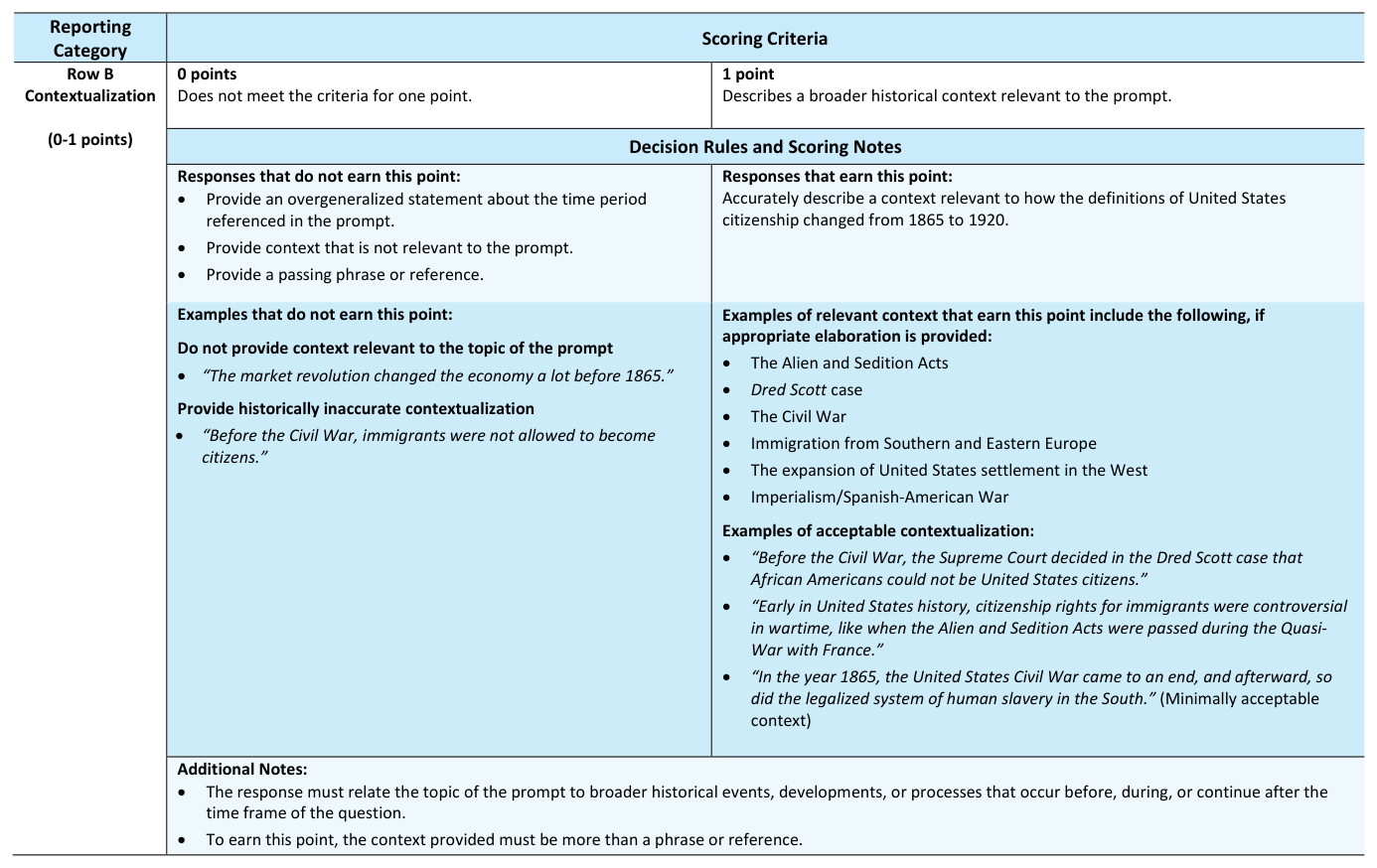
- Skill 4: Contextualization: Connect 1960s activism to earlier exclusion, abolitionism, sharecropping, and voluntary organizing.
- Skill 5: Making Connections: Explain how civil rights, women’s suffrage, labor reform, and liberal government shared conflicts over political citizenship.
- Skill 6: Argumentation: Build a qualified claim showing that activism produced major legal change while failing to erase racial and economic inequality.
Retrieval check: Explain one way African American institution-building prepared later civil rights activism. Then identify one reason the Great Society expanded opportunity and one reason its programs did not produce full equality. Finally, distinguish the goals of the NWSA from a workplace reform organization such as the Lowell Female Labor Reform Association.
Source Materials
- AP U.S. History Course and Exam Description
- AP U.S. History Course and Exam Description Clarifications and Corrections
- AP U.S. History Course Overview
- AP U.S. History Course at a Glance
- AP United States History Course at a Glance Poster
- AP United States History
- AP United States History
- AP United States History Sample Syllabus 1
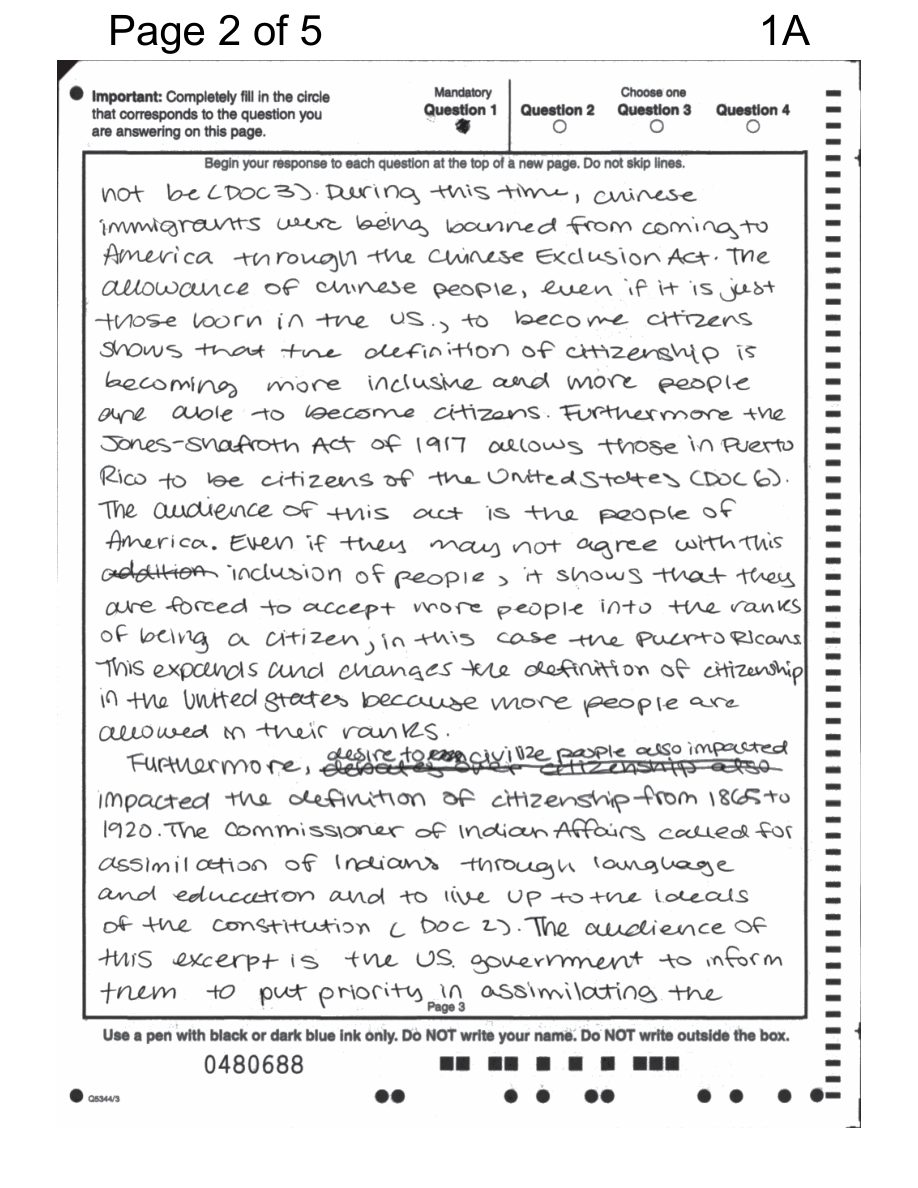
- Figure — Sample Responses - DBQ - Set 2 (p. 4)
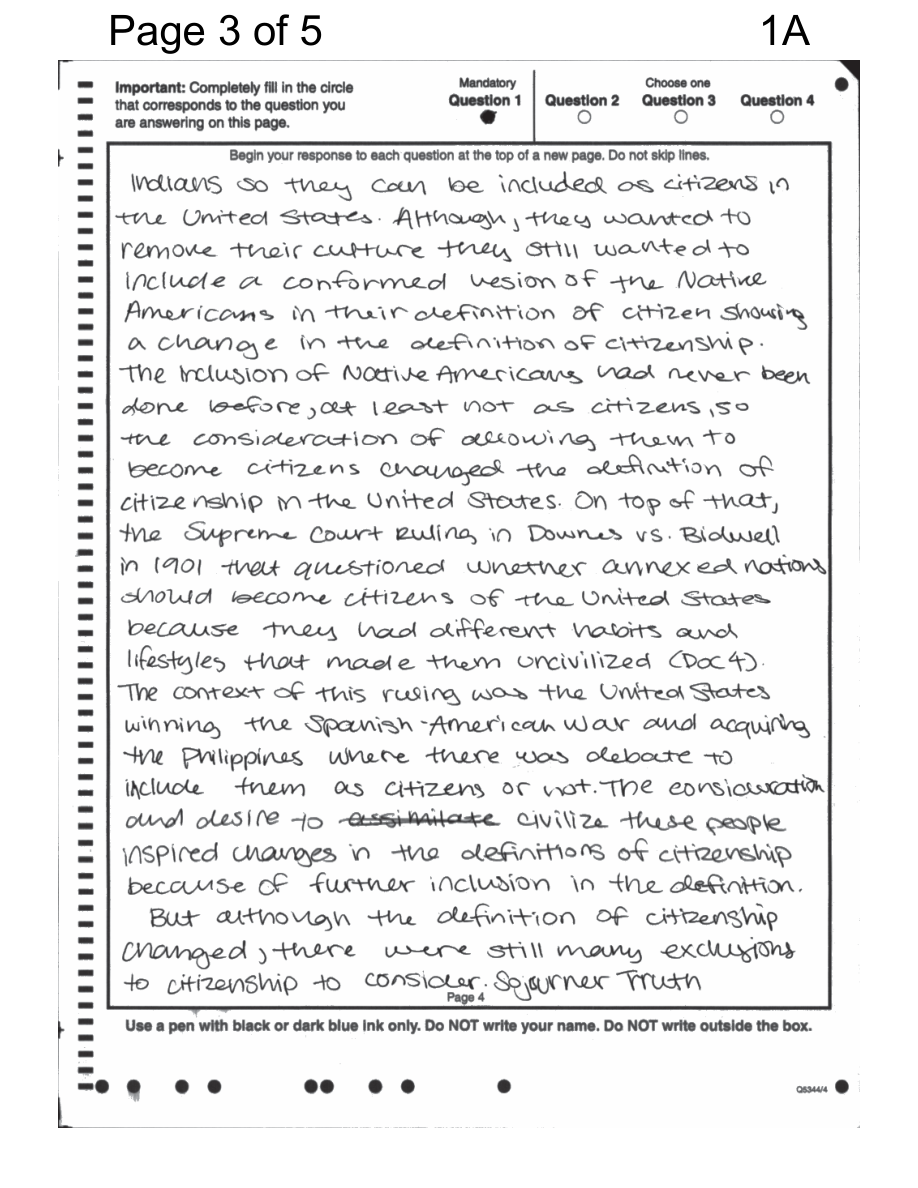
- Figure — Sample Responses - DBQ - Set 2 (p. 10)
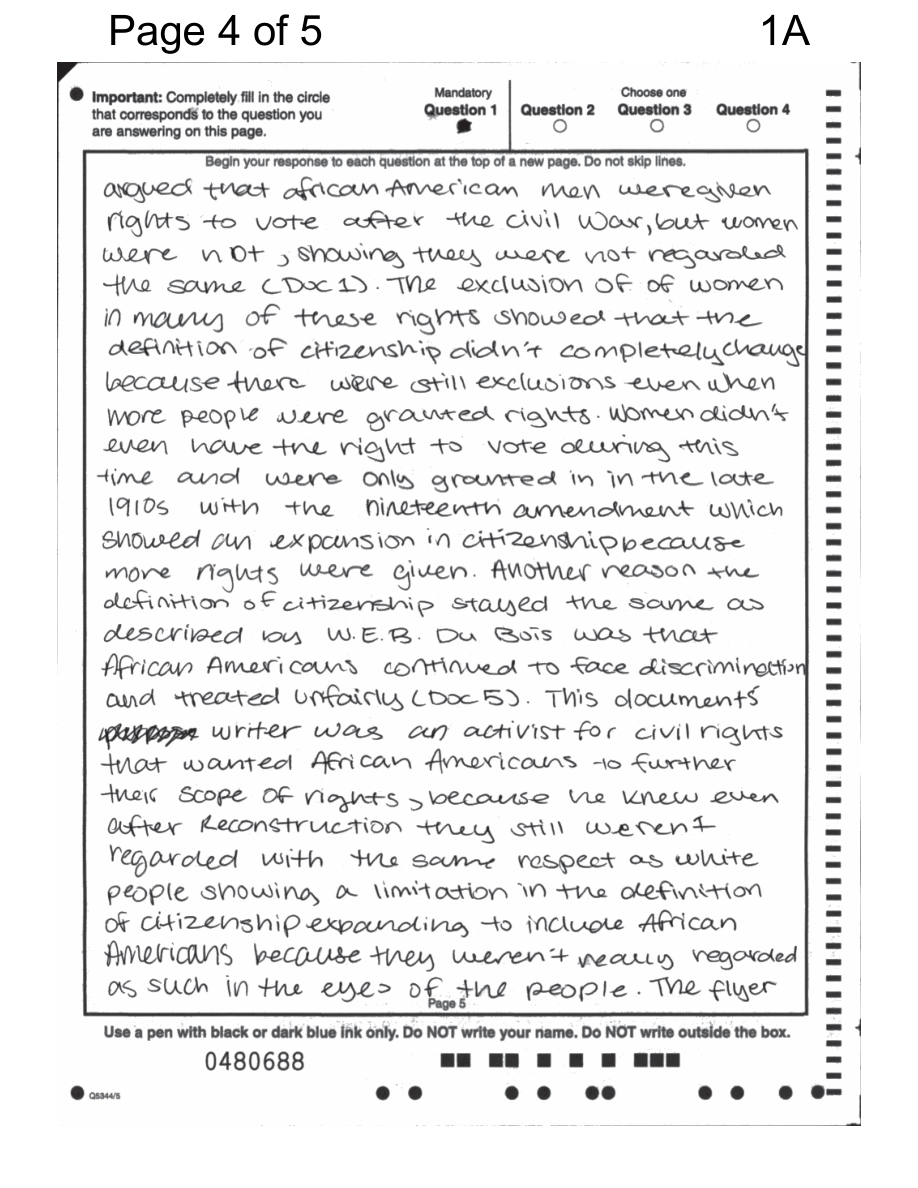
- Figure — Sample Responses - DBQ - Set 2 (p. 11)
- Figure — Sample Responses - DBQ - Set 2 (p. 12)