From the free course AP Environmental Science on Lykke
5.1 The Tragedy of the Commons · 5.2 Clearcutting
Key concepts: Tragedy of the commons · Shared/common resources · Individual self-interest and resource depletion · Overfishing · Clearcutting · Human impacts on natural systems · Sustainability · Case studies and solution evaluation · Quantitative data analysis · Aquatic food-chain effects of invasive species
A fishery can collapse even when every fisher is making a decision that seems economically reasonable: catch one more fish before someone else does. This conflict between individual self-interest and the common good is the tragedy of the commons.
5.1 The Tragedy of the Commons · 5.2 Clearcutting
A fishery can collapse even when every fisher is making a decision that seems economically reasonable: catch one more fish before someone else does. This conflict between individual self-interest and the common good is the tragedy of the commons.
The tragedy of the commons
A shared or common resource is a resource that many people can access and use, such as a fishery, a grazing pasture, a forest, or clean groundwater. The tragedy occurs when individuals acting in their own interests collectively deplete that resource.
Tragedy of the commons: Individuals use a shared resource for personal benefit rather than protecting the common good, causing the resource to be depleted or destroyed.
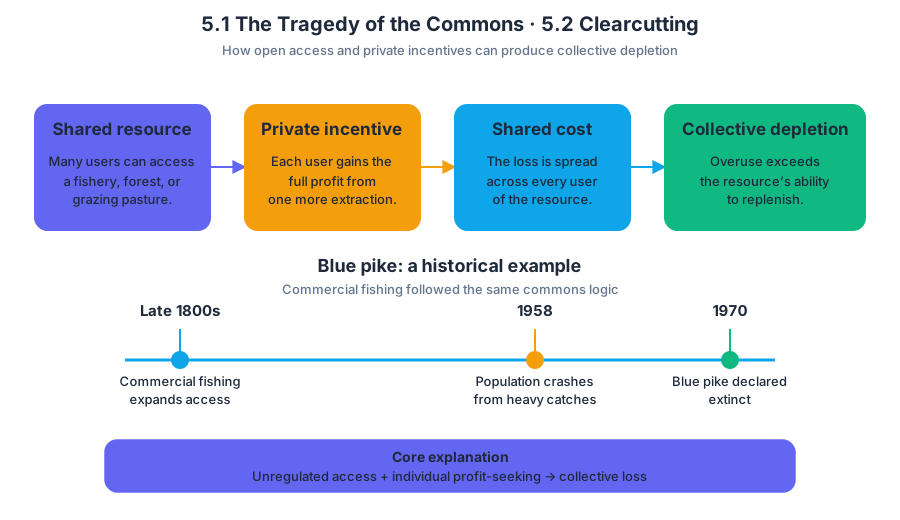
The logic is straightforward. A fisher receives the full profit from catching an additional fish, while the reduction in the fish population is spread across every fisher who depends on the fishery. Each person therefore has an incentive to increase extraction, even though the combined result is resource depletion.
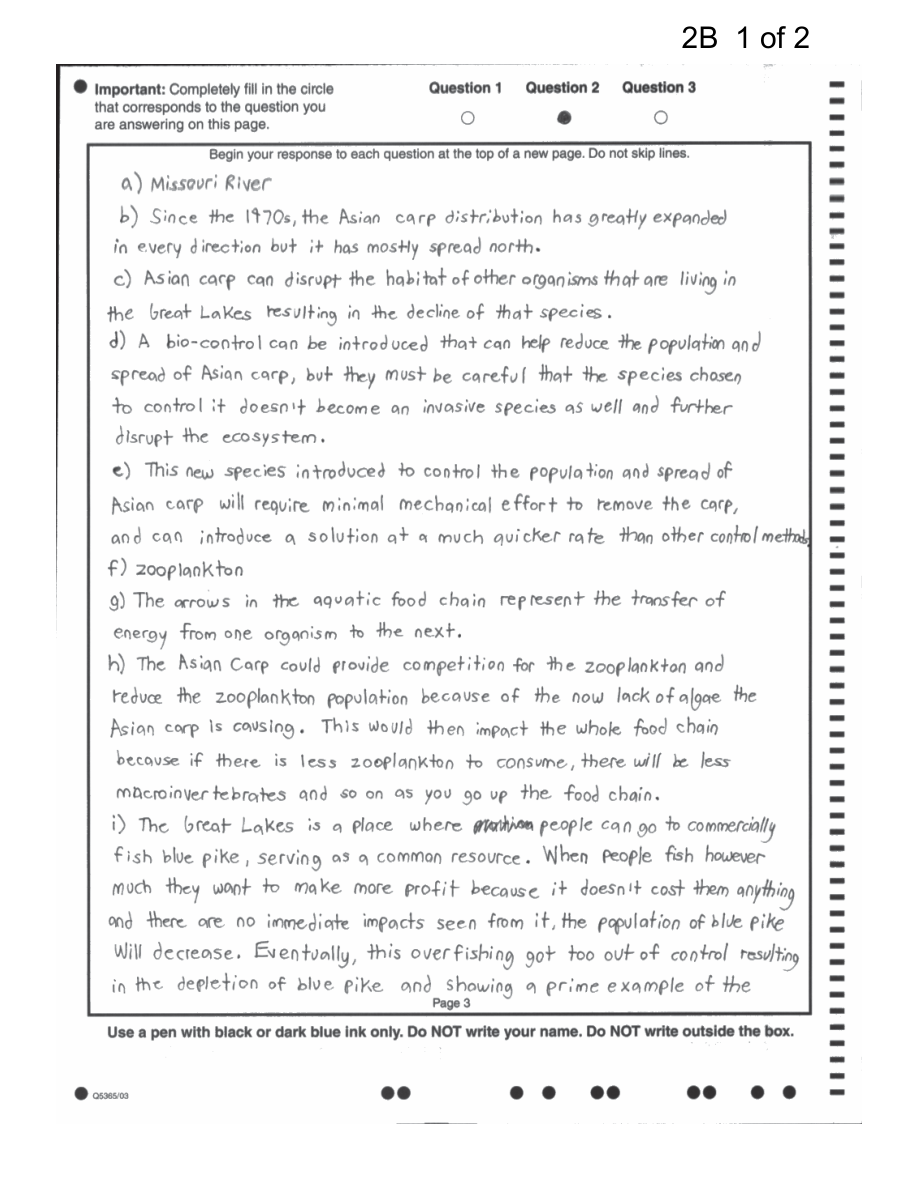
The blue pike illustrates this process. Blue pike were commercially fished from the late $1800$s. Because the fishery was treated as an accessible shared resource, fishers could increase catches to maximize profit. The population eventually crashed in $1958$, and blue pike were declared extinct in $1970$.
The key environmental explanation is not simply “too many fish were caught.” A complete explanation connects unregulated or poorly regulated access, individual profit-seeking, and collective depletion: commercial fishers benefited from catching blue pike, but the fishery as a whole lost the ability to replenish itself.
Worked case: diagnosing the problem and evaluating a solution
Suppose a lake’s blue pike catch rises for several decades while recorded population size falls. By $1958$, catches suddenly drop because few mature fish remain. The environmental change is a population collapse caused by overfishing; the underlying mechanism is that repeated individual harvest exceeded the population’s reproductive replacement.
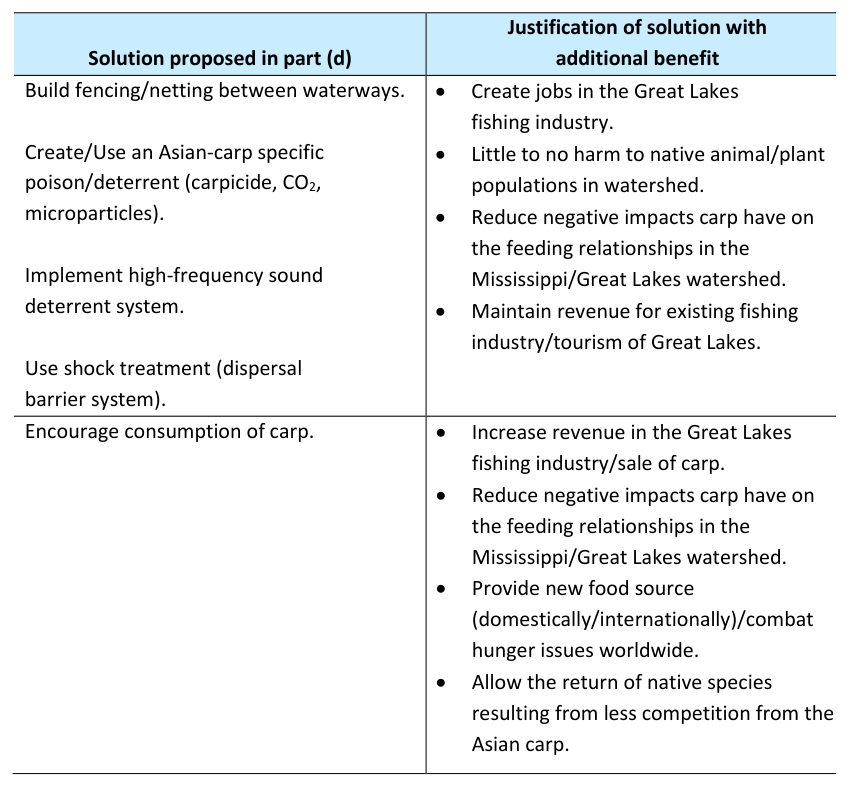
A possible solution is to limit access through fishing licenses, seasonal closures, catch quotas, or protected breeding areas. These policies can preserve the shared resource, but evaluation must consider stakeholders: fishers may lose short-term income, consumers may face higher prices, and local communities may gain a more stable fishery over the long term.
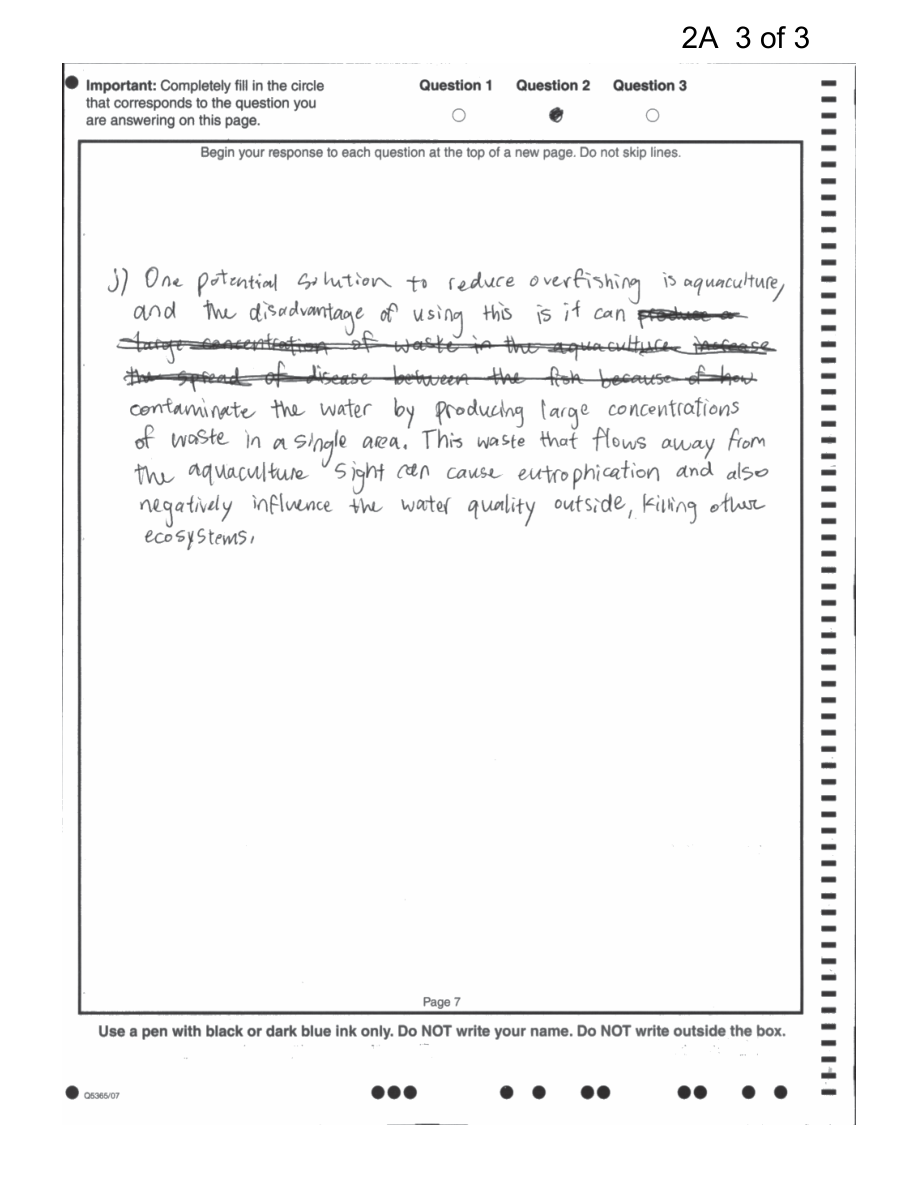
Aquaculture may reduce pressure on wild fisheries, but it is not automatically sustainable. High-density fish farming can promote disease transmission, and escaped fish may compete or breed with wild populations. A strong environmental solution therefore evaluates both its intended benefit and its unintended effects.
Human activities alter natural systems
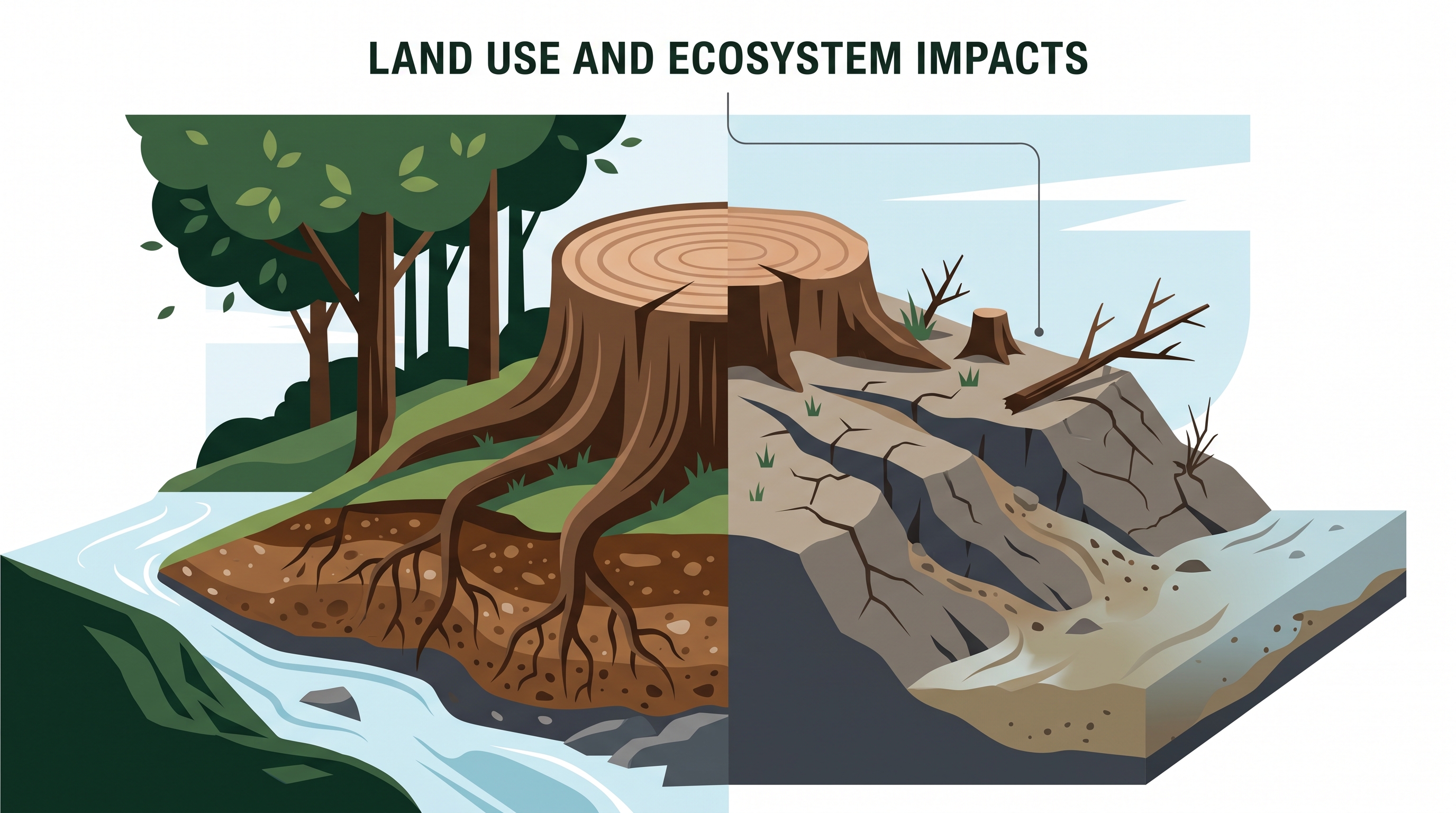
Clearcutting is the removal of most or all trees from an area at one time. It changes a natural system by eliminating vegetation, simplifying habitat, exposing soil, increasing erosion, and altering water movement through the ecosystem.
Clearcutting also connects land use to downstream effects. Without tree roots and leaf litter to hold soil, rainfall can produce more surface runoff and carry sediment into streams. The resulting turbidity can reduce aquatic habitat quality, while the loss of forest structure removes food and shelter for terrestrial organisms.
Mining, clearcutting, irrigation, and other agricultural practices similarly alter natural systems, although the mechanisms differ. Mining removes or disturbs land and can expose pollutants; clearcutting removes forest biomass and habitat; irrigation diverts freshwater and can reduce water available to rivers, wetlands, and other users.
Food-web consequences: Asian carp
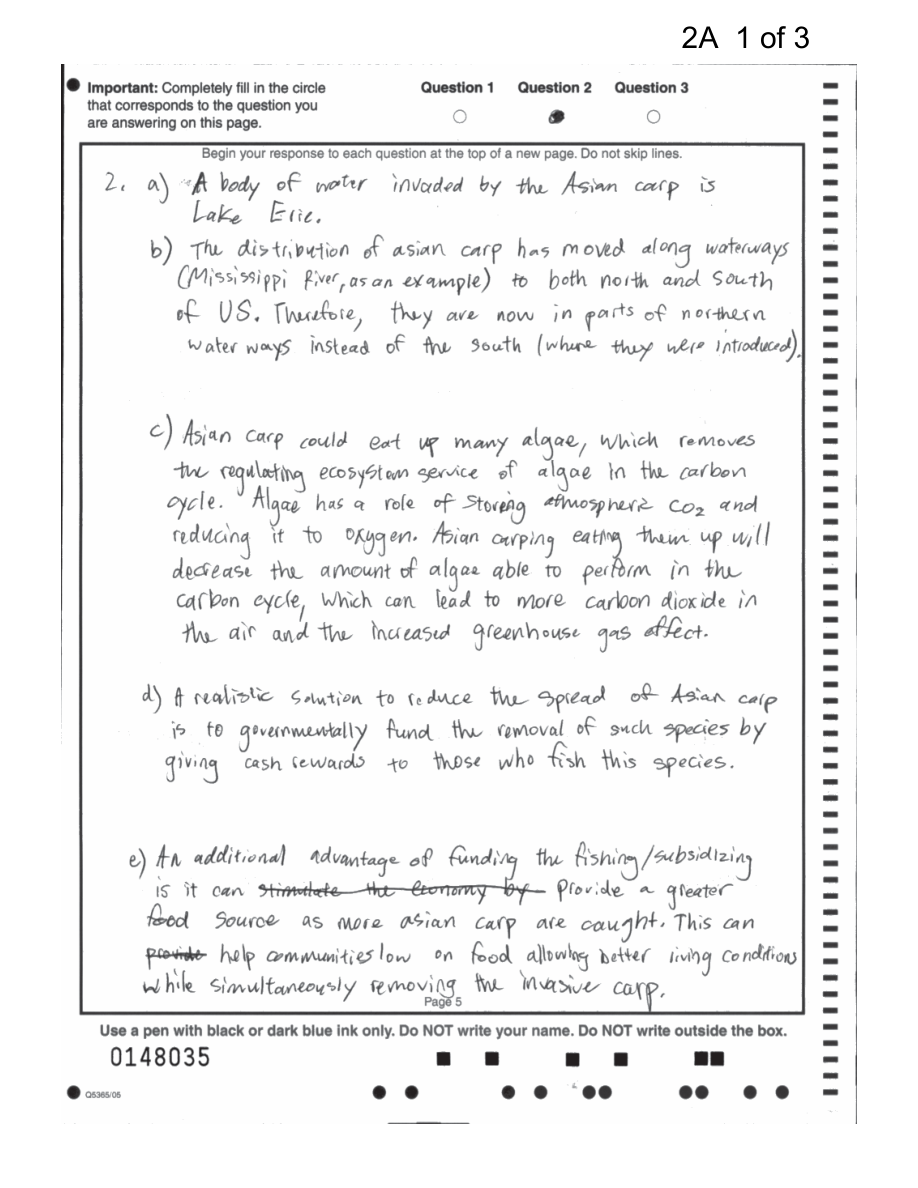
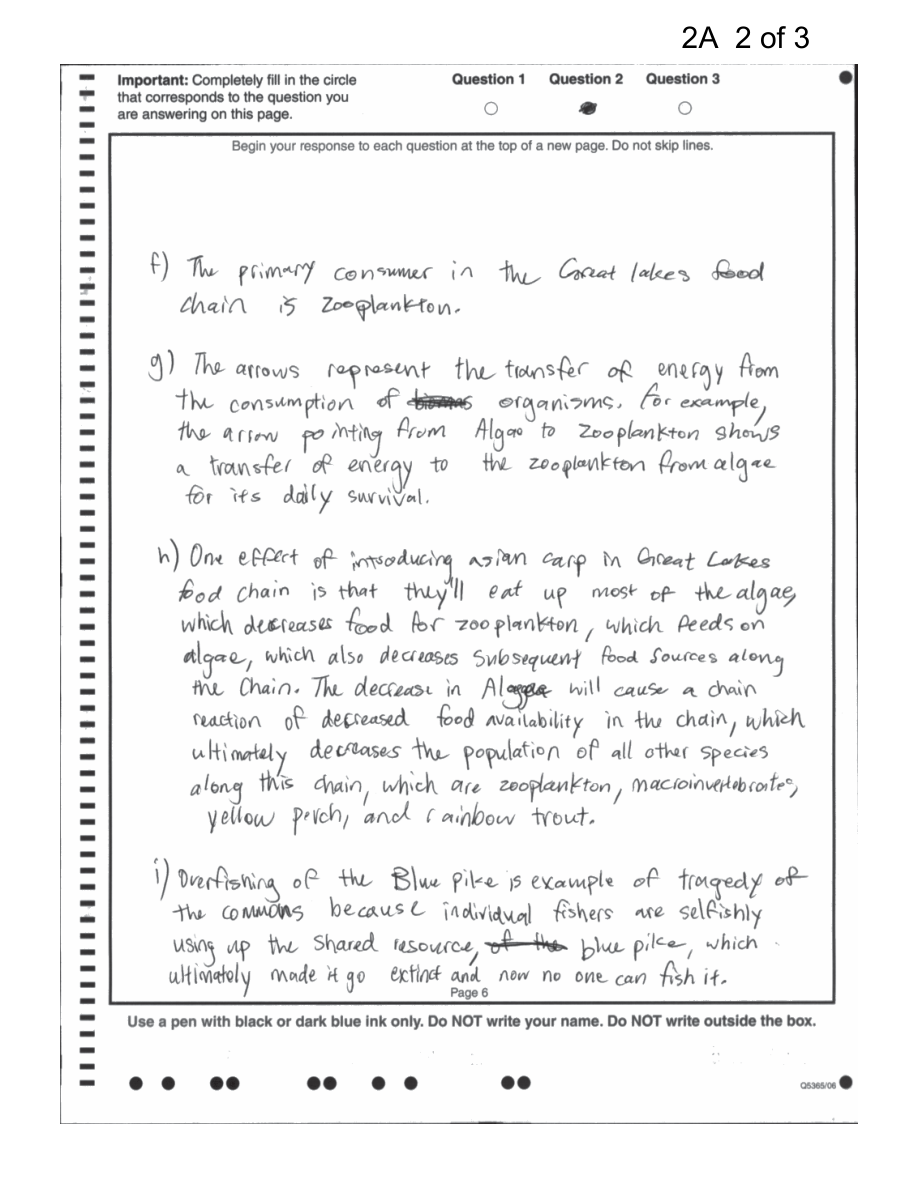
Human-caused changes can propagate through food webs rather than stopping at the first affected organism. In the Great Lakes food chain, Asian carp can consume algae that would otherwise support zooplankton. If zooplankton decline, less food is available for organisms such as other fish.
This is a trophic-chain effect:
$$ \text{Asian carp increase} \rightarrow \text{algae decrease} \rightarrow \text{zooplankton decrease} \rightarrow \text{less food for other fish} $$
The important reasoning move is to identify the direction of each relationship. Asian carp do not necessarily harm other fish by directly attacking them; they can reduce the food supply at a lower trophic level, indirectly affecting organisms higher in the food chain.
AP skill connections
This topic primarily develops Science Practice 7: Environmental Solutions, especially 7.B, 7.C, 7.D, 7.E, and 7.F. Use 7.B to identify the environmental problem, such as overfishing, habitat loss, erosion, or invasive-species competition; use 7.C to propose a feasible solution; and use 7.D to justify why the solution addresses the mechanism causing the problem.
Use 7.E to describe likely environmental impacts of a proposed action and 7.F to evaluate the solution by considering effectiveness, limitations, and stakeholder interests. The topic also connects to 1.B: Explain environmental concepts, processes, and models, 6.B: Apply mathematical routines, and 6.C: Represent and interpret data when quantitative catch, population, runoff, or food-web data are provided.
Misconception check
Misconception: “The tragedy of the commons means that all shared resources must be destroyed.” Not necessarily. The tragedy arises when access and use are not effectively managed relative to the resource’s rate of replacement. Enforceable quotas, protected areas, monitoring, and community management can align individual decisions with long-term resource sustainability.
Retrieval and interpretation check
A commercial fishery shows increasing harvest, declining population size, and extinction several years later. Identify the concept, name the behavior driving it, and propose one management response. Then explain why a decline in zooplankton could reduce fish populations even if the fish are not directly caught.
Answer: This is the tragedy of the commons: fishers act in their own economic interests and collectively deplete a shared resource. A quota or seasonal closure could reduce harvest and allow reproduction. Fewer zooplankton means less food for fish that depend on them, producing an indirect food-web effect.
Source Materials
- AP Environmental Science Course and Exam Description
- Review the Clarifications (.pdf)
- AP Environmental Science Course Overview
- AP Environmental Science Course at a Glance
- AP Environmental Science Course at a Glance Poster
- AP Environmental Science
- AP Environmental Science
- AP Environmental Science Sample Syllabus 1
- Units 2 and 3 Video Resources
- Figure — Sample Responses Question 2 - Set 2 (p. 3)
- Figure — Sample Responses Question 2 - Set 2 (p. 6)
- Figure — Sample Responses Question 2 - Set 2 (p. 7)