AP European History
Institution: MIT
171 study materials · 52 sections
AP European History students working the current College Board Course and Exam Description, including first-time students with no prior background, plus teachers reviewing the page for CED alignment.; Teach every official CED unit and every numbered topic at topic granularity.; Develop every AP skill / science-practice code explicitly and by name.; Replace description with teaching: worked contextual examples, named misconceptions, and in-flow retrieval checks.; Build an exam-practice unit covering every task type on the current exam.
Course Sections
Course Framework, Skills and Reasoning Processes
Key concepts: Analyzing and interpreting historical evidence · Developing historical thinking skills · Developing historical reasoning processes · Integrating course content with skills · Using scaffolding to support skill development · Understanding major developments in European history · Learning through course units and conceptual understandings · Using cross-cutting themes to build conceptual understanding · Using progress data to identify strengths and areas for improvement · College-level modern European history survey expectations
Historical understanding begins when evidence is turned into an explanation: a painting, law, statistic, speech, map, or historian’s interpretation becomes meaningful only when its origin, context, claims, and consequences are examined together.
Course Framework, Skills and Reasoning Processes
Historical understanding begins when evidence is turned into an explanation: a painting, law, statistic, speech, map, or historian’s interpretation becomes meaningful only when its origin, context, claims, and consequences are examined together. The central goal of AP European History is therefore to analyze and interpret historical evidence to understand major developments in European history, from approximately 1450 to the present.
Core idea: Historical knowledge is not merely remembering what happened. It is using evidence and reasoning to explain why developments occurred, how they changed societies, and what persisted across time.
The framework at a glance
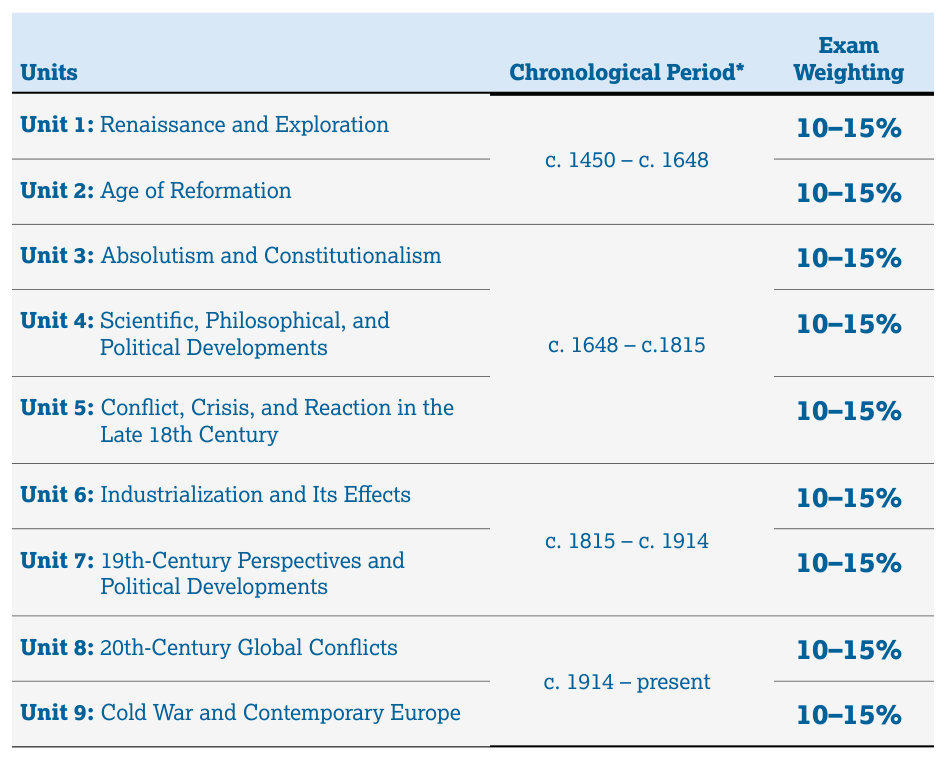
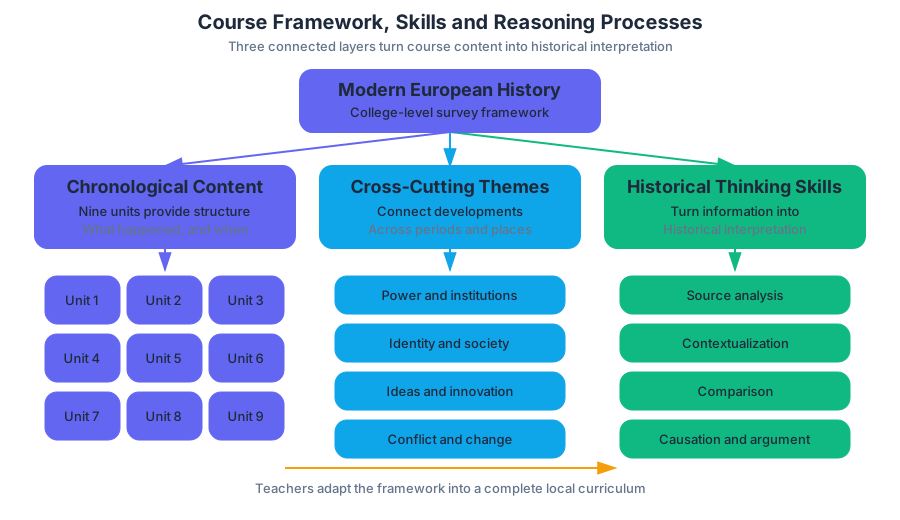
The framework combines three layers: chronological content, cross-cutting themes, and historical thinking skills. The nine units provide the chronological structure; the themes connect developments across periods; and the skills turn information into historical interpretation.
The course framework reflects the expectations of a college-level modern European history survey course. Its units contain content and conceptual understandings that colleges and universities typically expect students to master for credit or placement, while teachers still adapt the framework into a complete local curriculum.
Six Historical Thinking Skills
Each skill names a different operation historians perform. A strong response usually combines several rather than treating them as isolated steps.
- Skill 1: Developments and Processes — Identify and explain significant historical developments and processes. For example, industrialization is not one invention but a process involving factories, energy sources, transportation, labor, urbanization, and changing social relations.
- Skill 2: Sourcing and Situation — Analyze a source’s point of view, purpose, audience, and historical situation. A royal decree, workers’ petition, and newspaper editorial may describe the same crisis differently because each was produced for a different audience and purpose.
- Skill 3: Claims and Evidence in Sources — Identify a source’s claim and explain how specific evidence supports, qualifies, or challenges it.
- Skill 4: Contextualization — Connect a historical development to broader circumstances before, during, or after it. The Reformation becomes clearer when placed alongside Renaissance humanism, printing, church criticism, and the political interests of rulers.
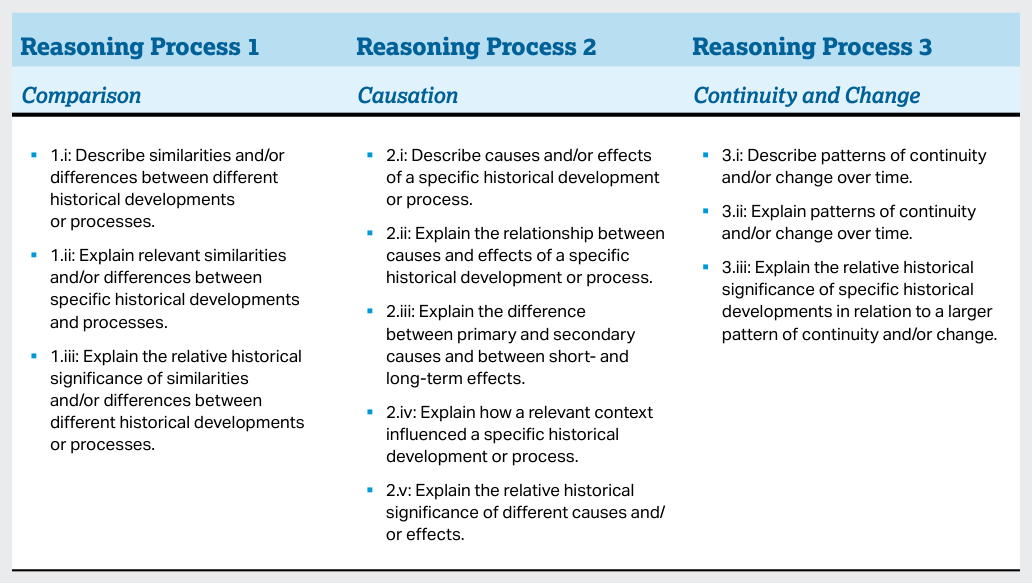
- Skill 5: Making Connections — Apply the three historical reasoning processes: comparison, causation, and continuity and change.
- Skill 6: Argumentation — Make historically defensible claims and support them with specific, relevant evidence and historical reasoning.
These skills appear across the assessment system: stimulus-based multiple-choice questions emphasize evidence and interpretation; short-answer questions require concise claims, evidence, and explanation; the document-based question combines sourcing, contextualization, evidence, and argumentation; and the long essay question requires a defensible argument supported by reasoning and specific historical evidence. Beginning with the May 2027 exams, updated short-answer and long-essay formats will apply, but the course content remains unchanged.
Three reasoning processes
The reasoning processes are the engine of historical explanation. Comparison examines similarities, differences, and relationships; causation explains the factors producing a development and its effects; and continuity and change identifies what persisted, what changed, and why the pattern was uneven.
| Reasoning process | Historical question | Example |
|---|---|---|
| Comparison | How were two developments alike and different? | How did British and French state-building differ? |
| Causation | Why did a development occur, and what did it produce? | Why did industrialization begin in Britain? |
| Continuity and change | What persisted, what changed, and why? | How did women’s work change during industrialization while inequality persisted? |
Themes as conceptual threads
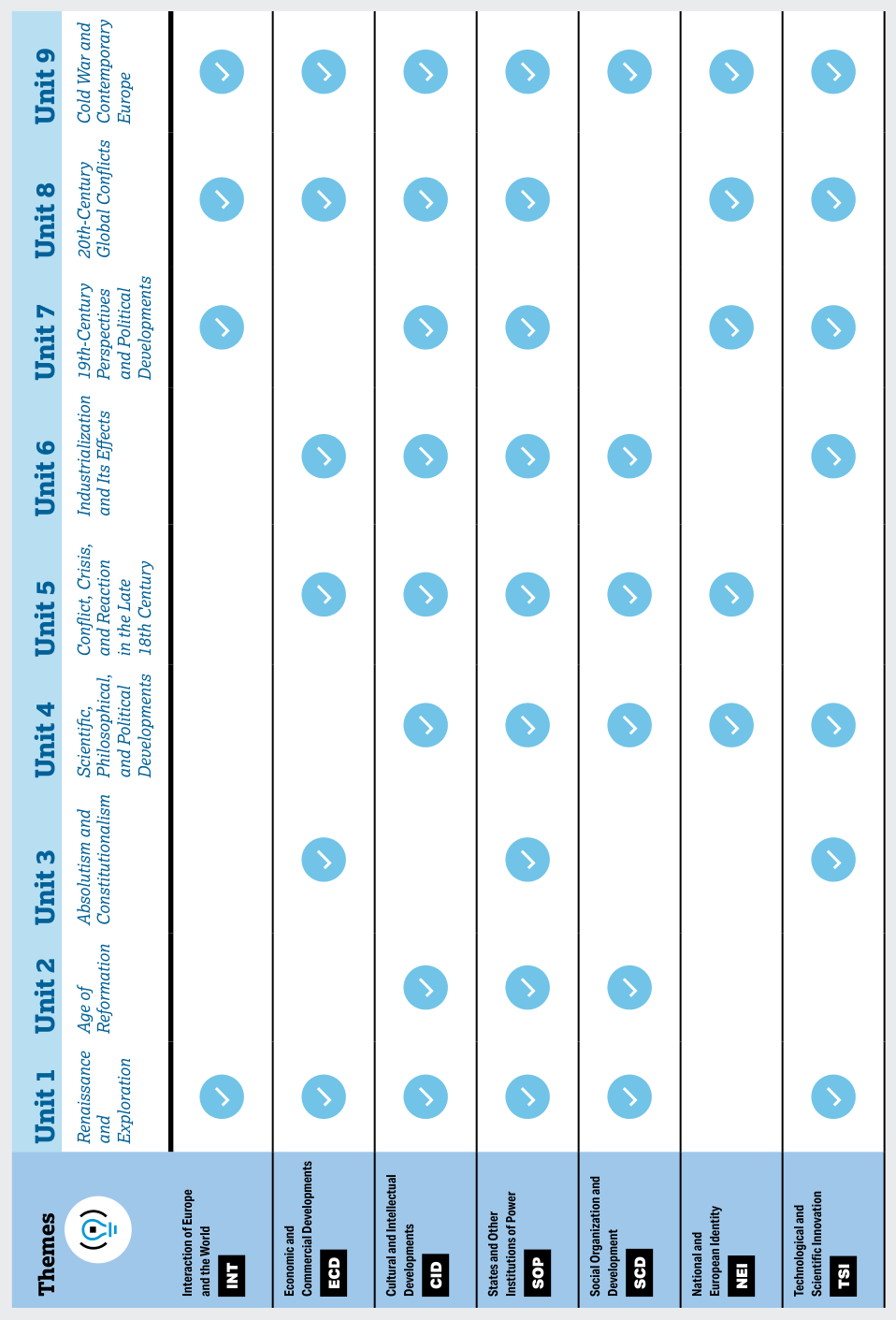
The seven themes are not labels placed beside topics; they are cross-cutting concepts that build understanding and spiral throughout the course:
- INT: Interaction of Europe and the World
- ECD: Economic and Commercial Developments
- CID: Cultural and Intellectual Developments
- SOP: States and Other Institutions of Power
- SCD: Social Organization and Development
- NEI: National and European Identity
- TSI: Technological and Scientific Innovation
Consider SOP: States and Other Institutions of Power as a thread. In Unit 1, students can trace how new monarchies and exploration increased state capacity; in Unit 3, absolutist rulers used armies, taxation, and court ritual to centralize authority; in Unit 4, Enlightenment thinkers challenged inherited power; in Unit 5, the French Revolution claimed to relocate sovereignty from monarch to nation; and in Units 8 and 9, totalitarian states and democratic institutions offered competing models of political power. The conceptual understanding becomes more precise over time: power is not simply “held by kings,” but is built through institutions, justified through ideas, contested by groups, and reorganized during crises.
Integrating content, skills, and scaffolding
Teachers should use the topic pages in the unit guides to identify required content, then integrate that content with a skill. A lesson on the printing press might begin with Skill 1: Developments and Processes, move to Skill 2: Sourcing and Situation through a printed religious text, and finish with Skill 6: Argumentation about whether print accelerated religious division.
Scaffolding means temporary support that helps students perform a complex historical task before they can do it independently. A useful progression is: model how to identify a source’s audience; complete a sourcing organizer together; compare two sources with prompts; then write an independent claim using evidence. The support should gradually disappear, while the historical reasoning remains.
Monitoring progress
The Progress Dashboard lets teachers review class and individual student progress throughout the year. Class trends can reveal, for example, strong content recall but persistent difficulty with contextualization; individual information helps students identify which content and skills need focused attention. Progress data is most useful when it leads to a specific revision: rereading sources for purpose, practicing causal links, or strengthening evidence in an argument.
Retrieval check: A student compares two sources, explains why each author presents an event differently, connects the event to its wider setting, and makes a defensible claim. Which skills are being combined? A complete answer should identify Skill 2: Sourcing and Situation, Skill 3: Claims and Evidence in Sources, Skill 4: Contextualization, and Skill 6: Argumentation, with Skill 5: Making Connections added if the response explicitly compares, explains causation, or analyzes continuity and change.



1.1 Contextualizing Renaissance and Discovery · 1.2 Italian Renaissance
Key concepts: Renaissance and Discovery · Contextualizing historical developments · Italian Renaissance · Revival of Greek and Roman texts and ideas · Renaissance humanism · Leonardo Bruni · Patronage and funding of artists and thinkers · Fall of Constantinople and arrival of Greek refugee scholars · Italian and Northern Renaissance comparison · AP European History Unit 1 topics 1.1 and 1.2
The Italian Renaissance began when European intellectuals and artists turned renewed attention toward the texts, values, and visual models of ancient Greece and Rome. In Italy’s wealthy, competitive city-states, this classical revival became more than an interest in old books: it reshaped education, art, political…
1.1 Contextualizing Renaissance and Discovery · 1.2 Italian Renaissance
The Italian Renaissance began when European intellectuals and artists turned renewed attention toward the texts, values, and visual models of ancient Greece and Rome. In Italy’s wealthy, competitive city-states, this classical revival became more than an interest in old books: it reshaped education, art, political thought, and ideas about human potential.
Context before interpretation: what is contextualization?
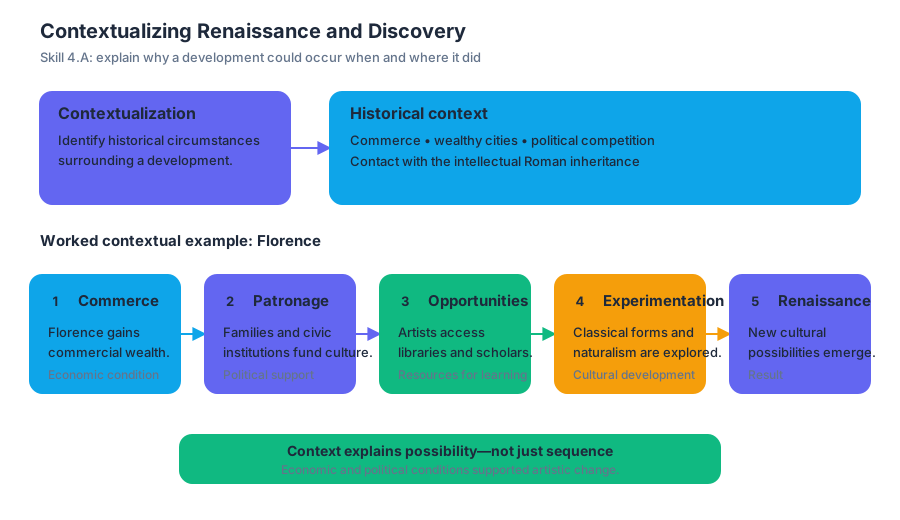
Contextualization means identifying and describing the historical circumstances surrounding a specific development or process. In AP European History, Skill 4.A: Contextualization requires more than naming an earlier event; the context must help explain why the development could occur when and where it did.
Historical context: Renaissance culture grew in a Europe shaped by expanding commerce, wealthy urban centers, competition among political powers, and continuing contact with the intellectual inheritance of the Roman world.
A useful contextual chain looks like this:
Worked contextual example: Florence’s commercial wealth helped powerful families and civic institutions fund churches, libraries, scholars, painters, and architects. That patronage created opportunities for artists to experiment with classical forms and naturalistic representation. The result was not simply “better art”; it was a cultural development supported by identifiable economic and political conditions.
The classical revival and humanism
Renaissance humanism was a cultural and intellectual movement centered on recovering, studying, and applying classical Greek and Roman literature. Italian humanists developed new philological approaches—careful methods for comparing manuscripts, language, authorship, and meaning—to reconstruct ancient texts more accurately.
The revival included texts and ideas associated with rhetoric, history, moral philosophy, political life, and civic responsibility. Humanists did not necessarily reject Christianity, but some promoted stronger secularism, meaning attention to worldly life, and individualism, meaning greater emphasis on personal ability, achievement, and reputation.
Unit 1: Learning Objective B and KC-1.1.I.A connect the revival of classical texts directly to the Renaissance in Italy. Petrarch helped establish the humanist recovery of classical literature, while Leonardo Bruni promoted Greek and Roman texts and applied classical learning to civic and political life. Leon Battista Alberti and Niccolò Machiavelli are additional illustrative examples of thinkers shaped by this classical orientation.
Misconception check — “Humanism means atheism.”
Humanism was not automatically a rejection of religion. The key distinction is that Italian humanists shifted intellectual attention toward classical literature, human experience, civic life, and individual achievement; some remained deeply religious.
Art made naturalistic—and made possible by patrons
Renaissance art differed from many medieval techniques and ideas by pursuing more naturalistic or lifelike painting and sculpture. Artists studied the human body, proportion, space, and movement, while classical models encouraged balanced forms and renewed interest in Greco-Roman subjects.
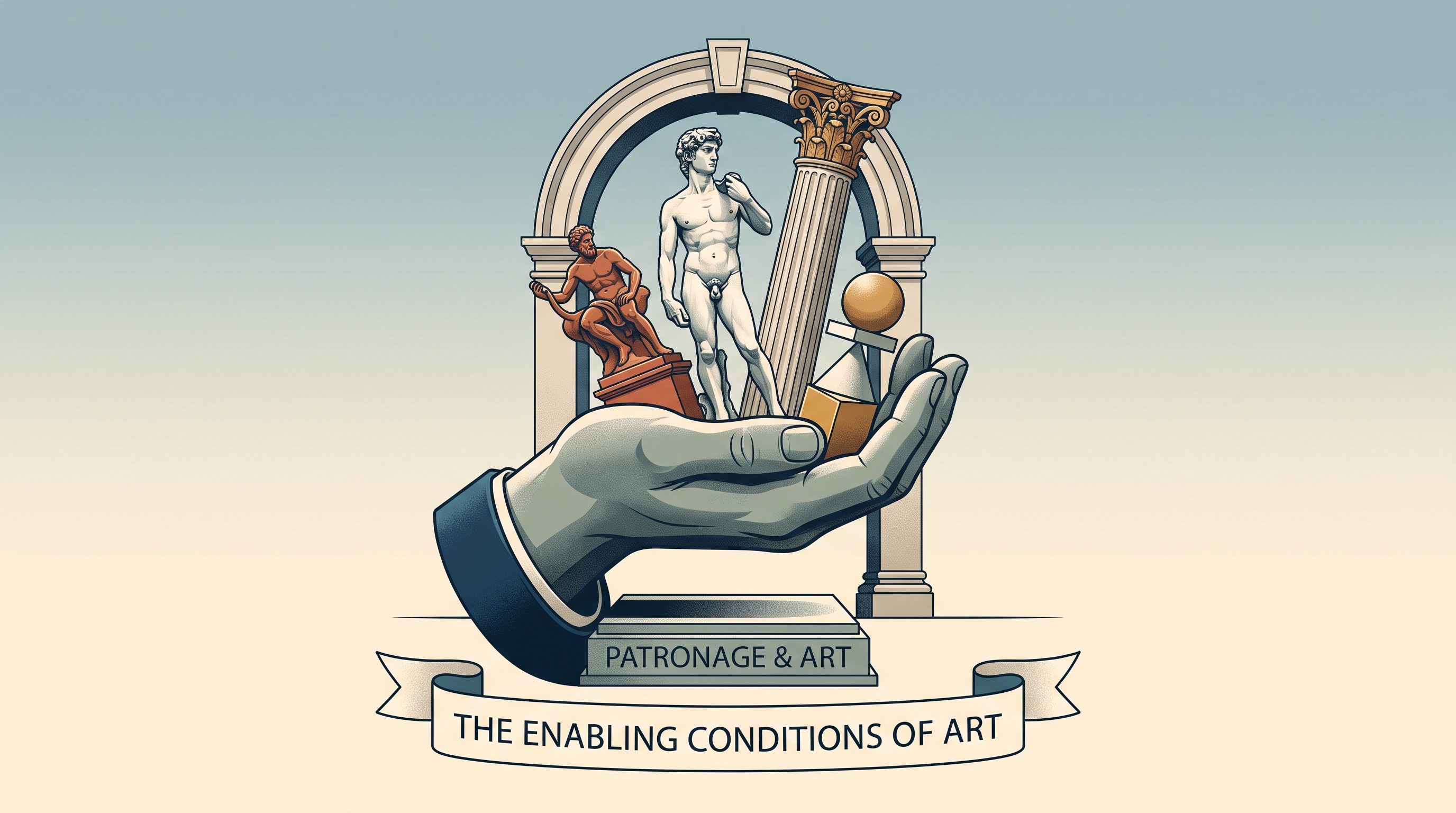
Patronage—the financial support of artists and thinkers—was a crucial political and economic factor. City governments, wealthy merchants, popes, and elite families commissioned buildings, paintings, sculptures, and scholarly work. Michelangelo, Donatello, Raphael, and Andrea Palladio illustrate how artistic production depended on patrons who could supply money, materials, commissions, and public visibility.
Unit 1: Learning Objective C and KC-1.1.I.B emphasize this connection between Renaissance culture and the institutions that funded it. To explain the Renaissance historically, connect an artistic achievement to its enabling conditions: wealth created patrons; competition encouraged display; humanism supplied classical ideals; artists translated those ideals into visible form.
Constantinople and the movement of knowledge
The fall of Constantinople to the Ottoman Empire in 1453 also facilitated the Italian Renaissance. Greek refugee scholars moved to Italy, bringing knowledge of Greek language and classical texts. Their arrival strengthened the humanist effort to recover and study ancient learning.
This event should be treated as one contributing factor rather than a single-cause explanation. Italian urban wealth, political competition, patronage, humanist scholarship, and the arrival of Greek scholars worked together. A strong historical explanation therefore uses a chain of causes instead of claiming that the fall of Constantinople “caused” the Renaissance by itself.
A first comparison—and a boundary
The Italian Renaissance is especially associated with classical texts, civic life, secular concerns, individual achievement, and naturalistic art. Renaissance developments north of the Alps formed a later contrast with stronger Christian and religious emphases; the detailed comparison belongs with Topic 1.3 Northern Renaissance, not here.
In-flow retrieval check: A response identifies Leonardo Bruni, humanism, and the fall of Constantinople. Which statement best demonstrates Skill 4.A: Contextualization?
- Bruni studied classical texts.
- Humanism valued individual achievement.
- Greek refugee scholars carried classical texts into Italy after Constantinople fell.
- Wealthy patrons funded Renaissance artists.
Answer: 3. It places the Renaissance within a specific historical circumstance and explains how that circumstance supported the revival of classical learning. Option 4 is also historically important, but by itself it identifies a contributing factor rather than fully establishing broader context.
1.3 Northern Renaissance · 1.4 Printing
Key concepts: Northern Renaissance · Italian Renaissance · Christian humanism · Secular humanism · Printing press and expansion of literacy · Medici family patronage · Renaissance art and Greek/Roman ideals · French Protestantism and the Reformation · Religious and secular approaches to knowledge · Trade, banking, and Italian city-states
The Renaissance did not travel north as a carbon copy of Florence: it changed emphasis as it encountered different religious, social, and intellectual settings. The key contrast is not “religious art versus nonreligious art,” but the different relationships between humanist learning, Christianity, and secular life.
1.3 Northern Renaissance · 1.4 Printing
The Renaissance did not travel north as a carbon copy of Florence: it changed emphasis as it encountered different religious, social, and intellectual settings. The key contrast is not “religious art versus nonreligious art,” but the different relationships between humanist learning, Christianity, and secular life.
Northern and Italian humanism
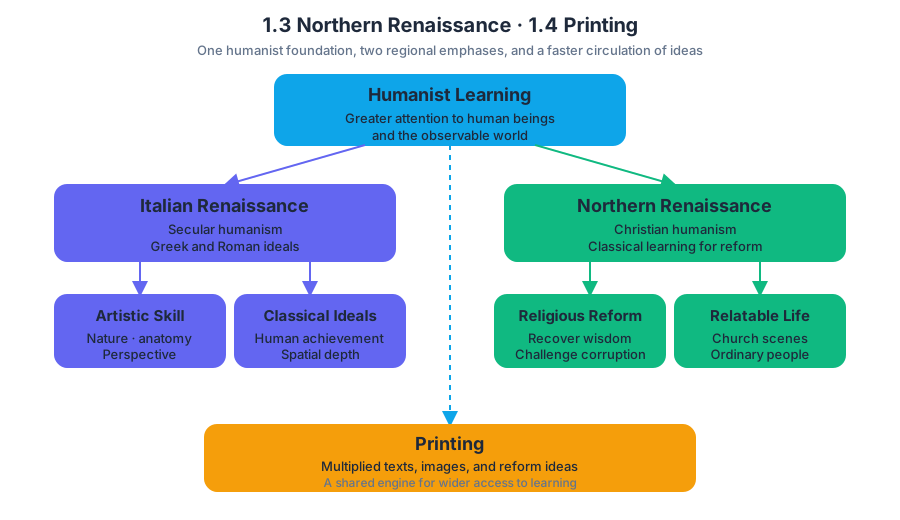
Humanism was an intellectual movement that gave greater attention to human beings, their capabilities, and the practical or secular knowledge of the world. Italian humanists looked especially to Greek and Roman texts and ideals. Their work increasingly emphasized human achievement, artistic skill, nature, anatomy, perspective, and subjects that could be studied apart from explicitly Christian theology.
The Northern Renaissance, by contrast, emphasized Christianity and Christian humanism. Christian humanists used the study of classical languages and texts to improve Christian life rather than to separate intellectual exploration from Christianity. They treated humanist learning as a way to recover religious wisdom, criticize corruption, and encourage more sincere belief.
Christian humanism: the attempt to reconcile classical learning about human beings and the ancient world with Christian theology and moral reform.
This produced a difference in artistic subject matter. Northern artists often represented religious scenes in churches, including frescoes on walls and ceilings, but they also focused on ordinary people and recognizable daily life. Italian Renaissance artists could also create religious works, yet their art more often highlighted classical ideals, human talent, natural movement, spatial depth, and the beauty of the observable world.
| Feature | Italian Renaissance | Northern Renaissance |
|---|---|---|
| Dominant intellectual emphasis | Secular humanism and Greek and Roman ideals | Christian humanism and religious reform |
| Relationship to Christianity | Increasing separation of intellectual exploration from Christian theology | Classical learning placed within Christian theology |
| Common artistic emphasis | Human achievement, nature, perspective, classical subjects | Religious themes, ordinary life, and relatable people |
| Social setting | Wealthy trading city-states, especially Florence | Northern European cities and religious communities |
| Shared foundation | Greater attention to human beings, learning, observation, and classical knowledge | Greater attention to human beings, learning, observation, and classical knowledge |
Wealth, patronage, and Florence
Italian city-states gained power and wealth through trade. Florence became especially rich, and the Medici family shows how commercial wealth could become cultural power. The Medicis made money through the wool trade, then used that wealth to fund banking and the arts. Patronage—financial support given to artists, scholars, or institutions—allowed Renaissance culture to flourish because creators could work with resources supplied by wealthy families and governments.
Worked comparison: Imagine two paintings of human beings. An Italian Renaissance painter might use mathematical perspective, careful observation of nature, and a classical ideal of bodily proportion to emphasize human accomplishment. A Northern Renaissance painter might place a biblical scene among familiar people, objects, and domestic details, making Christian meaning visible within everyday life. Both paintings value human observation; their difference lies in whether classical and practical learning chiefly serves secular human achievement or Christian interpretation.
Printing and the movement of ideas
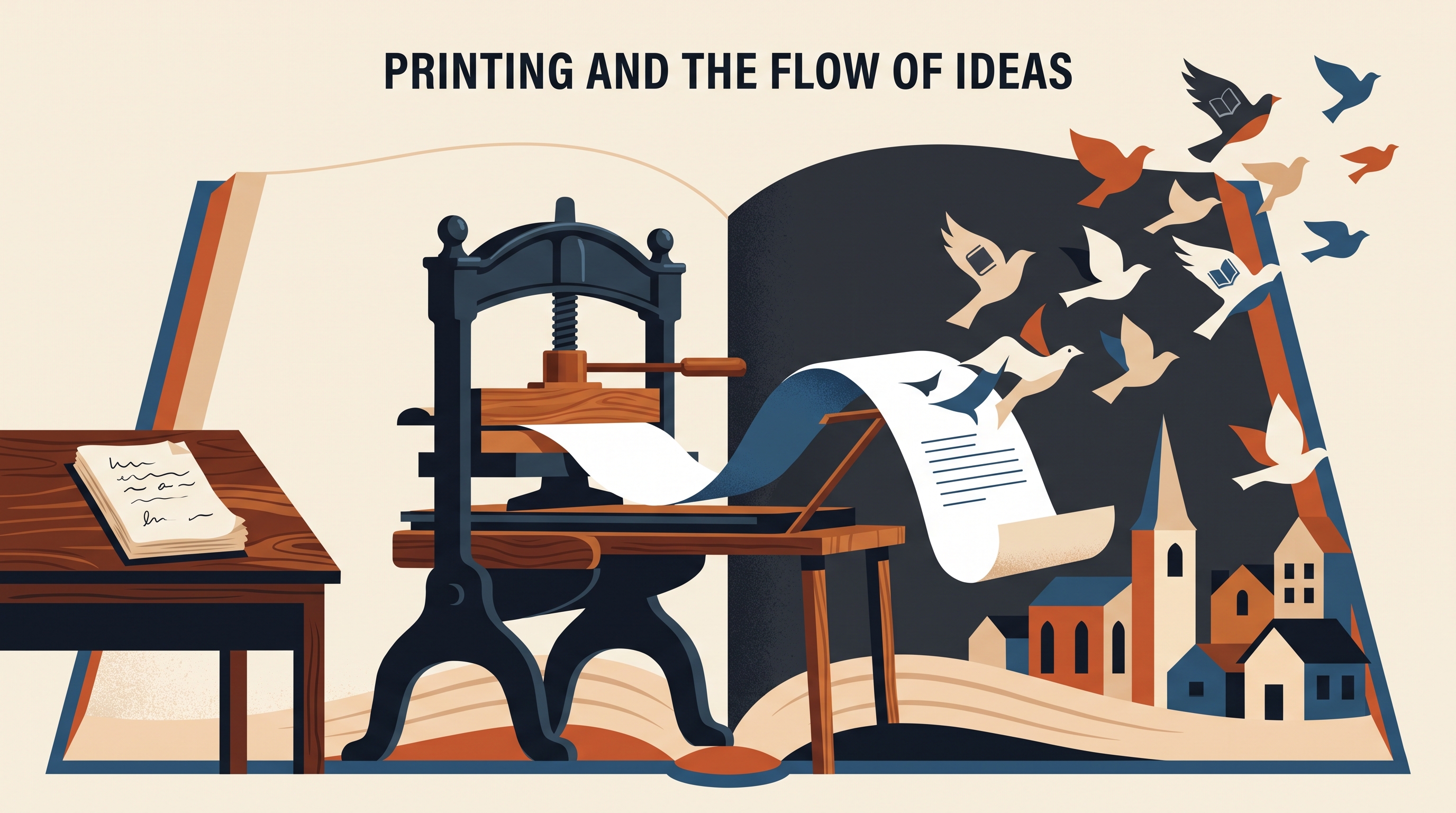
The printing press transformed the speed and scale of cultural transmission. Before knowledge became systematized, much useful everyday knowledge—about work, household production, healing, and local practice—was transmitted within and between households. Printing did not instantly make everyone literate, but it made written material cheaper, more numerous, and easier to circulate. As literacy expanded, Renaissance ideas and religious arguments reached audiences far beyond courts, universities, and wealthy patrons.
Printing therefore connected cultural change to religious conflict. In France, Protestantism emerged as part of the wider Protestant Reformation and challenged Catholic authority. French Protestants, often called Huguenots, faced periods of persecution and violent conflict with Catholics; the struggle involved doctrine, political loyalty, and the authority of the French monarchy and Catholic Church. A French Protestant cartoon titled The Missionary Soldier from 1686 should therefore be read as evidence of confessional conflict, not merely as an illustration of Renaissance art. Its date places it immediately after the French monarchy’s intensified pressure on Protestantism, including the revocation of the Edict of Nantes in 1685.
Skill focus: comparison and evidence
CED 1.3 — Northern Renaissance and CED 1.4 — Printing are assessed especially through Historical Thinking Skill 1: Developments and Processes, with connections to Historical Thinking Skill 3: Claims and Evidence in Sources and Historical Thinking Skill 5: Making Connections. A strong answer does more than label one movement “religious” and the other “secular”: it identifies a shared humanist interest, supplies a specific example, and explains the different relationship to Christianity and secular learning.
Misconception check — “The Northern Renaissance was only religious.” Not quite. Northern humanists studied classical learning and paid close attention to human beings and ordinary life. The more accurate distinction is that northern humanism placed those interests within Christian theology, while Italian humanism increasingly gave greater space to secular learning and Greek and Roman ideals.
Retrieval check: A wealthy wool merchant funds painters and bankers in Florence; a northern painter places a Christian scene among familiar household details; a printed Protestant image attacks or comments on confessional conflict. Which example best demonstrates patronage, which demonstrates Northern Renaissance subject matter, and which demonstrates printing’s role in religious debate? Explain one answer in a complete sentence.
1.5 New Monarchies · 1.6 Technological Advances and the Age of Exploration
Key concepts: New Monarchies · Royal control over religious life and morality · Nobles of the robe · Age of Exploration · Technological and Scientific Innovation · Guns and gunpowder · Enclosure movement · Revival of classical texts · European overseas exploration and settlement · Indigenous population encounters and destruction
Between the late fifteenth and early seventeenth centuries, European rulers strengthened states at home while new technologies projected European power overseas. The same period that produced more centralized monarchies also produced oceanic exploration, colonial settlement, and devastating encounters with…
1.5 New Monarchies · 1.6 Technological Advances and the Age of Exploration
Between the late fifteenth and early seventeenth centuries, European rulers strengthened states at home while new technologies projected European power overseas. The same period that produced more centralized monarchies also produced oceanic exploration, colonial settlement, and devastating encounters with Indigenous peoples.
1.5 New Monarchies: Building Centralized Power
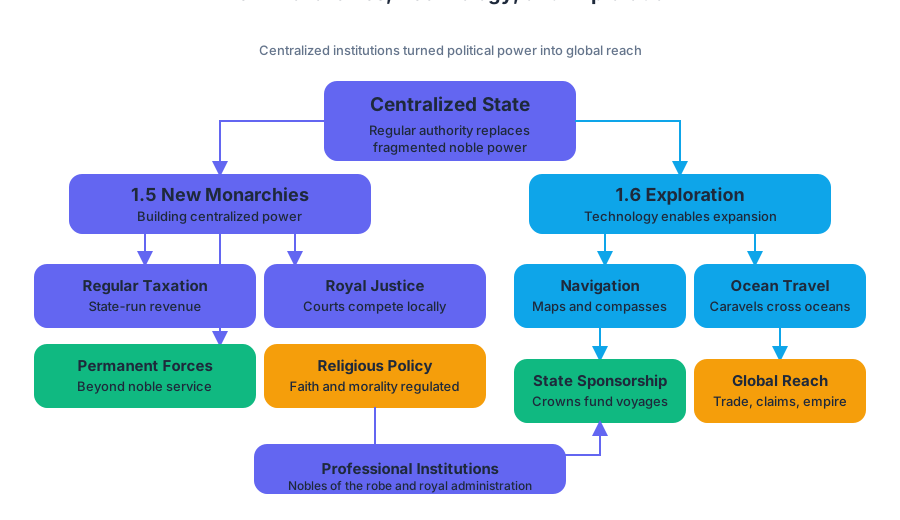
A new monarchy was a late-medieval or Renaissance state whose ruler expanded direct control over taxation, justice, military force, and religious policy. Instead of relying mainly on semi-independent nobles, monarchs built institutions that reached more consistently into local communities.
Key idea — KC-1.5.I.A: New monarchies laid foundations for the centralized modern state by monopolizing tax collection, employing military force, dispensing justice, and gaining the right to determine the religion of their subjects.
The process resembled replacing a patchwork of privately controlled roads with a single state-run network. Monarchs sought regular taxes rather than occasional feudal payments, permanent or semi-permanent military forces rather than temporary noble service, and royal courts that competed with local jurisdictions.
New monarchies also sought greater control over religious life and morality. Rulers could support one officially favored religion, regulate religious practice, and use law or royal institutions to enforce standards of behavior. Religious policy therefore became not only a spiritual matter but also an instrument of state-building.
France illustrates how monarchs used new administrative personnel. Nobles of the robe were members of the French judicial and administrative elite who held offices connected to royal courts and government. Their authority helped the monarchy govern through professional institutions rather than depending entirely on older warrior nobles.
The expansion of state power did not mean that every European monarch ruled without resistance. It meant that rulers increasingly claimed the institutions needed to make decisions directly: collecting revenue, enforcing law, organizing armed force, and defining religious order.
Worked historical example: France
Suppose a French monarch wants to enforce a religious policy across a large kingdom. The ruler needs officials to interpret and apply royal orders, courts to dispense justice, taxation to fund enforcement, and military power to overcome resistance. The growth of royal offices—including those associated with the nobles of the robe—made that policy more feasible. The evidence supports a development-and-process explanation: centralized government grew through several mutually reinforcing institutions.
Misconception check — “New monarchy” means absolute monarchy. Not necessarily. New monarchies increased royal authority, but rulers still faced limits from nobles, representative bodies, local privileges, and religious institutions. The important change was the expansion of direct state capacity, not instant or unlimited royal control.
1.6 Technological Advances and the Age of Exploration
European exploration depended on a combination of motives and tools. European states and merchants sought direct access to gold, spices, and luxury goods because overseas trade could increase personal wealth while strengthening state power. Commercial and religious motives worked together: rulers and explorers pursued profit, strategic advantage, and the expansion of Christianity.
Learning Objective 1.G: Explain the technological factors that facilitated European exploration and expansion from 1450 to 1648.
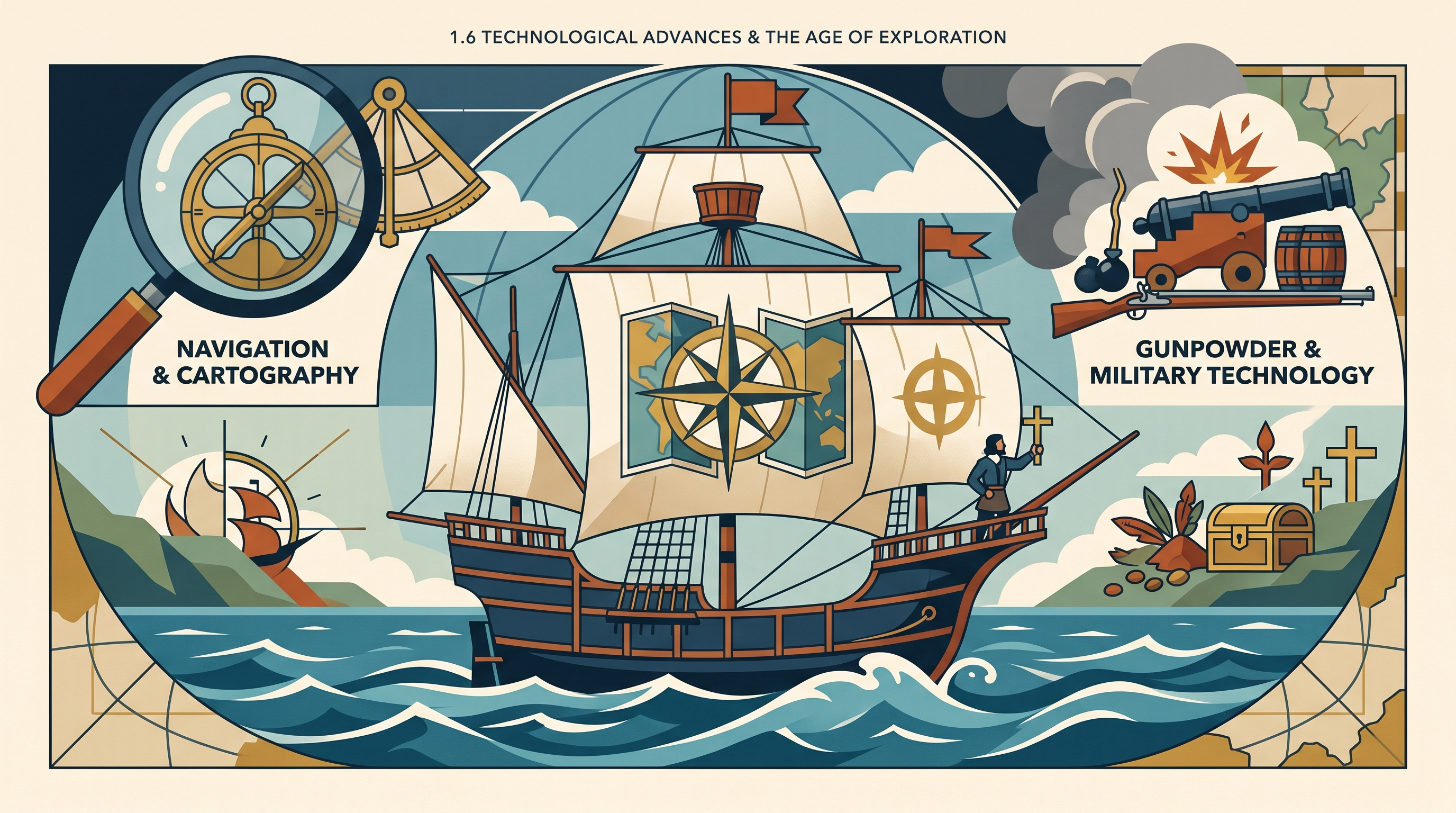
KC-1.3.II: Advances in navigation, cartography, and military technology enabled Europeans to establish overseas colonies and empires.
Navigation and cartography made long-distance voyages more manageable by improving the ability to determine position, plan routes, and represent coastlines. Military technology—especially guns and gunpowder—gave European expeditions greater power in armed encounters and helped them defend ships, forts, and settlements.
Technology did not operate alone. The Renaissance and Age of Discovery changed many Europeans’ understanding of the world, while the revival of classical Greek and Roman texts encouraged new scholarship and new perspectives. These intellectual developments supported curiosity about geography and nature; navigation, maps, ships, and firearms turned curiosity and ambition into expansion.
KC-1.1: The rediscovery of ancient Greek and Roman works, combined with observation of the natural world, changed many Europeans’ view of their world. KC-1.1.I connects the revival of classical texts to new methods of scholarship and new values in society and religion. These ideas did not automatically cause exploration, but they contributed to a wider setting in which investigation and overseas ambition seemed increasingly possible.
Europeans explored and settled overseas territories, producing encounters and interactions with Indigenous populations. Those encounters were not equal exchanges: European expansion caused the destruction of Indigenous peoples, particularly in the Americas, through violence, conquest, forced labor, and the disruption of established societies.
KC-1.3: Europeans explored and settled overseas territories, encountering and interacting with Indigenous populations.
KC-1.3.I: European nations were driven by commercial and religious motives to explore overseas territories and establish colonies.
The enclosure movement provides a related example of transformation within Europe. Enclosure reorganized agricultural land by consolidating scattered holdings and restricting some customary uses of common land. It changed agricultural practices and could increase efficiency for landowners while placing pressure on rural people who depended on shared resources.
Skill application: following a causal chain
For Skill 1: Developments and Processes, trace change rather than merely listing inventions: classical learning and observation encouraged new perspectives; improved navigation and cartography made voyages more practical; guns and gunpowder strengthened military expansion; commercial and religious motives pushed states outward; exploration produced colonies and destructive encounters.
For Skill 3: Claims and Evidence in Sources, distinguish what a source shows from what you infer. A royal decree praising overseas settlement may provide evidence of religious or commercial motives, but its celebratory language may conceal coercion and Indigenous destruction. Ask who produced the source, what action it supports, and whose experience it omits.
Retrieval check
Explain in two linked sentences why new monarchies and overseas exploration developed during the same period. Then identify one technological factor and one human motive that enabled European expansion. A strong response connects centralized taxation or military power to the ability of rulers to finance and enforce exploration, while naming navigation, cartography, guns, or gunpowder as technology and wealth, religion, or state power as motive.
1.7 Rivals on the World Stage · 1.8 Colonial Expansion and the Columbian Exchange
Key concepts: European exploration and overseas expansion · Colonialism and the acquisition of overseas colonies · Portuguese expansion in the Indian Ocean · European colonial empires · Capitalism and commercial development · Global trade networks · The Columbian Exchange · Transatlantic exchange of plants, animals, and diseases · Social and cultural impacts of colonial expansion · The integration of Europe and the Americas into a global economy
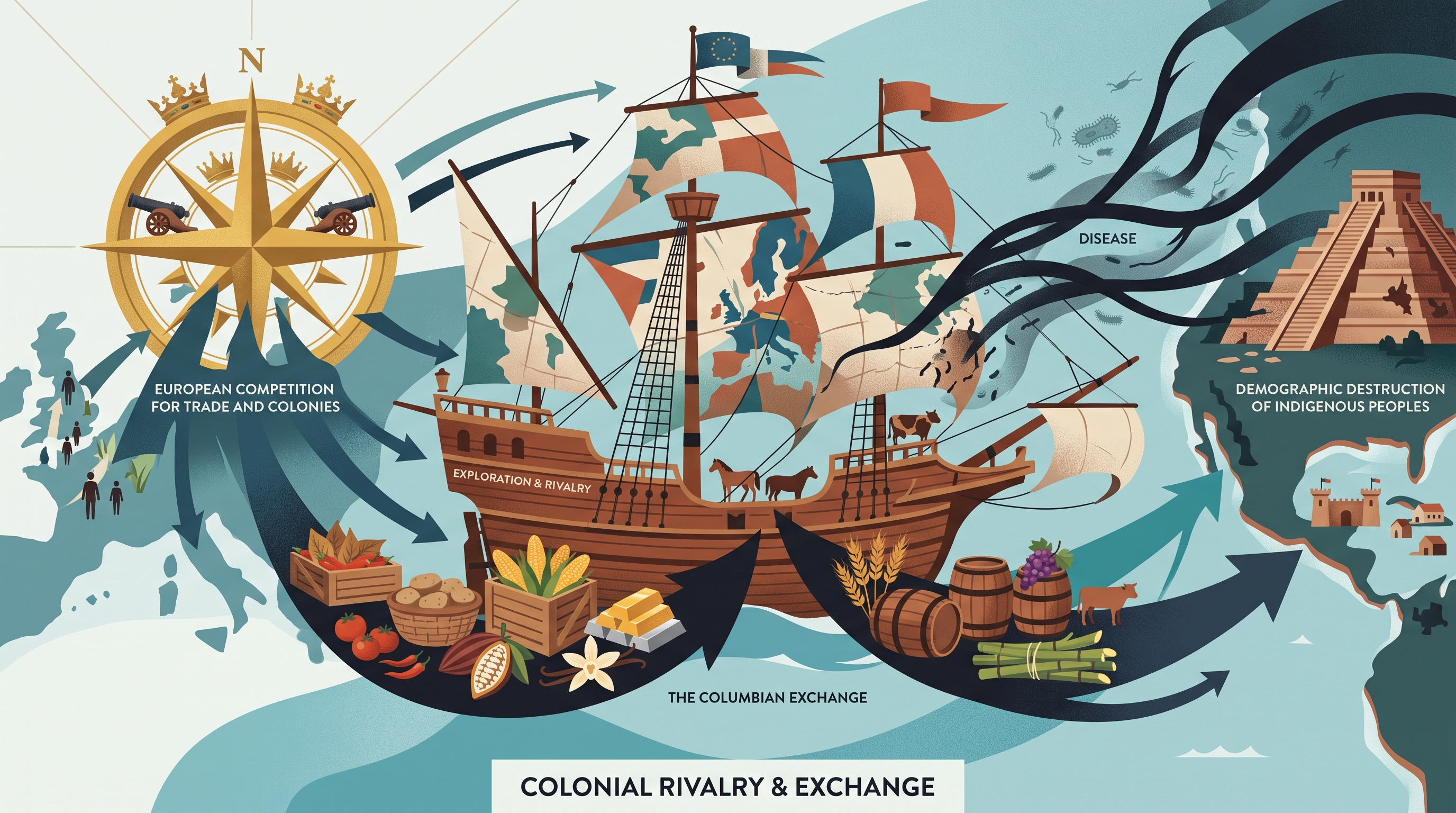
Between approximately 1450 and 1750, European states transformed competition for wealth and power into overseas empire-building. The result was not merely more trade: Europe, Africa, Asia, and the Americas became connected through coercive colonial systems, commercial networks, and the biological exchange now…
1.7 Rivals on the World Stage · 1.8 Colonial Expansion and the Columbian Exchange
Between approximately 1450 and 1750, European states transformed competition for wealth and power into overseas empire-building. The result was not merely more trade: Europe, Africa, Asia, and the Americas became connected through coercive colonial systems, commercial networks, and the biological exchange now called the Columbian Exchange.
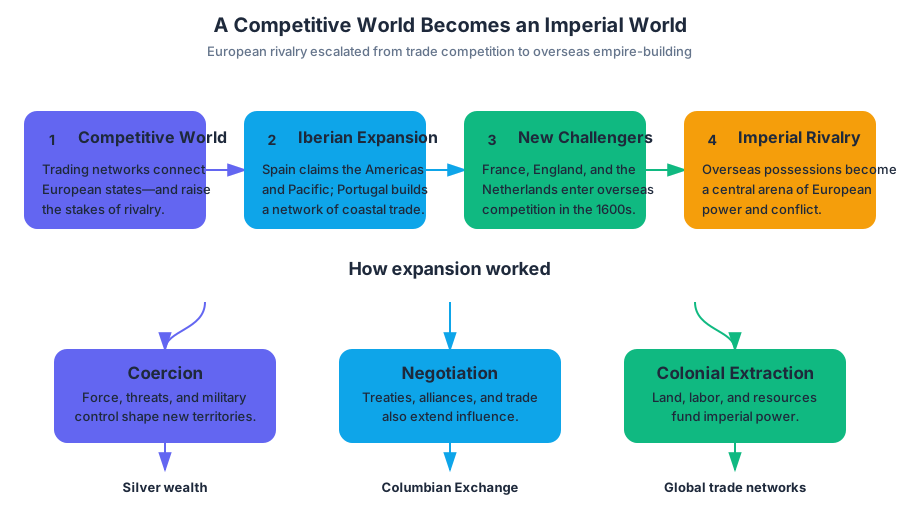
A competitive world becomes an imperial world
Colonial expansion means the establishment and control of overseas territories, usually through a mixture of military force, settlement, political negotiation, and economic extraction. Europeans established overseas empires and trade networks through both coercion—the use or threat of force—and negotiation.
Under Unit 1: Learning Objective I, students should explain how and why trading networks and colonial expansion affected relations between and among European states. The key pattern is competitive escalation:
Spain established colonies across the Americas, the Caribbean, and the Pacific. American silver and colonial possessions helped make Spain a dominant European state during the sixteenth century. Portugal, meanwhile, created a commercial network along the African coast and in South and East Asia, as well as in South America, during the late fifteenth and sixteenth centuries.
France, England, and the Netherlands later established their own colonies and trading networks in the seventeenth century. Their expansion challenged Portuguese and Spanish dominance and turned overseas empire-building into a central arena of European rivalry.
Portugal and the Indian Ocean
Portuguese expansion in the Indian Ocean often focused less on conquering huge inland territories than on controlling maritime routes, ports, and commercial chokepoints. Portuguese forces used fortified trading posts, naval power, and negotiated agreements to insert themselves into existing networks linking East Africa, India, Southeast Asia, and China.
This illustrates KC-1.3.III: Europeans established overseas empires and trade networks through coercion and negotiation. Portuguese power rested on controlling movement and exchange, while Spanish power in the Americas relied more heavily on territorial conquest and colonial settlement.
Key distinction: An overseas empire could be built through territorial colonization, maritime commercial control, or a combination of both.
From Atlantic trade to a global economy
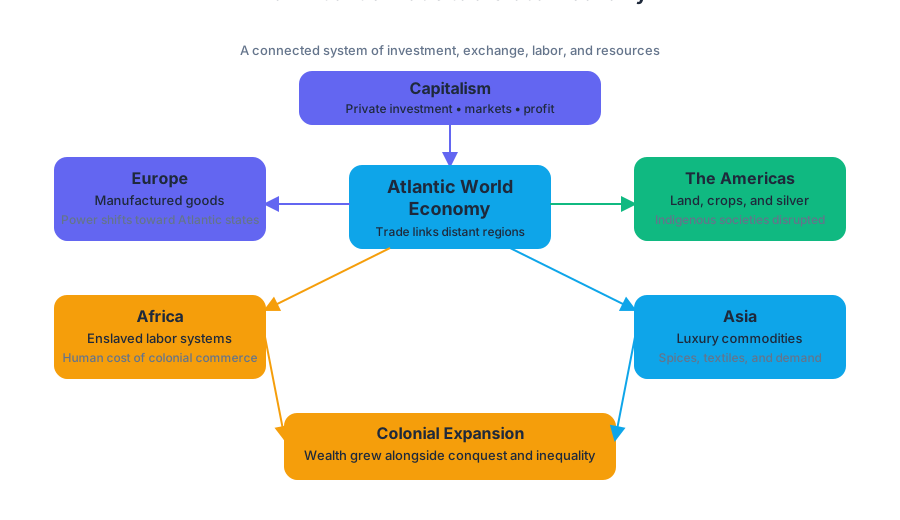
Colonial expansion shifted the center of European economic power from the Mediterranean toward the Atlantic states. KC-1.3.IV.A identifies this shift as a major consequence of exchanging goods: Atlantic states became increasingly integrated into an expanding world economy.
The development of capitalism—an economic system organized around private investment, markets, profit, and the accumulation of wealth—strengthened commercial activity. Capitalism influenced European political, social, and cultural history because merchants, investors, monarchs, and colonial companies increasingly depended on overseas commerce.
The new networks connected European manufactured goods, African labor systems, Asian commodities, and American resources. They also generated profound social and cultural changes: European dominance expanded, indigenous civilizations were destroyed or subordinated, and the trade in enslaved persons grew. The Atlantic economy therefore created wealth and power while producing extreme violence and inequality.
The Columbian Exchange
The Columbian Exchange was the transfer of plants, animals, diseases, goods, and cultural practices between Europe and the Americas after sustained contact began. Under KC-1.3.IV.B.i, the exchange of plants, animals, and diseases created economic opportunities for Europeans.
The exchange was biological as well as commercial:
| Direction | Illustrative transfers | Major consequences |
|---|---|---|
| Europe to the Americas | Wheat, cattle, horses, pigs, sheep | New food sources, livestock economies, altered land use |
| Europe to the Americas | Smallpox and measles | Severe demographic collapse among populations lacking immunity |
| Americas to Europe | Tomatoes and other new plants | New agricultural possibilities and changing European diets |
| Across regions | Goods and cultural practices | New consumer habits, labor systems, and social relationships |
Diseases transferred from Europe to the Americas had especially devastating consequences. Smallpox and measles facilitated European subjugation and contributed to the destruction of indigenous peoples, particularly in the Americas. Population loss weakened political authority, disrupted agriculture, and damaged social institutions.
Worked example: why disease mattered politically
Suppose a European expedition encounters an American society with strong cities, rulers, armies, and farming systems. If epidemic disease kills a large portion of the population, the society may lose leaders, soldiers, laborers, and caregivers at the same time. European invaders can then exploit political instability and weakened resistance. Disease did not act alone, but it helped convert contact into conquest.
Skills in action
This topic most directly develops Skill 1: Developments and Processes by tracing how exploration produced colonies, colonies expanded trade, and trade reshaped European power. It also develops Skill 5: Making Connections by linking economic development to political rivalry and social-cultural transformation.
For Unit 1: Learning Objective J, explain the economic impact of European colonial expansion and the development of trade networks. For Unit 1: Learning Objective K, explain the social and cultural impact of those same processes. In an argument, do not treat “economic” and “cultural” effects as separate boxes: Atlantic wealth financed state power, state power protected commerce, and commerce transformed societies on both sides of the ocean.
Misconception check: The Columbian Exchange was not an equal or peaceful “sharing” of cultures. It involved exchange, but also conquest, epidemic disease, forced labor, destruction of indigenous civilizations, and a shift toward European dominance.
Retrieval check
Why did colonial expansion intensify rivalry among European states, and why did the Columbian Exchange produce unequal consequences? A strong answer should connect competition for trade and colonies to Atlantic economic growth, then explain how disease, animals, plants, and cultural practices transformed European and American societies—especially through the demographic destruction of indigenous peoples.
1.9 The Slave Trade · 1.10 The Commercial Revolution
Key concepts: The Slave Trade · The Commercial Revolution · Price Revolution · Accumulation of Capital · Expansion of the Market Economy · Transatlantic Slave-Labor Systems · Middle Passage · Triangle Trade · Urbanization · Consumerism
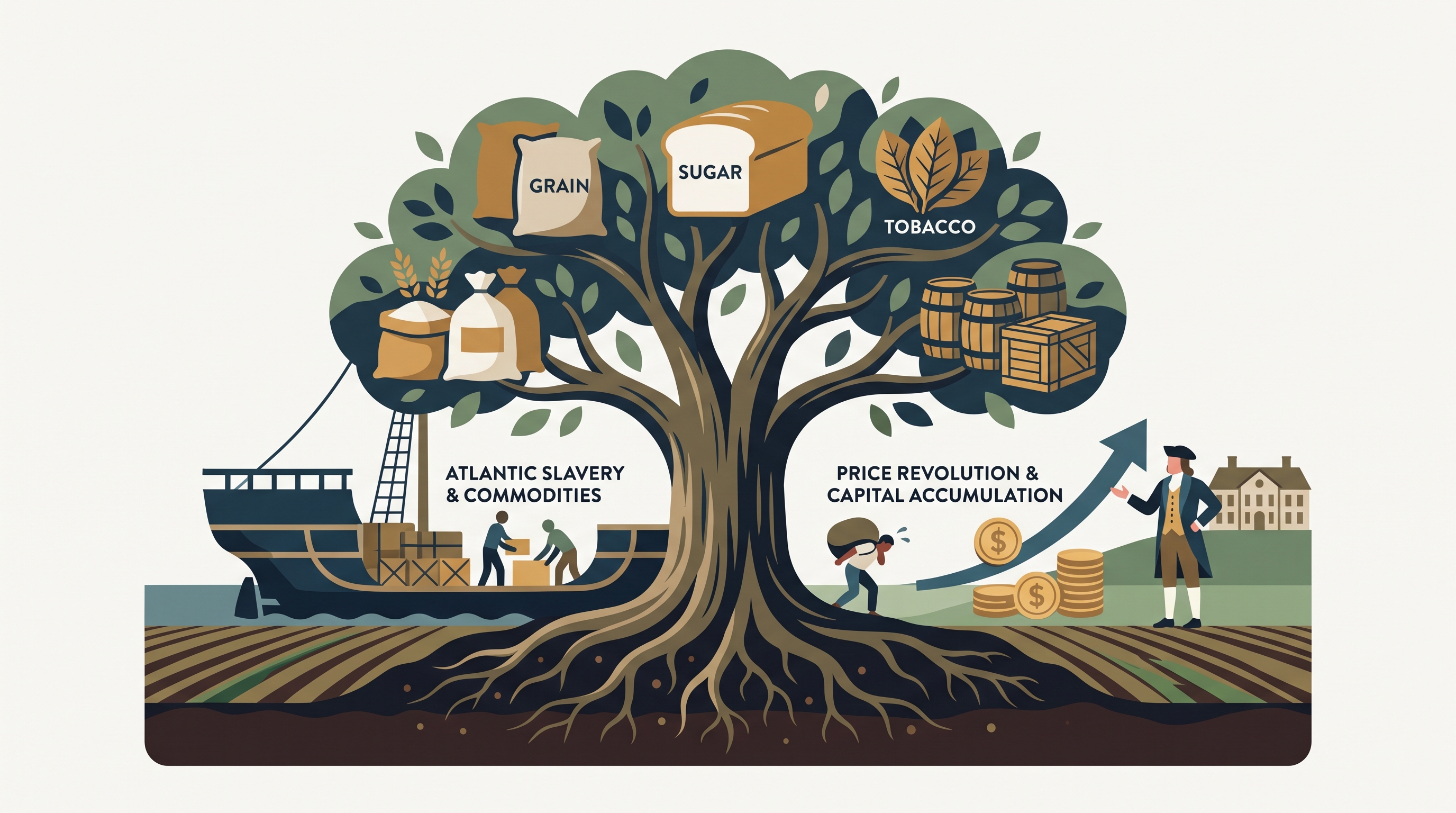
Atlantic commerce transformed European economies through two linked processes: the expansion of transatlantic slave-labor systems and the Commercial Revolution, the growth of commercial activity, capital, markets, and long-distance exchange from the late fifteenth through seventeenth centuries.
1.9 The Slave Trade · 1.10 The Commercial Revolution
Atlantic commerce transformed European economies through two linked processes: the expansion of transatlantic slave-labor systems and the Commercial Revolution, the growth of commercial activity, capital, markets, and long-distance exchange from the late fifteenth through seventeenth centuries. The same system that moved sugar, tobacco, coffee, and other goods also moved millions of enslaved Africans under extreme violence.
Investigative question: How did expanding trade create wealth for some Europeans while turning human beings into coerced labor and commodities?
The transatlantic slave-labor system
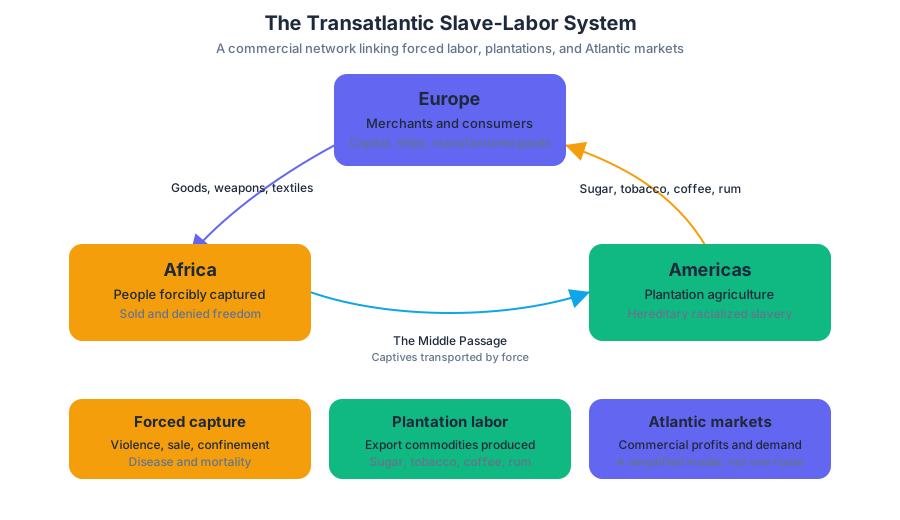
European merchants expanded the trade in enslaved Africans as plantation agriculture developed in the Americas. Enslaved labor produced export commodities—especially sugar, tobacco, coffee, and rum—for European and Atlantic markets. This was not simply “labor migration”: Africans were forcibly captured, sold, transported, and denied freedom through hereditary systems of racialized slavery.
The Middle Passage was the Atlantic crossing in which enslaved Africans were transported from Africa to the Americas. Captives endured confinement, disease, malnutrition, violence, and high mortality. The Middle Passage therefore functioned as one element within a larger commercial system, not as the entire slave trade.
The Triangle Trade describes a simplified pattern of exchange connecting Europe, Africa, and the Americas:
| Route | Typical movement | Economic purpose |
|---|---|---|
| Europe to Africa | Manufactured goods, weapons, and textiles | Merchants exchanged goods for captives |
| Africa to the Americas | Enslaved Africans across the Middle Passage | Forced labor supplied plantations |
| Americas to Europe | Sugar, tobacco, coffee, rum, and other commodities | Plantation products entered European markets |
The triangle was not a single uniform route followed by every ship. It is a useful model for seeing how European commercial enterprises connected African captives, American plantations, and European consumers. KC-2.2.II.E captures the wider pattern: foreign lands supplied raw materials, finished goods, laborers, and markets for European commercial enterprises.
The Commercial Revolution: prices become opportunity
The Commercial Revolution was the commercialization of economic activity: production increasingly aimed at exchange and profit rather than only local subsistence. Trade networks, banking, joint investment, overseas commerce, and expanding markets connected villages, ports, plantations, and cities more tightly than before.
A central development was the Price Revolution, a prolonged rise in prices during the sixteenth century. Population recovery increased demand for food, while greater supplies of precious metals and expanding trade increased the money circulating through European economies. Prices did not rise equally everywhere, but the general effect rewarded people who could sell goods while pressuring wage earners and consumers.
KC-1.4.II.B / Unit 1: Learning Objective M: The price revolution contributed to the accumulation of capital and the expansion of the market economy through the commercialization of agriculture, benefiting large landowners in western Europe.
Accumulation of capital means building up financial resources that can be reinvested to produce more wealth. A large landowner who sold grain at rising prices could use the proceeds to lease additional land, improve storage, purchase equipment, or finance further trade. The result was a reinforcing cycle: commercial agriculture generated revenue, and revenue enabled still more commercial activity.
Expansion of the market economy means that more goods, labor, and land were exchanged through prices and contracts rather than being produced only for household or village use. Agriculture remained the foundation of European life—KC-1.4.II—but rising prices encouraged landowners to produce surpluses for sale. In this way, rural production became increasingly connected to urban and overseas demand.
Worked connection: from plantation to European capital
Example: A Caribbean plantation produces sugar with enslaved labor. A merchant finances the voyage, transports the sugar to Europe, and sells it at a profit. The plantation owner and merchant now possess capital that can be reinvested in ships, land, warehouses, credit, or additional trade. European consumers’ demand for sugar expands the market, while coerced labor lowers production costs through violence rather than free wages.
This example shows why the slave trade and Commercial Revolution must be connected but not confused. Commercial expansion created wealth and wider markets; the transatlantic slave-labor system supplied coerced labor and commodities within that expansion. Profit did not make the system voluntary or morally neutral.
Misconception check
Common misconception: “The Commercial Revolution replaced agriculture with trade.”
Correction: Agriculture remained central. The change was that more agricultural production—grain, sugar, tobacco, and other goods—was organized for exchange, profit, and long-distance markets. Commercialization altered agriculture rather than eliminating it.
Later population growth, declining infant mortality, and industrialization expanded production and consumption further; however, those developments belong chiefly to later historical processes. For 1.9 and 1.10, the essential relationship is earlier and sharper: Atlantic slavery supplied commodities and labor, while the Price Revolution and commercialization helped European landowners and merchants accumulate capital and enlarge markets.
Retrieval check: Explain in two steps how the Price Revolution could benefit a large western European landowner but harm a wage laborer. Then identify which part of the Triangle Trade the Middle Passage names.


1.11 Causation in the Renaissance and Age of Discovery
Key concepts: Causation · Renaissance · Age of Discovery · Causes and effects · European colonial expansion · Commercial and agricultural developments · Urban financial centers · Commercial and religious motives for exploration · Overseas exploration, settlement, and colonization · Renaissance visual arts and their personal, political, and religious purposes
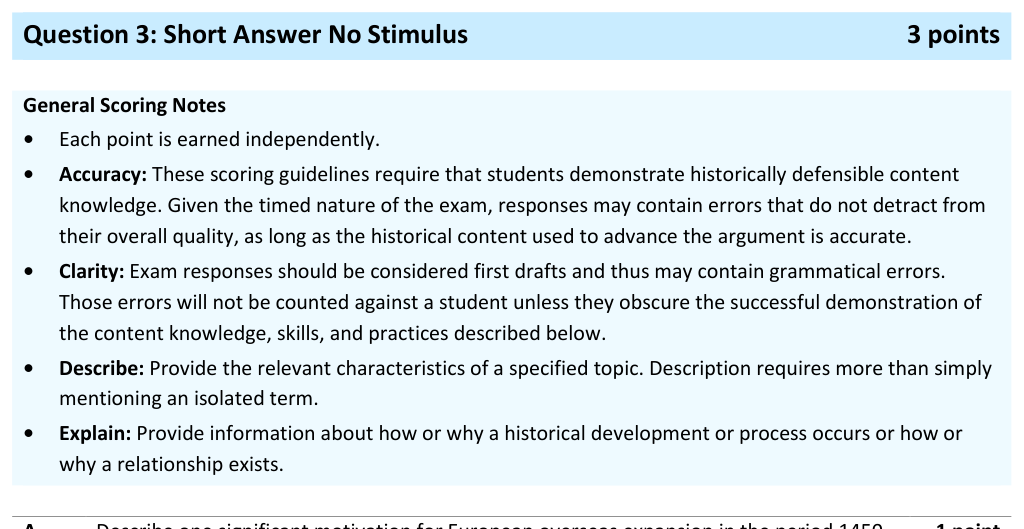
Between approximately $1450$ and $1648$, European intellectual change and overseas expansion grew from a shared environment of urban wealth, political competition, revived classical learning, expanding trade, and religious ambition.
1.11 Causation in the Renaissance and Age of Discovery
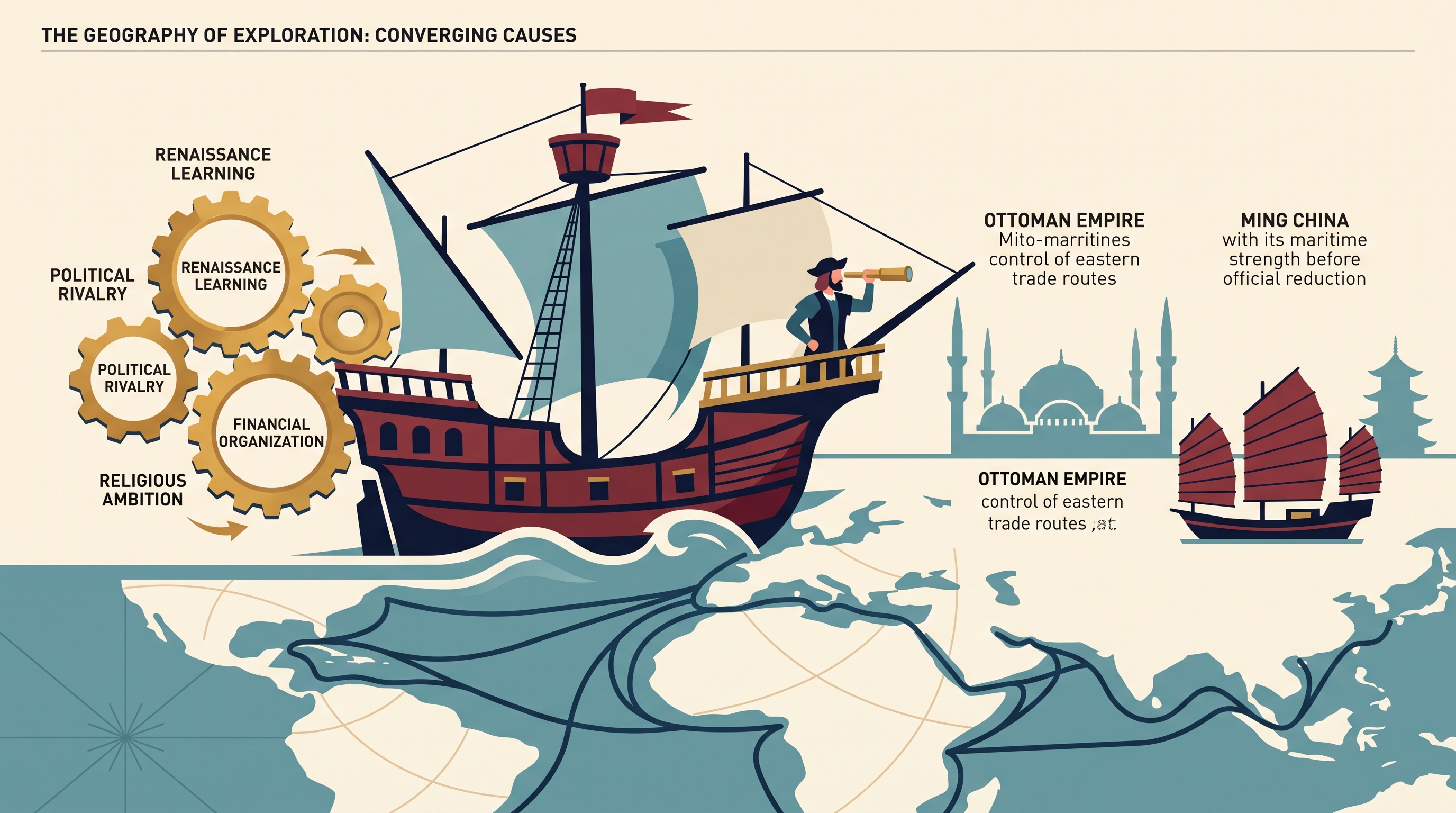
Between approximately $1450$ and $1648$, European intellectual change and overseas expansion grew from a shared environment of urban wealth, political competition, revived classical learning, expanding trade, and religious ambition. The key historical question is not whether one single cause “created” the Renaissance or exploration, but how several developments reinforced one another.
Learning Objective 1.11.A: Explain the causes and consequences of the Renaissance and Age of Discovery.
A causal chain: from urban wealth to global expansion
Causation means explaining why a historical development happened and what effects it produced. A strong causal explanation distinguishes between long-term conditions, immediate motivations, and consequences that changed later possibilities.
The Italian city-states—especially Florence, Venice, and Genoa—connected Mediterranean commerce, banking, and political power. Wealthy merchants and banking families funded artists, architects, scholars, and public buildings; this patronage, or financial support for cultural work, helped make urban financial centers engines of Renaissance culture. The result was a feedback loop:
- commercial wealth supported artistic and scholarly patronage;
- Renaissance culture enhanced the prestige of wealthy families, churches, and governments;
- stronger states and financial institutions could organize larger commercial and military projects;
- overseas expansion promised access to new markets, precious metals, land, and trade routes.
Agricultural and commercial developments also reshaped everyday life. Improved production and expanding markets supported population growth, encouraged specialization, and increased the importance of towns. A money economy made it easier to pay wages, taxes, rents, and loans in currency rather than relying only on customary exchange. These changes did not improve life equally: merchants and elites gained opportunities, while laborers, peasants, Indigenous peoples, and enslaved Africans often bore the costs of expansion.
Renaissance ideas and visual persuasion
KC-1.1 identifies a major intellectual cause: the rediscovery of works from ancient Greece and Rome, combined with observation of the natural world, changed many Europeans’ view of their world. KC-1.1.I emphasizes that revived classical texts encouraged new methods of scholarship and new values in society and religion.
Renaissance artists translated those ideas into visible form. Perspective, proportion, realism, and renewed interest in Greco-Roman models made paintings and architecture appear more naturalistic. Yet art was not merely “beautiful.” KC-1.1.III explains that visual arts promoted personal, political, and religious goals: a merchant family could display status, a ruler could project authority, and a church could communicate sacred power to viewers who could not read.
Misconception check — “Renaissance art was purely secular.”
Renaissance artists explored human experience and classical forms, but religious commissions remained central. Humanism did not simply reject Christianity; it often encouraged a more scholarly, individual, and historically informed engagement with Christian ideas.
Why Europeans explored and colonized overseas
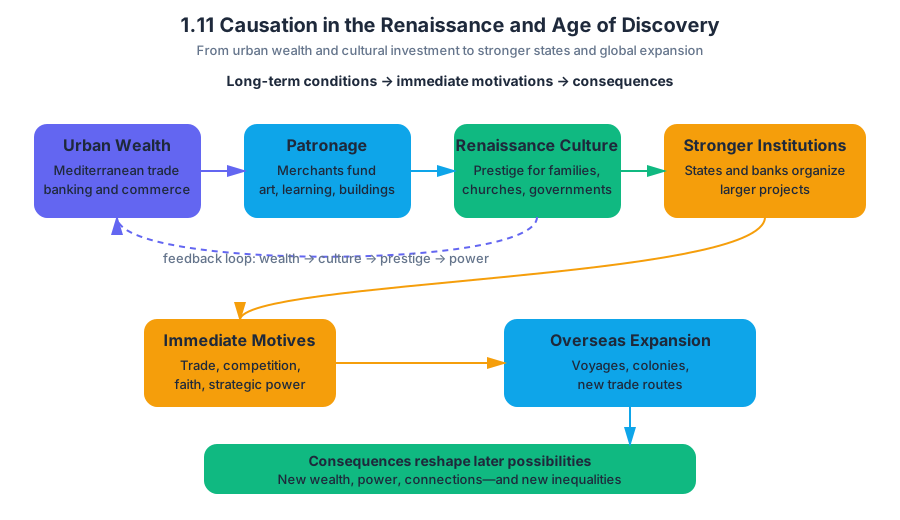
European exploration had overlapping commercial and religious motives, as stated in KC-1.3.I. Monarchs and merchants sought profitable routes, valuable commodities, and new sources of wealth. Religious authorities and rulers also sought to spread Christianity and extend political influence. Competition among European states intensified these motives: a successful voyage could strengthen one kingdom while weakening its rivals.
KC-1.3 states that Europeans explored and settled overseas territories, encountering and interacting with Indigenous populations. Exploration therefore produced colonies, not merely maps. European settlement reorganized land, labor, and trade; encounters brought exchange but also warfare, coercion, epidemic disease, forced conversion, and the displacement of Indigenous communities.
Worked causal example: Portugal and Atlantic expansion
Portugal illustrates how causes operated together. Its Atlantic position, maritime technology, commercial ambitions, and competition with other states encouraged voyages along the African coast and into the Atlantic. Royal sponsorship linked exploration to trade and Christian expansion. Once Portuguese voyages established routes and settlements, the consequences included new commercial networks, colonial footholds, altered labor systems, and deeper European involvement in the Atlantic world.
A historically defensible claim could therefore be:
European colonial expansion was driven primarily by commercial competition and state-building, while religious motives helped legitimize and accelerate expansion; together, these motives produced colonies that transformed Atlantic trade and imposed severe costs on Indigenous populations.
This claim is stronger than “Europeans explored for money” because it identifies multiple motives, ranks their importance, and connects them to consequences. Specific evidence—urban banking, royal sponsorship, Christian conversion efforts, overseas settlement, and colonial control—supports the argument.
Comparison beyond Europe
European developments were significant but not isolated. During the same broad period, the Ottoman Empire controlled major eastern Mediterranean routes and combined commercial, military, and religious power. Ming China possessed substantial maritime capacity, although the state later reduced official long-distance voyages. These comparisons show that Europe did not possess a natural monopoly on technology or exploration; European overseas expansion resulted from a particular combination of political rivalry, financial organization, maritime opportunity, and religious ambition.
Skill application: Skill 1: Developments and Processes identifies how Renaissance culture and overseas expansion unfolded over time. Skill 4: Contextualization places both developments within urbanization, political fragmentation, revived classical learning, and expanding trade. Skill 5: Making Connections links financial centers, art, exploration, and colonialism. Skill 6: Argumentation requires a defensible claim supported by specific evidence.
Retrieval check: Explain one way urban financial growth caused a Renaissance development and one way commercial or religious motives caused European colonial expansion. Then name one consequence for European society and one consequence for Indigenous peoples.
2.1 Contextualizing 16th- and 17th-Century Challenges and Developments · 2.2 Luther and the Protestant Reformation
Key concepts: Luther and the Protestant Reformation · Criticism of Catholic abuses · New interpretations of Christian doctrine and practice · Political, intellectual, economic, cultural, and social effects of responses to Luther · The sovereign state · Secular systems of law · Subordination of the church to the secular state · Religious conflicts as a basis for state authority · Established class, religious, and gender hierarchies · The relationship between traditional authority and differing world views
By the early sixteenth century, western Christianity resembled a vast political and cultural network—but one whose central institution faced mounting criticism. Martin Luther’s challenge to Catholic abuses did more than divide religious belief: it changed how Europeans understood authority, law, knowledge, social…
2.1 Contextualizing 16th- and 17th-Century Challenges and Developments · 2.2 Luther and the Protestant Reformation
By the early sixteenth century, western Christianity resembled a vast political and cultural network—but one whose central institution faced mounting criticism. Martin Luther’s challenge to Catholic abuses did more than divide religious belief: it changed how Europeans understood authority, law, knowledge, social order, and the power of the state.
Unit 2: Learning Objective B — Explain how and why religious belief and practices changed from 1450 to 1648.
A crisis of authority
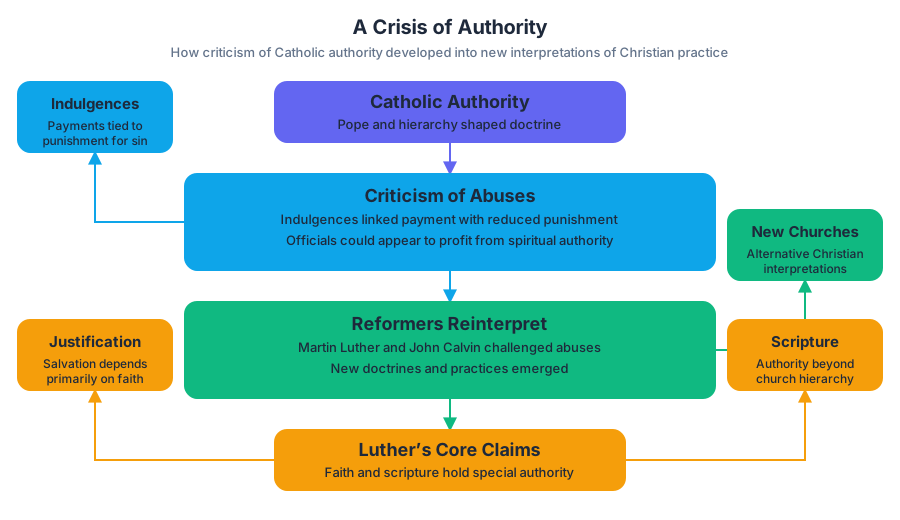
The Protestant Reformation was a movement of religious reform that challenged the authority and practices of the Roman Catholic Church. Reformers did not begin with a single plan to create separate churches. They responded to specific abuses and disagreements, then developed alternative interpretations of Christian doctrine and practice.
KC-1.2.I.B identifies two connected developments: Reformers Martin Luther and John Calvin criticized Catholic abuses and established new interpretations of Christian doctrine and practice. Criticism focused on practices such as the sale of indulgences—payments connected to the reduction of punishment for sin—and on the broader concern that church officials could appear to profit from spiritual authority.
Luther’s theological argument went deeper than opposition to one practice. He emphasized justification by faith, the belief that salvation depended primarily on faith rather than the accumulation of good works or the purchase of religious benefits. He also gave special authority to scripture and rejected the idea that the pope and church hierarchy alone controlled legitimate Christian interpretation.
From religious criticism to competing institutions
Once Luther’s ideas circulated, the conflict became political. Printing helped reformers disseminate their arguments, while sympathetic rulers could protect reformers from church or imperial punishment. KC-1.1.II.B captures this relationship between technology and belief: Protestant reformers used the printing press to spread their ideas, helping religious reform become widely established.
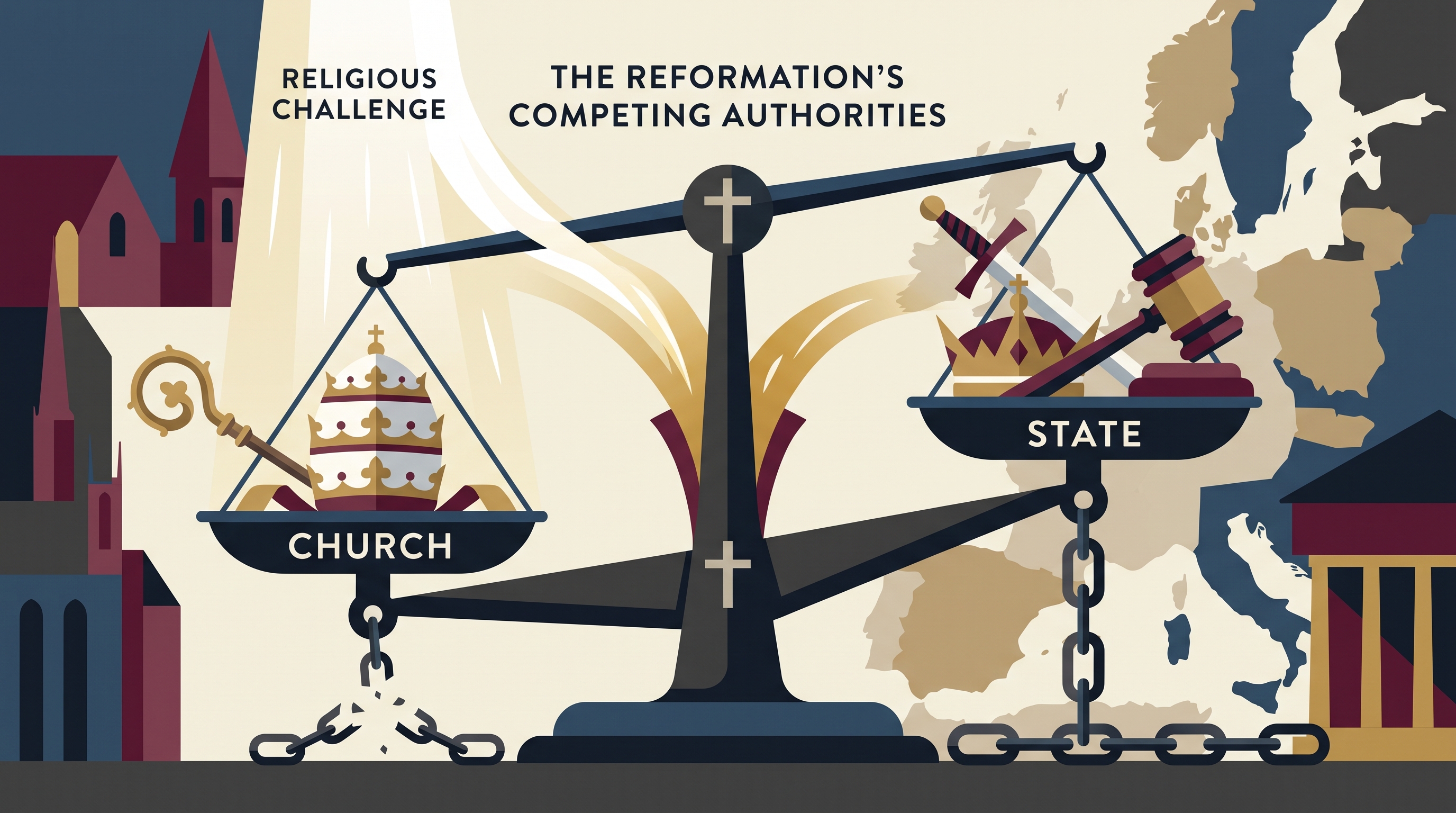
A sovereign state is a political community claiming supreme authority over its territory and population. The Reformation encouraged this development because rulers increasingly treated religion as a matter connected to governance: they appointed church officials, redirected church property, regulated worship, and asserted authority over institutions previously linked to Rome.
Secular systems of law—legal systems administered by political authorities rather than by church courts—became increasingly important in constructing new political institutions. In Protestant territories, rulers could subordinate the church to the secular state, making religious administration part of territorial government. Yet this was not universal: KC-1.2.II.B notes that some Protestants, including Calvin and the Anabaptists, refused to recognize the church’s subordination to the secular state.
Effects across European society
Responses to Luther produced significant political, intellectual, economic, cultural, and social effects. Politically, rulers gained opportunities to strengthen territorial authority. Economically, some governments acquired church lands and wealth. Intellectually, competing interpretations of scripture encouraged debate about traditional authority and the transmission of knowledge.
Social change, however, did not mean equality. Class, religious, and gender hierarchies continued in both rural and urban settings. Protestant reform could alter who controlled religious institutions without eliminating patriarchy, elite privilege, or social dependence. KC-1.2.I.C also notes that some Protestant groups interpreted wealth accumulation as evidence of God’s favor and a reward for hard work, linking religious belief to economic behavior.
Daily life retained older rhythms even amid doctrinal conflict. Leisure activities and community practices remained organized around the religious calendar, including Sundays and major festivals. Reformers sometimes reduced or criticized particular celebrations, but religion continued to structure work, rest, public ceremony, and communal identity.
Worked example: tracing causation
Suppose a territorial prince in the Holy Roman Empire protects Luther, permits Protestant preaching, and takes control of local church property. The causal chain is:
- Criticism: Luther attacks Catholic abuses and challenges church authority.
- Transmission: Printed pamphlets make the argument accessible to a wider audience.
- Political protection: The prince sees an opportunity to resist external church authority.
- Institutional change: Secular officials supervise worship, clergy, and church finances.
- Broader effect: Territorial sovereignty strengthens, while religious divisions reshape social and cultural life.
This example demonstrates Skill 6.A — Explain the causes and effects of historical developments and processes. It also uses Skill 4.A — Identify and describe a historical context, because Luther’s challenge makes greater sense within a Europe where printing, criticism of authority, and state-building were already transforming political life.
Misconception check
Misconception: “The Protestant Reformation immediately made Europe more religiously tolerant.” In practice, it created competing confessions and often intensified pressure for conformity. A ruler might replace Catholic authority with Protestant authority rather than permit complete freedom of belief.
Retrieval check: Explain why the Reformation strengthened some states even though it began as a religious challenge. In your answer, connect one criticism of Catholic abuses to one institutional change involving secular law or political authority. A strong response should identify the mechanism—not merely state that “religion affected politics.”
2.3 Protestant Reform Continues · 2.4 Wars of Religion
Key concepts: Protestant Reformation · religious reform and political power · religious wars · Protestant persecution · religious toleration · cuius regio, eius religio · absolutism in France · Edict of Nantes · Peace of Westphalia · decline of universal Christendom
Religious reform became politically explosive when rulers, nobles, and communities treated confessional identity as a question of sovereignty: who controls the church may also control the state.
2.3 Protestant Reform Continues · 2.4 Wars of Religion
Religious reform became politically explosive when rulers, nobles, and communities treated confessional identity as a question of sovereignty: who controls the church may also control the state. Between the Protestant Reformation and the Peace of Westphalia in 1648, disagreements over worship repeatedly became struggles over taxation, political authority, military alliances, and social order.
Investigative question: When did religious disagreement become a reason to fight—and when did the destruction caused by fighting make toleration seem necessary?
From reform to political power
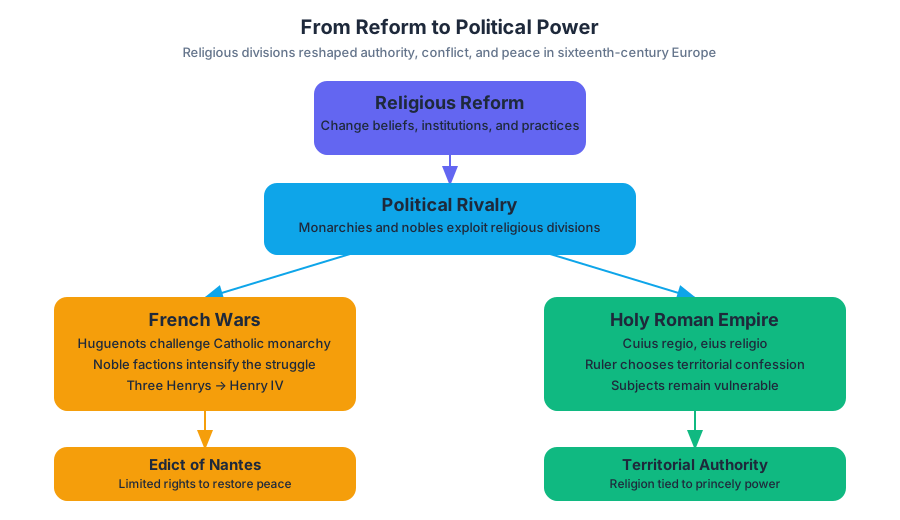
Religious reform means efforts to change religious beliefs, institutions, or practices. In sixteenth-century Europe, these efforts did not remain inside churches. Protestant and Catholic conflicts intensified rivalries between monarchies and nobilities, while states sometimes exploited religious divisions to pursue political and economic interests. This directly addresses Learning Objective 2.C: “Explain how matters of religion influenced and were influenced by political factors from 1450 to 1648.”
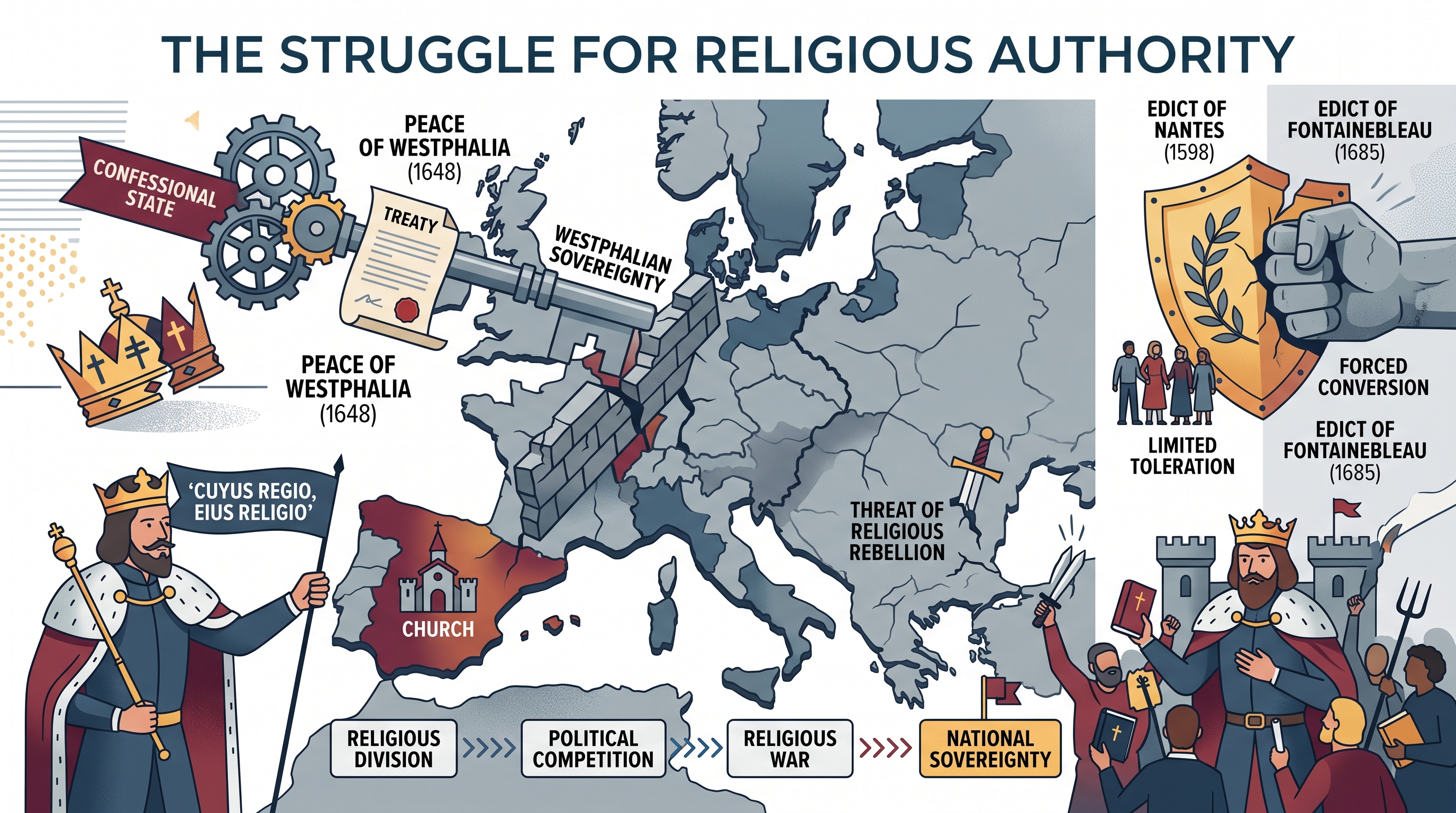
The French Wars of Religion illustrate the interaction. French Calvinists, known as Huguenots, challenged a Catholic monarchy whose authority was also contested by powerful noble families. Catherine de’ Medici attempted to manage the conflict, but violence—including the St. Bartholomew’s Day massacre—deepened distrust. The War of the Three Henrys eventually ended with the Huguenot Henry IV becoming king. His Edict of Nantes allowed limited religious pluralism: France remained officially Catholic, but Huguenots received protected rights in specified places. Toleration was therefore not simply philosophical generosity; it was a political strategy for restoring domestic peace.
In the Holy Roman Empire, the principle cuius regio, eius religio—“whose realm, his religion”—allowed a ruler to determine the official confession of that territory. The formula recognized Lutheranism alongside Catholicism and transferred important religious authority from universal institutions to territorial rulers. It reduced some conflicts, but it also made ordinary subjects vulnerable to the religious decisions of their prince.
Why wars spread beyond theology
Conflicts between Protestants and Catholics produced religious wars in England, France, and the Holy Roman Empire, but religion rarely acted alone. Dynastic rivalry, noble independence, commercial interests, and competition among states shaped alliances. Habsburg rulers such as Charles V tried unsuccessfully to restore Catholic unity while also confronting the expanding Ottoman Empire; Catholic Spain and Protestant England likewise used confessional conflict to advance strategic interests.
The Thirty Years’ War began within the Holy Roman Empire as a conflict involving religion and imperial authority, then widened as France, Sweden, Denmark, and other powers intervened. Catholic France, for example, could oppose the Habsburgs despite its own Catholic identity because weakening Habsburg power served French state interests. This is a crucial causal distinction: religious language organized loyalties, but state survival and geopolitical advantage often determined policy.
Absolutism and the reversal of toleration
Absolutism was a system in which a monarch sought to centralize decision-making, weaken competing institutions, and make royal authority more direct and uniform. Under Louis XIV, French absolutism linked political obedience to religious conformity. A single Catholic faith supported the king’s image as the supreme guardian of order, while independent Huguenot institutions could appear to offer alternative loyalties and local networks of authority.
Louis XIV therefore reversed the practical toleration associated with the Edict of Nantes. His government persecuted French Protestants, pressured them into forced conversion to Catholicism, and ultimately revoked the edict in 1685. The policy demonstrates how religious uniformity could serve absolutist state-building: the monarchy attempted to eliminate institutions that stood between the king and his subjects. Yet persecution also drove many Huguenots into exile, damaging France’s economy and revealing the costs of enforced unity.
Misconception check: The Edict of Nantes did not create modern religious equality, and Louis XIV did not merely “change his mind” about tolerance. Both policies served state power in different circumstances: Henry IV used pluralism to end civil war, while Louis XIV pursued uniformity to strengthen centralized authority.
Westphalia and the decline of universal Christendom
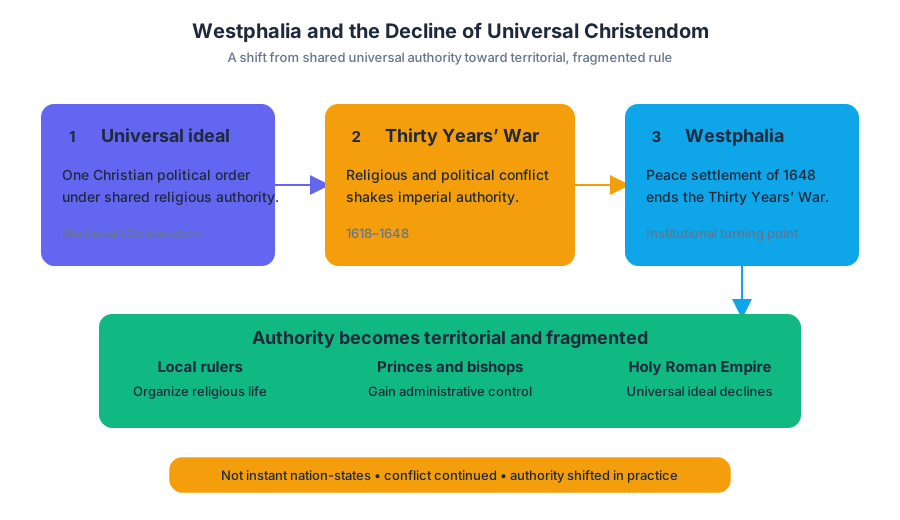
The Peace of Westphalia in 1648 ended the Thirty Years’ War and marked the effective end of the medieval ideal of universal Christendom—the belief that Europe should form one broadly unified Christian political order under shared religious authority. It accelerated the decline of the Holy Roman Empire by granting princes, bishops, and other local leaders greater control over religion and political administration.
Westphalia did not instantly create fully sovereign modern nation-states, nor did it end all religious conflict. Its importance was institutional: authority became more territorial and fragmented. The settlement confirmed that local rulers, rather than a single universal Christian authority, would play the decisive role in organizing religious life.
From persecution to toleration
The horrors of religious war encouraged thinkers and rulers to consider religious toleration, meaning the legal or political acceptance of religious minorities. Toleration emerged less because conflict disappeared than because repeated violence made compulsory uniformity appear dangerous. The printing press intensified this process by spreading reform arguments, polemics, translated scripture, and reports of persecution across Europe.
A period cartoon showing French Protestants being pressured into Catholicism would most likely aim to expose or criticize persecution by the Catholic government. Its purpose can be inferred from the contrast between forced conversion and the earlier policy of pluralism: the image presents religious uniformity not as peaceful consensus but as coercion.
Skills in action
This topic most directly develops Skill 1.A: Identify and explain patterns of continuity and change over time, by tracing movement from confessional conflict to territorial religious authority and limited toleration; Skill 2.A: Analyze the point of view, purpose, audience, and historical situation of a source, especially a persecution cartoon; Skill 5.A: Identify and explain patterns of historical continuity and change, when comparing the Edict of Nantes with Louis XIV’s revocation; and Skill 6.A: Identify and explain the causes and effects of historical developments, when connecting reform, state competition, warfare, and Westphalia.
Retrieval check: Explain one way religious reform strengthened political rulers and one way it threatened them. Then distinguish the political purpose of the Edict of Nantes from the political purpose of Louis XIV’s forced-conversion policy. Finally, complete the causal chain: religious division → political competition → religious war → __________.
2.5 The Catholic Reformation · 2.6 16th-Century Society and Politics
Key concepts: Catholic Reformation · Religious division within Christianity · Northern Renaissance · Printing · 16th-century society and politics · Women’s education and social roles · State control of religious institutions · Social dislocation and challenges to state authority · Secular and cultural systems of law · Historical source analysis: point of view, purpose, audience, and situation
By the mid-16th century, Christianity in Europe was no longer a single institutional world: Catholic renewal strengthened the Roman Church even as Protestant reform made religious unity impossible.
2.5 The Catholic Reformation · 2.6 16th-Century Society and Politics
By the mid-16th century, Christianity in Europe was no longer a single institutional world: Catholic renewal strengthened the Roman Church even as Protestant reform made religious unity impossible. The same period also transformed everyday life, because households, city governments, monarchies, and religious institutions all competed to regulate work, morality, education, and authority.
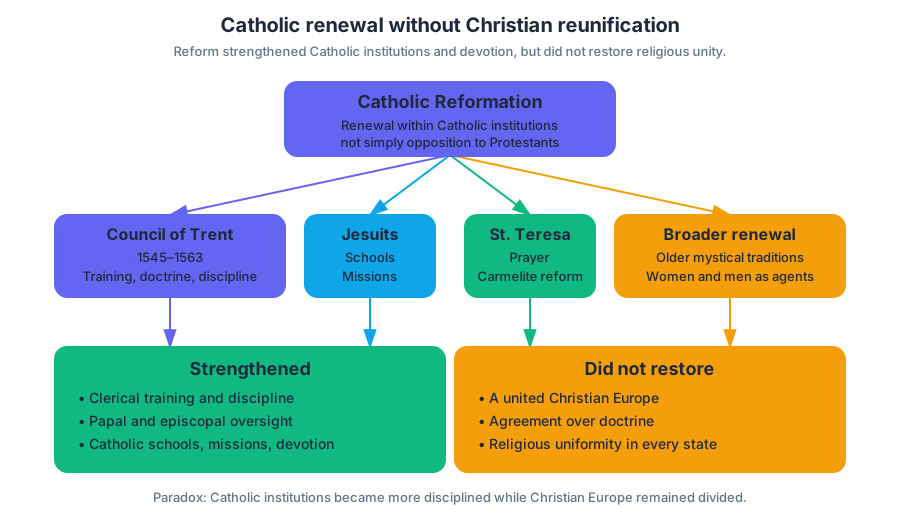
Catholic Reformation: the Catholic Church’s internal program of spiritual, institutional, and disciplinary renewal in response to both long-standing problems and Protestant challenges.
Catholic renewal without Christian reunification
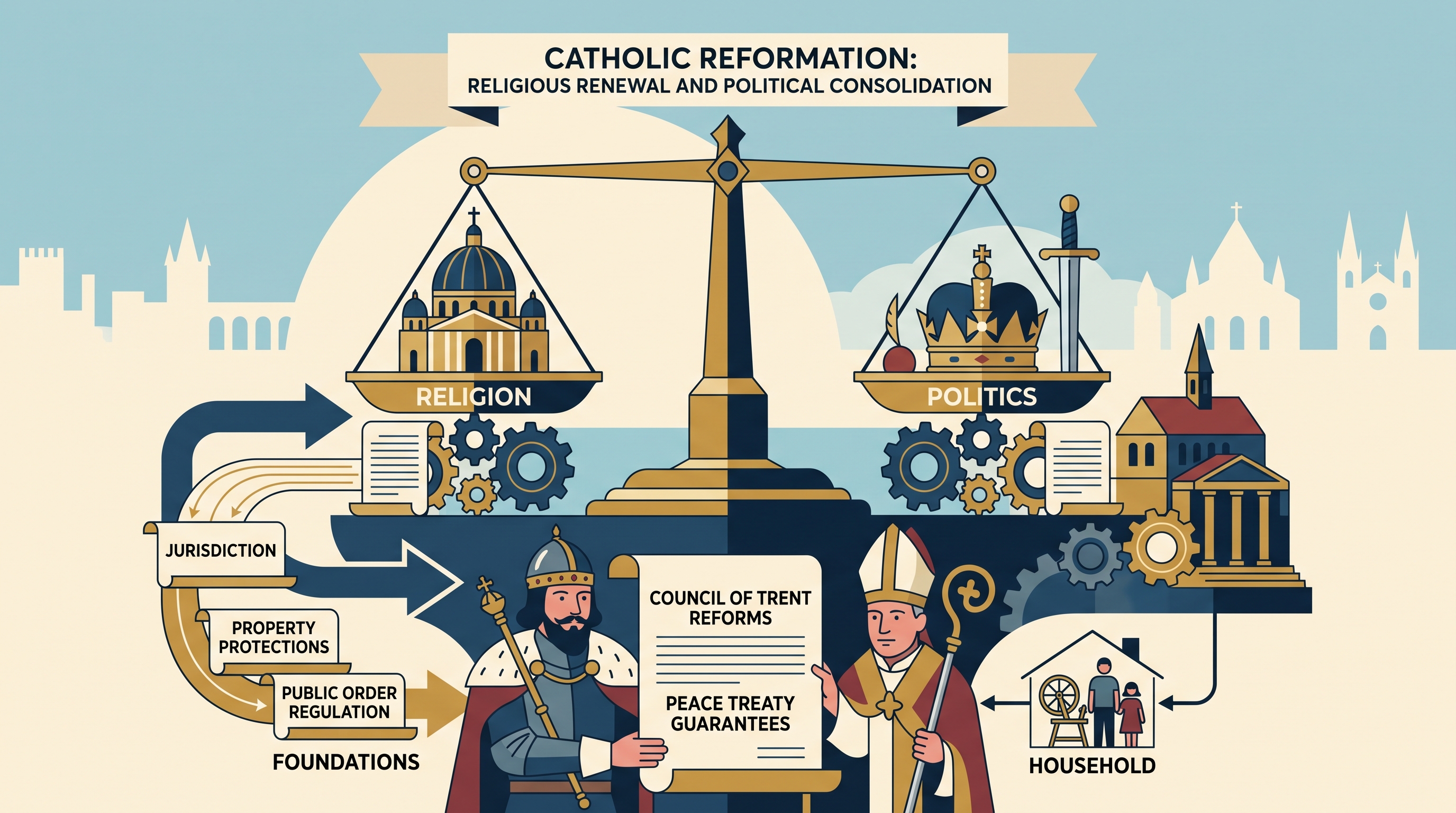
The Catholic Reformation did not simply mean “Catholics fighting Protestants.” It also involved Catholic efforts to correct clerical abuses, improve education, strengthen discipline, and renew personal religious devotion. The Council of Trent, meeting intermittently from 1545 to 1563, reaffirmed Catholic teachings while requiring better training for priests and greater oversight of clerical behavior. New and reformed religious orders, especially the Jesuits, expanded Catholic education, missionary activity, and obedience to the papacy.
St. Teresa of Avila illustrates the movement’s emphasis on disciplined personal spirituality. Her writings and reforms of Carmelite convents promoted intense prayer, self-examination, and a simpler religious life. Her influence shows that Catholic renewal was not only a bureaucratic response to Protestantism; it also drew energy from women and men seeking a deeper spiritual experience within Catholic institutions.
The result was a historical paradox:
| Catholic Reformation strengthened | Catholic Reformation did not restore |
|---|---|
| Clerical training and discipline | A united Christian Europe |
| Papal and episcopal oversight | Agreement over doctrine |
| Catholic schools and missions | Religious uniformity in every state |
| Personal devotion and mysticism | The political independence of religion from rulers |
Named misconception check — “The Catholic Reformation was only a reaction.” Protestant criticism exposed serious weaknesses, but Catholic reform also continued older traditions of mystical devotion, religious discipline, and institutional renewal. Its effects were therefore both defensive and constructive: it revitalized Catholicism while cementing religious division within Christianity.
For Learning Objective 2.B, explain both causes and effects rather than listing reforms. A strong causal chain is: criticism of corruption and Protestant competition encouraged Catholic institutional reform; reform improved discipline and expanded Catholic influence; strengthened confessional identities then made European religious division more durable.
Households, women, and social organization
In 16th-century Europe, the household was usually an economic unit rather than merely a private family space. Rural households combined agricultural labor, animal care, food processing, and textile production; urban households often joined residence, workshop, retail activity, and apprenticeships. Men and women performed separate but complementary tasks, although the division varied by occupation, region, wealth, and marital status.
KC-1.4.IV.A: Households in both rural and urban settings functioned as economic units with men and women performing separate but complementary tasks.
The Renaissance and Reformation also sparked arguments about women’s education and women’s roles in the family, church, and society. Humanist writers debated whether education would make women better wives and mothers, while religious reformers and Catholic institutions debated women’s spiritual responsibilities, convent life, and authority. These debates could expand recognition of women’s intellectual or religious capacities without eliminating legal, political, and economic inequality.
KC-1.4.IV.B: The Renaissance and Reformation sparked debates regarding women's education and their roles in family, church, and society.
Interpretation check: A woman managing a household workshop demonstrates economic participation, but it does not by itself prove social equality. What distinction must an argument make? Economic contribution and social status are related but not identical.
Political authority and public morality
Religious disruption shifted responsibility for social order. As religious institutions lost or contested authority, city governments increasingly regulated public morals: behavior, sexuality, poor relief, festivals, schooling, and acceptable religious practice. Leisure remained communal and tied to the religious calendar and agricultural cycles, but authorities increasingly tried to control how those gatherings occurred.
KC-1.4.III.C: Social disruption and the shifting power of religious institutions during the Reformation led city governments to take on the role of regulating public morals.
At the same time, social dislocation and changing political conditions supplied arguments for challenging state authority. Cultural and secular legal systems helped create new political institutions, even while rulers expanded control over churches and religious practice. Thus, the period produced a double movement: states gained authority over religion and morality, while subjects developed increasingly powerful arguments about legitimate government.
A treaty passage promising protection for “the Catholic religion,” the “Roman Apostolic See,” ecclesiastical authority, jurisdictions, privileges, possessions, and rights is valuable evidence because its language reveals what political settlement was trying to preserve. Under Skill 2.A: Identify a source’s point of view, purpose, historical situation, and/or audience, ask:
- Situation: Was the passage written after prolonged religious conflict?
- Purpose: Was it designed to reassure Catholic institutions and make peace enforceable?
- Audience: Would rulers, church officials, and subjects interpret these guarantees differently?
- Argument: How does the detailed protection of jurisdiction and property show that religion was also a political and legal question?
Under Skill 5.A: Identify patterns among or connections between historical developments, connect the household and the state: both organized daily life, assigned roles, and regulated conduct. The major pattern is not the disappearance of older structures, but their adaptation—Catholic institutions renewed themselves, households remained economically interdependent, and governments assumed greater responsibility for public order.
Retrieval check: Why did the Catholic Reformation strengthen Catholicism while deepening division? Name one institutional reform, one spiritual example, and one political consequence. A complete answer should connect Catholic renewal to the Council of Trent or Jesuits, St. Teresa of Avila, and the growing authority of states and city governments.
2.7 Art of the 16th Century: Mannerism and Baroque Art · 2.8 Causation in the Age of Reformation and the Wars of Religion
Key concepts: Mannerism and Baroque art · Baroque artists and musicians promoting religion or glorifying monarchs · Catholic theology from Augustine through the late Middle Ages · The Reformation and Counter-Reformation/Catholic Reformation · Religious documents and theological arguments · Monarchs’ control of religious institutions · The Peace of Westphalia and religious settlement · Causation in the Wars of Religion · Enlightenment intellectuals, including Voltaire and Diderot · Historical argumentation using claims and evidence
Explain and apply 2.7 Art of the 16th Century: Mannerism and Baroque Art · 2.8 Causation in the Age of Reformation and the Wars of Religion.
2.7 Art of the 16th Century: Mannerism and Baroque Art · 2.8 Causation in the Age of Reformation and the Wars of Religion
Art became a political and religious instrument when Europe’s rulers and churches faced a basic problem: how could institutions make invisible authority feel immediate and convincing? Mannerism answered with deliberate artificiality and tension; Baroque art answered with movement, emotional intensity, and theatrical spectacle. Both styles emerged from the Renaissance world, whose artists and scholars had revived ancient Greek and Roman ideas about proportion, drama, rhetoric, and civic power.
From classical balance to Mannerist tension
Renaissance artists used ancient thought to pursue harmony, realistic proportion, and the ideal human form. Mannerist artists, working especially in the later sixteenth century, kept the learned references but distorted the balance: figures became unusually elongated, poses became difficult or unstable, and crowded compositions created an atmosphere of anxiety. The result was not simply “bad realism.” It was a visual language suited to an age in which religious unity, political order, and confidence in inherited institutions had become uncertain.
Misconception check — “Mannerism means careless painting.” Mannerism was intentional. Its artificial bodies and complicated spaces signaled sophistication, emotional strain, and departure from the calm classicism associated with the High Renaissance.
Baroque: persuasion through spectacle
Baroque art used dramatic lighting, diagonal movement, intense facial expression, and carefully staged scenes to involve the viewer emotionally. Churches could use such art to make Catholic belief vivid, while monarchs could use palaces, portraits, architecture, and ceremony to make royal authority appear natural, magnificent, and almost sacred.
Artemisia Gentileschi’s paintings, including her repeated treatment of Judith defeating Holofernes, combine biblical subject matter with physical force and emotional immediacy. Gian Lorenzo Bernini transformed Roman Catholic spaces through sculpture and architecture; the Ecstasy of Saint Teresa presents religious experience as overwhelming drama, while the design of Saint Peter’s Square directs crowds toward the papal center. Peter Paul Rubens similarly joined Catholic themes, dynastic magnificence, and diplomatic symbolism in large, energetic compositions. Their works show that religious art was not merely decoration: it shaped how viewers imagined faith, suffering, triumph, and authority.
Music served the same purposes. Claudio Monteverdi’s sacred compositions used contrasting voices, expressive harmonies, and dramatic textures to intensify worship and communicate religious feeling. Jean-Baptiste Lully composed court music and ballets for Louis XIV, turning performance into an audible display of royal order: the king appeared as the center around which coordinated bodies, rhythms, and ceremonies revolved. George Frideric Handel supplied both royal and religious spectacle; his Water Music celebrated the Hanoverian monarchy, while Messiah used biblical text and choral grandeur to promote Christian devotion. In each case, sound converted institutional power into an experience shared by an audience.
Why religious arguments became political conflicts
To understand why these artistic messages mattered, place them beside the longer history of Catholic theology. From Augustine through the late Middle Ages, Christian thinkers debated human sinfulness, salvation, grace, the authority of the church, and the relationship between spiritual and earthly power. Those accumulated arguments shaped later disputes: Reformation and Counter-Reformation documents did not invent every issue, but they gave older theological questions new urgency in a world transformed by printing, state building, and competing confessions.
A useful evidence method is to compare documents by claim, not merely by topic. One document might argue that religious authority rests primarily in scripture; another might defend church tradition and institutional authority; a third might address reform through discipline, education, or clerical renewal. The historian then asks: What does each document claim? What evidence or reasoning does it use? What audience and crisis shaped its argument?
Monarchs and control over religion
Religious conflict became especially dangerous when monarchs attempted to control religious institutions. The Huguenots in France, Puritans in England, and nobles in Poland illustrate different struggles over whether rulers, local elites, or religious communities would determine belief and church governance. These conflicts were never purely theological: control of appointments, taxation, courts, education, and public worship affected the strength of government institutions and the social order.
The Peace of Westphalia in $1648$ marked the end of the major phase of European religious wars and addressed the political problem of authority over religion. It did not create complete religious freedom or erase confessional divisions. Instead, it helped establish settlements in which territorial rulers gained recognized power to regulate religion within their lands, while diplomacy increasingly treated states as political actors whose agreements could restrain warfare.
2.8 Causation: from belief to war
Causation asks how and why a development occurred, distinguishing long-term conditions from immediate triggers and showing how institutions mediated the result. The wars of religion arose from interacting causes: theological disagreements, rulers’ attempts to strengthen authority, noble and urban resistance, competition among states, and social fears about disorder. Faith supplied genuine convictions, but political and institutional conditions determined how those convictions became rebellion, repression, or international war.
Worked example: A claim that “religious disagreement alone caused the wars of religion” is too narrow. Stronger reasoning argues that religious disputes provided the language and motivation for conflict, while monarchs’ efforts to control churches and nobles’ resistance converted doctrine into political struggle; rivalry among European states then prolonged and internationalized the wars. The Peace of Westphalia supports this causal explanation because its settlement addressed not only belief but also jurisdiction and state authority.
Later Enlightenment criticism redirected these questions. Voltaire attacked religious intolerance, while Denis Diderot and other thinkers associated with the Encyclopédie used organized knowledge to challenge inherited authority and encourage critical inquiry. Their arguments did not erase religion, but they reflected a continuing European debate over whether faith, institutions, monarchs, or reason should govern public life.
Retrieval check: Match each evidence item to the claim it best supports: Bernini’s Ecstasy of Saint Teresa; Lully’s court music for Louis XIV; the Peace of Westphalia; the Huguenot conflict in France. Then explain in one sentence why each item supports its claim. A complete answer must connect evidence to religious persuasion, monarchical glorification, state control, or the interaction of theology and political power—not merely identify the example.

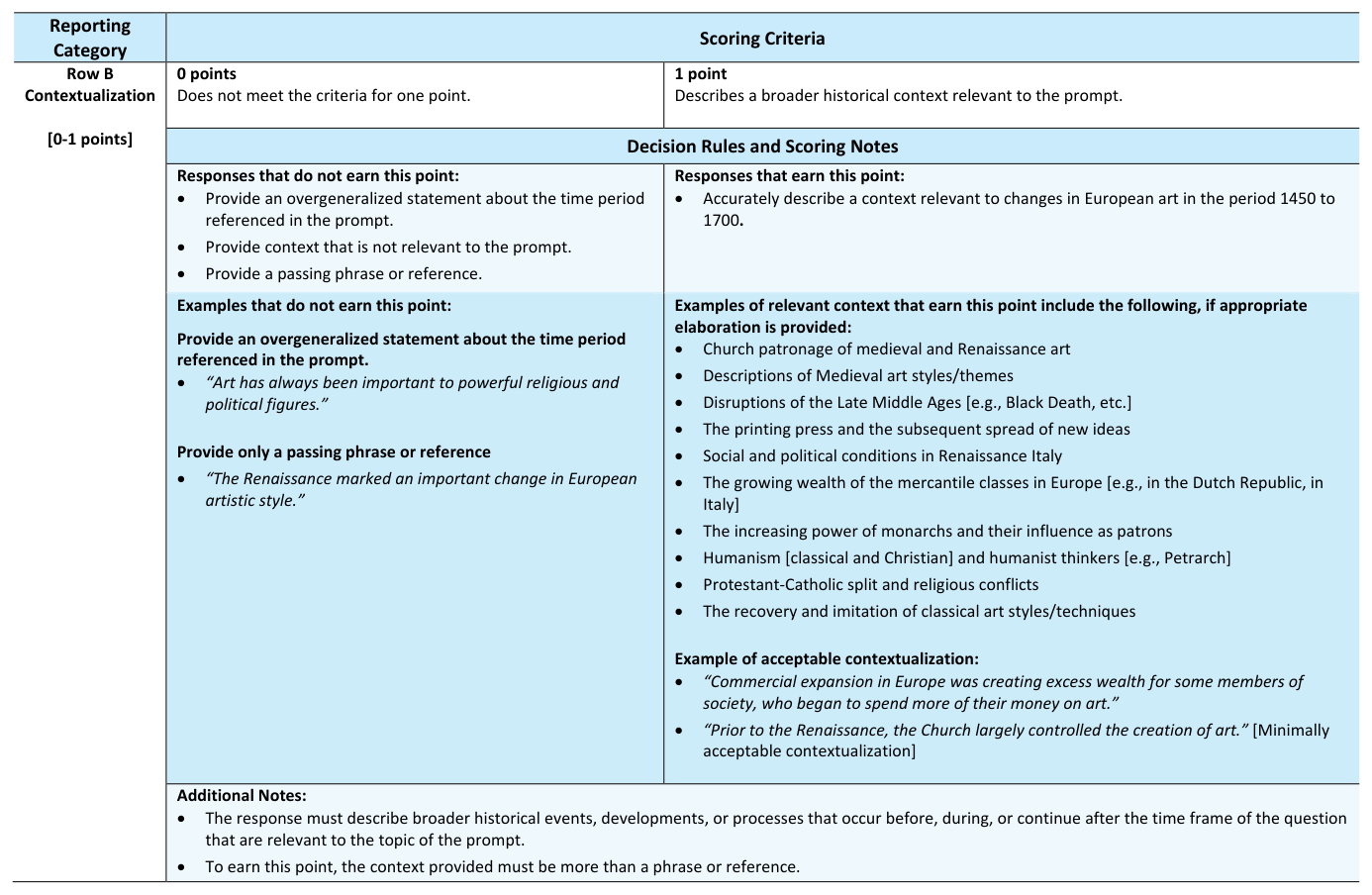
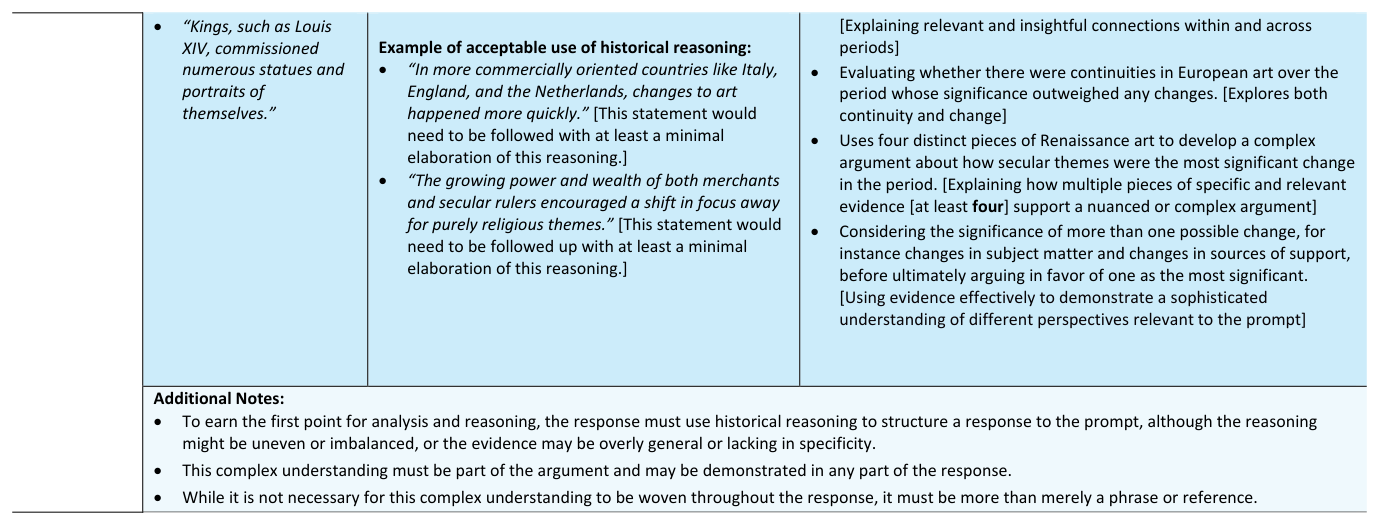
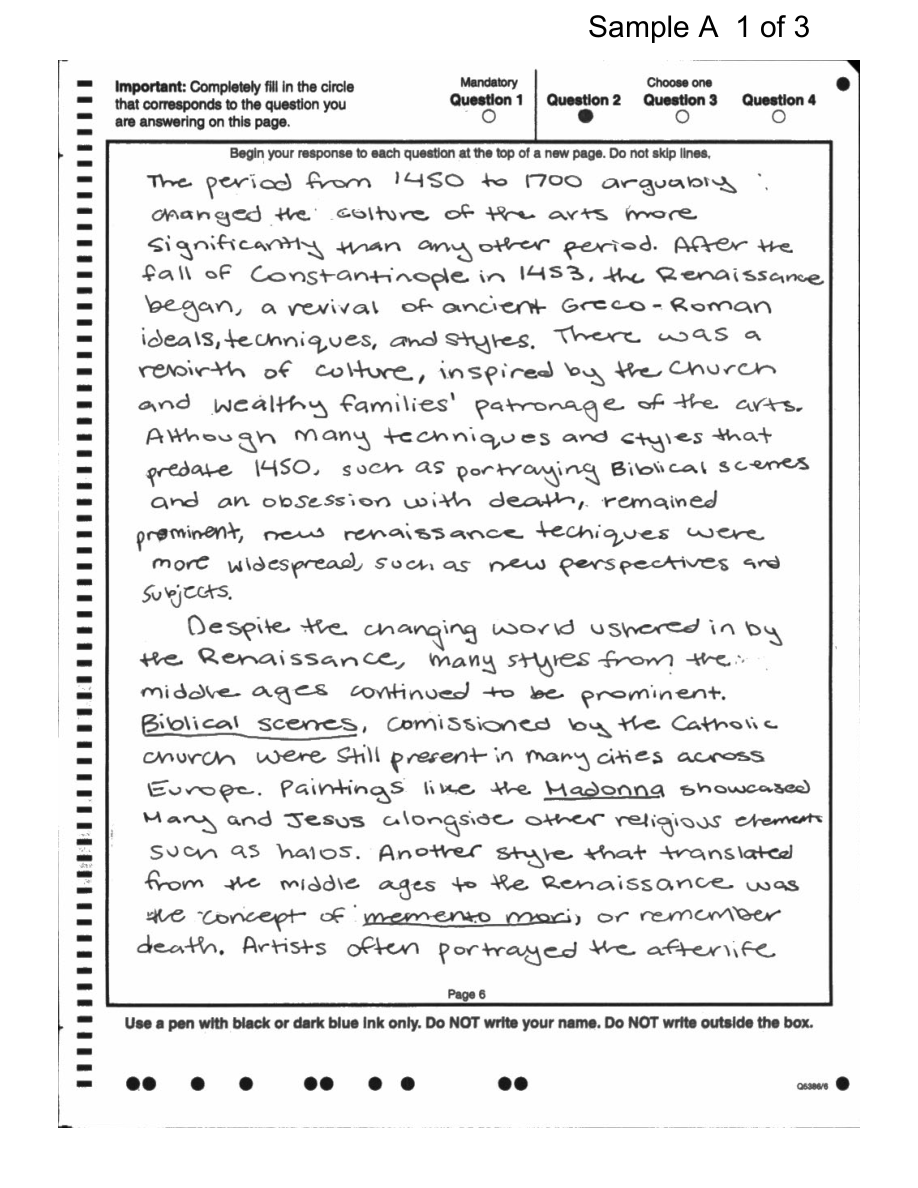
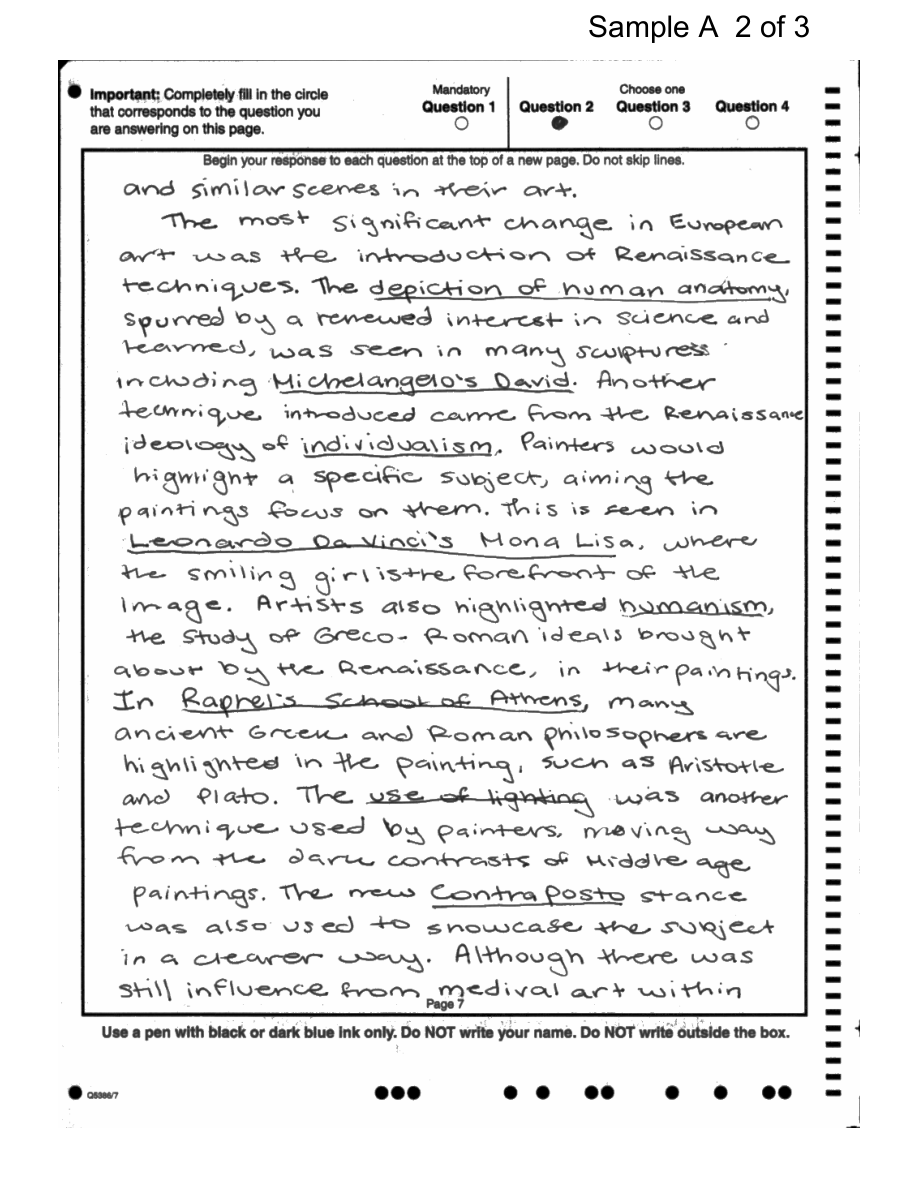
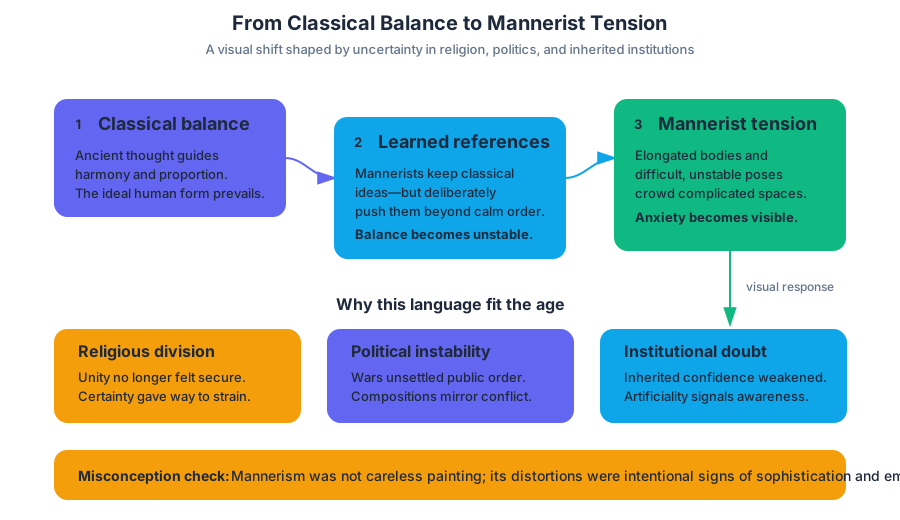
3.1 Contextualizing State Building · 3.2 The English Civil War and the Glorious Revolution
Key concepts: State building and political centralization · Monarchical control · Absolutism and constitutionalism · Sovereignty within and among states · Competition for political power · Religious conflicts and state exploitation · The English Civil War · The roles of monarchy, Parliament, and elites · Administrative expansion of state power · The Glorious Revolution
European state building after 1450 was a contest over one fundamental question: who had the right to make laws, collect taxes, command armies, and define the political order?
3.1 Contextualizing State Building · 3.2 The English Civil War and the Glorious Revolution
European state building after 1450 was a contest over one fundamental question: who had the right to make laws, collect taxes, command armies, and define the political order? Monarchs sought to centralize authority, while nobles, representative bodies, religious groups, and local elites defended older privileges.
State building is the development of governmental and civil institutions that organize society and consolidate political power.
The key distinction is between political centralization—power increasingly concentrated in a national government—and constitutionalism—the principle that rulers must govern through established laws and institutions. European states did not all move toward the same endpoint: the struggle for sovereignty within and among states produced varying degrees of centralization.
3.1 Contextualizing State Building
From 1450 onward, states and nations developed institutions to make authority more durable. Monarchs expanded bureaucracies, courts, taxation systems, and military structures; at the same time, representative bodies and privileged groups negotiated, resisted, or limited royal power.
| Political problem | State-building response | Result |
|---|---|---|
| Armies were controlled by competing nobles | Monarchs consolidated military authority | Stronger central governments |
| Local courts and privileges fragmented law | Royal courts and secular systems of law expanded | More uniform administration |
| Religious and political divisions threatened unity | States managed or exploited religious conflict | Greater control, but often deeper conflict |
| Elites resisted taxation or royal commands | Monarchs bargained with or confronted representative bodies | Different forms of absolutism or constitutionalism |
Monarchical control means the use of royal institutions to supervise justice, administration, taxation, and political opposition. The Star Chamber is an example: this royal court allowed the English monarchy to pursue influential opponents and enforce royal authority outside ordinary local power structures.
Ferdinand and Isabella demonstrated another route to centralization by consolidating Spain’s control of the military. Charles V likewise exemplified a monarch involved in state building. These rulers did not erase every regional privilege, but they strengthened the monarchy’s ability to coordinate territory, religion, administration, and warfare.
Catholic Spain also shows how a state could exploit religious conflicts. Religious unity could be presented as necessary for political order, allowing the monarchy to portray religious dissent as a threat to the state. This strategy could increase royal legitimacy while narrowing toleration and intensifying social conflict.
Misconception check — “state building always meant absolute monarchy.” It did not. State building describes the growth of political institutions; those institutions could support royal absolutism, parliamentary government, or a negotiated mixture. The important historical question is not simply whether a state became “strong,” but which groups gained authority and which institutions constrained them.
3.2 The English Civil War and the Glorious Revolution
The English Civil War was a conflict among the monarchy, Parliament, and other elites over their respective roles in the political structure. It therefore illustrates competition for political power, not merely a religious quarrel or a simple rebellion against a bad king.
James I defended strong monarchical authority; Charles I continued the struggle over royal prerogative, taxation, and Parliament’s role; Oliver Cromwell emerged as a competing center of power during and after the conflict. Their rivalry shows that sovereignty was contested not only between states, but also within a state.
Worked causal chain
Royal claims to authority → conflict with Parliament and other elites over taxation and political roles → English Civil War → temporary challenge to monarchy under Cromwell → Glorious Revolution and stronger parliamentary assertions → protection of gentry and aristocratic rights from absolutism.
The intended consequence of the conflict was to redefine political authority by limiting unchecked monarchy. An unintended consequence was that removing or overpowering one monarch did not automatically create stable constitutional government: the struggle itself revealed how difficult it was to balance military power, royal authority, Parliament, and elite privilege.
The outcome of the English Civil War and the Glorious Revolution protected the rights of the gentry and aristocracy from absolutism through assertions of the rights of Parliament. Constitutionalism, in this context, did not mean universal democracy; it meant that political authority increasingly operated through recognized laws and representative institutions, especially Parliament.
Skill connection — 4.A, Contextualization: Identify and describe a historical context for a specific historical development or process. To contextualize the English Civil War, connect it to the broader post-1450 struggle to build centralized states. Monarchs were expanding administration and military capacity, while corporate groups and elites defended inherited rights and political influence.
Skill connection — 1.B, Developments and Processes: Explain a historical concept, development, or process. A strong explanation identifies the participants, the institutional dispute, and the consequence: James I and Charles I represented competing visions of monarchical power; Parliament and other elites resisted unchecked authority; the resulting conflict strengthened parliamentary claims and limited absolutist possibilities.
Misconception check — “Parliament defeated the monarchy permanently.” The English settlement did not abolish monarchy forever. Instead, the Civil War and Glorious Revolution altered the balance of power by protecting parliamentary rights and limiting absolutism. England therefore followed a constitutional path distinct from the more absolutist model associated with Louis XIV.
Louis XIV and his finance minister, Jean-Baptiste Colbert, extended the administrative power of the French state, demonstrating the contrasting absolutist approach. France strengthened centralized royal administration, while England’s political crisis produced a more constrained monarchy. Both cases involved state building; they differed in how sovereignty was distributed.
Retrieval check: In two sentences, explain why the English Civil War exemplifies both state building and competition for power. Then identify one difference between the English constitutional outcome and the French absolutist approach under Louis XIV and Colbert.
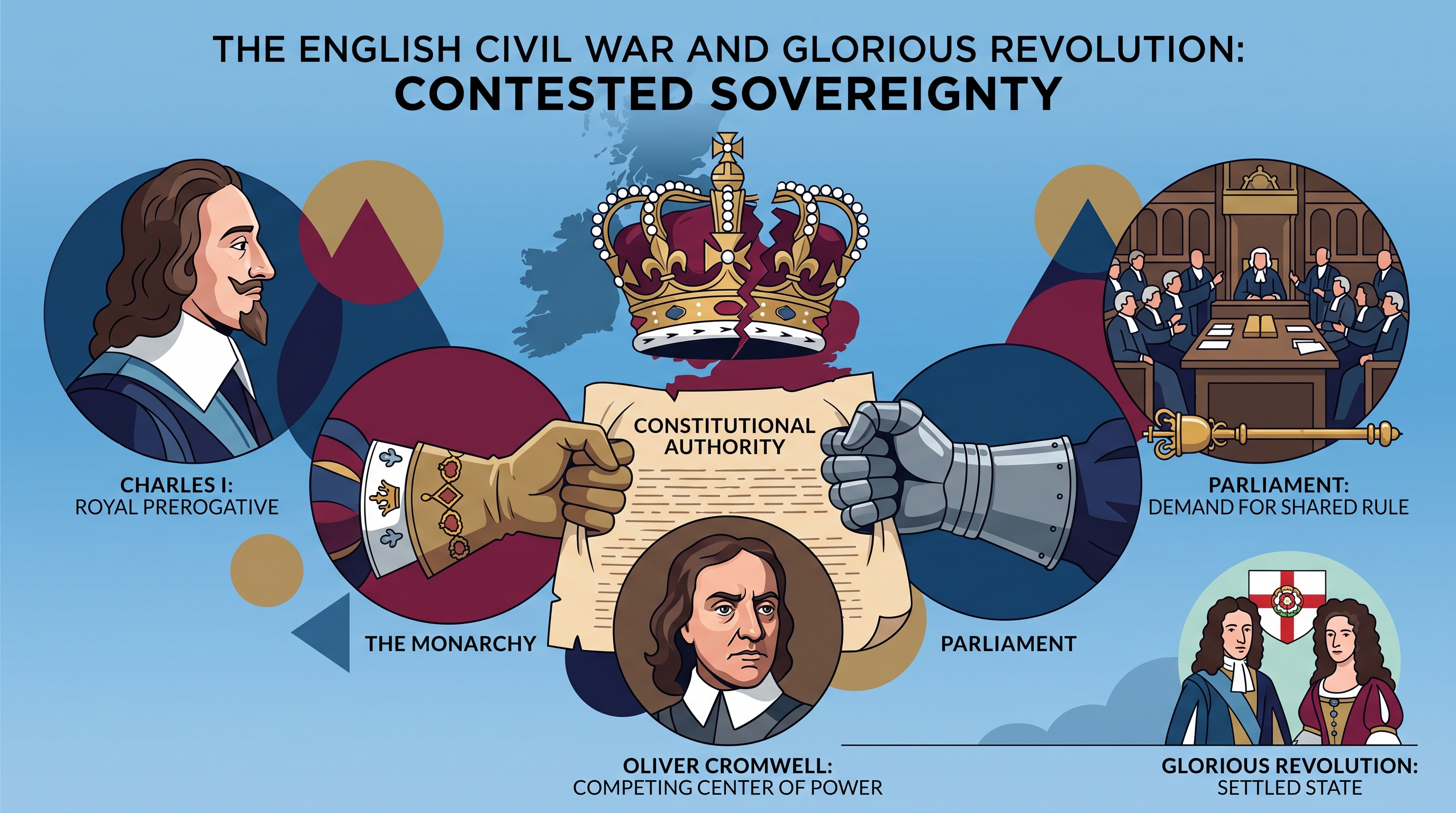

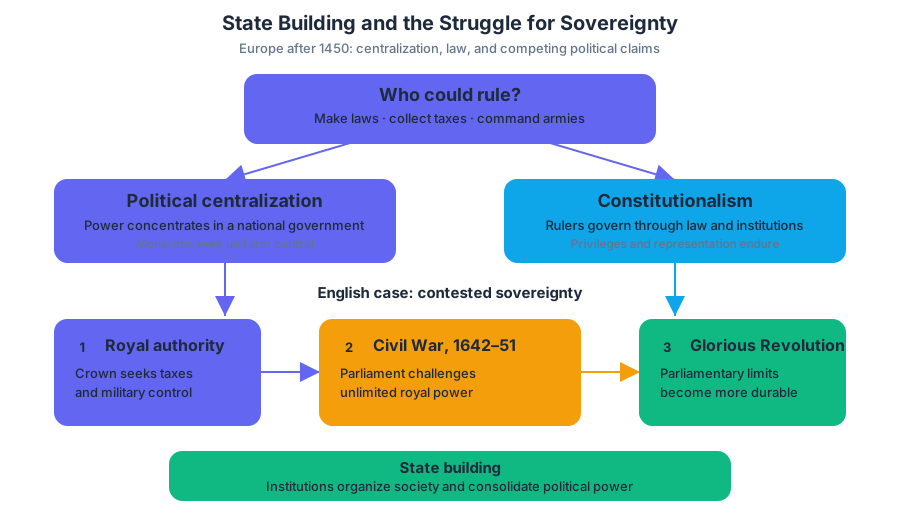
3.3 Continuities and Changes to Economic Practice and Development · 3.4 Economic Development and Mercantilism
Key concepts: Capitalism · Market economy · Putting-out system (cottage industry) · Financial practices and institutions · Agricultural exchange between the Americas and Europe · Mercantilism · Absolutism · Enlightenment political and economic theories · Economic development and social change · Continuities and changes in commercial and economic development
Between $1648$ and $1815$, European economies did not simply replace an old system with a new one. Traditional agriculture, state regulation, and social hierarchies continued, while expanding markets, private investment, global trade, and new labor arrangements gradually transformed how Europeans produced,…
3.3 Continuities and Changes to Economic Practice and Development · 3.4 Economic Development and Mercantilism
Between $1648$ and $1815$, European economies did not simply replace an old system with a new one. Traditional agriculture, state regulation, and social hierarchies continued, while expanding markets, private investment, global trade, and new labor arrangements gradually transformed how Europeans produced, exchanged, and consumed goods. The central tension was this: how could economic activity become more flexible and international while governments still tried to control it?
Unit 3: Learning Objective C: Explain the continuities and changes in commercial and economic developments from $1648$ to $1815$.
From regulated exchange to a market economy
A market economy is an economic system in which prices, production, and exchange are increasingly shaped by supply, demand, and private transactions rather than exclusively by customary obligations or direct government commands. Early modern Europe developed a market economy that provided the foundation for its global role (KC-2.2.I).
This development did not mean that governments disappeared from economic life. Instead, labor and commodity trade were increasingly freed from traditional restrictions imposed by governments and corporate entities (KC-2.2.I.A). Guild rules, local privileges, and state monopolies remained important, but merchants and producers gained more opportunities to pursue profit across regions and borders.
Capitalism and new financial institutions
Capitalism is an economic system in which individuals or private organizations invest capital—money, property, or other resources—in production and trade with the goal of earning profit. Its expansion influenced European society far beyond commerce: it affected social relationships, political power, cultural values, and imperial competition.
The growth of the market economy created risks that older local arrangements could not easily manage. Merchants therefore developed new financial practices and institutions, including insurance (KC-2.2.I.D). Insurance allowed investors and traders to distribute risk: if a ship carrying valuable cargo sank, the loss did not necessarily destroy one merchant’s entire fortune. Credit, banking, investment partnerships, and expanding commercial networks similarly made larger and more distant transactions possible.
Worked example—why insurance mattered: A merchant finances a voyage carrying textiles and spices across the Atlantic. The voyage promises substantial profit but faces storms, piracy, and war. By purchasing insurance, the merchant pays a smaller known cost in exchange for protection against catastrophic loss. This encourages more voyages, which expands trade, strengthens port cities, and increases demand for credit and labor.
Key connection: Financial institutions did not merely reflect economic growth; they helped make larger-scale economic growth possible.
The putting-out system
The putting-out system, also called cottage industry, was a form of production in which laborers worked in their homes or small workshops while merchants or workshop owners supplied materials, organized distribution, and sold the finished products. Increasing numbers of people participated in production through this system (KC-2.2.I.C).
A merchant might distribute raw wool to rural families, collect the spun thread or woven cloth, and then sell it in a regional or international market. This arrangement expanded production beyond urban guild workshops and gave merchants greater control over commodities. It also brought wage labor into households, where women and children often contributed alongside men.
The system therefore combined change and continuity. Production changed because it became more commercial, dispersed, and responsive to market demand. Yet continuity remained in the household as a major economic unit, in agriculture as the dominant livelihood for much of Europe, and in social inequality between owners, merchants, and laborers.
The Columbian Exchange and Europe’s food supply
The importation and transplantation of agricultural products from the Americas contributed to an increased food supply in Europe (KC-2.2.II.D). Crops such as potatoes and maize could supplement older grains and, in some regions, support population growth because they produced substantial calories in difficult soils or conditions.
This exchange was not simply a story of European benefit. European colonization, coerced labor, epidemic disease, and the violent restructuring of American societies formed the broader context in which these crops moved. Economic development connected European markets to global systems whose consequences were unequal and often destructive.
Mercantilism and its challengers
Mercantilism was a system of state-directed economic policy that sought to strengthen the power of the state by regulating trade, promoting exports, protecting domestic industries, and securing access to colonial resources and markets. Governments used tariffs, monopolies, navigation laws, and colonial restrictions to make economic activity serve political and military goals.
Mercantilism and capitalism could coexist, but they represented different emphases. Capitalism prioritized private investment and profit; mercantilism prioritized state power and national competition. As market relationships expanded, new political and economic theories challenged absolutism and mercantilism by arguing for fewer restrictions, broader commercial freedom, or a different relationship between government and the economy.
Misconception check—“capitalism replaced mercantilism overnight”: This is inaccurate. European states continued to regulate trade and exploit colonies even as private investors, merchants, and manufacturers gained influence. The period is best understood as an overlap: state control remained powerful while market-oriented practices expanded.
Continuity-and-change reasoning
To identify patterns in commercial and economic development, compare both what changed and what endured (Suggested Skill 5.A: Making Connections). From $1648$ to $1815$, change included expanding markets, financial institutions, commercial agriculture, cottage production, and Atlantic exchange. Continuity included rural dependence, unequal property ownership, government intervention, and the importance of household labor.
The broad effect was cumulative: economic development influenced political power, intellectual debate, social organization, cultural values, and relationships between Europe and the wider world. The economy was not a separate sphere. It helped shape the societies and states that Europeans built.
Retrieval check: A merchant-owned textile network uses rural households, borrowed capital, and insurance while operating under state trade regulations. Identify one change, one continuity, and one reason this example demonstrates both capitalism and mercantilism operating at the same time.
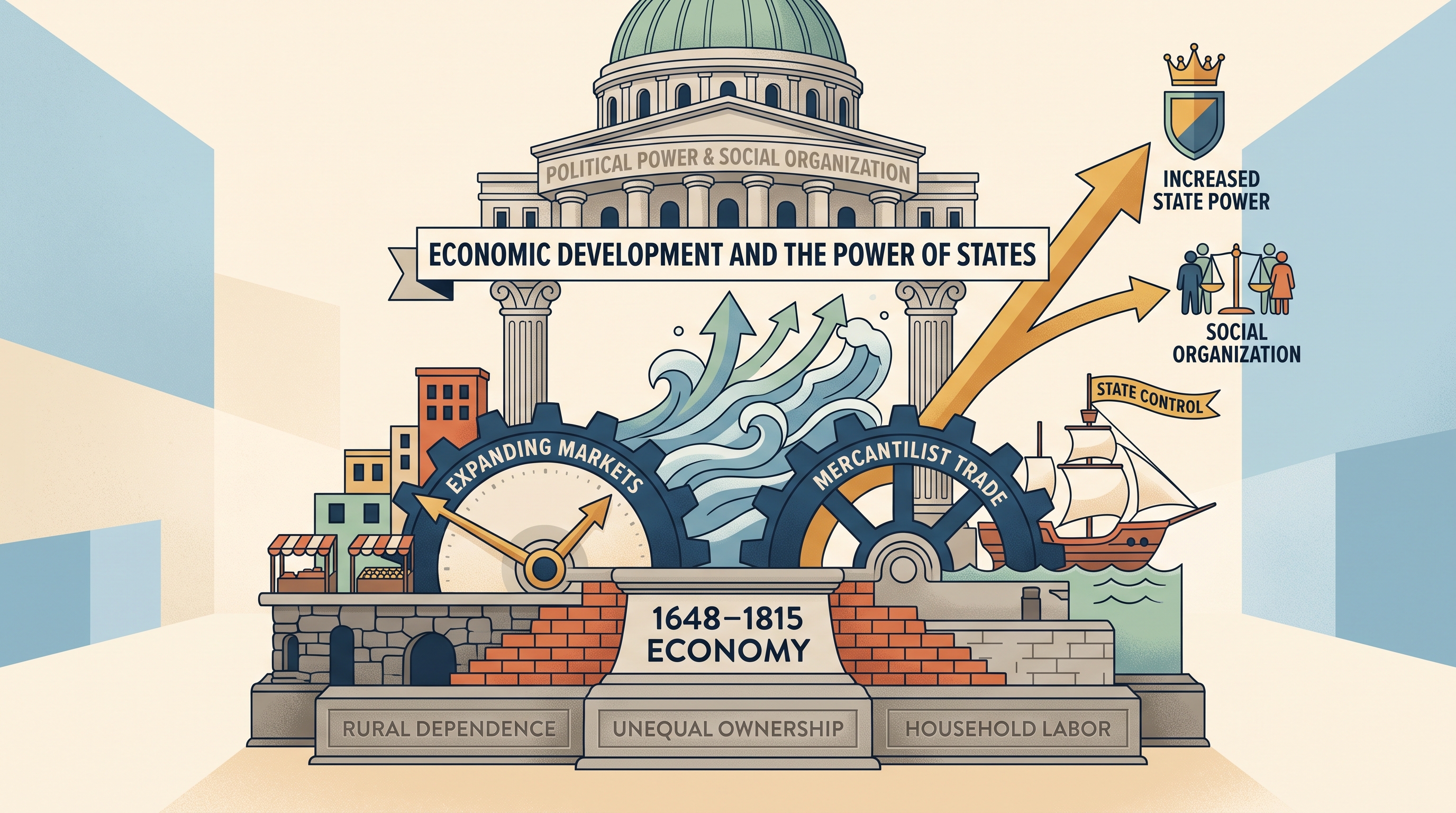
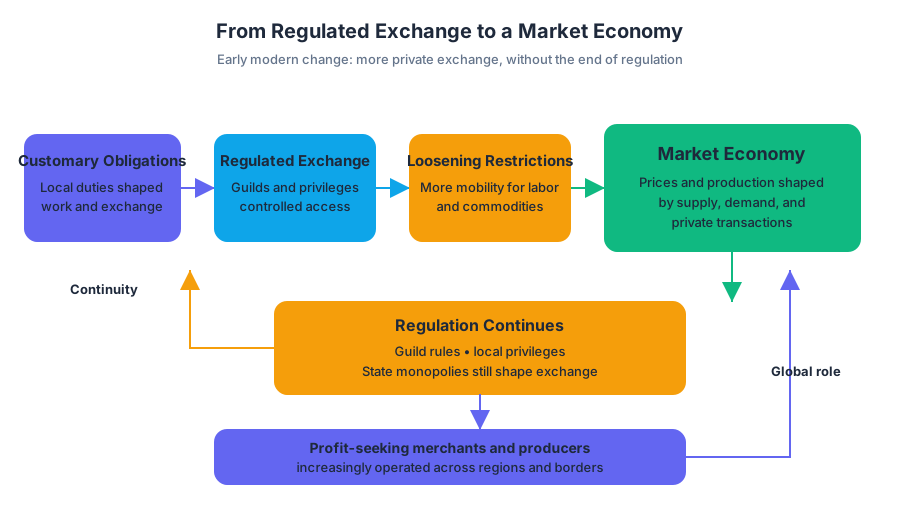
3.5 The Dutch Golden Age · 3.6 Balance of Power
Key concepts: Dutch Golden Age · Dutch East India Company · Balance of power · Competitive state system · Diplomacy and warfare · Military revolution · Nationalism and imperialism · Treaty of Westphalia · Congress of Vienna · European state formation
The Dutch Republic became powerful without becoming Europe’s largest kingdom. Its advantage came from combining maritime commerce, overseas empire, financial expertise, and a political system capable of supporting war.
3.5 The Dutch Golden Age · 3.6 Balance of Power
The Dutch Republic became powerful without becoming Europe’s largest kingdom. Its advantage came from combining maritime commerce, overseas empire, financial expertise, and a political system capable of supporting war. The same competitive state system that produced the Dutch Golden Age also made European politics a permanent contest: no state could safely allow one rival to become overwhelmingly powerful.
Unit 3: Learning Objective E: Explain how European states attempted to establish and maintain a balance of power on the continent throughout the period from 1648 to 1815.
The Dutch Golden Age: commerce becomes power
The Dutch Golden Age refers to the seventeenth-century prosperity and influence of the Dutch Republic. Amsterdam became a major center of shipping, finance, trade, and cultural production. The Dutch East India Company, commonly known as the VOC, is closely associated with this rise: it organized long-distance commerce in Asia, operated armed ships, established trading posts, and used state-backed privileges to compete with rival European powers.
The VOC shows why imperialism mattered to European power politics. Imperialism is the extension of a state’s political, military, or economic control over territories and peoples beyond its homeland. Dutch overseas expansion did not merely enrich merchants; it supplied strategic ports, commercial monopolies, naval experience, and revenue that strengthened the Dutch Republic’s position against European competitors. Colonial rivalry therefore became part of European diplomacy: a conflict over Asian trade or Atlantic possessions could alter the balance of power in Europe itself.
Worked example — from overseas trade to European influence:
Dutch control of profitable maritime routes generated wealth → wealth supported fleets and state institutions → fleets protected commerce and challenged Spain, Portugal, England, and France → Dutch prosperity increased the republic’s diplomatic importance. The chain is not “trade automatically creates power”; it is commercial wealth converted into military and political capacity.
Misconception check: The Dutch Golden Age was not simply a peaceful period of merchant prosperity. Dutch commercial success depended on armed shipping, colonial coercion, and competition with other imperial states.
The competitive state system
KC-1.5.II — The competitive state system led to new patterns of diplomacy and new forms of warfare. After the Peace of Westphalia, religion declined in importance as the main cause of warfare among European states. Dynastic interests, state interests, and expanding colonial empires increasingly shaped decisions about alliances and war.
The balance of power was the principle that no single European state should become strong enough to dominate the continent. States pursued this balance through shifting alliances, diplomatic negotiations, strategic marriages, subsidies, and warfare. A state might cooperate with a former enemy if that partnership helped contain a more dangerous rival.
KC-1.5.II.A connects the Peace of Westphalia to this new diplomatic logic. The settlement included provisions for religious freedom and marked a weakening of the pope’s role in European political affairs. It did not eliminate religion, but it strengthened the idea that European states could negotiate political arrangements without accepting the pope as the supreme authority over international affairs.
The military revolution and the tax state
The military revolution describes the interconnected changes in warfare and state organization that made armies more expensive and more demanding to maintain. Infantry armed with firearms, mobile cannon, and elaborate fortifications changed how battles and sieges were fought. These developments required heavier taxation, larger bureaucracies, improved logistics, and governments capable of mobilizing resources over long periods.
Military technology therefore affected diplomacy as well as battlefields. States able to collect taxes and administer territory could maintain larger forces; states unable to do so risked dependence, defeat, or partition. The weakness of the Polish monarchy illustrates this danger: its inability to consolidate authority over the nobility contributed to intervention by Prussia, Russia, and Austria, followed by Poland’s partition and disappearance from the map of Europe.
Causal chain: firearms and fortifications → larger, costlier armies → heavier taxation and bureaucracy → stronger centralized states → more intense competition for power.
Balance of power across time
The balance of power was repeatedly reshaped by nationalistic and imperialistic ambitions. Louis XIV’s nearly continuous wars, driven by dynastic and state interests, provoked coalitions determined to contain French expansion. After the Austrian defeat of the Turks at the Battle of Vienna in 1683, Ottoman westward expansion ceased, changing the strategic possibilities available to European powers.
The nineteenth century brought another major transformation. The unification of Italy and Germany created larger national states and altered the European balance of power. Nationalism could unite populations, but it could also intensify rivalry when states linked national prestige to military strength, territory, or imperial expansion.
After Napoleon’s defeat, the Congress of Vienna, held in 1814–1815, attempted to restore stability by reconstructing a balance of power. Its diplomats sought not merely to redraw borders but to contain future revolutionary and nationalistic upheavals. Their solution relied on cooperation among major powers, territorial adjustments, and the readiness to intervene when revolutionary movements threatened the established order.
AP reasoning: Claims and Evidence in Sources
The suggested skill Claims and Evidence in Sources asks you to identify what a source argues and then connect that claim to specific historical evidence. For example, if a diplomatic document presents an alliance as necessary for “European security,” do not merely paraphrase it. Explain that the language reflects balance-of-power politics: states justified cooperation by claiming that a rival’s expansion threatened the wider European system.
Retrieval check: Why did the Dutch East India Company matter to European politics beyond trade? How did the military revolution strengthen some states while weakening others? Finally, explain why the Congress of Vienna treated nationalism as a threat to be contained rather than simply as a popular ideal.
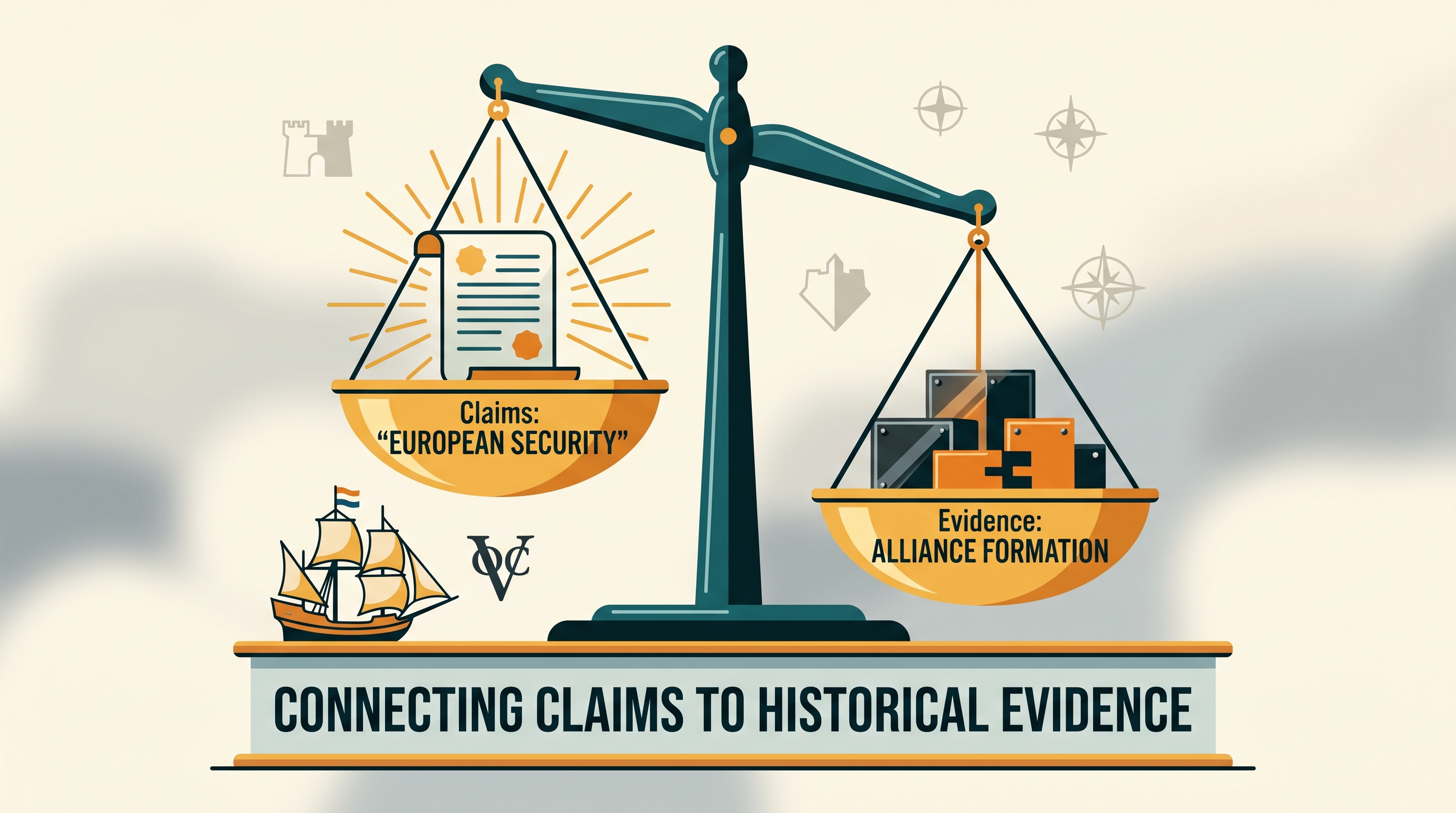
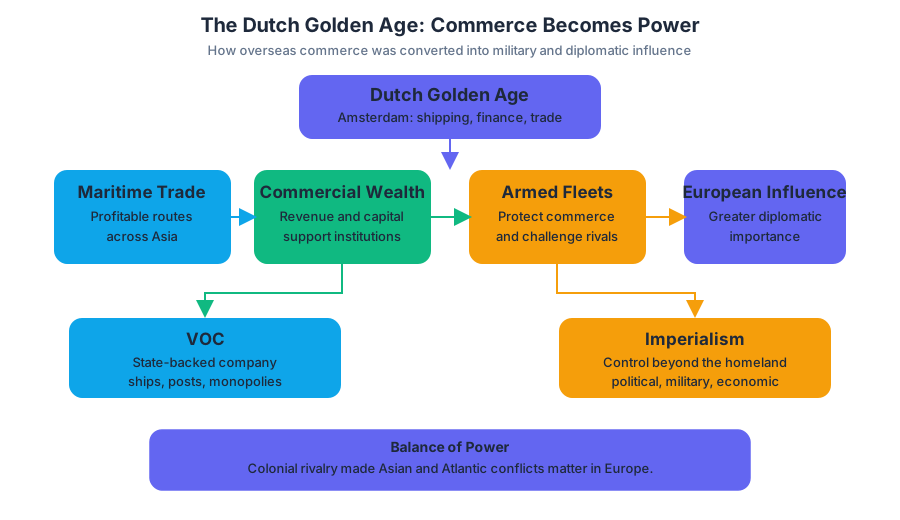
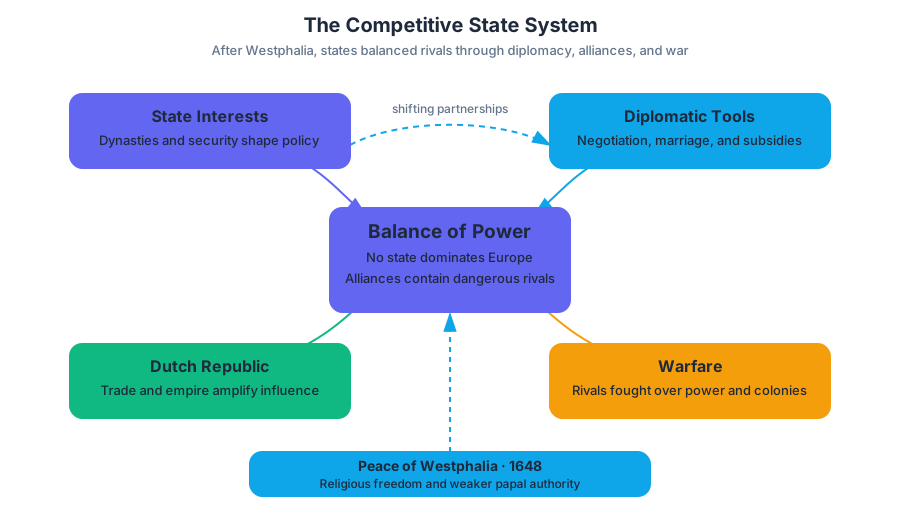
3.7 Absolutist Approaches to Power · 3.8 Comparison in the Age of Absolutism and Constitutionalism
Key concepts: Absolutist approaches to power · Comparison of absolutism and constitutionalism · Different models of political sovereignty · Limits of absolutism · Peter the Great’s westernization of Russia · Louis XIV and absolutism · Commercial and professional groups gaining political power · Language and cultural identities · Hugo Grotius · Niccolò Machiavelli
Between 1648 and 1815, European rulers tried to turn political authority into a centralized command system—but no monarch ruled without constraints. Absolutism means an approach to government in which a monarch claims extensive, centralized authority over administration, taxation, law, religion, and the military.
3.7 Absolutist Approaches to Power · 3.8 Comparison in the Age of Absolutism and Constitutionalism
Between 1648 and 1815, European rulers tried to turn political authority into a centralized command system—but no monarch ruled without constraints. Absolutism means an approach to government in which a monarch claims extensive, centralized authority over administration, taxation, law, religion, and the military. Constitutionalism, by contrast, places political power within legal rules and representative institutions that limit the ruler.
Key distinction: Absolutism describes a concentration of sovereignty; constitutionalism describes a distribution and limitation of sovereignty.
Two models of political sovereignty
Political sovereignty means the supreme authority to make and enforce laws. In an absolutist model, sovereignty is concentrated in the monarch, who may justify rule through divine-right theories, inherited status, or the claim that centralized authority preserves order. In a constitutional model, sovereignty is constrained by law and shared with institutions such as parliaments, provincial estates, courts, or representative assemblies.
| Question | Absolutist approach | Constitutional approach |
|---|---|---|
| Where is authority concentrated? | Primarily in the monarch and royal bureaucracy | Among the ruler, representative bodies, courts, and local institutions |
| How are taxes raised? | Through royal officials and negotiated or imposed taxation | Through laws and approval by representative institutions |
| What happens to elites? | Nobles may lose political independence but retain privileges | Elites and commercial groups may gain formal political influence |
| What limits power? | Custom, privilege, geography, finance, resistance, and administrative capacity | Written or customary law, assemblies, courts, and political opposition |
| Typical European examples | France under Louis XIV; Russia under Peter the Great | England after the Glorious Revolution; the Dutch Republic |
The comparison is not simply “king versus democracy.” Constitutional states still contained hierarchy, restricted voting, and powerful elites, while absolutist monarchies often had to bargain with nobles, churches, towns, and regional authorities. The essential historical question is therefore: who could make decisions, through which institutions, and with what effective limits?
Absolutist power and social relationships
Absolute monarchies generally reduced the nobility’s independent political power while allowing nobles to preserve social status and legal privileges (KC-2.1.I.A). This was a bargain: nobles accepted greater royal control in exchange for continued exemption, rank, landholding rights, or access to offices. The monarchy became stronger, but aristocratic society did not disappear.
Across Europe, commercial and professional groups also gained power and played a greater role in political affairs (KC-1.5.I.C). Merchants, financiers, lawyers, civil servants, and administrators supplied rulers with loans, expertise, and bureaucratic labor. Their growing importance gradually complicated the older political order, in which birth mattered more than education, wealth, or professional skill.
Political authority also interacted with cultural identity. Minority communities defined by language and culture could resist dominant national groups (KC-1.5.I.D). A centralized state might standardize administration and religion, but that same pressure could intensify local resistance when communities believed their language, customs, or regional privileges were threatened.
Peter the Great: westernization from above
Peter the Great of Russia used absolutist authority to transform the state’s institutions. Westernization means adopting selected political, military, cultural, and technological practices associated with western Europe. Peter reorganized the army and navy, expanded state administration, encouraged technical expertise, imposed court reforms such as western dress, and founded St. Petersburg as a “window” toward Europe.
Peter also subordinated the Russian Orthodox Church to state authority and reorganized elites through service. The Table of Ranks made advancement increasingly dependent on state employment rather than ancestry alone. His reforms therefore strengthened the military-bureaucratic state, but they did not create social equality: peasants remained heavily burdened, and elite privilege persisted.
Louis XIV: power—and its limits
Louis XIV is a major example of absolutist rule because he and his finance minister, Jean-Baptiste Colbert, extended royal administrative, financial, military, and religious control over France (KC-2.1.I.B). Versailles helped discipline nobles by drawing them into a competitive court culture, while intendants carried royal authority into the provinces.
Yet Louis XIV’s absolutism was never unlimited. The crown still depended on tax collectors, local officials, creditors, military officers, and cooperation from privileged groups. Nobles retained social and legal advantages; regional institutions and customary rights complicated uniform control; and repeated warfare placed enormous pressure on royal finances. Revoking the Edict of Nantes in 1685 also strengthened religious conformity but encouraged Protestant flight and removed skilled subjects from the kingdom.
Misconception check: “Absolutism means the king could do anything.”
Correction: Absolutism means the ruler claimed broad authority. Actual power depended on money, information, officials, military capacity, geography, and the willingness of subjects to comply.
Grotius and Machiavelli: competing ideas about power
Niccolò Machiavelli analyzed political power in practical, secular terms. In The Prince, effective rulers appear willing to use force, deception, or carefully managed reputation when necessary to preserve the state. Machiavelli did not simply praise cruelty; he emphasized political survival and the difference between moral ideals and the behavior required in unstable political circumstances.
Hugo Grotius contributed to debates about sovereignty, natural law, and relations among states. His work helped develop the idea that political authority and international conduct could be discussed through rational legal principles rather than only through religious claims. Together, Machiavelli and Grotius illustrate the period’s movement toward secular analysis of state power.
Worked comparison: France and England
Claim: France and England both strengthened the state after the seventeenth-century crises, but they organized sovereignty differently.
Evidence and reasoning: Louis XIV concentrated authority through royal officials, the army, court culture, and control over religion, although privilege and finance limited his reach. England’s Glorious Revolution established a stronger constitutional pattern: Parliament gained greater influence over taxation and lawmaking, and the monarch governed within a framework of legal and institutional constraints. Both states developed more powerful administrations, but France emphasized royal sovereignty while England institutionalized negotiated sovereignty.
This comparison earns stronger historical reasoning when it explains both similarity and difference. A weak answer says, “France was absolute and England was constitutional.” A stronger answer identifies the shared process—state centralization—and then explains how different institutions distributed power.
Skill focus: Making Connections (Skill 5.A) and Argumentation (Skill 6)
Making Connections (Skill 5.A) requires identifying patterns among historical developments and processes. Connect Peter’s westernization and Louis XIV’s centralization through their shared goal of strengthening state capacity, then distinguish their methods: Peter forcibly reorganized institutions and elite service, while Louis relied more heavily on court culture, intendants, and fiscal administration.
Argumentation (Skill 6) requires supporting a claim with specific, relevant evidence. An effective argument about absolutism should name evidence—such as the Table of Ranks, Versailles, Colbert’s financial administration, Parliament after 1688, or the survival of noble privilege—and explain how each example supports, modifies, or complicates the claim.
Retrieval check: Why did absolutist monarchies reduce noble political independence without eliminating noble privilege? Give one example from Louis XIV’s France or Peter the Great’s Russia, and explain one limit on the ruler’s power.
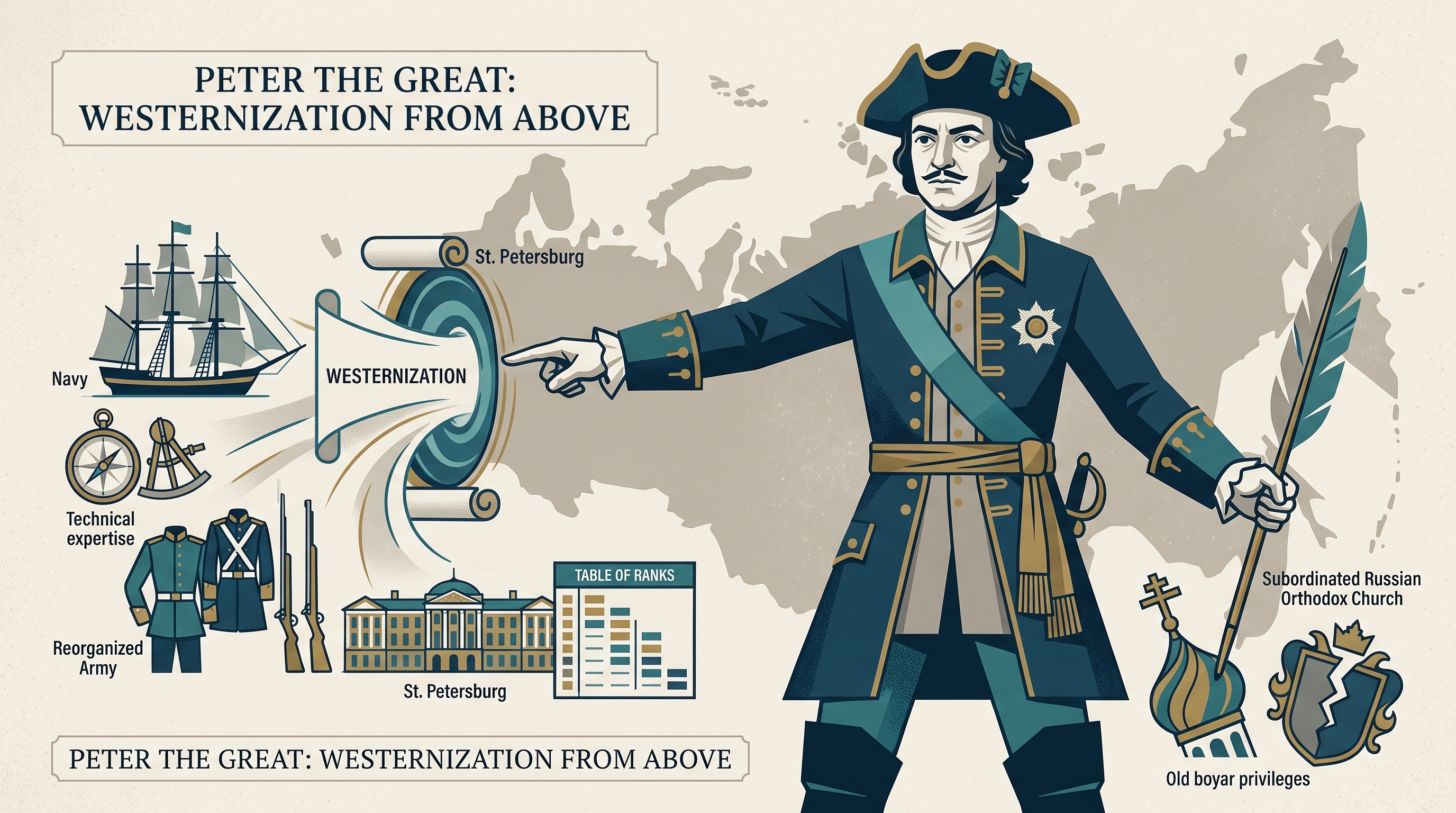
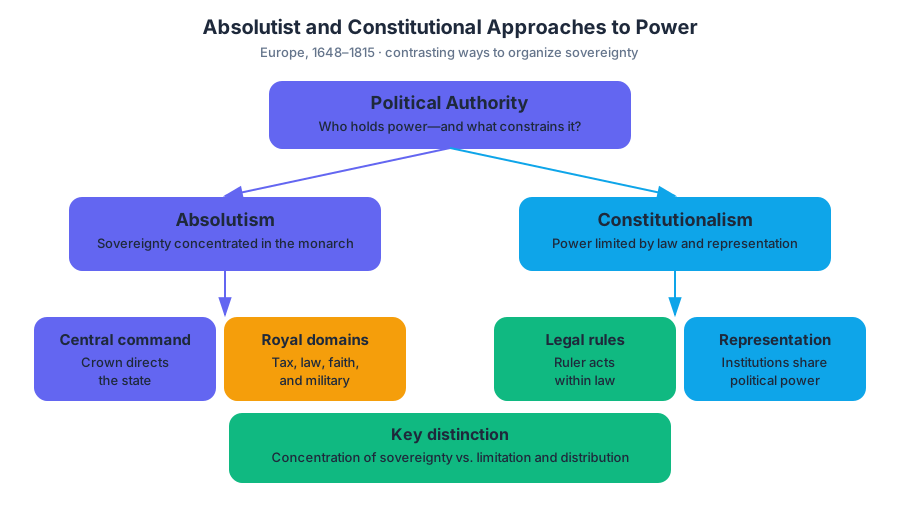
4.1 Contextualizing the Scientific Revolution and the Enlightenment · 4.2 The Scientific Revolution
Key concepts: Scientific Revolution · Enlightenment · Experimentation and mathematics · Challenges to classical views of the cosmos · Commercial Revolution · Changing demographic patterns in Europe · Public venues and print media · Political and economic theories challenging absolutism and mercantilism · Natural religion and religious toleration · Historical contextualization (Contextualization 4.A)
Between the sixteenth and eighteenth centuries, Europeans increasingly treated nature as something to investigate, measure, and explain rather than merely inherit from ancient authorities. The Scientific Revolution did not erase religion or tradition; it created a new contest over which methods—and which kinds of…
4.1 Contextualizing the Scientific Revolution and the Enlightenment · 4.2 The Scientific Revolution
Between the sixteenth and eighteenth centuries, Europeans increasingly treated nature as something to investigate, measure, and explain rather than merely inherit from ancient authorities. The Scientific Revolution did not erase religion or tradition; it created a new contest over which methods—and which kinds of evidence—could establish reliable knowledge.
From inherited authority to investigated nature
Before the Scientific Revolution, educated Europeans often relied on classical sources of knowledge, especially Aristotle and Ptolemy, whose ideas had been preserved and interpreted through Christian and Islamic intellectual traditions. The new approach emphasized experimentation, meaning the controlled testing of an idea through observation, and mathematics, which allowed natural processes to be described precisely rather than only philosophically.
The shift was therefore methodological, not simply a list of discoveries. A scholar who measured planetary motion, dissected a body, or tested a physical claim was asking nature to provide evidence. This encouraged empiricism, the use of observation and experience as sources of knowledge, and skepticism, the willingness to question inherited explanations.
| Older pattern of explanation | Emerging Scientific Revolution approach |
|---|---|
| Classical authorities supplied trusted explanations | Claims required observation and testing |
| Nature was often interpreted through qualitative categories | Nature could be represented through mathematical relationships |
| The cosmos was understood as ordered around Earth | Astronomers reconsidered Earth’s place in the cosmos |
| Knowledge and faith were frequently treated as closely connected | Natural phenomena could be investigated through repeatable methods |
A revolution that still contained older beliefs
The people who advanced scientific inquiry were not uniformly modern in every belief. Paracelsus pursued new medical approaches while retaining ideas associated with alchemy. Andreas Vesalius challenged inherited anatomical errors through human dissection, yet he lived in a culture shaped by religious assumptions. Johannes Kepler used mathematical astronomy while also accepting astrology, and Sir Isaac Newton investigated gravity while devoting substantial attention to alchemy and biblical interpretation.
This coexistence matters because “science versus superstition” is a misleading simplification. Historical change often works by combination: investigators adopted new evidence-gathering practices while preserving some traditional cosmological, religious, or occult beliefs.
Key distinction: The Scientific Revolution changed how many Europeans justified knowledge, but it did not instantly produce secularism or modern science in every area of thought.
Challenging the classical cosmos
Classical astronomy generally placed Earth at the center of a hierarchical universe. The heliocentric model associated with Nicolaus Copernicus placed the Sun at the center of planetary motion instead. Kepler used mathematics to describe elliptical planetary orbits, and Newton’s laws of motion and universal gravitation provided a wider explanation for why objects moved as they did.
These discoveries challenged more than a diagram of the heavens. If Earth was not the fixed center of the cosmos, then long-standing assumptions about humanity’s position in creation—and the authority of inherited explanations—could be questioned. Galileo’s telescopic observations, including evidence inconsistent with a perfect, unchanging celestial realm, intensified the conflict between new observations and established authorities.
Worked contextual example — from telescope to social challenge: Galileo observes features of the Moon and moons orbiting Jupiter. Those observations weaken the assumption that all celestial bodies revolve around Earth. The immediate issue is astronomical, but the broader consequence is epistemological: if direct observation contradicts an established authority, observation may deserve greater weight. That reasoning later supported broader Enlightenment criticism of inherited political and religious institutions.
Commercial and demographic context
The Scientific Revolution and Enlightenment developed within the Commercial Revolution, the expansion of trade, banking, markets, and consumer activity that accelerated after the era of exploration. Commercial growth created wealth for patrons, publishers, merchants, and state governments. It also linked scientific knowledge to navigation, cartography, military engineering, medicine, and improved management of expanding economies.
By the eighteenth century, changing demographic patterns also reshaped everyday life. Population growth in some regions, expanding cities, migration, and changing family and private life reflected both commercial development and shifting economic opportunities. These material changes did not mechanically cause new ideas, but they created larger audiences, denser networks of communication, and practical reasons to value calculation, observation, and improvement.
KC-2.4.III connects “family and private life” to new demographic patterns and the effects of the Commercial Revolution. The intellectual history of Unit 4 therefore belongs alongside changes in work, consumption, population, and domestic life—not above them.
From scientific method to Enlightenment criticism
The Enlightenment extended confidence in reason, evidence, and criticism from the natural world into human society. KC-2.3.I identifies empiricism, skepticism, human reason, rationalism, and classical sources of knowledge as ideas that challenged assumptions about social order, government, and faith. Public lectures, salons, coffeehouses, academies, newspapers, and printed books helped circulate these arguments beyond universities and courts, fulfilling KC-2.3.II.
Enlightenment thinkers also challenged absolutism and mercantilism. KC-2.3.III describes new political and economic theories that questioned concentrated monarchical authority and state-directed economic systems. Rational analysis of religious practices encouraged natural religion—belief in a creator or moral order grounded in reason rather than exclusively in church doctrine—and strengthened demands for religious toleration, as expressed in KC-2.3.IV.
Misconception check: The Enlightenment was not simply “the Scientific Revolution applied to politics,” and it did not reject religion altogether. It redirected criticism toward authority, demanded reasons and evidence, and produced both religious skepticism and new forms of religious belief.
AP historical reasoning: Argumentation 6.C
Argumentation 6.C: Use historical reasoning to explain relationships among pieces of historical evidence. A strong argument connects evidence instead of listing names. For example: commercial expansion supported patrons and print networks; print networks spread scientific and philosophical claims; those claims encouraged criticism of absolutism, mercantilism, and religious intolerance. The relationship is not automatic, but the connected evidence shows why intellectual change could reach institutions and everyday life.
Retrieval check: Explain why the statement “the Scientific Revolution made Europe secular” is too simple. Include one scientific development, one continuing traditional belief, and one connection to Enlightenment criticism.
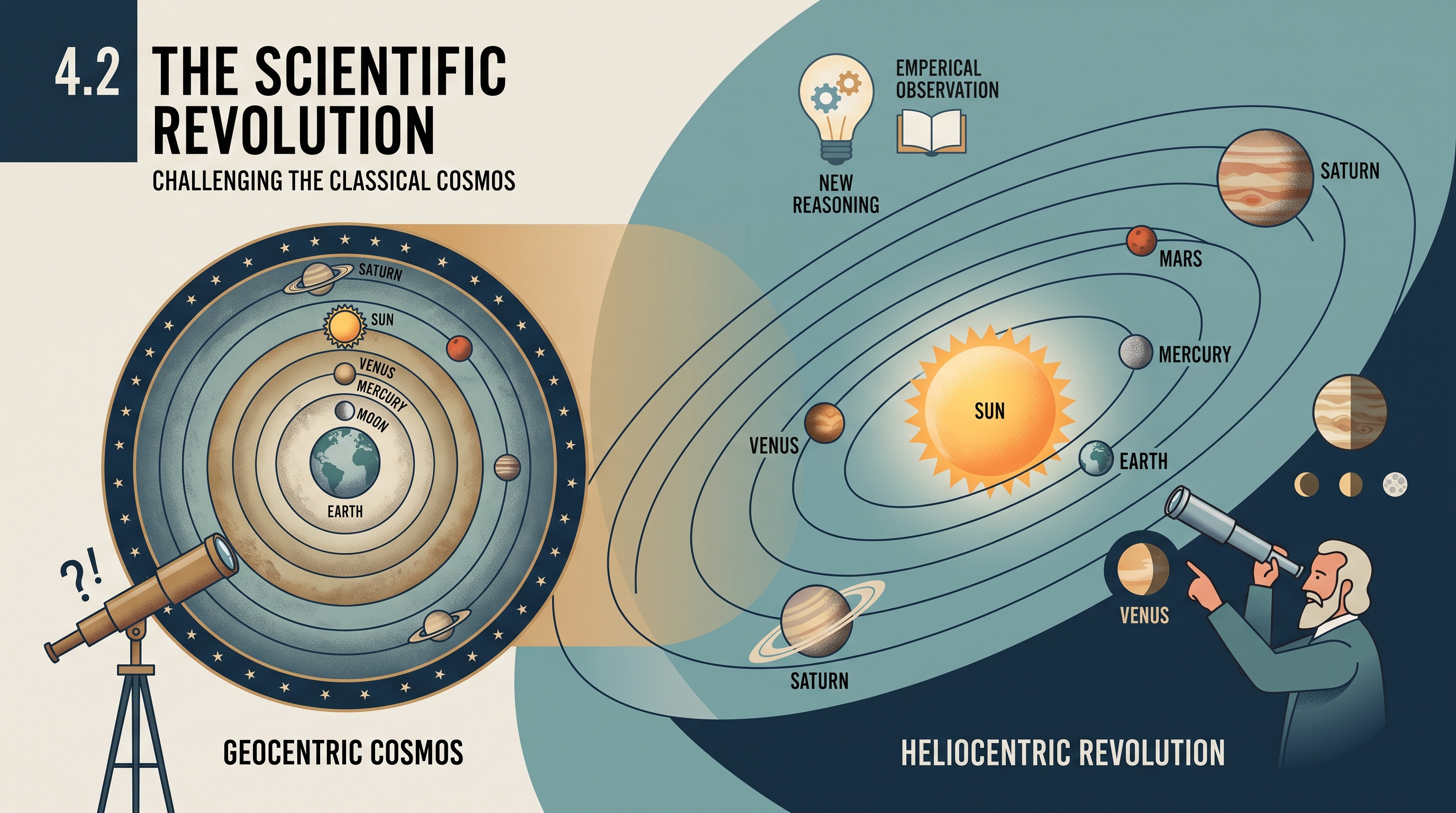
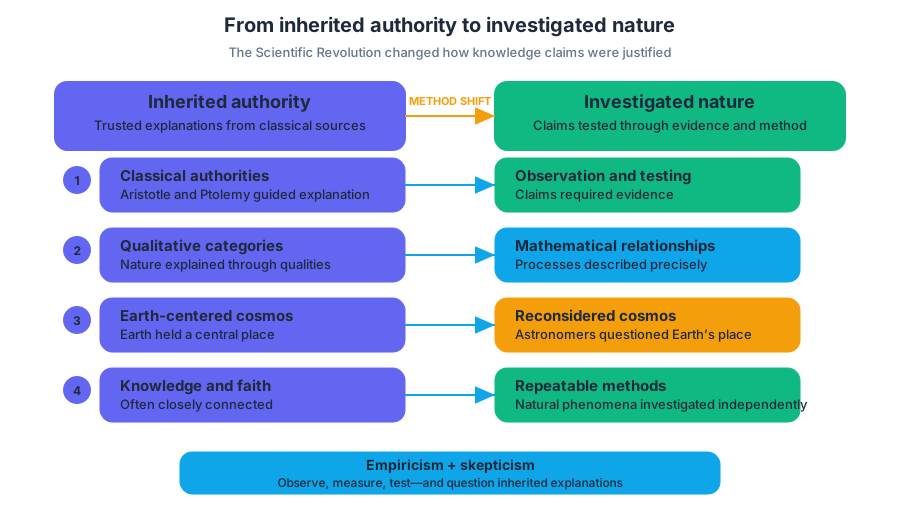
4.3 The Enlightenment · 4.4 18th-Century Society and Demographics
Key concepts: Enlightenment thought · Rousseau · Traditional authority and differing worldviews · Salons and the dissemination of Enlightenment culture · John Locke’s political theory · Self-interest and the origins of the state · 18th-century demographic change · Plague and smallpox inoculation · 18th-century art and literature · Women’s status and citizenship in the republic
The Enlightenment asked a disruptive question: what should happen when reason, evidence, and individual rights conflict with authority inherited from tradition? Its answer reshaped political theory, intellectual life, economic thought, and social debate across Europe from 1648 to 1815.
4.3 The Enlightenment · 4.4 18th-Century Society and Demographics
The Enlightenment asked a disruptive question: what should happen when reason, evidence, and individual rights conflict with authority inherited from tradition? Its answer reshaped political theory, intellectual life, economic thought, and social debate across Europe from 1648 to 1815.
Enlightenment thought emphasized empiricism, skepticism, human reason, rationalism, and classical sources of knowledge. It challenged established assumptions about social order, government, institutions, and the public role of faith.
The central conflict was not simply “science versus religion.” Enlightenment thinkers questioned whether monarchs, churches, aristocracies, and customs should command obedience merely because they were old or sacred. Some intellectuals defended religious belief in new forms, such as deism, while others moved toward skepticism or atheism. Religion increasingly became a matter of private conviction rather than a uniform public authority, as expressed in KC-2.3.IV.A and KC-2.3.IV.B.
Authority, worldviews, and the public sphere
Different worldviews produced different answers to the same political question: Who has the right to rule? A traditional answer pointed to divine right, inherited rank, or established church teaching. An Enlightenment answer examined government as a human institution that could be judged by reason, natural rights, and its effects on society.
This shift affected nearly every dimension of European life. Politically, it challenged arbitrary authority; intellectually, it encouraged criticism and debate; economically, it weakened unquestioned mercantilist assumptions; socially, it raised arguments about equality and citizenship. Unit 4: Learning Objective C asks students to explain the causes and consequences of Enlightenment thought on European society, while KC-2.3.I identifies its challenge to prevailing patterns of thought.
Locke: self-interest and the origins of the state
John Locke’s political theory began with individuals rather than inherited communities. People possess interests and natural rights, including security and property, but isolated individuals cannot reliably protect themselves. In a hypothetical state of nature, each person may pursue safety and advantage, yet disputes over rights can produce conflict, insecurity, and retaliation.
The causal chain is therefore:
$$ \text{individual interests} \rightarrow \text{insecurity and conflict} \rightarrow \text{agreement to form government} \rightarrow \text{protection of rights} $$
Individuals create political society through consent: a social contract, or agreement establishing government for the common protection of rights. Government is legitimate because it serves the governed, not because tradition or divine right automatically makes rulers legitimate. If government violates its purpose, Locke’s reasoning implies that people may resist or replace it. This argument appears in KC-2.3.III.A and KC-2.3.I.B.
Misconception check: Locke did not argue that self-interest makes government unnecessary. He argued that competing interests make common rules and rights-protecting government necessary.
Adam Smith extended related criticism into economic thought. KC-2.3.III.B identifies how mercantilist theory and practice were challenged by ideas of free trade and a free market. The broader pattern is consistent: institutions should be evaluated by how they coordinate human activity, not accepted solely because rulers or tradition endorse them.
Rousseau and the limits of reason
Jean-Jacques Rousseau shared the Enlightenment interest in political legitimacy but questioned whether rational calculation alone could explain human freedom and community. He emphasized the general will—the collective political interest of the community—and argued that legitimate political life required civic participation rather than passive obedience.
Rousseau also exposed a contradiction within Enlightenment universalism. Enlightenment language proclaimed equality and natural rights, yet Rousseau offered controversial arguments supporting the exclusion of women from political life. KC-2.3.I.C therefore matters: equality could be presented as universal while citizenship remained restricted by gender. The French Revolution would make this contradiction especially visible as republican citizenship was soon limited to men.
Salons: where ideas became social power
A salon was a gathering, often organized in an urban private home and frequently hosted by an educated woman, where writers, philosophers, and patrons discussed ideas. Salons did more than entertain: they connected authors to readers, circulated criticism, and translated abstract arguments about government, religion, and society into conversation.
This institutional role is captured by KC-2.3.II.A: salons explored and disseminated Enlightenment culture. They demonstrate that intellectual change depended not only on famous books but also on networks that allowed knowledge to travel.
18th-century society and demographics
European society changed demographically, though growth remained constrained. Plague disappeared as a major epidemic disease, and inoculation reduced the incidence of smallpox. These developments lowered some mortality pressures, but the European marriage pattern limited population growth: many people married relatively late, and a significant number never married, reducing the years available for childbearing.
Women’s status remained contested. Women could host salons and participate in intellectual exchange, yet political citizenship in the emerging republic was increasingly defined as male. The result was a sharp distinction between participating in public debate and possessing formal political rights.
Skills in action
This topic most directly develops Skill 1.A: Identify and explain the historical developments and processes through the chain from traditional authority to social-contract theory; Skill 4.A: Identify and describe a historical context by connecting Enlightenment arguments to earlier religious and political authority; Skill 6.A: Identify and explain the causes and effects of historical developments through Locke’s state-of-nature argument; and Skill 8.A: Make a historically defensible claim about whether Enlightenment ideas expanded equality or preserved exclusion.
Retrieval check: Why, in Locke’s argument, does the pursuit of self-interest lead individuals toward government rather than away from it? Name one way eighteenth-century demographic change improved survival and one reason population growth nevertheless remained limited.
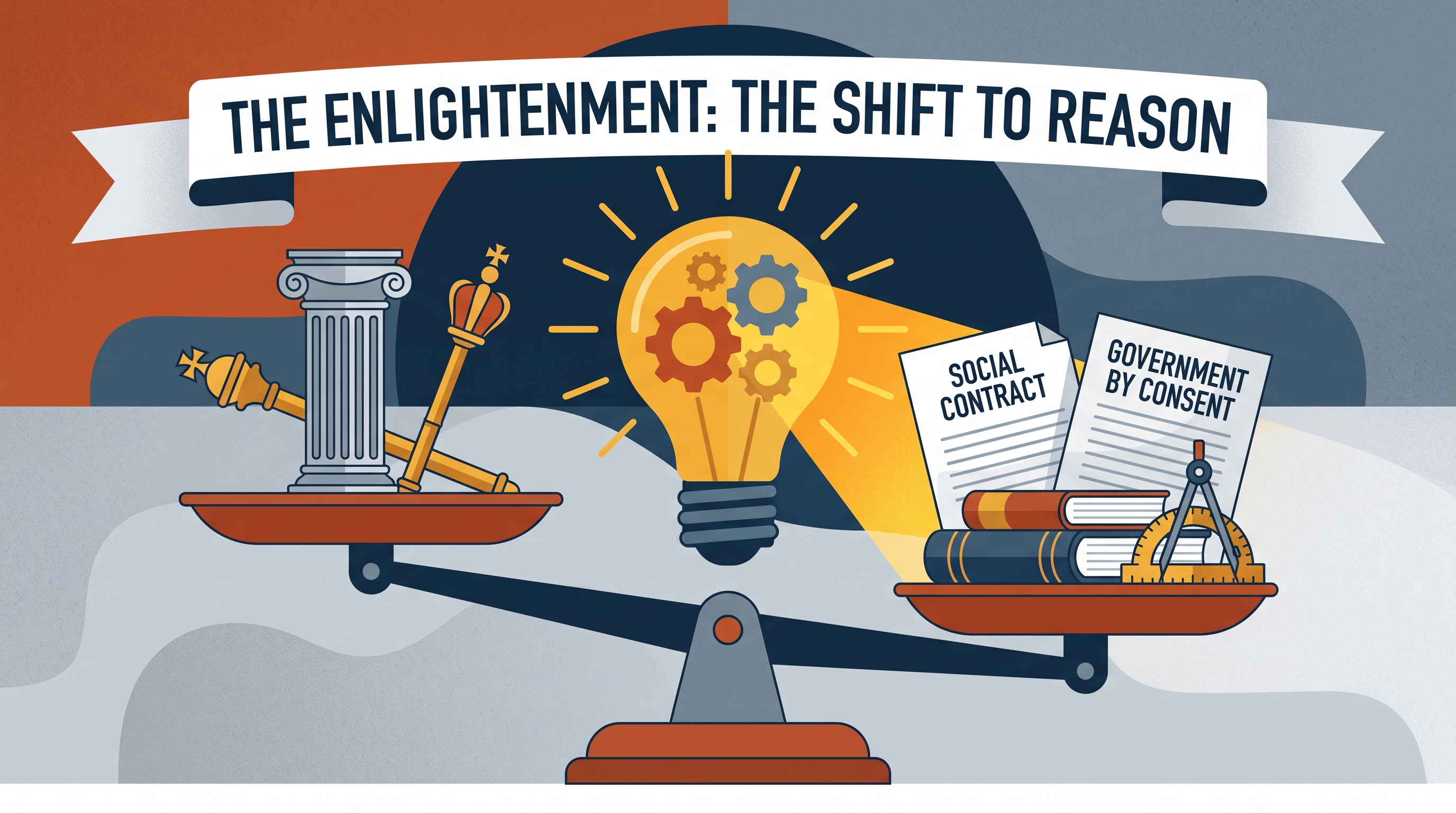
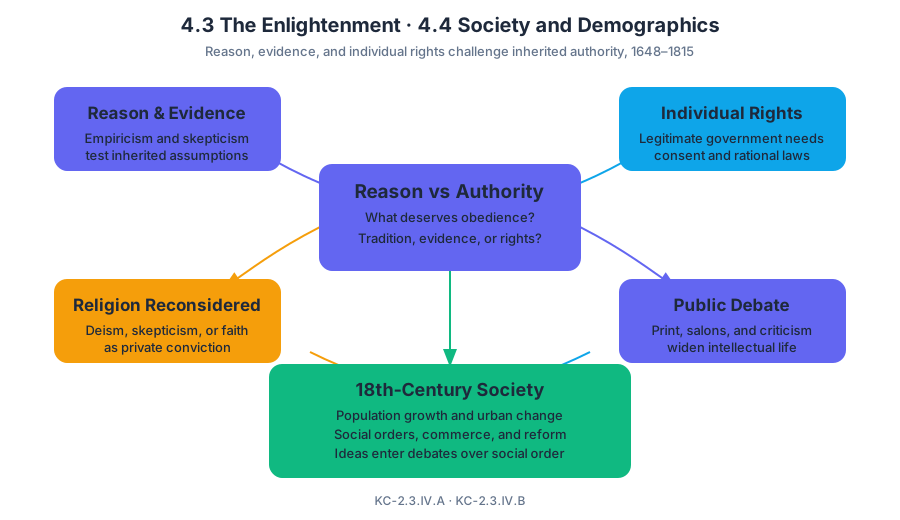
4.5 18th-Century Culture and Arts · 4.6 Enlightened and Other Approaches to Power
Key concepts: 18th-century culture and arts · Enlightened and other approaches to power · Cultural and intellectual development · States and other institutions of power · Social organization and development · National and European identity · Printing and public opinion · Napoleon’s rise, dominance, and defeat · Domestic reforms and practices under Napoleon · Relations with other religious communities
In the eighteenth century, culture became a political force: books, newspapers, salons, paintings, theaters, and public debate helped Europeans decide which institutions deserved obedience. At the same time, rulers borrowed Enlightenment language to strengthen states—sometimes reforming government, sometimes simply…
4.5 18th-Century Culture and Arts · 4.6 Enlightened and Other Approaches to Power
In the eighteenth century, culture became a political force: books, newspapers, salons, paintings, theaters, and public debate helped Europeans decide which institutions deserved obedience. At the same time, rulers borrowed Enlightenment language to strengthen states—sometimes reforming government, sometimes simply making absolutism more efficient.
Culture moves into public life
Cultural and intellectual developments are changes in how people create, circulate, and evaluate ideas. In the eighteenth century, printing expanded the audience for political and philosophical discussion. Earlier books had often served courts, churches, or universities; increasingly, printed works reached merchants, professionals, urban residents, and literate members of the middle classes.
Printing did not automatically create democracy. It created a larger arena in which arguments could compete. Newspapers and pamphlets reported events, criticized officials, and shaped reputations. Salons and academies connected writers, scientists, artists, and patrons. Coffeehouses and reading societies allowed people to discuss ideas outside direct royal or ecclesiastical supervision.
Public opinion is the collective judgment formed through discussion, communication, and debate among members of society.
Public opinion therefore became a new source of cultural authority. A monarch might still control armies and courts, but rulers increasingly had to consider how policies appeared to educated readers. Public criticism could expose corruption, challenge religious intolerance, or turn a philosophical argument into a political demand.
The arts reflected this changing social world. Rococo art emphasized elegance, intimacy, decoration, and aristocratic leisure. Later eighteenth-century neoclassicism favored order, civic virtue, and models drawn from ancient Greece and Rome. These styles were not merely decorative choices: they communicated ideas about status, morality, authority, and the proper relationship between individuals and society.
States, institutions, and cultural production
States and other institutions of power shaped culture by funding academies, censoring publications, sponsoring artists, and regulating education. Royal patronage could make intellectual and artistic work possible, while censorship could restrict criticism. The same government might support scientific societies and public education yet suppress political dissent.
Social organization also influenced cultural development. Growing urban populations, expanding commercial wealth, and a more visible educated middle class created audiences for printed literature and public performances. Cultural change was therefore connected to Social Organization and Development (SCD): who had leisure, literacy, money, and access to institutions affected which ideas circulated.
Identity beyond the court
Cultural exchange helped Europeans imagine identities larger than the local community. Shared reading habits, intellectual correspondence, artistic styles, and elite travel encouraged a sense of belonging to a broader European cultural world. At the same time, languages, histories, religious traditions, and political loyalties supported emerging national identities.
National and European Identity (NEI) concerns how regional, cultural, national, and European identities develop and influence political and social order.
These identities could coexist, but they could also conflict. A writer might participate in a Europe-wide republic of letters while defending the customs of a particular kingdom. Religious and political divisions continued to challenge the idea of a unified Europe, even as shared cultural practices encouraged it.
Enlightened and other approaches to power
Enlightened absolutism describes rulers who retained concentrated political authority while adopting selected reforms associated with Enlightenment thought. They might centralize administration, improve taxation, reform courts, promote education, limit torture, or expand religious toleration. Their goal was usually stronger and more orderly government—not popular sovereignty.
The CED’s Learning Objective G asks students to explain how different forms of political power were influenced by Enlightenment thought from 1648 to 1815. The relevant historical development is KC-2.1.I.C, which identifies eastern and central European experiments with enlightened absolutism. Learning Objective H addresses how political and religious developments challenged or reinforced a unified Europe; KC-2.1.III.A connects this issue to the post-Westphalian rise of Prussia and the Habsburgs’ eastward shift.
Religious policy illustrates both reform and limitation. By 1800, many western and central European governments extended toleration to Christian minorities, and some granted civil equality to Jews, as identified in KC-2.3.IV.C. Yet toleration usually came from rulers rather than from equal political participation, and it could be reversed when leaders believed religious unity served state stability.
Worked example: Napoleon as reformer and authoritarian
Napoleon demonstrates how enlightened language could coexist with authoritarian power. As First Consul after 1799, he stabilized administration and consolidated authority; as emperor after 1804, he made personal rule explicit while presenting himself as the guardian of order and merit.
His enduring domestic practices included the Napoleonic Code, which standardized civil law, protected some forms of property ownership, and established legal equality for men while reinforcing patriarchal authority. He centralized administration through appointed officials, reorganized taxation, strengthened state education, rewarded service through careers open—at least in principle—to talent, and reached the Concordat of 1801 with the Catholic Church.
Napoleon also redefined relations with religious communities. The Concordat restored a public role for Catholicism but kept the Church subordinate to the state. His policies therefore combined compromise, toleration, and control: religion could support social order, but no religious institution could rival the government.
Misconception check: Napoleon was not simply an Enlightenment democrat. He preserved selected revolutionary and Enlightenment reforms while restricting political liberty, censoring the press, and building an imperial hierarchy.
Source reasoning: claims and evidence
For a primary or secondary source about eighteenth-century culture or power, begin by separating claim from evidence. The claim is the author’s main position; evidence is the specific detail used to support it. Then evaluate how the author’s situation, purpose, audience, and historical context shape what is emphasized or omitted.
This applies Skill 2: Sourcing and Situation, Skill 3: Claims and Evidence in Sources, and Skill 4: Contextualization. For example, a royal decree praising religious toleration shows an official claim about good government; it does not by itself prove that minorities experienced equality in daily life.
Retrieval check: Why could printing strengthen public opinion without producing democracy? Name one way Napoleon preserved Enlightenment-influenced reform and one way he limited political freedom.
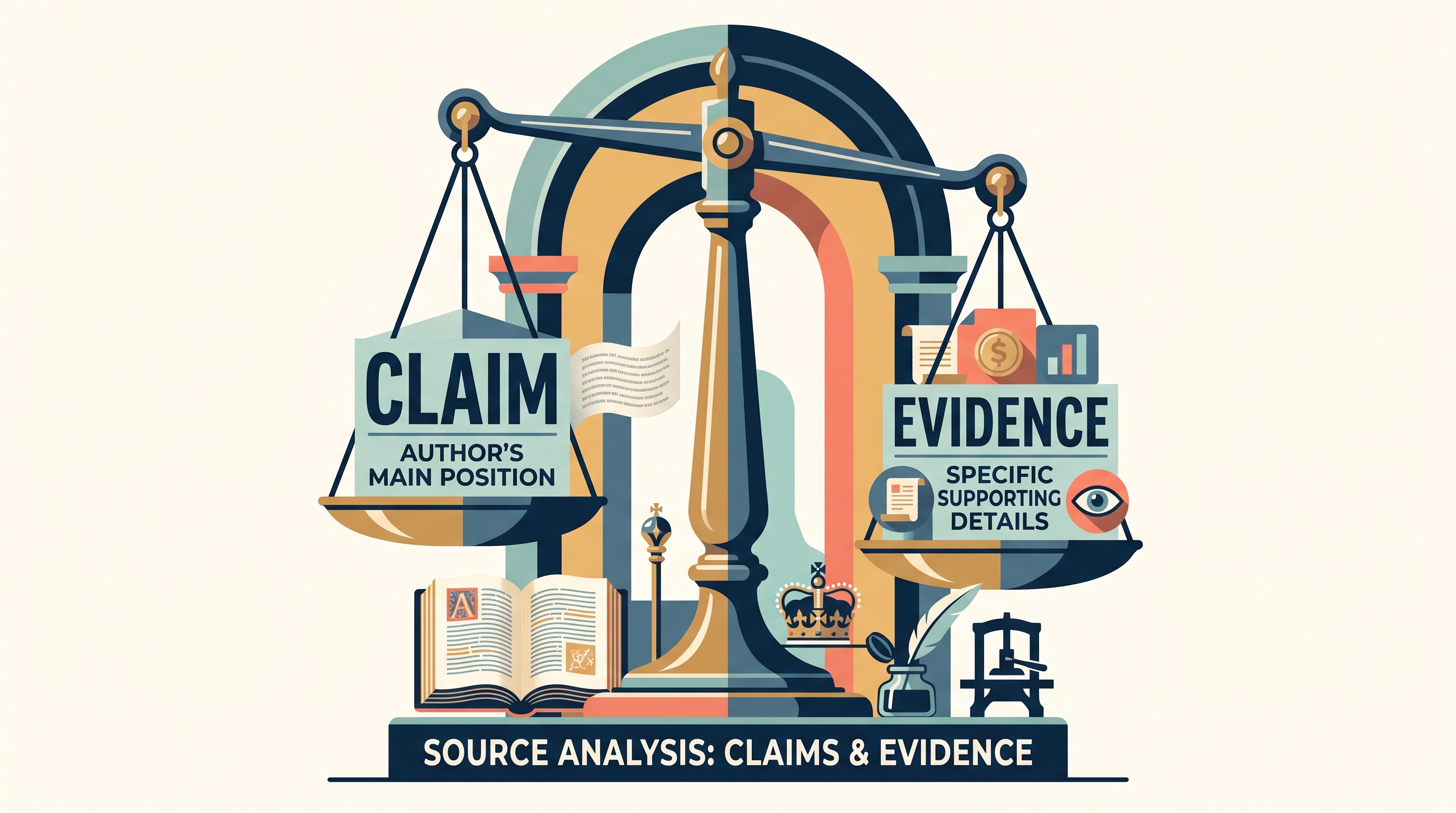
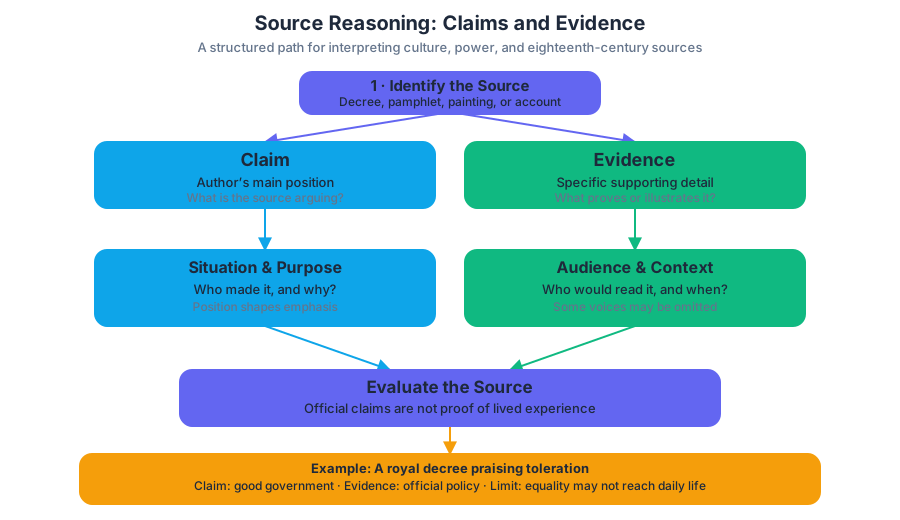
4.7 Causation in the Age of the Scientific Revolution and the Enlightenment
Key concepts: Scientific Revolution · Enlightenment · Empiricism and skepticism · Rationalism and classical sources of knowledge · Inductive and deductive reasoning · Observation, experimentation, and mathematics · Natural rights and the social contract · Natural religion and religious toleration · Print media and new public venues · Alchemy, astrology, and challenges to reason
Why did European thinkers begin to question inherited answers about nature, government, society, and faith? The central causal chain is:
4.7 Causation in the Age of the Scientific Revolution and the Enlightenment
Why did European thinkers begin to question inherited answers about nature, government, society, and faith? The central causal chain is:
$$ \text{observation and experiment} \rightarrow \text{new scientific methods} \rightarrow \text{confidence in human reason} \rightarrow \text{criticism of European institutions} $$
This does not mean that Europeans suddenly abandoned religion or tradition. Scientific reasoning gained influence while alchemy, astrology, spiritual explanations, and emotional approaches to culture continued to attract followers. The major historical development was therefore not simple replacement, but a widening competition among ways of knowing.
From inherited authority to tested knowledge
Empiricism means building knowledge through observation and experience. Skepticism means withholding acceptance until a claim has been examined and supported. Together, these approaches challenged older patterns of knowledge that relied heavily on inherited authorities, classical texts, or explanations that could not be tested.
The new scientific ideas depended on three connected practices:
- Observation: carefully examining the natural world.
- Experimentation: deliberately testing an explanation under controlled conditions.
- Mathematics: expressing relationships precisely rather than relying only on verbal description.
Francis Bacon emphasized inductive reasoning, moving from repeated observations toward a broader generalization. René Descartes emphasized deductive reasoning, beginning with a rational principle and drawing logically necessary conclusions. Their approaches differed, but both helped shape the scientific method by making investigation systematic rather than dependent solely on tradition.
Key distinction: Induction asks, “What general pattern emerges from these cases?” Deduction asks, “What specific result follows if this principle is true?”
Worked causal example: A natural philosopher observes that similar physical events produce similar results. Repeated observation encourages an inductive generalization about regularity in nature. A mathematical model then states the relationship precisely; deduction allows the thinker to predict what should happen in a new case. If experimentation confirms the prediction, the claim becomes stronger. This process challenged prevailing patterns of knowledge because nature appeared increasingly knowable through method rather than only through inherited explanation.
Scientific reasoning becomes social and political reasoning
The spread of Scientific Revolution concepts influenced the Enlightenment, an intellectual movement that applied human reason and rationalism—confidence in reason as a major source of knowledge—to political, social, and ethical questions. Enlightenment thinkers also drew on classical sources of knowledge, using ancient political ideas alongside newer scientific habits of analysis.
The causal shift was an extension of method:
| Scientific question | Enlightenment question |
|---|---|
| How does the natural world operate? | How should society operate? |
| What evidence supports this explanation? | What makes government legitimate? |
| Can a claim be tested logically? | Can inherited institutions survive rational criticism? |
Intellectuals including Voltaire and Diderot promoted models based on natural rights—rights believed to belong to people by nature—and the social contract, the idea that political authority rests on an agreement or relationship between rulers and the governed. Their reasoning challenged absolutism, inherited social hierarchies, and institutions that claimed authority simply because they were old.
New public venues and print media helped circulate these arguments beyond small scholarly circles. Public discussion allowed ideas to be debated, summarized, criticized, and connected to contemporary political and social problems. This communication network helped Enlightenment concepts influence European culture rather than remain isolated within scientific or philosophical communities.
Reason and faith: criticism, not automatic rejection
During the Enlightenment, rational analysis of religious practices contributed to natural religion, the belief that religious understanding could be based on reason and observation of the natural world rather than on every element of institutional doctrine. It also encouraged demands for religious toleration, meaning reduced coercion and greater acceptance of differing beliefs.
This development challenged the role of faith in European society, but it did not necessarily require atheism. Some thinkers criticized religious persecution, clerical authority, or practices they considered irrational while retaining belief in a deity or moral order.
Misconception check — “The Enlightenment destroyed religion.”
The more accurate claim is that Enlightenment thinkers subjected religious practices and institutions to rational analysis. Faith remained powerful, and many people continued to explain the cosmos through spiritual forces.
Limits of the new rationalism
The emphasis on reason remained contested. Alchemy and astrology continued to appeal to elites and natural philosophers partly because they shared with new science the assumption that the universe was predictable and knowable. Paracelsus, Johannes Kepler, and Sir Isaac Newton demonstrate that scientific innovation and older practices could coexist within the same intellectual world.
A second challenge came from the revival of public expression of emotions and feeling. This emphasis questioned the idea that reason should dominate every area of European thought and culture. The persistence of spiritual belief, traditional practices, and emotional expression shows that intellectual change produces competition and negotiation, not instant uniformity.
AP reasoning: explaining causation
For Unit 4: Learning Objective I, explain how and why the Scientific Revolution and Enlightenment challenged the existing European order and understanding of the world. A strong causal explanation distinguishes between:
- Cause: observation, experimentation, mathematics, and rational analysis provided alternative ways to evaluate claims.
- Development: these methods spread through print media and public venues.
- Effect: thinkers questioned social order, government institutions, absolutism, mercantilism, and religious practices.
- Qualification: alchemy, astrology, spiritual belief, and emotional culture continued to resist or complicate the dominance of reason.
This topic directly uses Historical Thinking Skill 3: Claims and Evidence in Sources (3.D), which asks students to explain how claims or evidence support, modify, or refute a source’s argument. It also develops Historical Thinking Skill 6: Causation, requiring explanation of how multiple causes produce an outcome, and Historical Thinking Skill 8: Argumentation, requiring a defensible claim supported by specific evidence.
Retrieval check: Explain one way Scientific Revolution practices influenced Enlightenment political thought, then identify one development that complicates the claim that reason replaced older beliefs. A complete answer should connect scientific method to rational criticism of institutions and use alchemy, astrology, spiritual belief, or emotional expression as qualifying evidence.
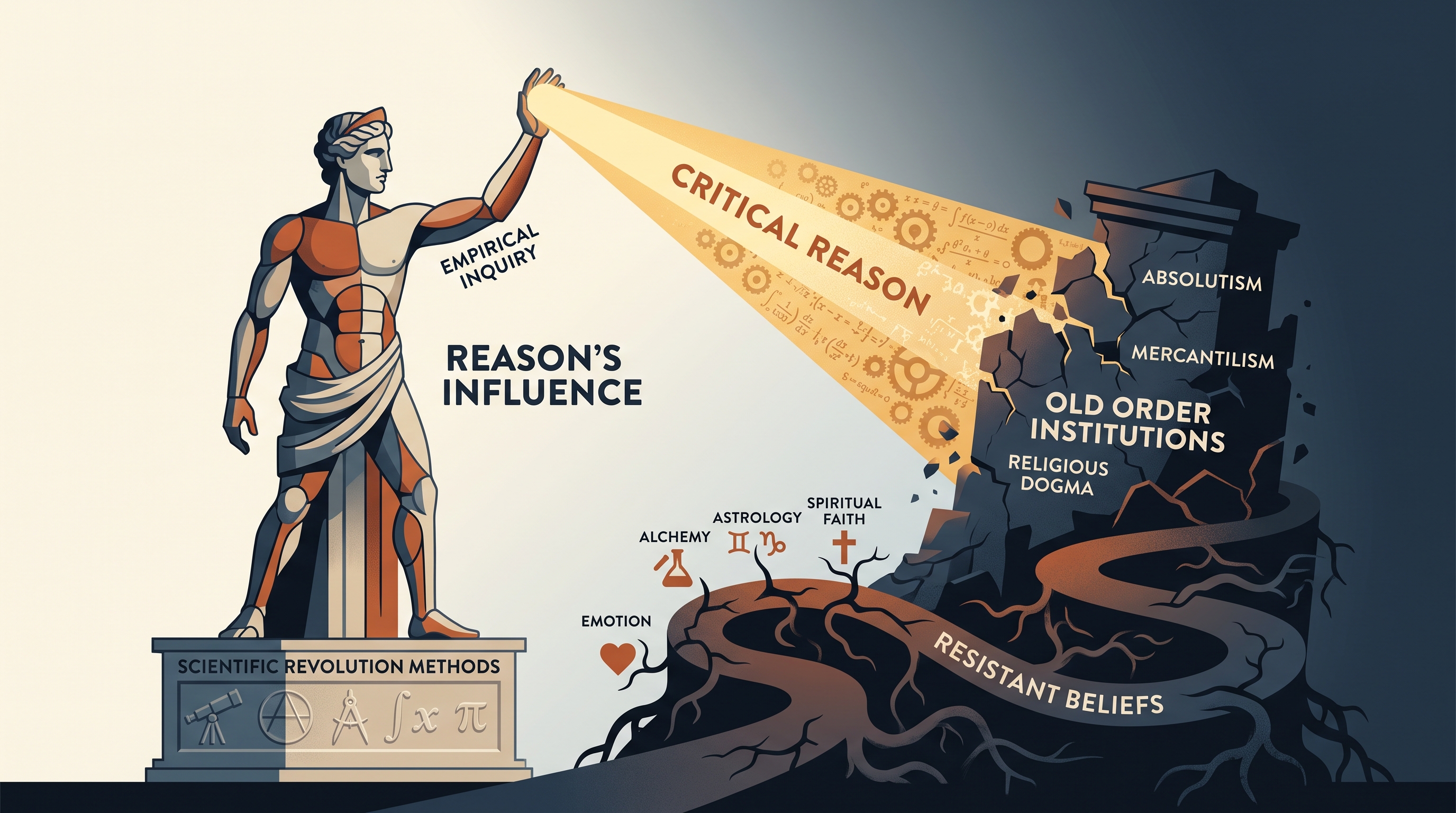
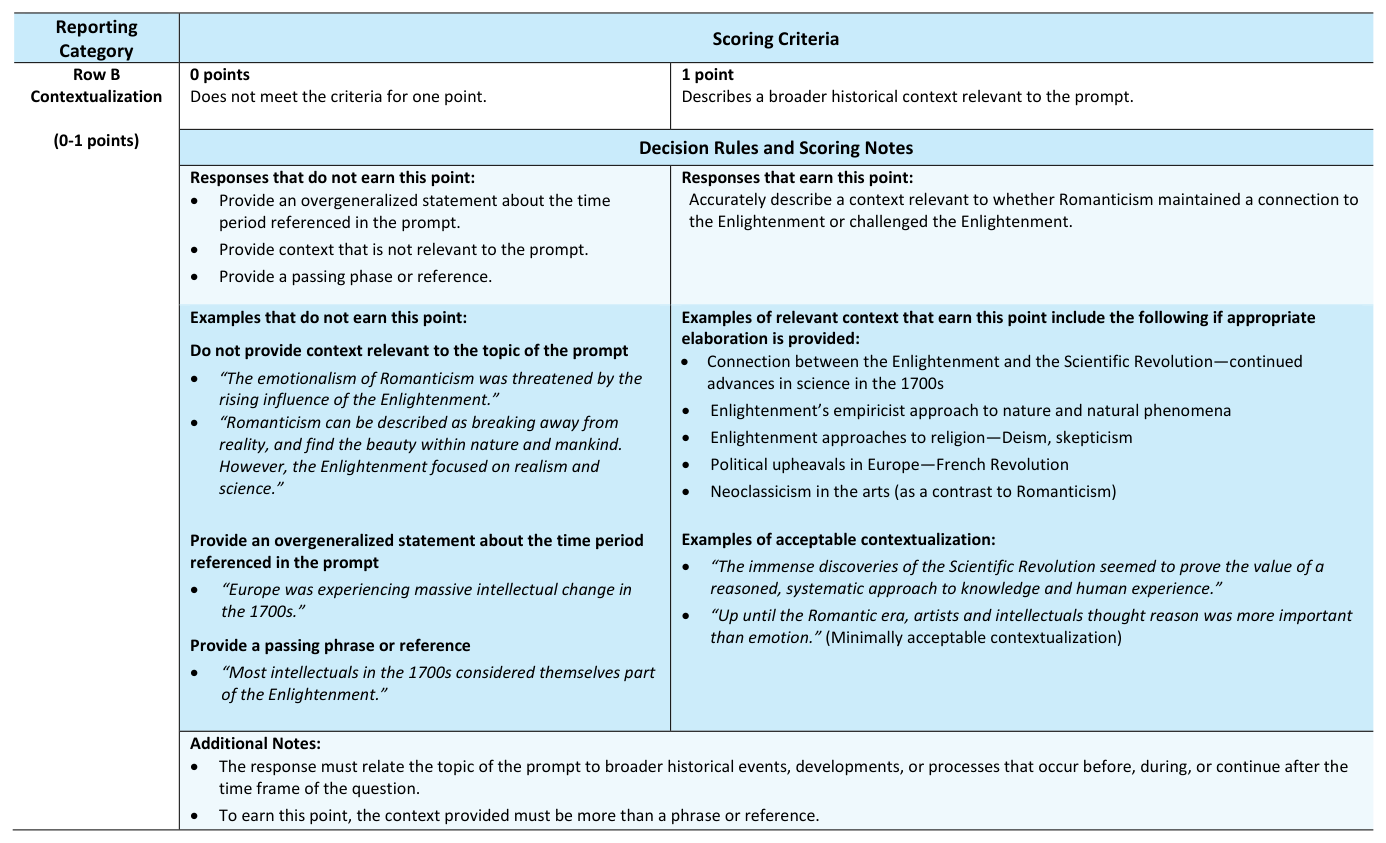

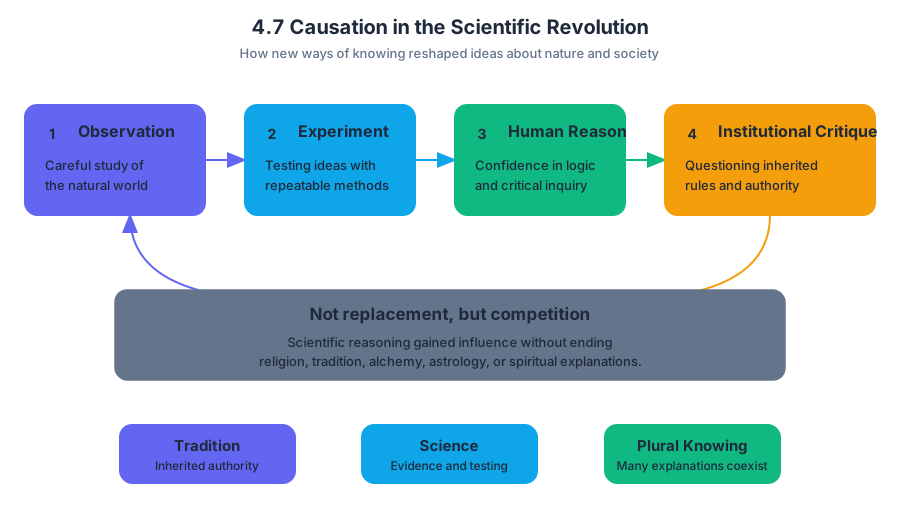
5.1 Contextualizing 18th-century states · 5.2 The rise of global markets
Key concepts: Absolutism · Constitutionalism · Challenges to absolutism · Enlightened monarchs · Global economic networks · Colonial resource extraction · Transatlantic slave-labor system · Commercial rivalries · Diplomacy · European conflict from 1648 to 1815
Between 1648 and 1815, European rulers faced a double challenge: how to concentrate political power at home while competing for wealth and influence in an expanding world economy.
5.1 Contextualizing 18th-century states · 5.2 The rise of global markets
Between 1648 and 1815, European rulers faced a double challenge: how to concentrate political power at home while competing for wealth and influence in an expanding world economy. Absolute monarchy strengthened the authority of the sovereign; constitutionalism limited government through representative institutions and law. At the same time, colonies, coerced labor, trade routes, and commercial rivalry tied European state power to global markets.
Learning Objective: Unit 5: Learning Objective A — Explain the context in which the European states experienced crisis and conflict from 1648 to 1815.
The period begins with the end of the Thirty Years’ War in 1648, when the Peace of Westphalia helped reinforce the importance of territorial states and state sovereignty. It ends around 1815, after the Napoleonic Wars, when European governments attempted to restore political stability. The central pattern is not simply “strong kings versus weak kings,” but a competition among different models of political authority, economic organization, and international power.
Political sovereignty: who gets to rule?
Political sovereignty means the recognized right to exercise supreme authority. Under KC-2.1, different models of sovereignty shaped both relationships among European states and relationships between rulers and their subjects.
In much of Europe, absolute monarchy was established during the seventeenth and eighteenth centuries. An absolute monarch claimed broad authority over lawmaking, taxation, administration, religion, and military affairs. This did not mean that the ruler could literally control every decision; monarchs still depended on nobles, officials, churches, courts, and local communities. It means that political authority was increasingly organized around the crown rather than shared equally among representative bodies.
One important development was the rise of enlightened monarchs. These rulers adopted selected Enlightenment ideas—such as administrative rationalization, religious toleration, and legal reform—while preserving monarchical authority. In parts of the Holy Roman Empire, governments extended religious toleration, showing how rulers could modernize administration without accepting popular sovereignty.
Constitutionalism offered an alternative political system. It holds that government power should be defined and limited by laws, institutions, or a constitution. Challenges to absolutism therefore produced political arrangements in which monarchs shared authority with representative bodies or operated under legal restraints. The key contrast is not “democracy versus monarchy” in the modern sense: constitutional systems could still restrict political participation to property-owning or privileged groups.
Worked contextual example: explaining political change
Suppose a historian asks why constitutionalism became an important alternative between 1648 and 1815. A strong reasoning chain would be:
- Context: The wars of the seventeenth century increased the need for taxation, armies, and centralized administration.
- Development: Monarchs expanded royal authority to meet these demands, encouraging absolutist government.
- Challenge: Subjects and representative institutions resisted unlimited taxation or arbitrary rule.
- Alternative: Constitutionalism emerged as a way to organize state power through law and representation.
- Significance: European states developed different political models rather than following one universal path.
This applies Skill 4.B: Explain how a specific historical development or process is situated within a broader historical context. It also practices the Continuity and Change reasoning process required for Topic 5.1 Contextualizing 18th-Century States.
Misconception check: Absolutism did not mean that every European monarch ruled without limits, and constitutionalism did not automatically mean universal democracy. Both terms describe systems of political authority with internal qualifications.
Global markets and colonial extraction
Under KC-2.2, the expansion of European commerce accelerated the growth of a worldwide economic network. European states drew resources from colonies in the New World and elsewhere, connected distant markets through maritime trade, and used imperial power to secure profitable exchanges.
Colonial resource extraction means taking valuable goods, labor, or revenue from colonized territories for the benefit of imperial powers. European economies received agricultural products and raw materials from overseas colonies, while colonial consumers became markets for European goods. The transatlantic slave-labor system expanded during the seventeenth and eighteenth centuries, making coerced African labor central to the production of plantation commodities and the wealth of merchants, states, and commercial elites.
This network was not merely economic. Trade influenced diplomacy and warfare. Portuguese, Dutch, French, and British competition for Atlantic influence, Asian commerce, and colonial resources made commercial rivalry a matter of state security. Under KC-2.2.III, European sea powers competed for overseas influence, while rivalries in Asia contributed to the expansion of Dutch control in the East Indies and British dominance in India by the end of the period.
The connection can be expressed as a causal chain:
$$ \text{colonial extraction} \rightarrow \text{commercial wealth} \rightarrow \text{state competition} \rightarrow \text{diplomatic tension and warfare} $$
However, the relationship ran in both directions: warfare protected trade routes and colonies, while commercial wealth financed armies and navies. This is why warfare and diplomacy were closely connected to expanding trade and commercial competition.
Worked contextual example: from market expansion to conflict
Imagine two European states competing for access to the same overseas market. Each wants raw materials, profitable trading rights, and strategic ports. Their governments may impose trade restrictions, protect chartered companies, send naval forces, or pressure rival states diplomatically. A dispute that begins with merchants can therefore become a conflict between states.
This explanation applies Skill 1.B: Explain a historical concept, development, or process and the Causation reasoning process assigned to Topic 5.2 The Rise of Global Markets. It also connects the theme ECD: Economic and Commercial Developments with SOP: States and Other Institutions of Power and INT: Interaction of Europe and the World.
Misconception check: “Global markets” did not mean equal or voluntary participation. European dominance depended heavily on imperial coercion, unequal trade, colonial extraction, and the expansion of the transatlantic slave-labor system.
Retrieval check
Explain in two sentences why the period from 1648 to 1815 produced both stronger monarchies and alternative political systems. Then complete the chain: expanding European commerce intensified competition because __________, which influenced diplomacy and warfare by __________.
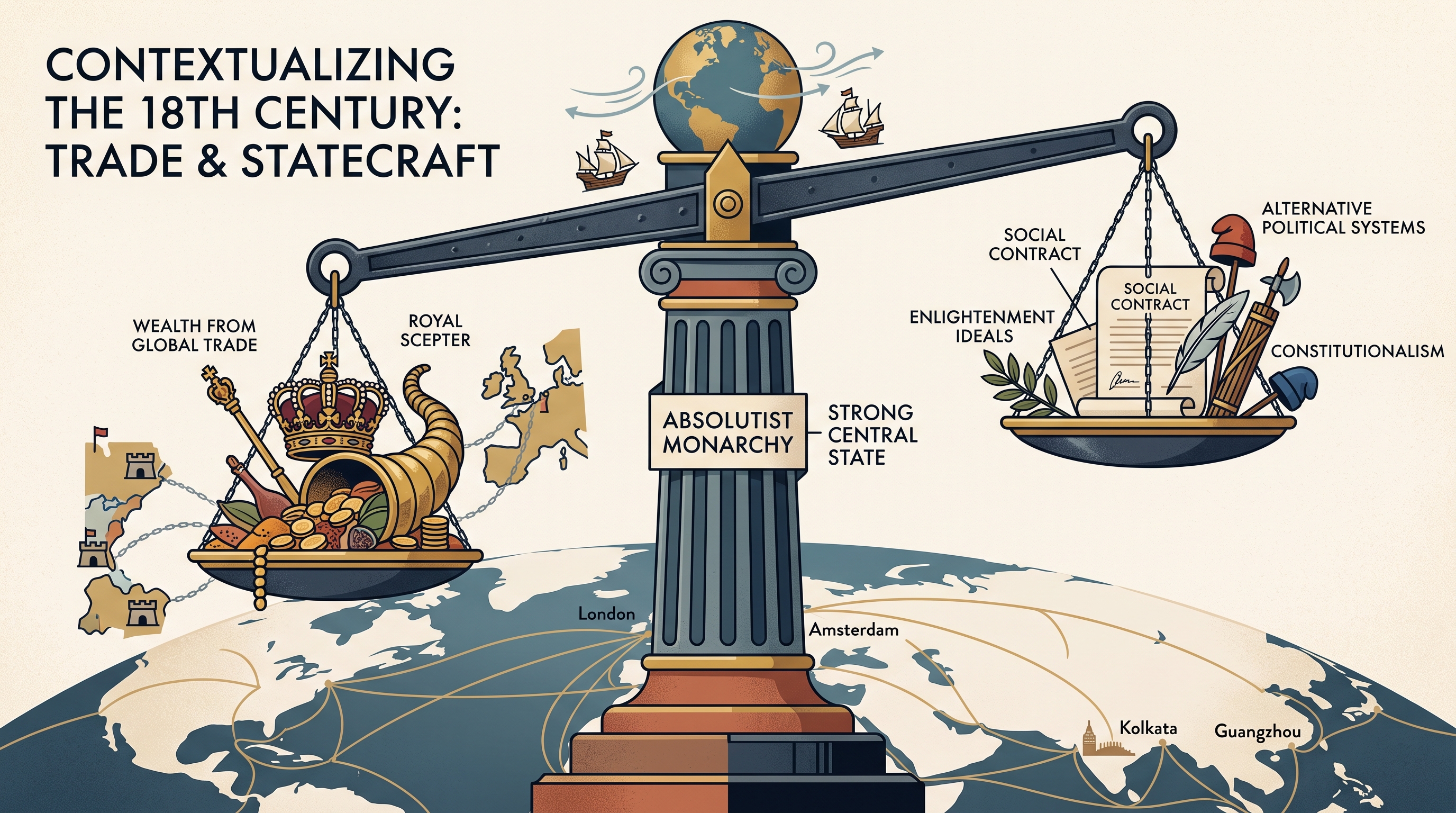
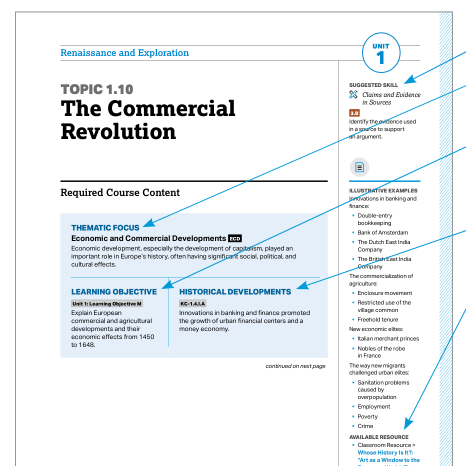

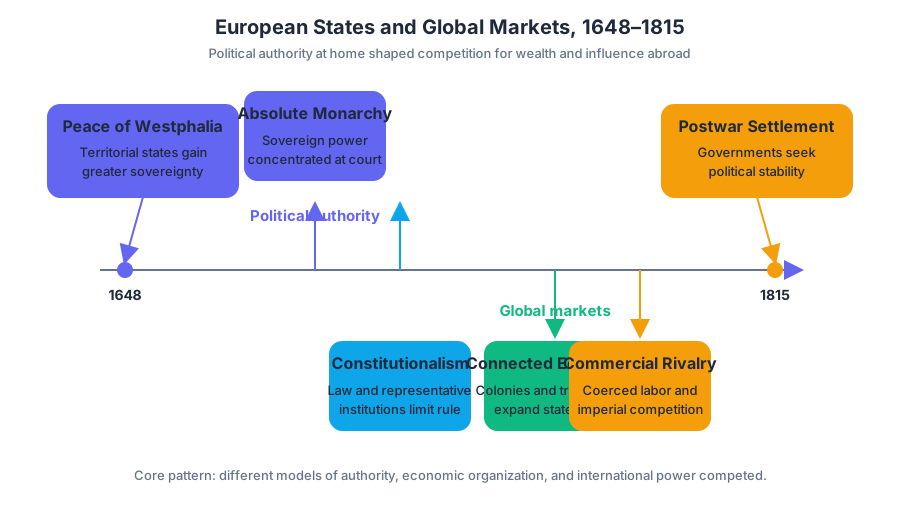
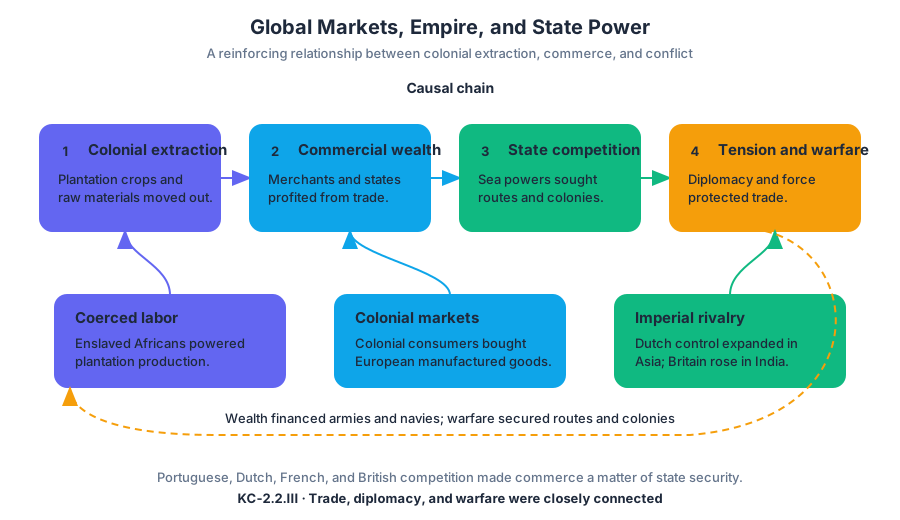
5.3 Britain’s ascendancy · 5.4 The French Revolution
Key concepts: Britain’s ascendancy · French Revolution · causes, events, and consequences of the French Revolution · bread shortages · French involvement in the American Revolution · constitutional monarchy and the Constitution of 1791 · abolition of provinces · Jacobin republic and Robespierre · Revolutionary government and mass conscription · Haitian independence and the legacy of the Revolution
By the late eighteenth century, Britain had become Europe’s leading global power just as France entered a revolution that attempted to remake political authority from the ground up.
5.3 Britain’s ascendancy · 5.4 The French Revolution
By the late eighteenth century, Britain had become Europe’s leading global power just as France entered a revolution that attempted to remake political authority from the ground up. The contrast is striking: Britain consolidated power through parliamentary institutions, finance, commerce, and war, while France’s fiscal crisis and social inequalities produced constitutional experiments, republican radicalism, and mass mobilization.
Britain’s ascendancy
Britain’s ascendancy means its growing dominance in European and global affairs during the eighteenth century. Britain’s power rested on a combination of a relatively stable constitutional monarchy, Parliament’s role in taxation and legislation, expanding overseas commerce, a powerful navy, and the ability to borrow money through a developing financial system.
The British state could raise revenue and sustain war more effectively than many rivals because political authority was increasingly connected to representative institutions and public credit. Military victories and commercial expansion reinforced each other: naval power protected trade, trade generated taxable wealth, and taxation funded further military activity.
A crucial turning point was France’s involvement in the American Revolution. France supported the American colonists against Britain in order to weaken its geopolitical rival, providing money, troops, and naval assistance. The strategy helped the United States win independence, but the cost deepened France’s already serious fiscal problems. In this way, an attempt to restrain Britain helped expose the weaknesses of the French monarchy.
Key causal chain: French rivalry with Britain → intervention in the American Revolution → greater state debt → pressure for taxation and reform → revolutionary crisis.
Misconception check: Britain’s ascendancy did not mean that Britain was already an industrial society in the full nineteenth-century sense. Its eighteenth-century strength came from several connected advantages—Parliamentary government, finance, commerce, naval power, and military organization—not from factories alone.
Why did the French Revolution begin?
The French Revolution resulted from several causes operating at different time scales. KC-2.1.IV.A identifies the combination of long-term social and political causes, Enlightenment ideas, and short-term fiscal and economic crises. The Revolution therefore cannot be explained by a single event or by “Enlightenment ideas” alone.
Long-term grievances included resentment among peasants and the bourgeoisie toward hereditary privilege and unequal taxation. Short-term hardship made those grievances explosive. Bread shortages raised the price of the staple food on which ordinary people depended, turning economic distress into political unrest: a hungry crowd could interpret high prices not simply as an unfortunate harvest problem but as evidence that rulers had failed in their basic obligations.
The monarchy’s debt crisis intensified the emergency. France needed new revenue, but attempts to make privileged groups contribute threatened the political order that protected them. Enlightenment arguments about natural rights, popular sovereignty, and government by consent supplied a language through which social and economic complaints could become demands for institutional change.
The moderate or liberal phase
The first, or liberal, phase established a constitutional monarchy, meaning a monarchy whose powers are limited by a written constitution and representative institutions. The Declaration of the Rights of Man and Citizen expressed principles of liberty and legal equality; the Civil Constitution of the Clergy brought the Catholic Church under national control; and the Constitution of 1791 attempted to preserve a king while transferring significant authority to an elected legislature.
Revolutionary administrators also abolished France’s old provinces and divided the country into departments. This weakened inherited regional privileges and made the state more uniform and centrally administered. The change illustrates how revolution could promote both popular political participation and stronger national government.
Skill connection — Historical Thinking Skill 6: Causation: To explain the Constitution of 1791, connect causes rather than list them. Fiscal crisis created pressure for reform; Enlightenment ideas justified limits on monarchy; popular unrest made inaction dangerous; and the revolutionary assembly translated these pressures into a new political structure.
War and radicalization
The constitutional settlement did not end the crisis. Conflict with foreign monarchies, internal resistance, economic instability, and distrust of Louis XVI pushed the Revolution in a more radical direction. The execution of Louis XVI removed the possibility of restoring the earlier constitutional compromise and made the survival of the Revolution a matter of war and political control.
The radical Jacobin republic led by Robespierre responded to opposition at home and war abroad through the Reign of Terror. The Committee of Public Safety coordinated emergency government, while revolutionary leaders fixed prices and wages, pursued de-Christianization, and used coercion against suspected enemies. The levée en masse, or mass conscription, mobilized citizens for war and created revolutionary armies that sought to spread France’s changes across Europe.
The Revolution’s international consequences extended beyond Europe. In the French colony of Saint-Domingue, enslaved people and other groups transformed revolutionary language about liberty into a struggle against slavery and colonial rule. Saint-Domingue became the independent nation of Haiti in 1804, demonstrating that revolutionary claims could escape the limits intended by European political leaders.
Historical interpretation and retrieval check
One influential interpretation holds that the Revolution weakened feudal restrictions, established a legal framework for capitalism, and brought the bourgeoisie to power. This interpretation emphasizes the destruction of hereditary privilege and the creation of uniform legal and administrative institutions, but historians also debate how fully political power became democratic and how much coercion accompanied economic and legal change.
Claims and Evidence in Sources (Historical Thinking Skill 3) requires more than naming the Reign of Terror: a strong claim would explain that emergency war conditions helped the Jacobins justify centralized authority, while evidence such as the Committee of Public Safety, price controls, and mass conscription demonstrates how the republic attempted to defend the Revolution.
Retrieval check: Explain the French Revolution using one long-term cause, one short-term cause, one moderate-phase reform, and one radical-phase development. Then answer the interpretive question: did the Revolution primarily limit state power, or did it create new forms of centralized state power? Support the answer with two specific examples.
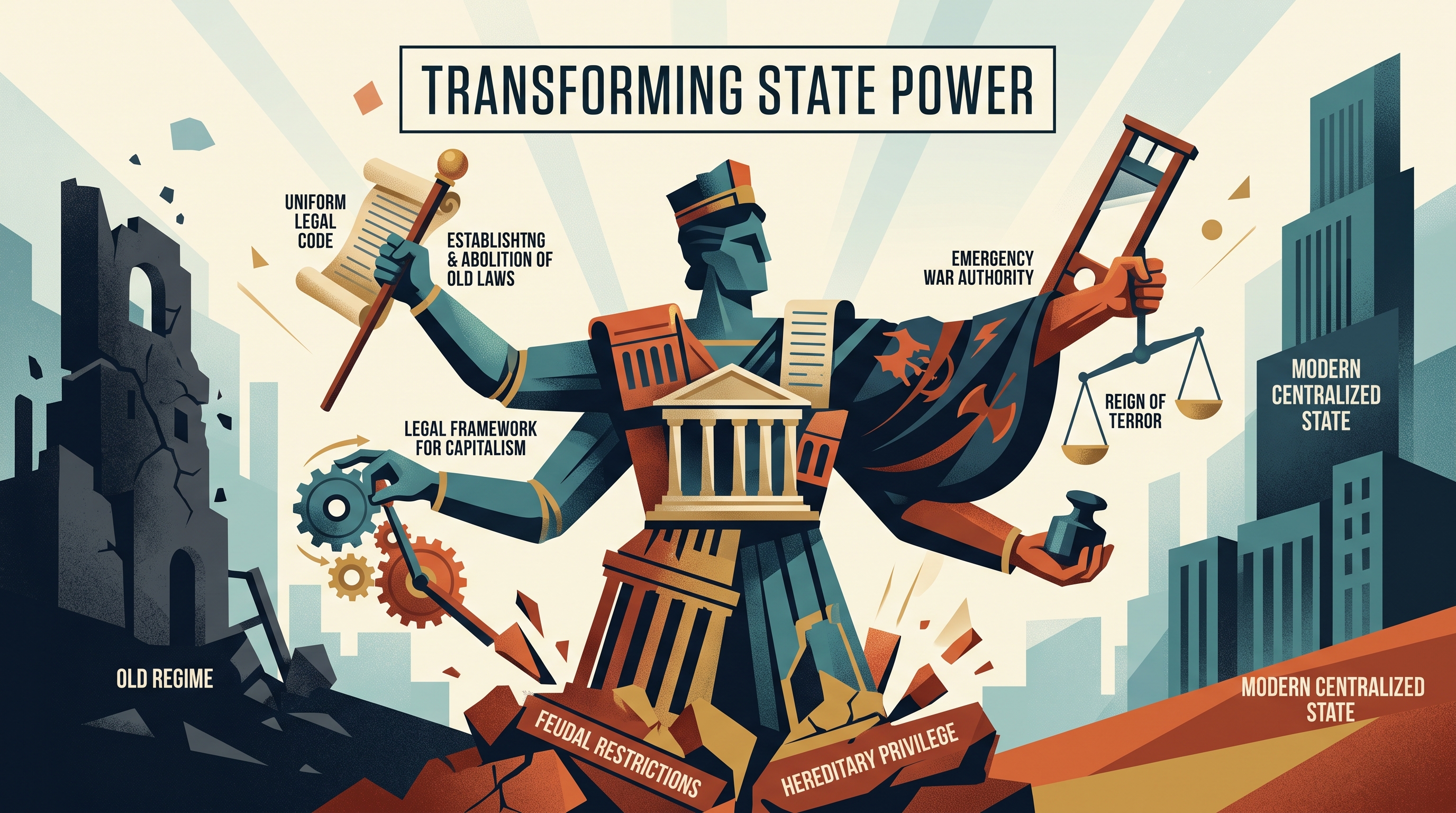
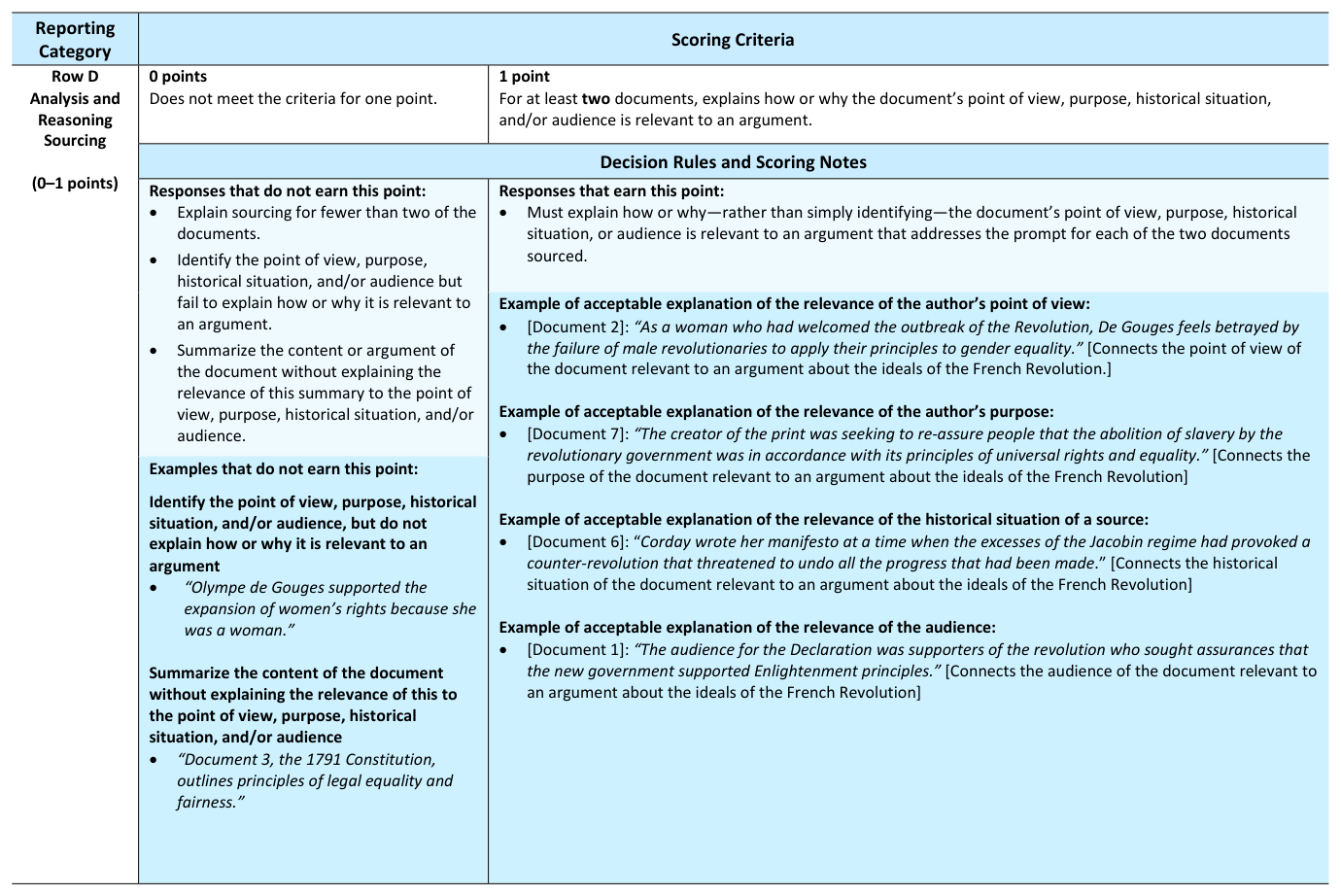
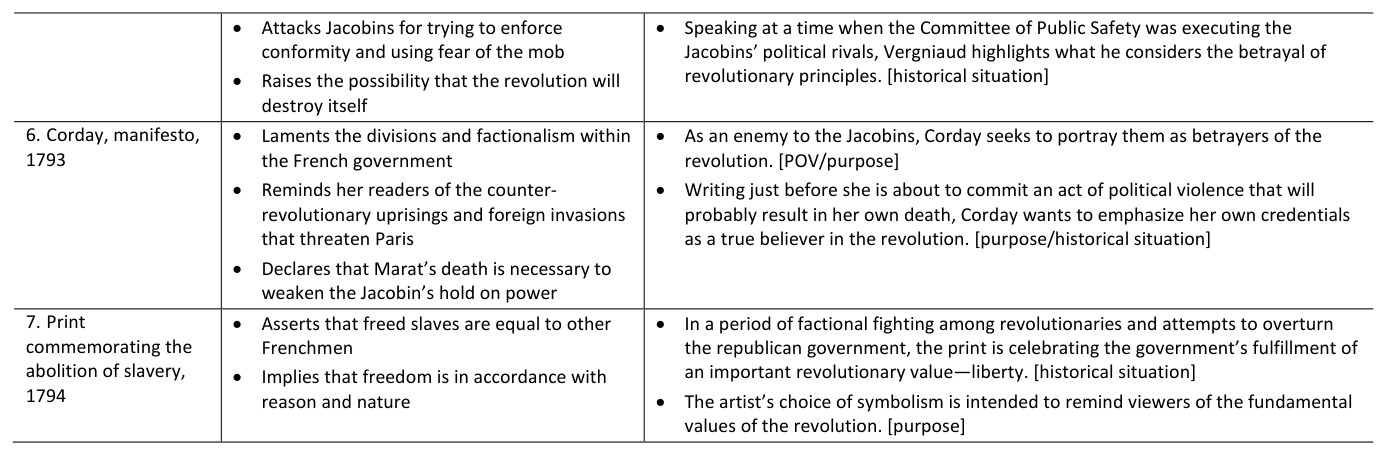
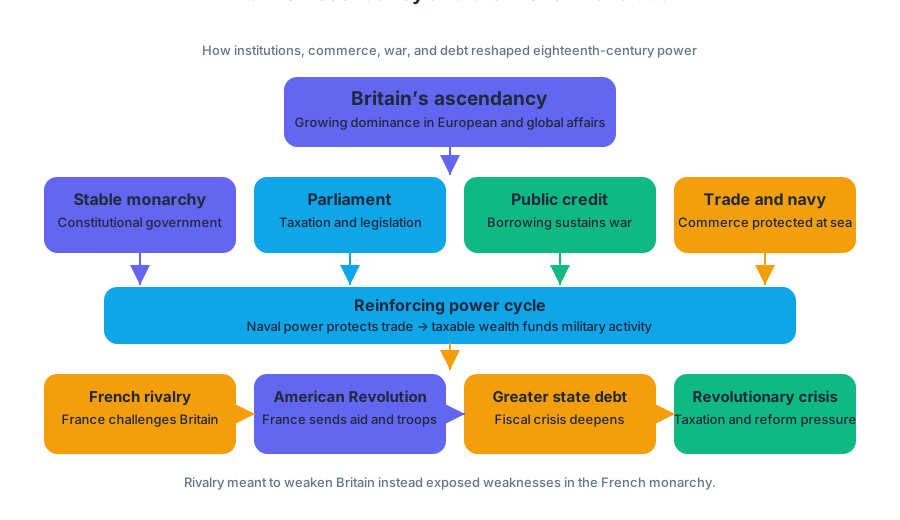
5.5 Effects of the French Revolution · 5.6 Napoleon’s rise, dominance, and defeat
Key concepts: Effects of the French Revolution · Napoleon’s rise, dominance, and defeat · The French Revolution’s challenge to Europe’s existing political and social order · Revolutionary armies and mass mobilization · Spread of French revolutionary ideals across Europe · Napoleon’s domestic reforms · Napoleon’s curtailment of rights and manipulation of political institutions · Napoleon’s effects on European social, economic, and political life · European responses to Napoleon’s rule · Historical causation and contextualization
The French Revolution did more than replace one government with another: it challenged the assumption that Europe’s social and political order should rest on inherited privilege, dynastic monarchy, and legally distinct estates.
5.5 Effects of the French Revolution · 5.6 Napoleon’s Rise, Dominance, and Defeat
The French Revolution did more than replace one government with another: it challenged the assumption that Europe’s social and political order should rest on inherited privilege, dynastic monarchy, and legally distinct estates. Napoleon later preserved some of that revolutionary transformation while rebuilding authoritarian power around himself.
Central tension: Napoleon spread revolutionary principles—legal equality, careers open to talent, and the destruction of feudal privilege—while restricting political liberty and creating an empire.
The Revolution’s challenge to Europe’s existing order
Before 1789, European society generally accepted hierarchy as legitimate. Monarchs ruled by dynastic right; nobles enjoyed legal and fiscal privileges; the Catholic Church held major institutional authority; and ordinary subjects possessed unequal political status. The French Revolution instead advanced ideas of popular sovereignty, citizenship, equality before the law, and the abolition of feudal obligations.
This challenge threatened rulers beyond France because revolutionary principles could travel across borders. If authority came from the nation rather than a monarch, then subjects elsewhere might question hereditary rule. If law should treat citizens equally, then aristocratic privileges appeared less defensible.
The revolutionary army turned these ideas into a continental force. Mass mobilization means recruiting and organizing large portions of the population for national war rather than relying primarily on small professional armies. France’s levée en masse supplied soldiers, while patriotic language portrayed military service as defending the nation and the Revolution.
Revolutionary armies defeated or pressured neighboring states and carried French reforms into conquered territories. In some regions, they abolished feudal dues, weakened noble privilege, and introduced more uniform administration. Yet military occupation also produced taxation, requisitions, and resistance, so the spread of revolutionary ideals was inseparable from coercion.
Napoleon’s rise: from revolutionary instability to empire
Napoleon Bonaparte rose during the instability that followed the most radical phase of the Revolution. His military reputation and political opportunism helped him seize power in the coup of 1799. As first consul, he concentrated authority in the executive, and in 1804 he crowned himself emperor.
His rise illustrates a crucial historical connection: revolutionary crisis weakened representative institutions, while military success gave Napoleon the authority to promise order. He claimed to defend the Revolution by preserving its useful reforms, but he rejected the idea that popular sovereignty required genuine political competition.
Napoleon’s domestic reforms: durable change and controlled politics
Under KC-2.1.V.A, Napoleon created enduring domestic institutions while curtailing rights and manipulating political participation behind representative forms. His centralized bureaucracy made the state more efficient; the Civil Code standardized law and affirmed equality of male citizens before the law, protection of property, and the abolition of many feudal privileges. The Concordat of 1801 repaired relations with the Catholic Church while keeping religion under state supervision. State-controlled education trained officials and promoted loyalty.
These reforms explain why Napoleon’s rule cannot be labeled simply “anti-revolutionary.” He preserved legal equality and administrative rationalization, but he limited women’s rights, strengthened paternal authority within families, used censorship and secret police, and controlled elections and plebiscites. Representative institutions existed, yet they largely confirmed decisions already made by the regime.
Misconception check: Napoleon did not restore the old feudal order. His authoritarian government preserved important revolutionary changes even as it suppressed revolutionary democracy.
Empire, resistance, and nationalist reaction
Under KC-2.1.V.B, Napoleon’s military tactics enabled direct or indirect control over much of Europe. Rapid movement, concentrated forces, and mass armies helped France defeat traditional coalitions. Napoleon reorganized territories, installed relatives or loyal rulers, and created dependent states.
The effects were contradictory. Napoleon’s empire spread legal and administrative reforms, but it also imposed French domination, economic demands, conscription, and the Continental System, which attempted to weaken Britain by restricting European trade with it. These pressures changed social and economic life while encouraging opposition.
Under KC-2.1.V.C, Napoleon’s expanding empire generated nationalist responses. Students protested French control in German states; Spanish communities fought a guerrilla war; and Russia used a scorched-earth strategy, destroying supplies during the French invasion so Napoleon’s army could not live off the land. Resistance increasingly linked local identity with opposition to foreign rule.
Defeat by coalition
Napoleon’s power collapsed because military expansion generated stronger and more coordinated resistance. The disastrous invasion of Russia in 1812 destroyed much of his army. European powers then formed renewed coalitions, defeated French forces at Leipzig in 1813, and invaded France. Napoleon abdicated in 1814, briefly returned during the Hundred Days, and suffered final defeat at Waterloo in 1815.
Skill 1: Developments and Processes requires tracing how revolutionary mobilization, Napoleonic centralization, imperial expansion, and nationalist resistance unfolded over time. Skill 5: Making Connections links domestic reforms to European consequences: the Civil Code strengthened state authority at home, while military conquest exported related institutions abroad. Skill 6: Argumentation requires weighing Napoleon’s reforming legacy against his authoritarian practices rather than treating either side as complete.
Worked interpretation: A source praising Napoleon as the “defender” of the Revolution might emphasize legal equality and the destruction of feudal privilege. A source condemning him might emphasize censorship, secret police, and imperial conquest. A strong comparison identifies each author’s main claim, then explains how political position and historical context shaped the argument.
Retrieval check: Explain one way Napoleon preserved revolutionary change, one way he curtailed revolutionary ideals, and one reason European resistance eventually defeated him.
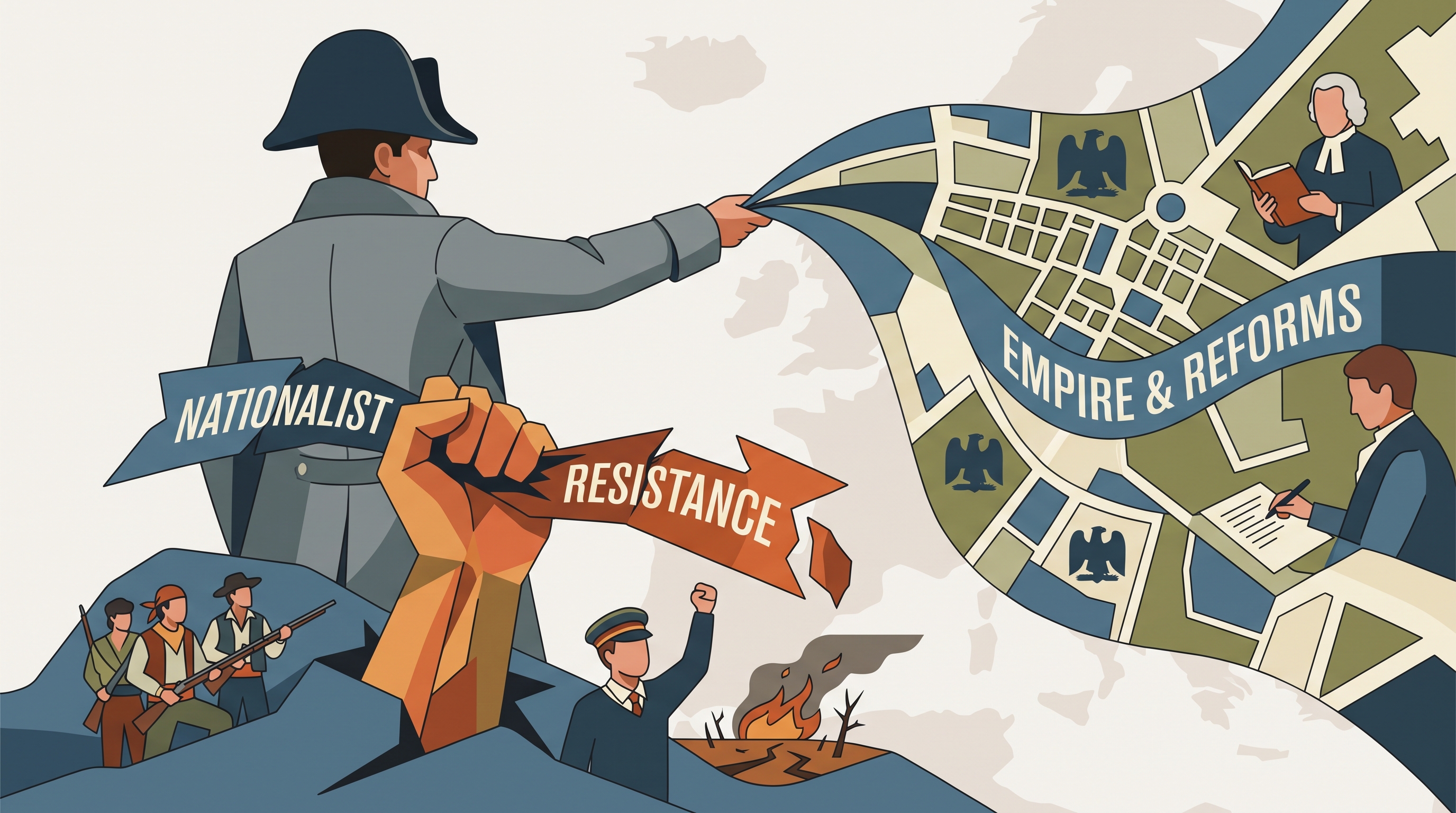
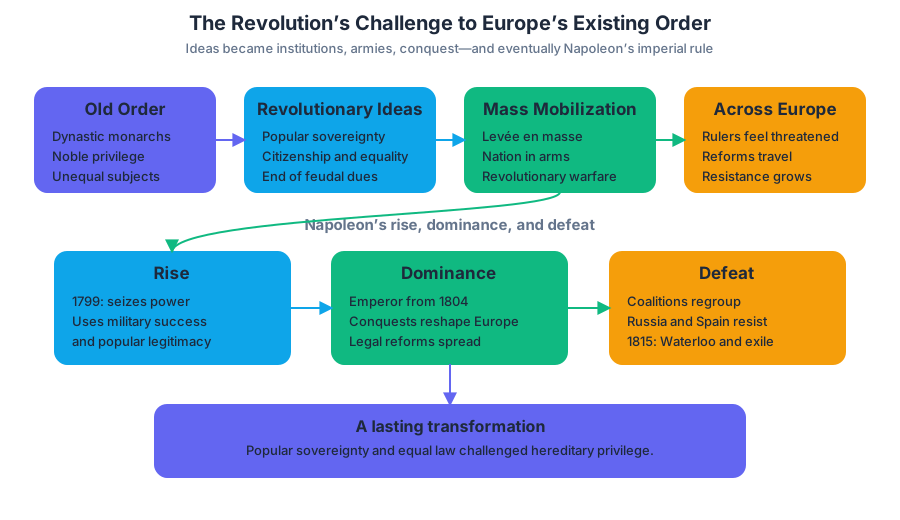
5.7 The Congress of Vienna · 5.8 Romanticism
Key concepts: Congress of Vienna · Romanticism · Napoleonic Wars and the collapse of the Napoleonic Empire · Restoration of monarchies in Europe · Growth of nationalism in the 1800s · Liberalism and constitutionalism after 1815 · Revolutions of 1848 · National mobilization and wars of resistance · Dreyfus Affair · Franco-Prussian War and German annexation of Alsace-Lorraine
The Congress of Vienna tried to make Europe politically stable after the Napoleonic Wars, but the settlement could not erase the forces those wars had unleashed: liberalism, the belief in constitutional government and individual rights, and nationalism, the belief that people sharing a common identity should…
5.7 The Congress of Vienna · 5.8 Romanticism
The Congress of Vienna tried to make Europe politically stable after the Napoleonic Wars, but the settlement could not erase the forces those wars had unleashed: liberalism, the belief in constitutional government and individual rights, and nationalism, the belief that people sharing a common identity should possess political self-determination.
A conservative settlement in a nationalist age
The Congress of Vienna met in 1814–1815 after Napoleon’s defeat and the collapse of his empire. Austria’s Klemens von Metternich, Britain, Russia, and Prussia sought to restore monarchies, contain France, prevent another continent-wide war, and suppress revolutionary movements. Their settlement was based on legitimacy—the return of traditional ruling families—and the balance of power, the principle that no single state should become strong enough to dominate Europe.
The settlement produced a Europe that looked conservative on the surface but was unstable underneath. The victorious powers created arrangements that helped contain France and formed the Concert of Europe, a system of consultation and cooperation through which conservative monarchies could respond to threats. When liberal or nationalist revolutions appeared, governments sometimes intervened militarily to preserve the existing order.
The central contradiction was simple:
| Conservative goal after 1815 | Opposing pressure |
|---|---|
| Restore dynastic monarchies | National groups demanded self-rule |
| Preserve multinational empires | Italians, Germans, Poles, and others sought unity or independence |
| Prevent revolution | Liberals demanded constitutions and civil rights |
| Maintain the balance of power | National mobilization altered the strength of states |
Why nationalism grew after Napoleon
Napoleon’s empire helped spread nationalism even while Napoleon himself ruled imperially. French conquest reorganized territories, weakened old privileges, and introduced legal and administrative changes; resistance to French occupation then encouraged people in Spain, Russia, and the German lands to mobilize around a shared identity. In other words, national feeling grew both from exposure to French power and from opposition to it.
National mobilization means organizing a population around a common identity for political or military action. Spanish guerrilla resistance and Russian resistance during Napoleon’s invasion demonstrated that war could become a struggle of “the people” against a foreign ruler. These conflicts made European politics increasingly nationalistic and helped transform resistance into a demand for national independence or unification.
Liberalism, nationalism, and the Revolutions of 1848
After 1815, liberalism and nationalism often worked together but were not identical. Liberals wanted constitutions, representative institutions, legal equality, and limits on arbitrary royal power. Nationalists wanted political borders to reflect a shared language, culture, or historical community. A movement could therefore be liberal, nationalist, or both.
The Revolutions of 1848 expressed these pressures across Europe. Protesters demanded constitutions and political participation, while national groups sought autonomy or unification. Most revolutions failed in the short term because monarchies retained armies and revolutionary coalitions divided over class, religion, and the boundaries of national states. Yet the uprisings demonstrated that restoration could delay political change without permanently preventing it.
Romanticism: emotion, history, and the nation
Romanticism was an artistic and intellectual reaction against the Enlightenment’s emphasis on universal reason and strict realism. Romantic writers and artists emphasized emotion, imagination, nature, individual experience, the medieval past, and the spiritual power of ordinary people. A stormy landscape, a heroic rebel, or a tragic historical scene could communicate truths that a purely rational system seemed unable to capture.
Romanticism strengthened nationalism by turning culture into evidence of a distinct national character. Writers collected folk songs, legends, fairy tales, and regional histories; poets elevated vernacular languages; composers drew on national melodies. These practices encouraged people to imagine the nation as an extended cultural family with a shared past, even when political unity did not yet exist.
Nationalism as both liberation and conflict
Nationalism could challenge empires, but it could also create new rivalries. German unification culminated in conflict with France during the Franco-Prussian War of 1870–1871. After Prussia’s victory, the new German Empire annexed Alsace-Lorraine, territories claimed by France as well as Germany. The annexation intensified French resentment and showed how national boundaries could turn identity into an international crisis.
The Dreyfus Affair later revealed nationalism’s domestic dangers. In France, the conviction of Jewish army officer Alfred Dreyfus for treason exposed conflicts over military authority, antisemitism, republican politics, and competing definitions of Frenchness. Nationalism could unite citizens against an outside enemy, but it could also exclude minorities and divide citizens within the same state.
Worked historical reasoning
Question: Why did the Congress of Vienna fail to eliminate political conflict in Europe?
Reasoning: The settlement restored monarchies and restrained France, but it did not satisfy liberal and nationalist demands. National mobilization during the Napoleonic Wars had already encouraged groups to imagine political communities based on shared identity. Thus, the Congress created short-term stability while leaving unresolved conflicts that appeared in the Revolutions of 1848 and later nationalist struggles.
This example uses Skill 1: Developments and Processes by tracing change over time; Skill 4: Contextualization by connecting the settlement to the Napoleonic Wars; Skill 5: Making Connections by linking diplomacy, ideology, and resistance; and Skill 6: Argumentation by making a defensible claim supported by specific evidence. A common misconception is that Vienna simply “returned Europe to the past.” It restored monarchies, but it could not restore the pre-Napoleonic political consciousness.
Retrieval check: Explain one way the Congress of Vienna promoted stability and one way Romanticism contributed to later nationalist movements. Then distinguish a liberal demand from a nationalist demand in the Revolutions of 1848.
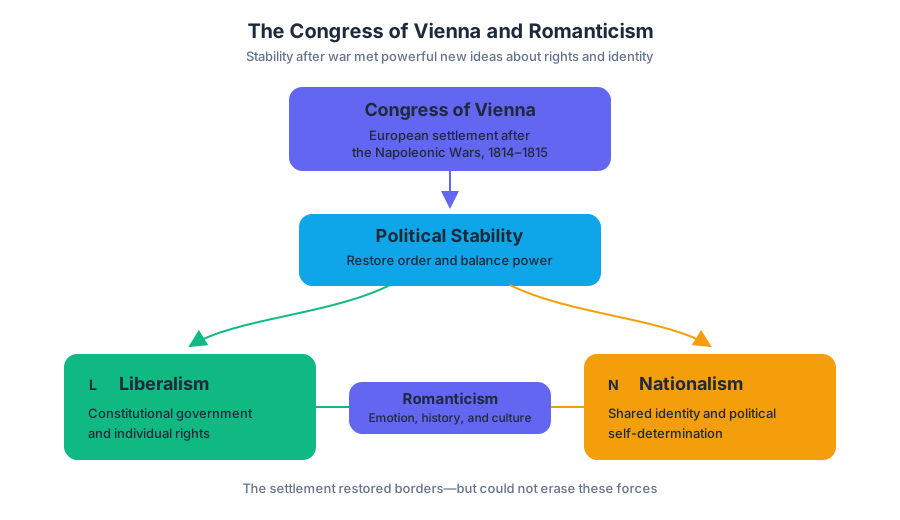
5.9 Continuity and change in 18th-century states
Key concepts: Continuity and change over time (CCOT) · Argumentation using evidence from the entire unit · Identifying historical patterns and connections · Contextualization of 18th-century states · Comparison among contemporaneous European states · Change from and continuity with preceding historical developments · Similarities and differences across European states or regions · The Enlightenment · Romanticism · Absolutism and constitutionalism
Eighteenth-century Europe changed politically without abandoning its older foundations: monarchs expanded administrative power, but dynastic rule, social hierarchy, and unequal privilege remained remarkably durable. The central historical question is therefore not whether Europe “became modern,” but which…
5.9 Continuity and change in 18th-century states
Eighteenth-century Europe changed politically without abandoning its older foundations: monarchs expanded administrative power, but dynastic rule, social hierarchy, and unequal privilege remained remarkably durable. The central historical question is therefore not whether Europe “became modern,” but which institutions changed, which survived, and why.
Continuity and change over time asks you to identify what persisted, what transformed, and how the relationship between the two produced a new historical situation.
The topic’s required reasoning is Unit 5: Learning Objective J: explain how developments and challenges to the political order in eighteenth-century Europe led to continuity and change. Its suggested historical thinking tool is Skill 5.A: Making Connections — Identify patterns among or connections between historical developments and processes. In broader exam language, this is Skill 5: Making Connections, applied through the reasoning process of continuity and change over time.
The pattern: stronger states, persistent hierarchy
Across Europe, rulers improved taxation, expanded professional armies, and relied on more centralized bureaucracies. These changes strengthened states compared with the fragmented political arrangements of the earlier Age of Absolutism and Constitutionalism, yet they did not eliminate inherited privilege. Nobles continued to possess land and status; peasants remained subject to taxes, rents, or serfdom in much of eastern Europe; and political participation remained narrow.
| Continuing feature | Important change |
|---|---|
| Dynastic monarchy remained widespread | Governments developed more centralized administration |
| Nobles retained social and economic privilege | Enlightenment criticism challenged arbitrary authority |
| Social orders and legal inequalities persisted | Britain strengthened parliamentary government |
| States competed through war and diplomacy | Revolutionary and nationalist ideas questioned dynastic rule |
The comparison between Britain and France shows why a simple “absolutism versus democracy” story fails. Britain preserved monarchy and aristocratic privilege, but Parliament and the law limited royal authority after the Glorious Revolution. France retained a powerful monarchy and privileged estates until the French Revolution challenged the entire political order. Both states were hierarchical; they differed in how successfully institutions negotiated power.
Comparing contemporaneous European states
In Prussia, Austria, and Russia, rulers used administrative reform and military power to strengthen monarchies. Frederick the Great of Prussia, Maria Theresa and Joseph II of Austria, and Catherine the Great of Russia are often associated with enlightened absolutism—the use of selected Enlightenment ideas to improve state efficiency while preserving monarchical control. Their reforms could expand education, codify laws, or reduce certain abuses, but they rarely created political equality.
A useful comparison is the relationship between reform and power:
- Prussia: military discipline and bureaucratic administration reinforced the authority of the Hohenzollern monarchy.
- Austria: centralizing reforms attempted to govern a diverse empire more uniformly, but regional privileges and resistance limited results.
- Russia: Catherine promoted Enlightenment language while preserving autocracy and allowing noble dominance over serfs.
- Britain: parliamentary institutions constrained the crown, while aristocratic elites continued to dominate politics.
- France: fiscal crisis, social inequality, and political resistance eventually produced revolutionary rupture.
Romanticism and the limits of Enlightenment confidence
Romanticism belongs in this continuity-and-change argument because it reacted against the Enlightenment’s confidence in universal reason, rational planning, and orderly progress. Romantic writers and artists emphasized emotion, imagination, nature, historical memory, religion, and distinctive national cultures. This was not simply a rejection of all Enlightenment ideas; it was a competing response to the political and social upheavals that rational reform had not resolved.
The French Revolution illustrates the connection. Enlightenment concepts such as popular sovereignty and natural rights helped challenge the old political order, but revolutionary violence and Napoleonic domination encouraged Romantic interest in tradition, community, and national identity. The Congress of Vienna, treated here as a preceding Unit 5 development, attempted to restore dynastic stability after Napoleon while also managing the new forces of nationalism and revolution. Its settlement therefore combined continuity—monarchies and diplomacy—with change—the recognition that mass politics and national feeling could not simply be erased.
Worked argument: building a CCOT claim
Prompt: Evaluate the extent to which eighteenth-century European states changed politically while maintaining continuity with earlier forms of rule.
Step 1 — Establish a defensible claim. Eighteenth-century states changed substantially in administrative capacity and political debate, but continuity was stronger in social hierarchy and the survival of monarchy; revolutionary France represented a sharper rupture than reforming Britain or enlightened absolutist Russia.
Step 2 — Select evidence from the entire unit. Use the rise of global markets and Britain’s fiscal-military strength, the French Revolution, Napoleon’s reorganization of Europe, the Congress of Vienna, and Romanticism’s reaction against Enlightenment universalism.
Step 3 — Explain the connection. Commercial expansion gave states more resources, but unequal taxation intensified resentment. Enlightenment criticism weakened the legitimacy of absolutism, while revolution and war produced both political innovation and conservative restoration. The result was not a clean transition to liberal democracy but a contested mixture of reform, reaction, and persistence.
Misconception check
Misconception: “The French Revolution ended absolutism everywhere.” The Revolution destroyed the Bourbon monarchy for a time and spread new political principles, but monarchies returned after Napoleon. The Congress of Vienna demonstrates that conservative rulers could restore dynastic government even while adapting diplomacy to a Europe transformed by revolution and nationalism.
Retrieval and interpretation check
Name one continuity and one change between eighteenth-century European states and earlier absolutist states. Then explain why Britain, Russia, and revolutionary France should not receive the same label for their political development. A strong response must identify a pattern, use specific evidence from multiple Unit 5 topics, and explain the relationship between persistence and transformation rather than merely listing events.
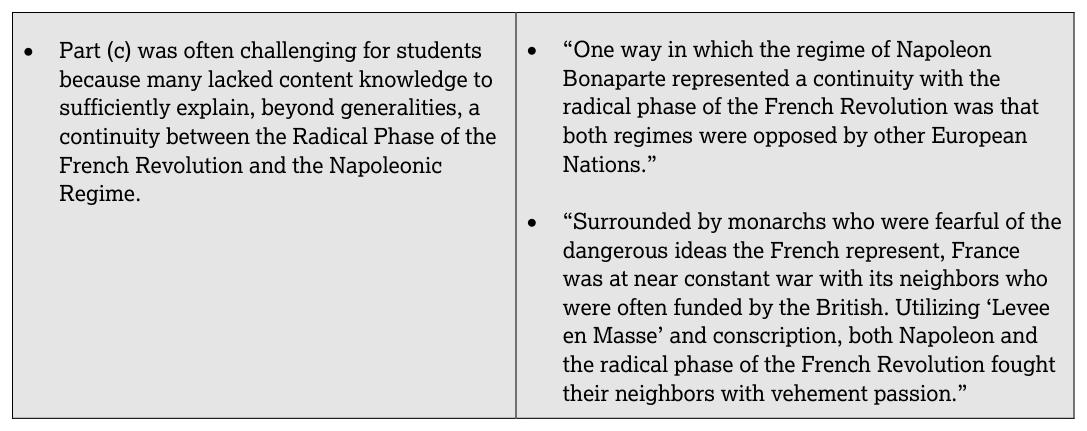
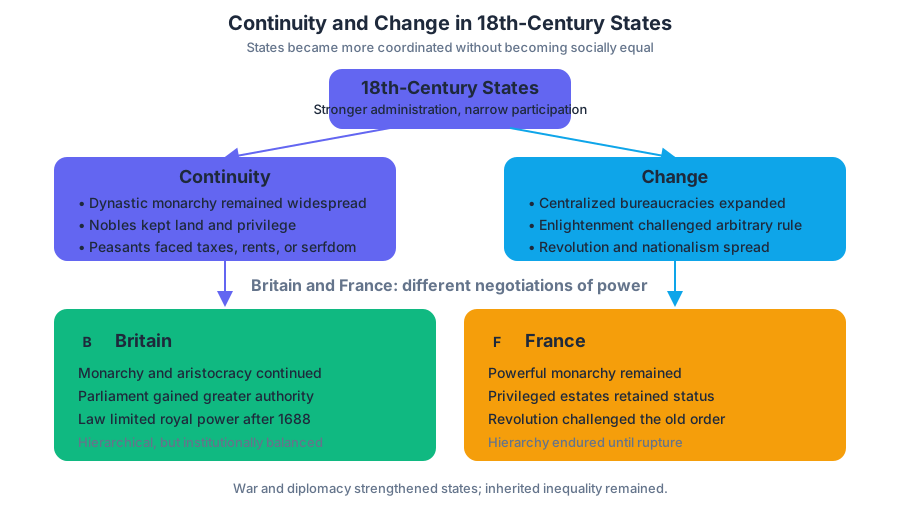
6.1 Contextualizing industrialization, its origins, and its effects · 6.2 The spread of industry throughout Europe
Key concepts: Industrialization · Industrial Revolution · Capitalism · Economic development · Technological and scientific innovation · Political and social climates · State promotion of industry · Spread of industry from Great Britain to continental Europe · Social, political, and cultural effects of economic development · Relationship between knowledge, traditional authority, and changing worldviews
The Industrial Revolution began in Great Britain because machines, resources, markets, institutions, and political conditions reinforced one another. After 1815, industrialization spread across continental Europe, but it did not simply copy the British experience: governments, social structures, labor systems, and…
6.1 Contextualizing industrialization, its origins, and its effects · 6.2 The spread of industry throughout Europe
The Industrial Revolution began in Great Britain because machines, resources, markets, institutions, and political conditions reinforced one another. After 1815, industrialization spread across continental Europe, but it did not simply copy the British experience: governments, social structures, labor systems, and access to capital shaped each region’s path.
Industrialization is the sustained transformation from predominantly hand-based production and agricultural economies toward mechanized production, factory organization, wage labor, and expanding commercial markets.
Britain’s early industrial lead
Britain’s ready supplies of coal, iron ore, and other raw materials promoted industrial growth (KC-3.1.I.A). Coal supplied energy for steam engines; iron supported machines, tools, bridges, and railways. These resources mattered most because Britain also possessed transportation networks, commercial ports, and investors able to connect mines, factories, and consumers.
The decisive breakthroughs appeared first in textile production, iron and steel production, and transportation (KC-3.1.I). Mechanized spinning and weaving increased the speed and volume of cloth production. Improved ironmaking produced stronger, cheaper machinery, while canals, roads, steamships, and railways lowered the cost and time of moving raw materials and finished goods.
Britain’s advantage depended on a favorable political and social climate. Parliamentary government promoted commercial and industrial interests because merchants, manufacturers, and financiers were represented in Parliament (KC-3.1.I.C). A relatively secure property system, enforceable contracts, patent protections, and a culture that valued enterprise encouraged private investors to risk capital on unfamiliar technologies.
Economic institutions and human capital—the practical knowledge and skills of engineers, inventors, mechanics, and capitalists—also supported British leadership (KC-3.1.I.B). Industrialization was therefore not caused by one invention. It emerged when resources, skilled people, private investment, markets, and political influence formed a mutually reinforcing system.
Scientific knowledge and applied invention
Scientific innovation produces new knowledge about the natural world; technological innovation applies knowledge, materials, and techniques to solve practical problems. The two frequently interacted, but they were not identical. Early industrialization often began with skilled mechanics and experimenters solving production problems before scientists fully explained the underlying processes.
Scientific institutions nevertheless created an environment in which useful knowledge could be tested, recorded, and transmitted. Learned societies such as the Royal Society, expanding networks of engineers and inventors, printed technical publications, and improving educational institutions encouraged measurement, experimentation, and the circulation of ideas. Newtonian physics helped make motion, force, and mechanics intelligible, while advances in experimental chemistry—including more precise analysis of materials—supported improvements in metallurgy, fuels, and manufacturing.
A steam engine illustrates the relationship. The engine was an applied technology designed to pump water and provide power; its improvement depended on practical experimentation, precision engineering, and growing knowledge of heat, pressure, and mechanics. Scientific understanding did not automatically produce factories, but it made industrial problems more measurable and solvable. The creation and transmission of knowledge consequently challenged traditional authorities and reshaped European views of human control over nature.
Why industrialization spread unevenly
The Industrial Revolution spread from Great Britain to the continent, where the state played a greater role in promoting industry (KC-3.1). Continental governments often sponsored railways, built infrastructure, protected domestic industries with tariffs, established technical schools, and directed investment toward mining and heavy industry. In Britain, private initiative generally led the process; on the continent, state sponsorship frequently compensated for weaker private capital markets or fragmented economies (KC-3.1.II).
Political and social climates determined whether new technology could take root. Governments with administrative capacity could standardize laws, build transportation, and mobilize funds. Social structures also mattered: labor relations, access to land, urban markets, the availability of wage workers, and elite attitudes toward commerce could either encourage or obstruct factory growth. Regions divided by internal tariffs, dominated by rigid labor systems, or lacking investors and skilled workers generally industrialized more slowly.
Worked contextual example: Britain’s textile industry combined imported cotton, mechanized spinning and weaving, coal-powered factories, commercial ports, and investors seeking profit. Parliament protected commercial interests, while engineers and mechanics improved machines. When continental governments later financed railways or supported coal and iron production, they adapted the British model to different political conditions rather than reproducing it exactly.
Economic development and wider historical change
Capitalism is an economic system organized around private ownership, investment, markets, wage labor, and the pursuit of profit. Its expansion made economic development a major force in Europe’s social, political, and cultural history (ECD). Industrial capitalism connected mines, factories, banks, transport systems, workers, and consumers into increasingly interdependent markets.
Industrialization increased efficiency, expanded production, improved transportation, and changed daily life and human interaction. It also gave states and businesses greater power to organize labor, extract resources, circulate information, and shape national identities. The social consequences of factory work and urban growth belong chiefly to 6.3 Second-wave industrialization and its effects · 6.4 Social effects of industrialization; here, the key point is that the industrial system created the conditions for those later transformations.
Misconception check: Britain did not industrialize simply because it “had coal.” Resources were necessary but insufficient. Britain’s lead resulted from the interaction of raw materials, mechanization, transportation, human capital, capitalism, parliamentary influence, and favorable attitudes toward enterprise.
AP skill connection — 1.B, “Explain a historical concept, development, or process”: A strong explanation does more than identify Britain as the birthplace of industrialization. It connects specific factors in a causal chain: coal and iron enabled energy and machinery; private capital and skilled inventors developed technologies; parliamentary institutions protected commercial interests; transportation linked production to markets; and continental states later promoted industry where private initiative alone was weaker.
Retrieval check: Why did industrialization begin in Great Britain, and why did continental European governments generally play a larger role in spreading it? In one sentence, distinguish a scientific advance from an applied invention, then connect both to the wider process of industrialization.
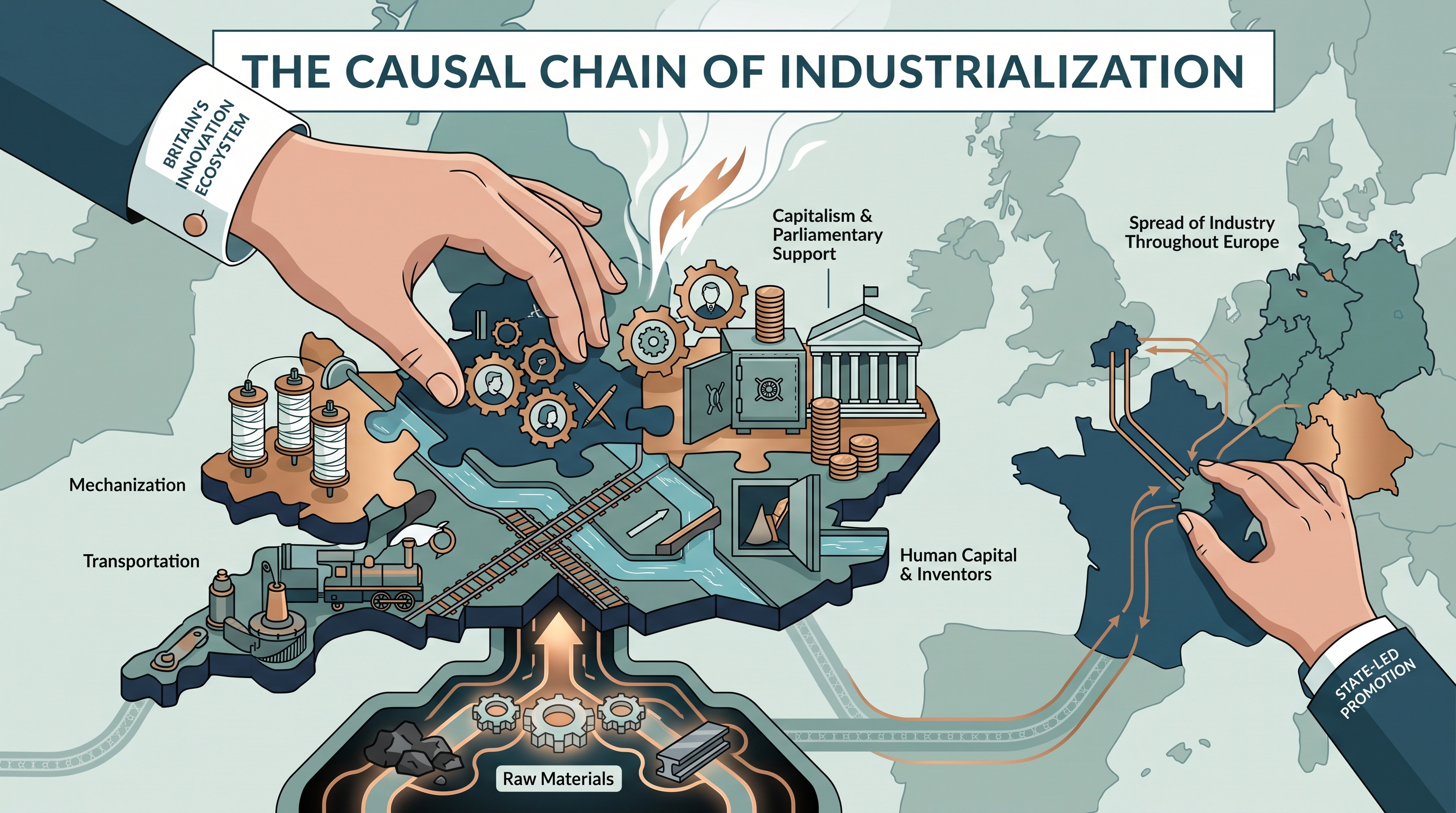
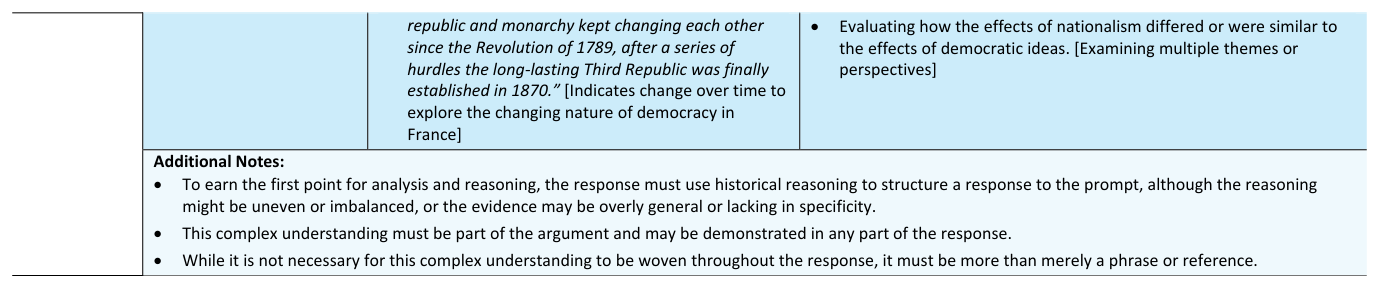
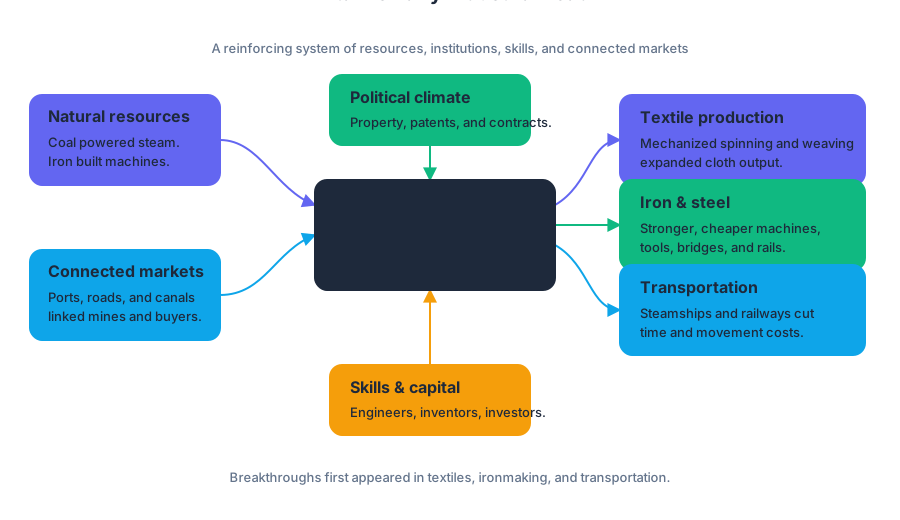
6.3 Second-wave industrialization and its effects · 6.4 Social effects of industrialization
Key concepts: Second-wave industrialization · Industrialization in Prussia and German unification · Government-sponsored industrialization · Delayed industrialization · Mass marketing and consumer society · Rising wages and demand for consumer goods · Separate spheres and women’s social roles · Women’s wartime labor during World War I · Industrialization’s social effects · Women’s rights and feminist movements
Industrialization did more than produce more iron, textiles, and machines: it changed who governed, what families bought, where women worked, and how Europeans imagined political rights.
6.3 Second-wave industrialization and its effects · 6.4 Social effects of industrialization
Industrialization did more than produce more iron, textiles, and machines: it changed who governed, what families bought, where women worked, and how Europeans imagined political rights. In Prussia, railways and coordinated economic policy helped turn industrial strength into national power; in Paris, department stores transformed rising wages into a new consumer society.
Second-wave industrialization was the later phase of European industrial growth, marked by expanded manufacturing, improved transportation, state investment, mass production, and the rapid growth of consumer markets.
From Prussian industry to German power
Prussia’s industrialization helped it become the leader of a unified Germany. The Zollverein, a customs union that reduced internal trade barriers among many German states, allowed goods, capital, and raw materials to circulate more efficiently. Investment in transportation networks—especially railways—connected coalfields, factories, cities, and military centers, while improved manufacturing methods increased productive capacity.
The political consequence was substantial: economic integration strengthened Prussia’s ability to lead German unification. After unification, Germany experienced rapid, government-sponsored industrialization, meaning that the state actively supported economic development rather than simply allowing private entrepreneurs to act alone. This included transportation investment, industrial coordination, and policies associated with Friedrich List’s National System, which argued that national economic strength required protective and developmental policies.
KC-3.2.IV.A: Industrialization in Prussia allowed it to become the leader of a unified Germany, which subsequently underwent rapid, government-sponsored industrialization.
The sequence matters. Industrial development did not merely follow political unification; it helped make Prussian leadership possible, and the newly unified German state then accelerated industrial development. This is a relationship of mutual reinforcement:
Zollverein and railways → larger integrated market → stronger Prussian industry → German unification under Prussian leadership → state-sponsored industrial expansion
Why industrialization was uneven
Not every region industrialized at the same speed. Delayed industrialization means that a region entered large-scale industrial development later than earlier industrial centers. Geographic obstacles could make transportation expensive; surviving serfdom or powerful landed elites could limit labor mobility and investment; and weak government support could leave entrepreneurs without the infrastructure needed for growth.
Delayed industrialization could produce serious negative outcomes. Governments or businesses might borrow heavily to catch up, creating debt, while inadequate transportation and agricultural weakness could contribute to famine. Industrial delay therefore was not simply “being behind”; it could intensify economic and social vulnerability.
Misconception check: Delayed industrialization did not mean that a society had no economy or technology. It meant that industrial growth was later, more limited, or less effectively supported than in leading regions.
Mass marketing and the consumer society
Industrialization increased the supply of manufactured goods, but factories also needed buyers. Mass marketing connected mass production to mass consumption through advertising, department stores, and catalogs. These techniques persuaded customers that manufactured goods were affordable, desirable, and connected to modern social life.
Rising wages among lower- and middle-class consumers increased demand for consumer goods. As demand grew, businesses expanded production and retailing, helping create a modern consumer society, in which purchasing manufactured goods became a regular and socially meaningful part of life.
Department stores illustrate the connection. Large urban stores depended on high sales volumes and continuing economic growth. They displayed many products under one roof, reached a wider customer base than traditional shops, and encouraged middle-class women to spend on clothing, household items, and other consumer goods. Urbanization made large stores possible, while industrial production filled them with affordable merchandise.
Gender, work, and consumption
Consumer society did not erase class differences between women. Middle-class women were generally expected to remain within the home and manage domestic consumption. Shopping could therefore be presented as part of respectable household management rather than as paid employment.
Many lower-class women, by contrast, worked outside the home. Department stores created new jobs as clerks and salespeople, even while those jobs often preserved unequal wages and limited advancement. The same economy that encouraged middle-class women to consume could employ lower-class women in retail labor.
World War I disrupted these expectations. As men were drafted and sent to fight, women’s participation in work outside the home increased. Industrial and social change also contributed to new political movements and rights, including feminism, while reforms such as the Factory Acts connected changing working conditions to government regulation.
Misconception check: Industrialization did not produce a single, universal “women’s experience.” Class shaped whether a woman was expected to consume at home, earn wages outside it, or do both.
Worked historical reasoning
Claim: Department stores reflected broader industrial and social change. Context: Second-wave industrialization expanded the mass production of consumer goods, while urbanization created dense customer markets. Development: Rising wages increased demand; department stores used advertising and high-volume sales to meet that demand. Social effect: Middle-class women gained a prominent role as consumers, while lower-class women gained retail employment. Political consequence: Critiques of inequality and consumerism helped encourage movements for expanded rights, including feminism.
This chain demonstrates Historical Thinking Skill 1.A: Identify and describe a historical concept, development, or process, Historical Thinking Skill 4.B: Explain how a historical context relates to a historical development, and Historical Thinking Skill 5.B: Explain patterns and processes of continuity and change over time. An AP response must explain how or why the relationship existed, not merely name “industrialization” or “women’s rights.”
Retrieval check
Why did Prussia’s industrialization contribute to German unification, and why did department stores depend on rising wages? In two sentences, connect one economic development to one political outcome and one economic development to one social or gender outcome.
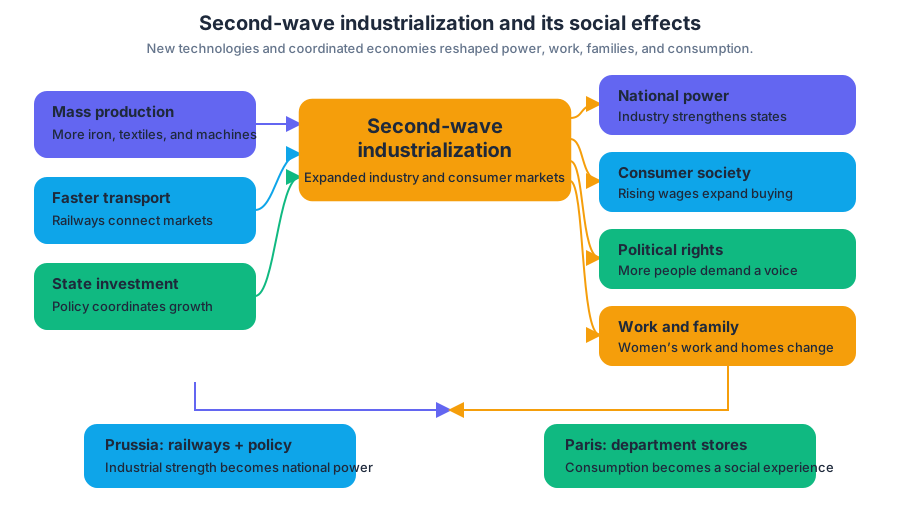
6.5 The Concert of Europe and European conservatism · 6.6 Reactions and revolutions
Key concepts: Economic, social, and cultural exchanges · Atlantic world · Spain’s dominance in sixteenth-century Europe · Asiento · War of the Spanish Succession · Religious conflict and state power · Ottoman Empire · Landholding elites · The nuclear family · Mercantilism
The political order created after Napoleon tried to do two things at once: preserve Europe’s traditional hierarchies and prevent any single state from dominating the continent again.
6.5 The Concert of Europe and European conservatism · 6.6 Reactions and revolutions
The political order created after Napoleon tried to do two things at once: preserve Europe’s traditional hierarchies and prevent any single state from dominating the continent again.
From Atlantic rivalry to a European balance of power
Sixteenth-century Spain demonstrated how overseas connections could magnify European power. Its Atlantic, Caribbean, and Pacific links brought silver, trade, territory, and strategic advantages that helped make Spain a dominant European state. Yet overseas wealth also intensified rivalry: the Asiento, a contract granting the right to supply enslaved Africans to Spanish America, became an important example of Atlantic exchange and competition among European powers.
The War of the Spanish Succession showed how dynastic politics, commercial interests, and fears of hegemony overlapped. When the Spanish Habsburg line ended in 1700, other European states opposed the possibility that the French Bourbon monarchy might control both France and Spain. The resulting conflict was therefore not merely a family dispute; it was a struggle over Europe’s balance of power and access to Atlantic commerce.
These earlier conflicts help explain the later Concert of Europe: a diplomatic system in which major powers cooperated to prevent revolutionary upheaval and another continent-wide war. After Napoleon’s defeat, Austria, Russia, Prussia, and Britain—joined in important ways by restored Bourbon France—attempted to manage Europe collectively rather than allow one state to dictate its future.
Conservatism after 1815
Conservatism was the political outlook that treated inherited institutions—monarchy, established religion, aristocratic authority, and social hierarchy—as valuable safeguards against disorder. Conservatives did not necessarily reject all change, but they opposed rapid popular revolution and political systems based on unrestricted national sovereignty or mass democracy.
At the Congress of Vienna in 1814–1815, diplomats redrew borders, restored ruling dynasties, and created arrangements intended to contain France. Austria’s foreign minister Klemens von Metternich became the leading symbol of this policy. The Concert’s members used conferences, alliances, censorship, and sometimes military intervention to suppress revolutions that threatened monarchical rule.
Key distinction: The Concert of Europe was a diplomatic mechanism; conservatism was the ideology that justified protecting established authority.
Religious conflict remained politically useful. European rulers could present opponents as threats to social order, Christian unity, or legitimate authority, then use those conflicts to centralize power and justify repression. Religion was therefore not simply a private belief system; it could become a language through which states defended political objectives.
A necessary correction: the Ottoman Empire and Catholic unity
The Ottoman Empire was a Muslim empire and a major rival of the Habsburgs. It attempted, unsuccessfully, to expand into central Europe, including the failed Ottoman siege of Vienna in 1683. It did not attempt to restore Catholic unity across Europe. The historically accurate interpretation is that Ottoman-Habsburg conflict shaped European religious and political anxieties, while Catholic unity was pursued by Catholic powers such as the Habsburg monarchy and the papacy.
Misconception check: “Ottoman attempts to restore Catholic unity” reverses the religious and political relationship. Ottoman expansion challenged Catholic Habsburg power; it did not promote it.
Society beneath the diplomatic order
Conservative restoration affected landholding elites differently across Europe. In eastern Europe, nobles often retained extensive estates and control over dependent agricultural laborers. In western Europe, the French Revolution and commercial development had weakened some aristocratic privileges, while property-owning middle classes gained influence. Thus, “restoration” did not recreate one identical social order everywhere.
The family remained the primary social and economic institution of early modern Europe. The nuclear family—parents and children living as a household—was one important form, although extended households and other arrangements also existed. Household organization mattered politically: inheritance determined who controlled land, marriage joined property and status, and family labor supported farms, workshops, and businesses. By protecting property transmission and male-headed households, conservative governments also defended the class structure on which post-1815 hierarchy rested.
Economic change created another tension. Mercantilism was an early modern system in which states regulated trade, promoted exports, protected domestic industries, and used colonies to strengthen national power. Over time, western Europe moved toward a freer economic system, with fewer restrictions on internal and international commerce. This shift expanded commercial opportunities but also challenged older corporate privileges and helped produce new political demands.
Reactions and revolutions
The Concert could suppress some revolutions, but it could not eliminate the pressures behind them. Liberalism demanded constitutional government and civil liberties; nationalism sought political units based on shared identity; and popular groups increasingly challenged dynastic rule. Revolts in Spain, Italy, and Greece during the 1820s, the French Revolution of 1830, and the wider revolutions of 1848 exposed the limits of conservative control.
AP skill connection: Topic 6.5 The Concert of Europe and European conservatism emphasizes Skill 5: Making Connections—linking diplomacy, economic systems, social hierarchy, and religious authority. Topic 6.6 Reactions and Revolutions emphasizes Skill 6: Argumentation—using evidence to explain why restoration produced resistance rather than permanent stability.
Worked interpretation: If a government restores a monarchy after revolution but leaves unequal landholding, restricts political participation, and censors opposition, conservative stability may be temporary. The same measures that protect elites can give liberals, nationalists, and other opponents a shared reason to resist. That causal chain explains why the post-1815 order endured for decades yet repeatedly faced revolutionary challenges.
Retrieval check: Explain one way the Asiento or the War of the Spanish Succession reveals the connection between Atlantic commerce and European state rivalry. Then explain why the family belonged to the political history of conservatism rather than existing as an isolated social topic.
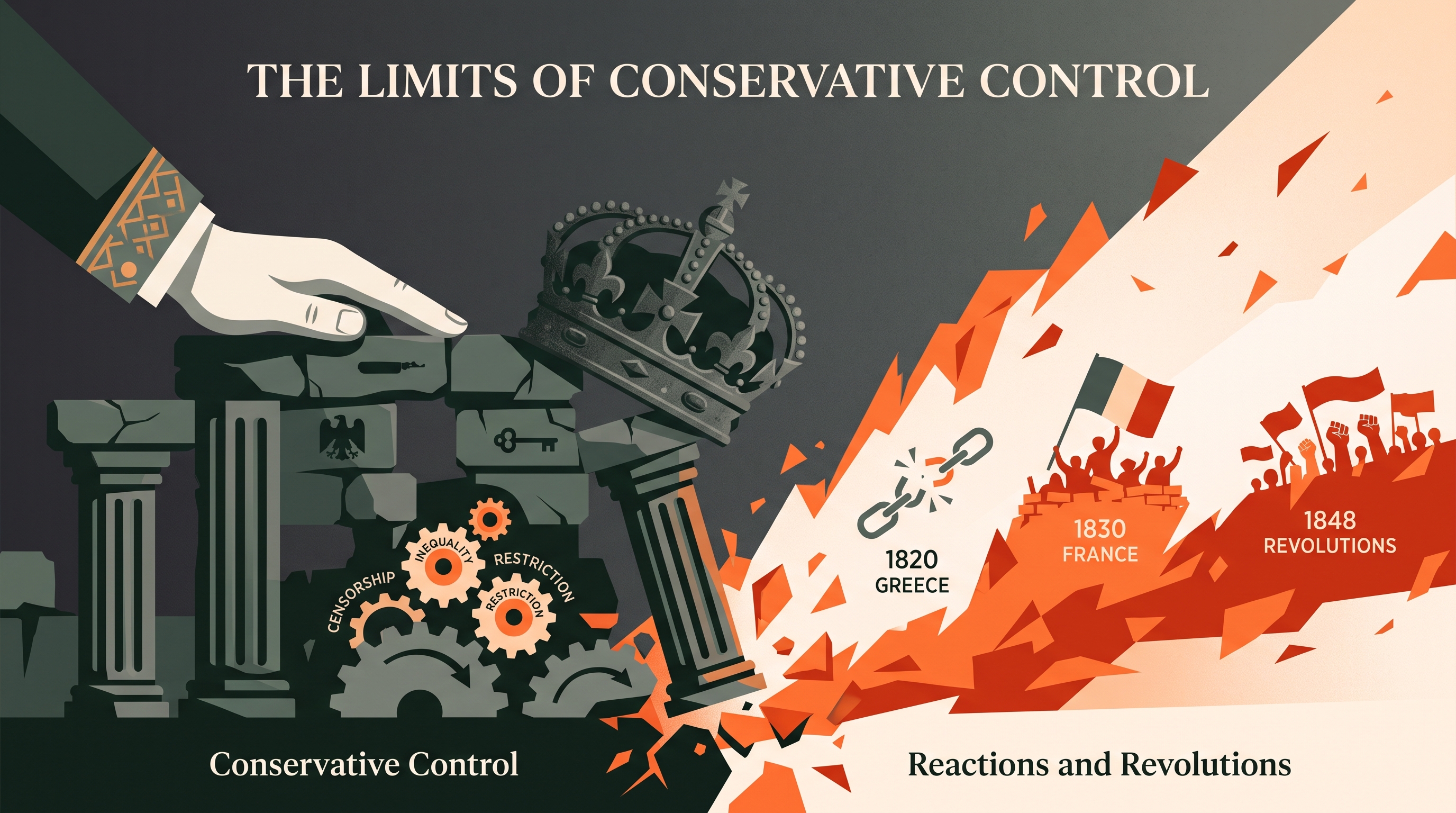
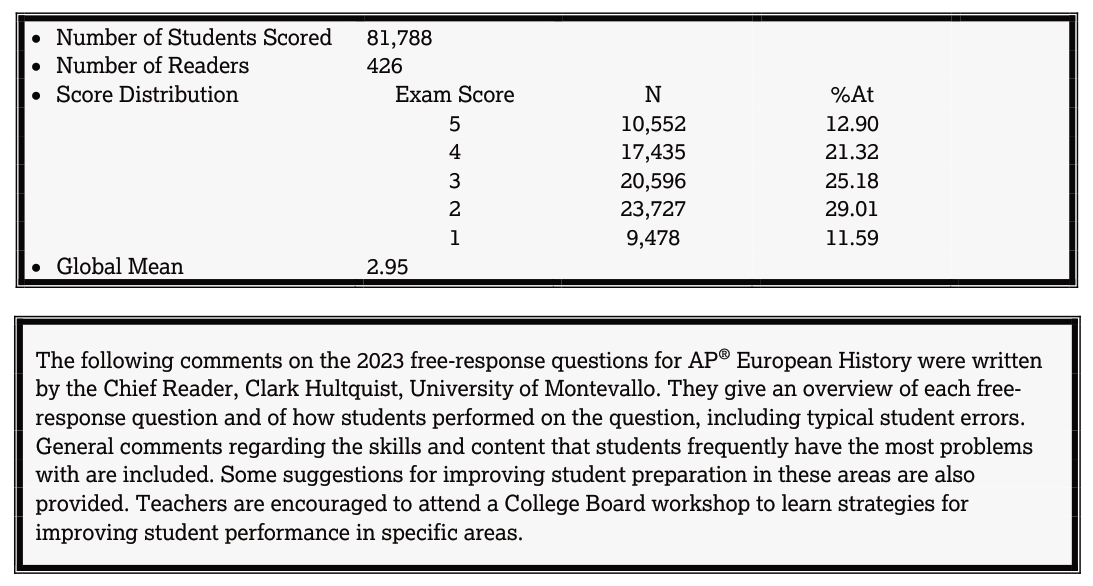
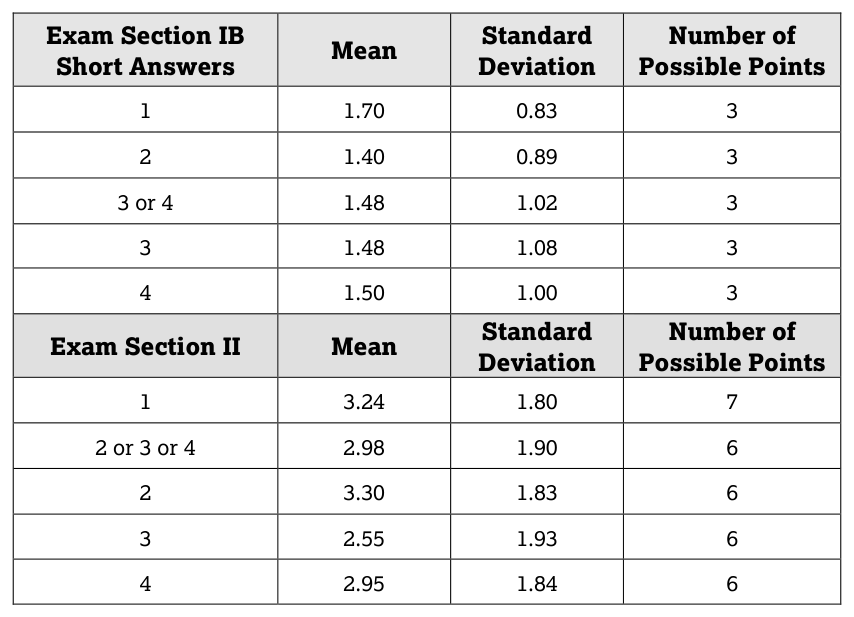
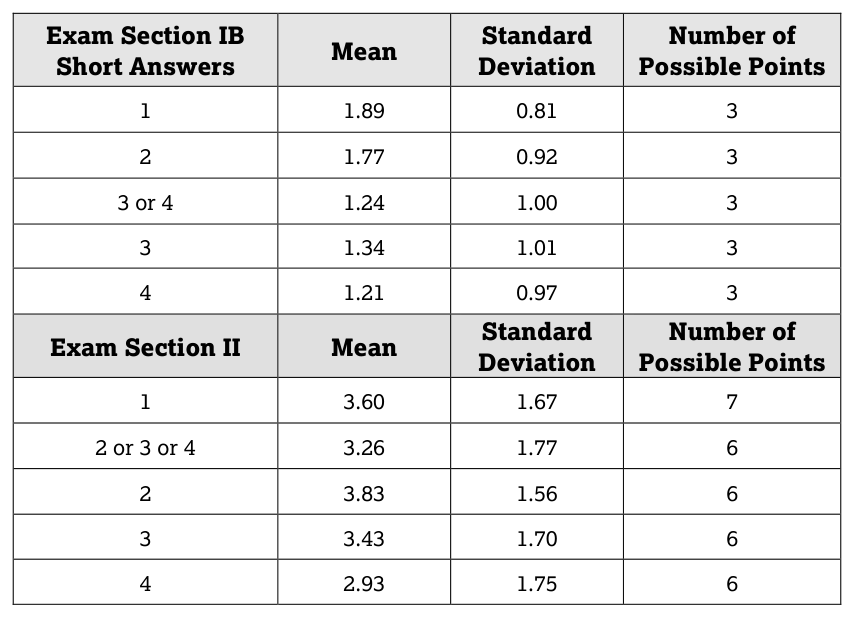
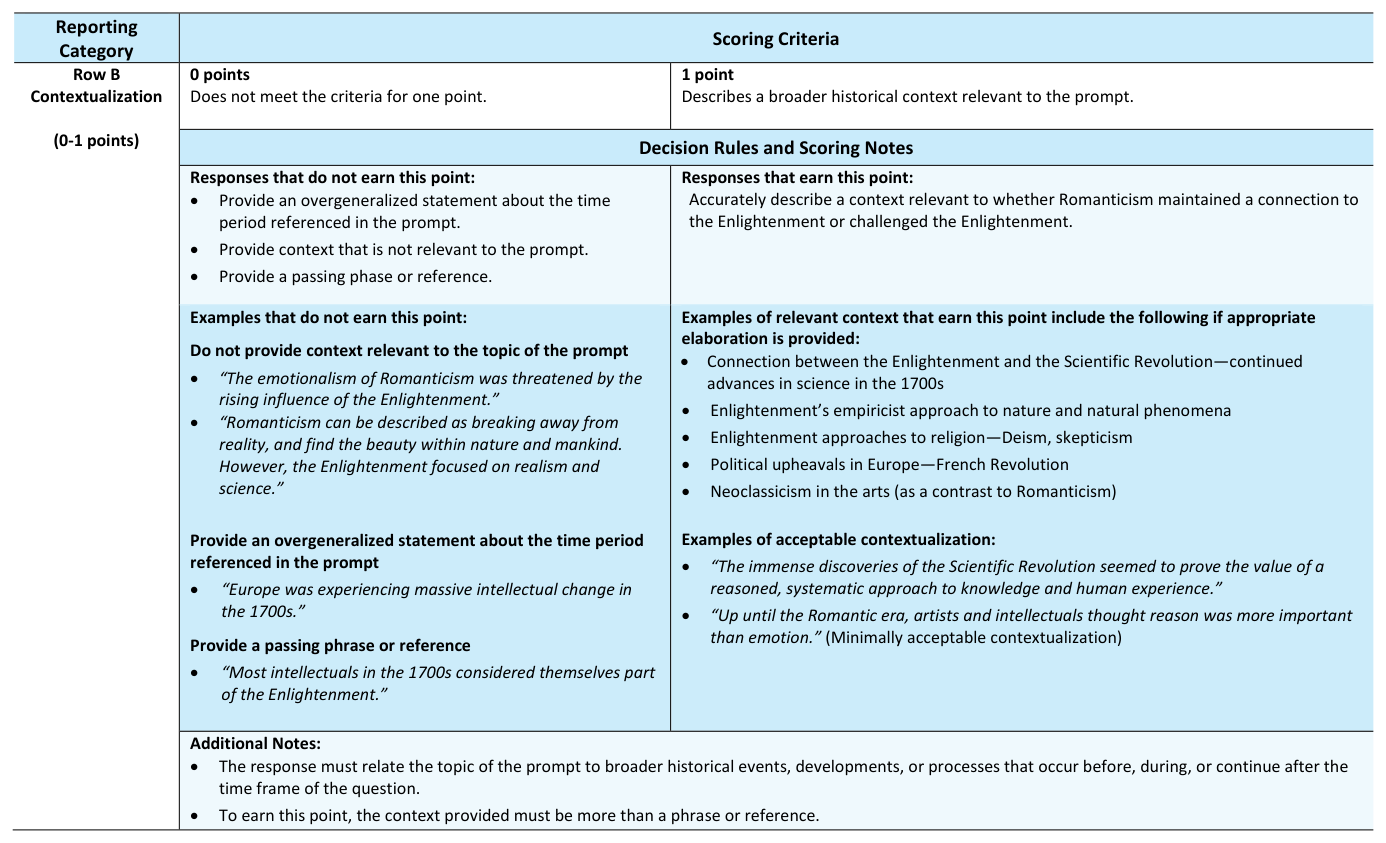
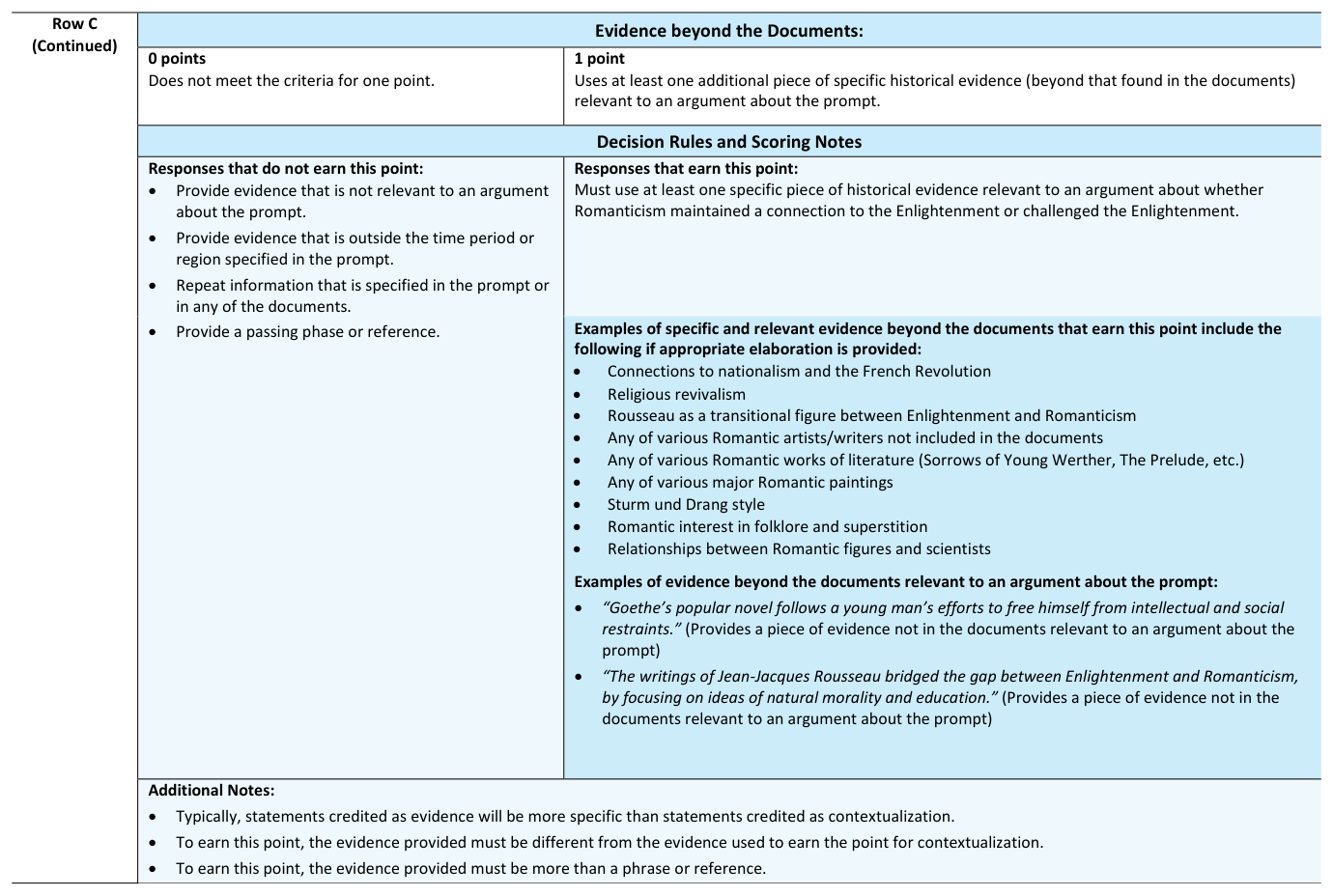
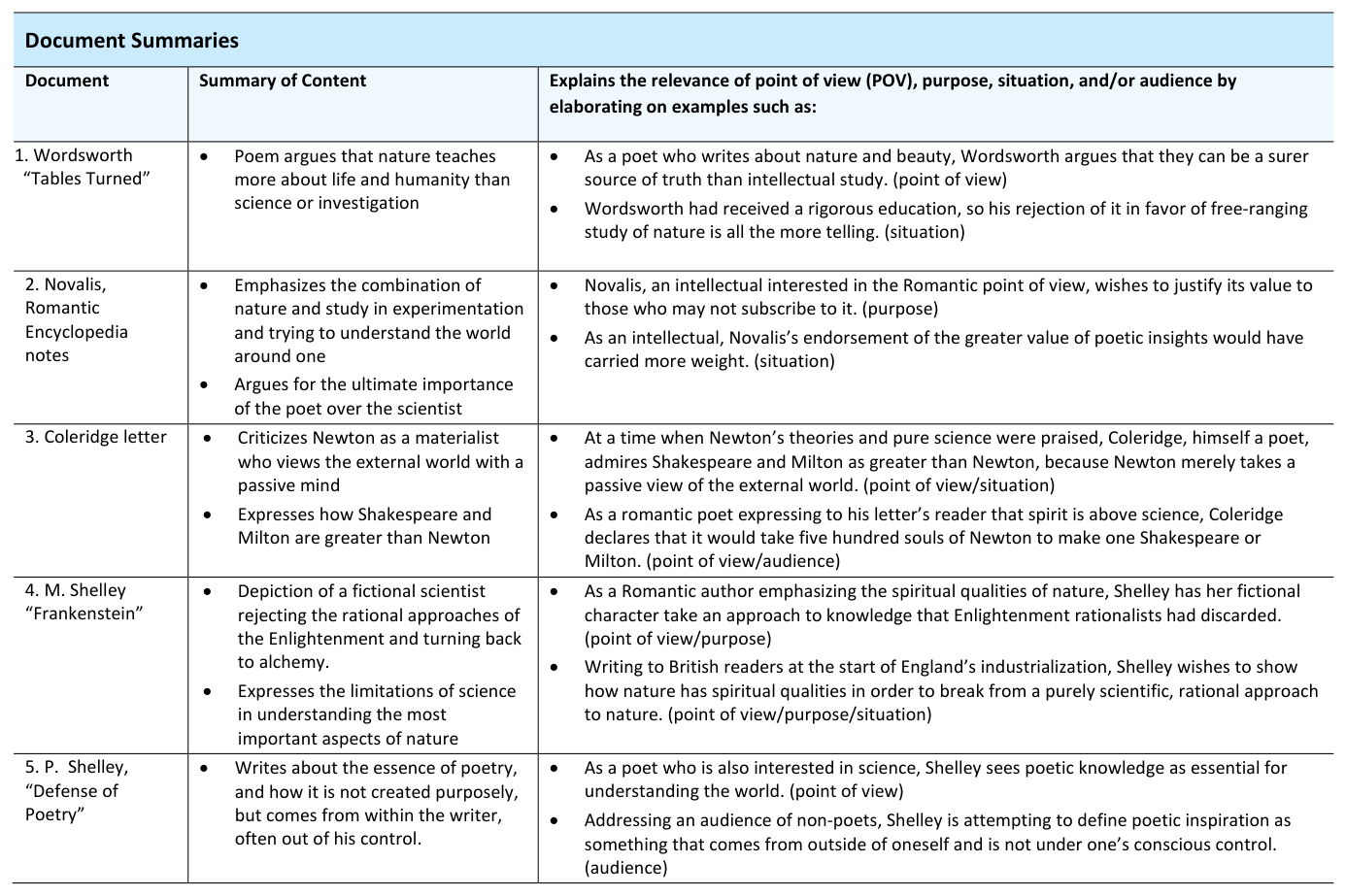
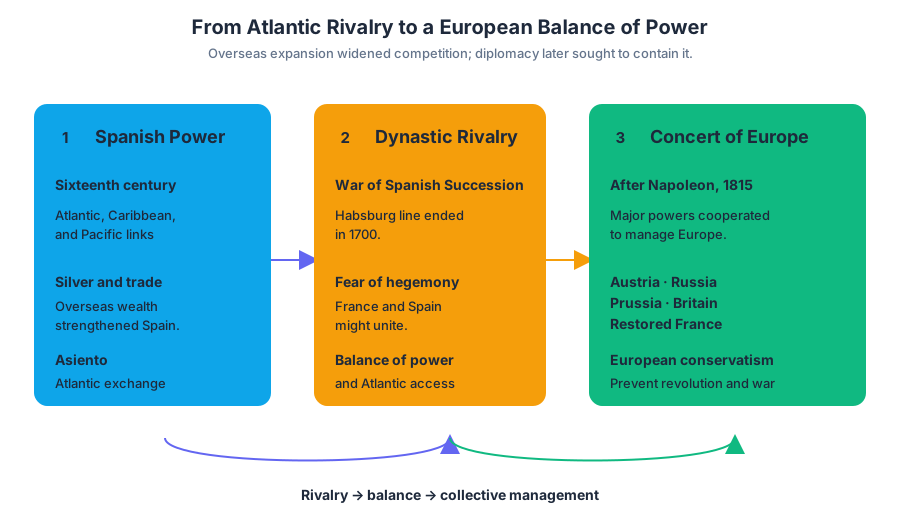
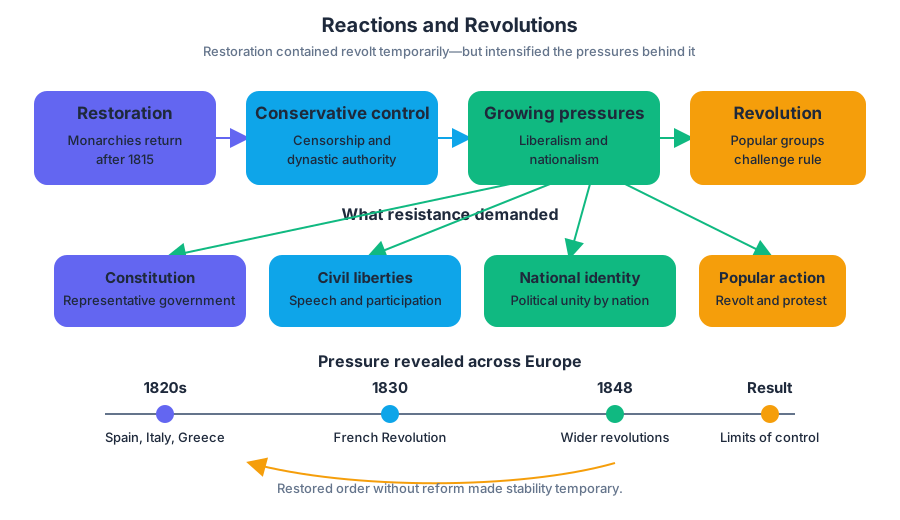
6.7 Ideologies of change and reform movements · 6.8 19th-century social reform
Key concepts: 19th-century ideologies of change and reform · Liberalism · Popular sovereignty and individual rights · Social and economic reform movements · Mass-based political parties · Feminism and feminist movements · Positivism and the cult of science · Darwinism and Social Darwinism · Nietzsche and Freud · Women’s movement before World War I
Nineteenth-century reformers turned the language of liberalism—popular sovereignty, individual rights, and enlightened self-interest—into demands for political representation, economic protection, education, and gender equality. The central question was no longer simply who ruled, but whose interests counted as…
6.7 Ideologies of change and reform movements · 6.8 19th-century social reform
Nineteenth-century reformers turned the language of liberalism—popular sovereignty, individual rights, and enlightened self-interest—into demands for political representation, economic protection, education, and gender equality. The central question was no longer simply who ruled, but whose interests counted as legitimate in modern society.
Liberalism: rights, sovereignty, and its limits
Liberalism held that legitimate government rests on the consent of the governed, that individuals possess rights, and that people can improve society through reasoned self-interest. Popular sovereignty means that political authority ultimately comes from the people; individual rights include protections such as legal equality, property rights, and freedom of expression.
Liberals did not always agree about who “the people” were. Many supported constitutional government and wider male suffrage while excluding women, the poor, or colonial subjects from political participation. They also debated the historical roles of the family, social class, and other groups: some treated the independent male citizen as the basic political unit, while others argued that social cooperation and economic inequality made purely individual rights insufficient.
Key distinction: Liberalism challenged arbitrary authority, but nineteenth-century liberal societies often limited citizenship by sex, property, class, or race.
From reform causes to mass politics
Industrialization created problems that individual action could not solve: dangerous workplaces, low wages, urban poverty, child labor, and insecure employment. In response, social and economic reform movements increasingly became organized political forces rather than isolated charitable campaigns.
The CED identifies four connected forms of reform under KC-3.3.III:
- KC-3.3.III.A: Mass-based political parties became sophisticated vehicles for reform, mobilizing large numbers of voters around organized programs.
- KC-3.3.III.B: Labor unions and political parties promoted social and economic reforms for workers.
- KC-3.3.III.C: Feminist movements pressed for legal, economic, and political rights for women.
- KC-3.3.III.D: Religious and secular nongovernmental reform movements assisted the poor and worked to end serfdom and slavery.
A useful causal chain is:
$$ \text{industrial change} \rightarrow \text{social conflict} \rightarrow \text{organized reform} \rightarrow \text{mass political participation} $$
For example, workers facing insecure wages could first form mutual-aid societies, then labor unions, and eventually support political parties that demanded workplace regulation or expanded voting rights. Reform therefore moved from private protest toward collective pressure on governments.
Feminism: applying liberal promises to women
Feminism was the organized pursuit of women’s legal, economic, social, and political equality. Feminists exposed the contradiction between liberal claims of universal rights and laws that denied married women property control, educational access, professional opportunities, or the vote.
Flora Tristan connected women’s emancipation to the condition of workers, arguing that gender inequality and class exploitation reinforced one another. In Britain, the Women’s Social and Political Union, associated especially with the Pankhurst family, used increasingly confrontational activism to demand political rights. These movements demonstrate that feminism was not limited to one goal: activists pursued both political equality, such as suffrage, and economic equality, such as access to work and protection from exploitation.
Misconception check — “Feminism meant only voting.” Suffrage mattered because political power could produce legal reform, but nineteenth-century feminists also challenged marriage laws, workplace conditions, educational restrictions, and the assumption that women belonged exclusively in the domestic sphere.
Science, reform, and social hierarchy
Positivism claimed that society could be studied through systematic observation and scientific methods. The related cult of science treated scientific knowledge as a powerful engine of progress, encouraging reformers to collect social data, investigate poverty, expand public education, and design policies intended to improve living conditions.
Charles Darwin’s theories of natural selection explained biological adaptation through variation and competition. Some thinkers then misapplied evolutionary language to human societies, producing Social Darwinism—the argument that competition among individuals, classes, or nations justified existing inequalities or imperial domination. The same scientific vocabulary could therefore support opposite conclusions: reformers used social investigation to argue that poverty was changeable, while Social Darwinists used “survival of the fittest” to argue that intervention was unnecessary or harmful.
Skills in action
A strong historical explanation uses Skill 1.A: Identify and describe a historical development or process to identify the growth of mass reform politics; Skill 4.A: Identify and describe a historical context to connect reform to industrialization; and Skill 5.B: Explain how a historical development relates to another historical development to link liberal rights, labor organization, and feminism.
For an argument, Skill 6.A: Make a historically defensible claim might produce this claim: Nineteenth-century reform movements expanded liberal politics by forcing governments to address groups that earlier definitions of citizenship excluded. Support it with Skill 6.B: Support an argument with specific relevant evidence, such as Flora Tristan, labor unions, the Women’s Social and Political Union, or the Pankhursts.
Retrieval check
Why could liberalism inspire both constitutional reform and feminist activism, yet still exclude many people? In two sentences, connect popular sovereignty and individual rights to one specific nineteenth-century reform movement.
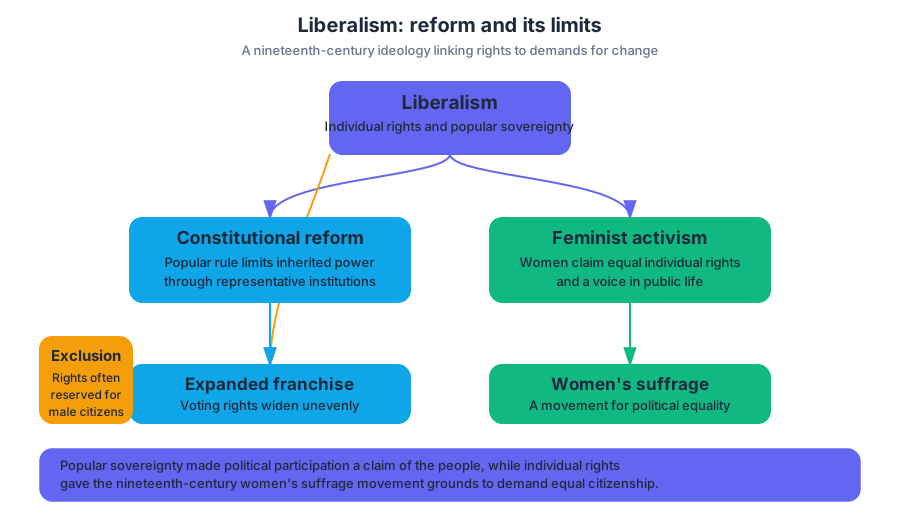
6.9 Institutional responses and reform · 6.10 Causation in the Age of Industrialization
Key concepts: Institutional responses and reform · Causation in the Age of Industrialization · European governmental and civil institutions, 1450–present · Consolidation of political power · AP Historical Reasoning Process: Causation · Suggested Skill 5.B: explaining how one historical development relates to another · Industrialization and European politics, 1800–1900 · Soviet civic culture and women’s right and obligation to work · Labor shortages caused by rapid economic growth · Historical argumentation using documents and evidence
European governments responded to industrialization by expanding the institutions through which they organized society and consolidated political power. Factories, crowded cities, labor shortages, social inequality, and political unrest transformed economic change into a problem of government.
6.9 Institutional Responses and Reform · 6.10 Causation in the Age of Industrialization
European governments responded to industrialization by expanding the institutions through which they organized society and consolidated political power. Factories, crowded cities, labor shortages, social inequality, and political unrest transformed economic change into a problem of government.
Institutional responses are the laws, administrative systems, public organizations, and civic practices governments develop to manage social problems and strengthen political authority.
From limited government to intervention
The long-term pattern from 1450 to the present was not simply “more government.” European states developed different governmental and civil institutions—bureaucracies, police forces, schools, public-health systems, labor regulations, welfare programs, and representative institutions—to organize populations and make political power more effective. Industrialization accelerated this process because older arrangements could not easily manage rapidly growing cities and factory labor.
KC-3.3.II.A identifies a major ideological shift: liberalism moved from laissez-faire—the belief that government should interfere minimally in the economy—toward interventionist economic and social policies. Reformers and governments increasingly accepted that unregulated markets could produce conditions threatening both human welfare and political stability.
The causal mechanism can be traced as a chain:
- Industrialization concentrated workers in cities.
- Crowded cities produced visible poverty, disease, unsafe housing, and labor conflict.
- Factory workers and reformers demanded political and social responses.
- Governments feared unrest and revolutionary movements.
- States expanded administrative capacity and adopted interventionist reforms.
- Reform strengthened social order while also increasing the reach of government.
This is not the same as saying governments immediately became democratic or fully protective of workers. Institutions could address problems while preserving class hierarchy, limiting political participation, and consolidating state power.
Worked causal example: industrialization and reform
Imagine a rapidly industrializing European city between 1800 and 1900. A factory district attracts thousands of workers, but housing, sanitation, and public services do not expand at the same speed. Disease spreads, workers organize, and strikes threaten production. The government now faces a political problem created partly by an economic process.
A historically defensible explanation would connect each step rather than merely place events beside one another: industrialization caused urban and labor pressures; those pressures encouraged governments to build stronger administrative institutions and adopt interventionist policies; the resulting reforms reduced some instability while extending state authority into everyday life.
Suggested Skill 5.B: “Explain how a historical development or process relates to another historical development or process.”
For Suggested Skill 5.B, the relationship must include a meaningful connection—usually causation, consequence, response, or mutual influence. Here, industrialization produced urban, labor, and political pressures, which prompted European governments to expand administrative institutions and adopt interventionist reforms. Naming “factories” and “reform laws” earns identification; explaining how the first development generated the second demonstrates the skill.
The Soviet contradiction: equality as ideology and necessity
The Soviet Union offers a twentieth-century example of institutions responding to economic needs while presenting the response as civic principle. Soviet civic culture treated women’s right—and even obligation—to work as central. The state’s commitment to women’s equality was influenced not only by ideology but also by practical pressures, including labor shortages created by rapid economic growth.
The evidence reveals a contradiction between official policy and lived outcomes. In the 1980s, female workers were better educated on average than male workers but earned only about two-thirds of the average male salary; forty percent of women worked in unskilled or low-skilled jobs; and although most Soviet doctors were women, more than half of hospital administrators were men. Institutions could proclaim equality while reproducing unequal access to authority and wages.
Culture as evidence of changing social experience
Industrialization also changed how Europeans represented society. Romantic artists emphasized emotion, beauty, and an often-idyllic countryside, while Realist artists turned toward grit, grime, labor, and reason. This contrast does not prove that every Romantic rejected industrial society or that every Realist supported reform; it shows how cultural production could register competing responses to modernization.
Exam reasoning: evidence must do work
A strong historical argument must provide historically defensible evidence and address the prompt directly. Scoring distinguishes among three levels: identifying one piece of evidence, identifying at least two specific historical examples, and using evidence to support an argument. A list of reforms is therefore weaker than a sentence explaining how urban poverty, labor conflict, or demographic change pressured institutions to intervene.
In a document-based argument, seven documents are not automatically required for sophisticated understanding. A response may effectively use seven documents, but it can also demonstrate sophistication by incorporating relevant evidence beyond the documents or by explaining different perspectives. For example, one perspective might emphasize reform as protection for workers, while another sees it as a strategy for stabilizing political power.
Misconception check
Misconception: “Industrialization caused reform because governments suddenly became humanitarian.” Industrialization certainly generated humanitarian concerns, but reform also reflected fear of revolution, pressure from organized workers, demands for political legitimacy, labor shortages, and the state’s desire to govern more efficiently. Causation is strongest when it recognizes both humanitarian motives and pragmatic calculations.
Retrieval check
Complete the chain in one sentence: Industrialization → ________ → expanded institutions and interventionist reform. Then explain why the Soviet emphasis on women’s work demonstrates that institutional policy can be shaped by both ideology and practical economic need.
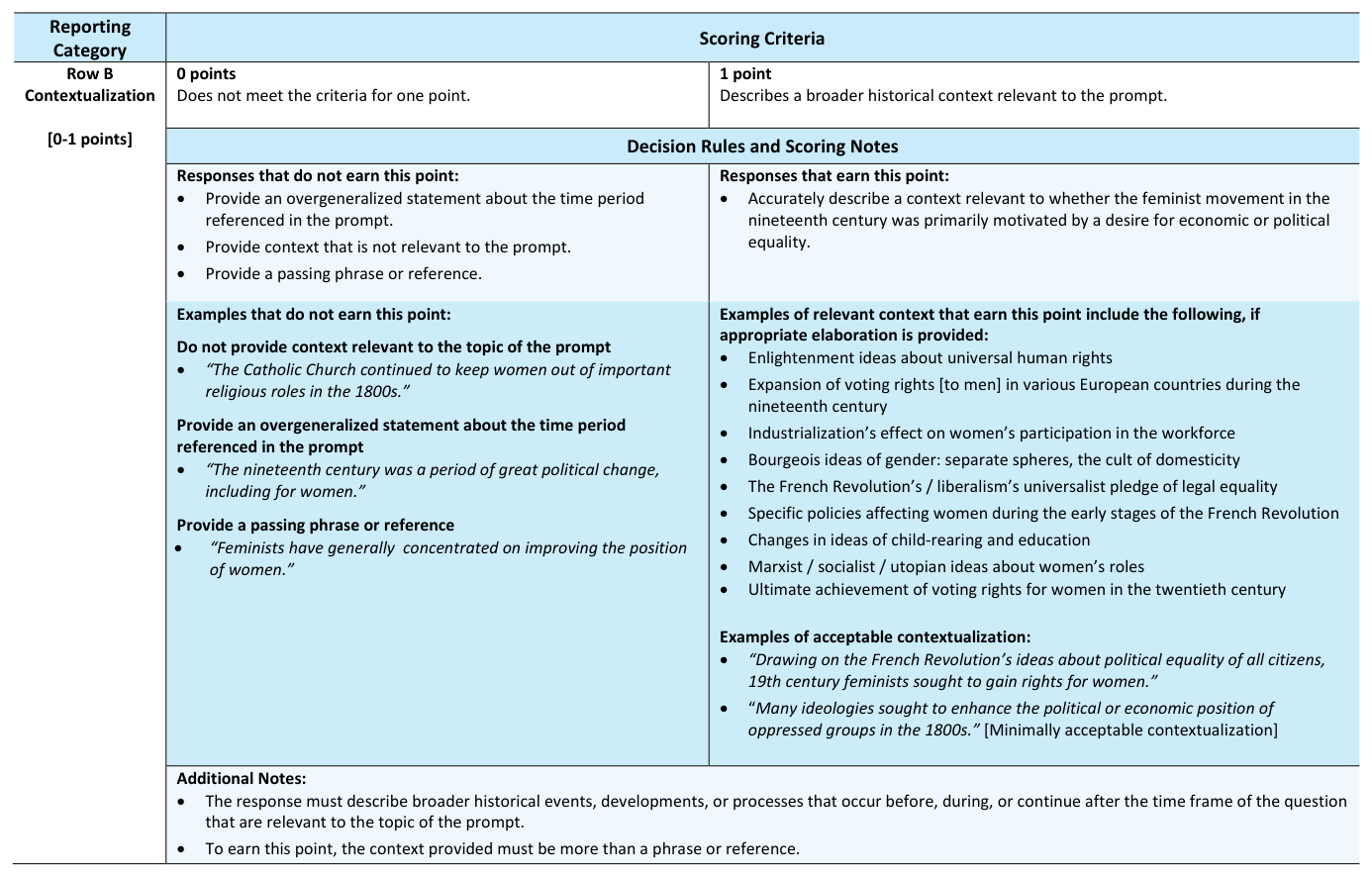
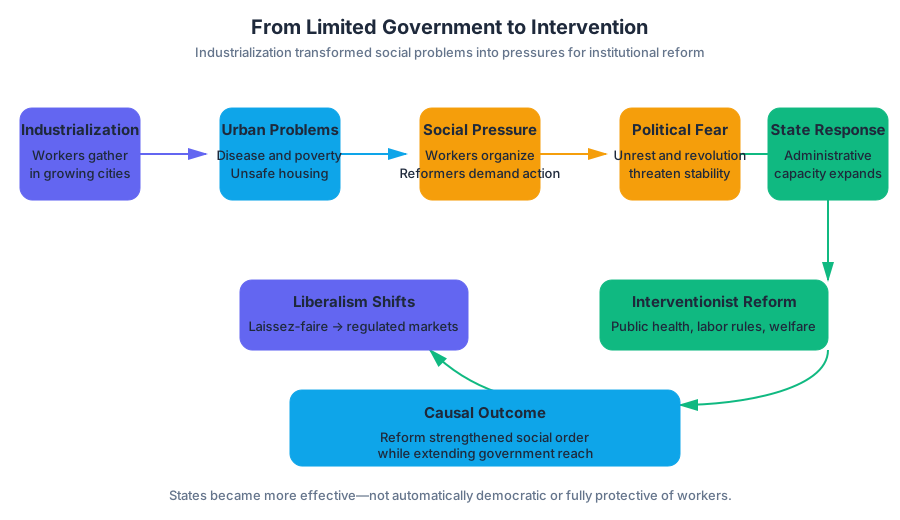
7.1 Contextualizing 19th-century perspectives and political developments · 7.2 Nationalism
Key concepts: Nationalism as a major 19th-century political ideology · Liberal reform · Political unification · Racialism · Anti-Semitism · Chauvinism and national aggrandizement · National unity and the political power of ethnic minorities · Art expressing shared idealized values such as beauty and patriotism · The period c. 1815–c. 1914
Nationalism is the belief that people who share a common identity—such as language, culture, history, or political loyalties—should possess a strong sense of collective belonging and, often, their own political state.
7.1 Contextualizing 19th-Century Perspectives and Political Developments · 7.2 Nationalism
Nationalism is the belief that people who share a common identity—such as language, culture, history, or political loyalties—should possess a strong sense of collective belonging and, often, their own political state. Between 1815 and 1914, nationalism changed Europe’s central political question from “Who has the dynastic right to rule?” to “Who belongs to the nation, and who should govern it?”
After the defeat of Napoleon, European rulers attempted to restore stability, but the political pressures released by the French Revolution did not disappear. Liberal reform, meaning efforts to secure constitutional government, civil liberties, representative institutions, and equality before the law, increasingly interacted with nationalism. Some nationalists wanted political freedom for citizens; others wanted a powerful state that could mobilize the population in the name of national unity.
Topic 7.1 — Unit 7: Learning Objective A: Explain the context in which nationalistic and imperialistic sentiments developed in Europe from 1815 to 1914. The period was shaped by the tension between conservative efforts to preserve dynastic order and movements demanding constitutions, broader political participation, and recognition of national communities. This instability connects to KC-3.4, in which European states struggled to maintain international stability in an age of nationalism and revolutions.
Nationalism could unify—and exclude
Nationalists created unity by presenting the nation as a shared community. They used common language, historical memories, patriotic rituals, flags, military service, public education, monuments, and literature to make large populations imagine themselves as members of one political body. Nationalism therefore operated both as an emotional identity and as a political program.
The connection to liberal reform was especially important. A liberal nationalist might argue that a people sharing a national identity deserved a constitution and representative government. Yet nationalism did not automatically produce democracy: governments could also use patriotic loyalty to demand obedience, military sacrifice, and acceptance of centralized authority.
Worked example: Hungary. Within the Habsburg Empire, Magyar political leaders sought greater recognition for Hungary’s political identity. After the crisis of 1848 and military defeat, the Compromise of 1867 reorganized the empire into Austria-Hungary. Hungary gained substantial self-government, and the arrangement stabilized the state by recognizing the political power of its largest ethnic minority—the Magyars. At the same time, Magyar leaders often pursued Magyarization, limiting the political and cultural claims of other ethnic groups within Hungary. The example reveals a crucial tension: national unity for one group could become political exclusion for others.
This is the distinction between inclusive and exclusive nationalism. A movement could demand equal citizenship from an imperial ruler while denying equal recognition to minorities inside the emerging nation. The same language of self-determination could therefore support both liberal reform and coercive centralization.
Racialism, anti-Semitism, and chauvinism
Racialism was the claim that humanity could be divided into supposedly distinct biological races with inherited differences in intelligence, character, or political capacity. It converted cultural prejudice into an alleged scientific hierarchy. In the nineteenth century, racialist thinking helped produce modern anti-Semitism, hostility toward Jews framed not merely as religious disagreement but as hostility toward Jews as an allegedly separate and threatening racial or national group.
Anti-Semitism must be understood across European history rather than treated as a sudden nineteenth-century invention. Earlier European societies had persecuted Jews through religious accusations, legal restrictions, expulsions, and violence. During the nineteenth century, western European Jews became more socially and politically acculturated in many places, but expanding citizenship did not eliminate hostility; racialist theories recast older anti-Jewish prejudices in modern political language.
KC-3.3.I.G captures this contradiction: as Jewish acculturation increased, Zionism, a form of Jewish nationalism, developed late in the century in response to growing anti-Semitism throughout Europe. Zionism illustrates how nationalism could appear simultaneously as a tool of exclusion imposed by a majority and as a strategy of security and self-determination adopted by a threatened minority.
Chauvinism is an aggressively patriotic form of nationalism that treats one’s own nation as superior and entitled to dominate others. It supports national aggrandizement—the expansion of a nation’s power, territory, prestige, or influence—by portraying military strength and imperial expansion as proof of national greatness.
Nationalism in culture
Nationalism also shaped cultural expression. Romantic idealism encouraged artists, writers, and composers to celebrate folk traditions, heroic historical figures, landscapes, and shared memories. Art could present the nation as beautiful, ancient, morally unified, and worthy of patriotic sacrifice.
That cultural ideal later provoked conflict with modern art. KC-3.6.III.D notes that Impressionism, Post-Impressionism, and Cubism moved beyond straightforward representation toward the subjective, abstract, and expressive. Artists such as Claude Monet, Paul Cézanne, Henri Matisse, Edgar Degas, Pablo Picasso, and Vincent Van Gogh challenged audiences who believed art should express shared idealized values, including beauty and patriotism. The dispute was not merely artistic: it reflected competing ideas about whether culture should reinforce a common national identity or expose individual perception and modern uncertainty.
Topic 7.2 — Unit 7: Learning Objective B: Explain how the development and spread of nationalism affected Europe from 1815 to 1914. KC-3.3.I.F identifies the varied tools nationalists used: romantic idealism, liberal reform, political unification, racialism accompanied by anti-Semitism, and chauvinism justifying national aggrandizement.
Retrieval check: Why does Hungary demonstrate that nationalism could stabilize a multinational state while also threatening minority rights? A strong answer should identify the recognition of Magyar political power, the creation of a new arrangement within the Habsburg Empire, and the resulting pressure on other ethnic communities.
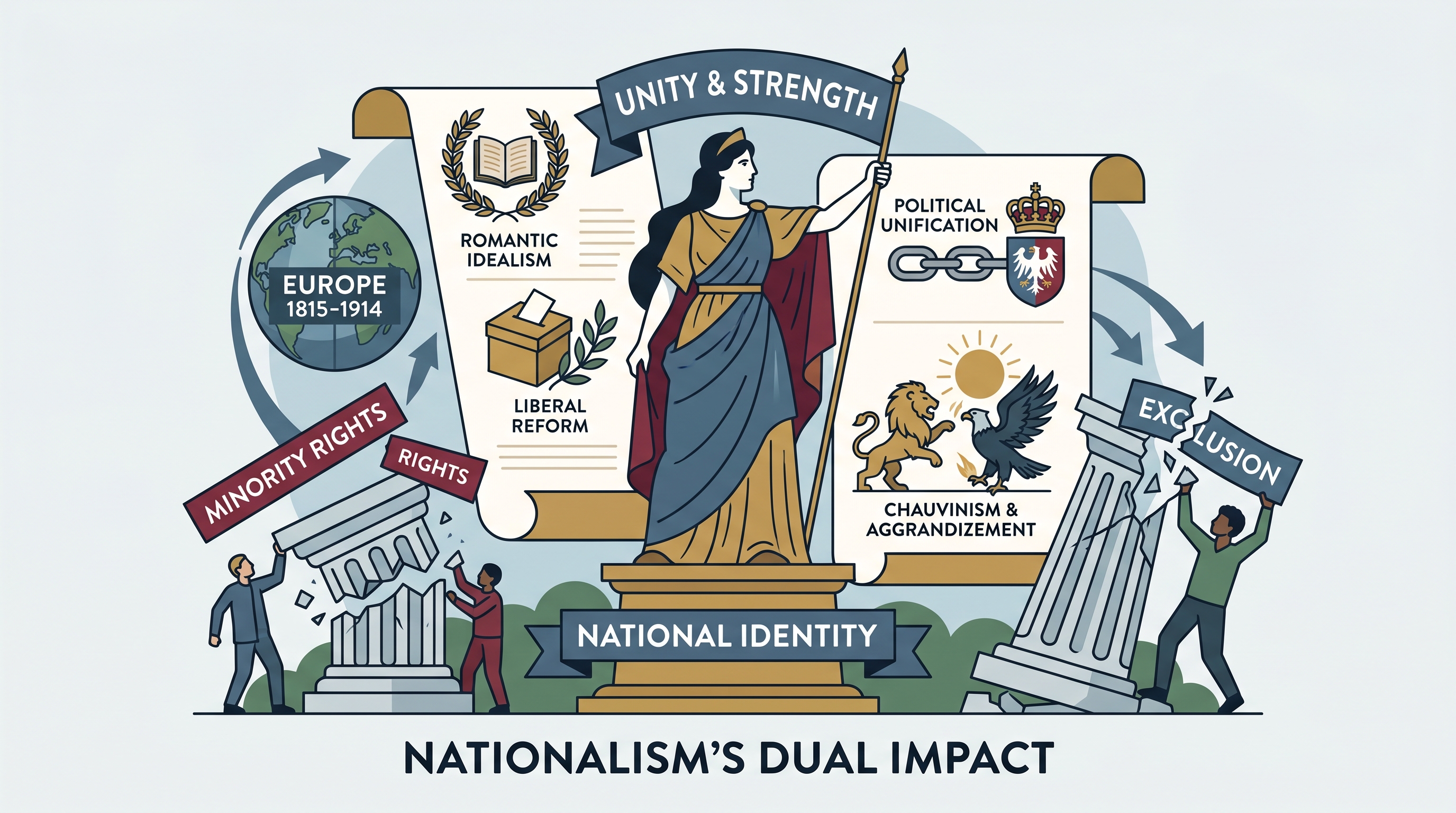
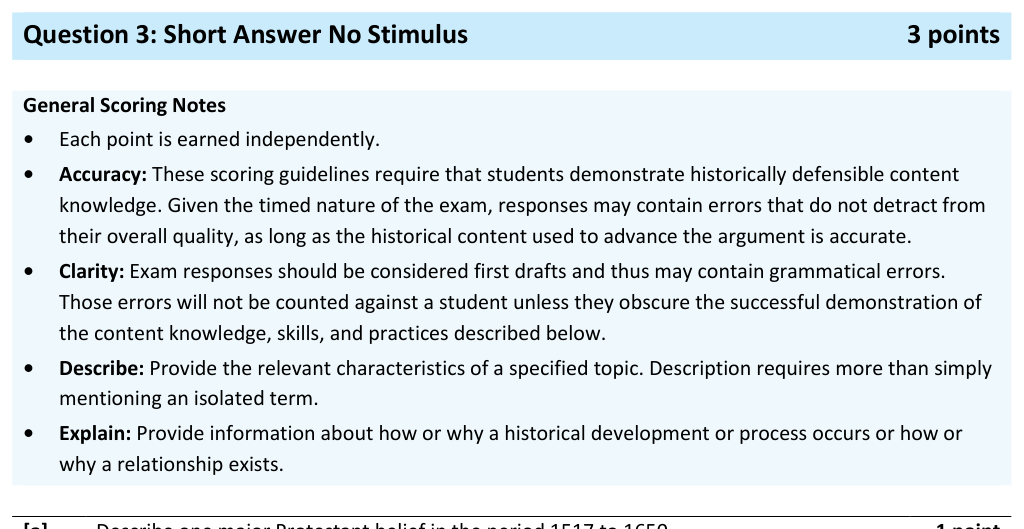
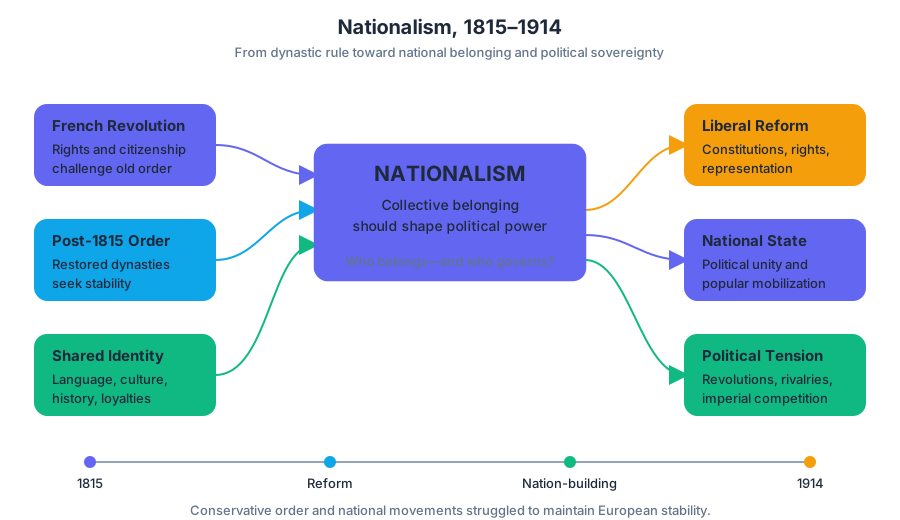
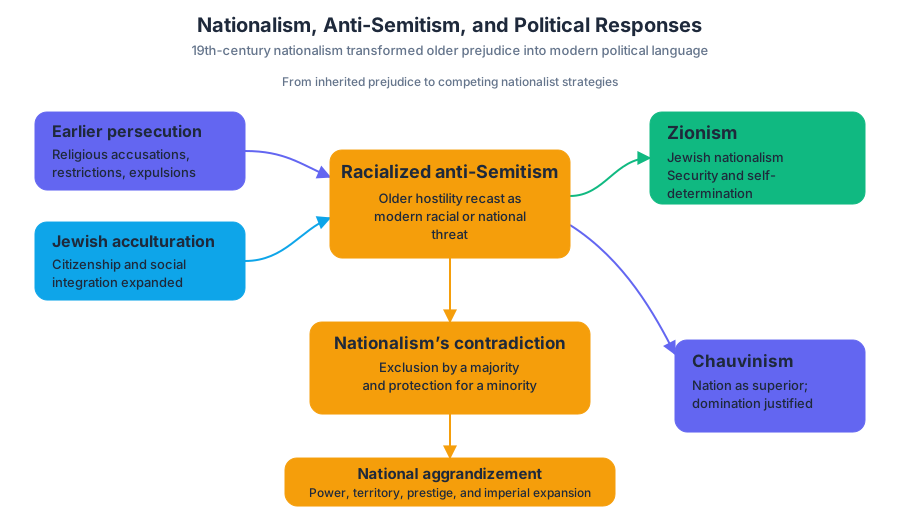
7.3 National unification and diplomatic tensions · 7.4 Darwinism and Social Darwinism
Key concepts: Nationalism · Racism and antisemitism · Social Darwinism · The failure of the liberal movement in 1848 · National unification and diplomatic tensions · European imperialism in Africa · The “white man’s burden” · Causation · Source point of view, purpose, historical situation, and audience · Technological and Scientific Innovation (TSI)
National unification turned cultural identity into state power—but it also destabilized Europe’s diplomatic balance and encouraged new hierarchies among peoples. The same nineteenth-century age that celebrated national self-determination could define Africans, Jews, and other groups as supposedly inferior, using…
7.3 National unification and diplomatic tensions · 7.4 Darwinism and Social Darwinism
National unification turned cultural identity into state power—but it also destabilized Europe’s diplomatic balance and encouraged new hierarchies among peoples. The same nineteenth-century age that celebrated national self-determination could define Africans, Jews, and other groups as supposedly inferior, using political theories and scientific language to justify exclusion and imperial rule.
7.3 National unification and diplomatic tensions
The failure of the liberal movement in 1848 changed the route to German unification. Liberal nationalists had hoped to unite the German states through representative government and a constitution, especially through the Frankfurt Parliament. When monarchs and military forces defeated the movement, national unity did not disappear; instead, conservatives increasingly pursued it through state power, diplomacy, and war.
A useful chain of causation is:
- 1848 liberal failure: constitutional nationalism could not overcome monarchies, regional rulers, and military resistance.
- Prussian leadership: Prussia possessed the military and administrative strength to challenge Austria for leadership of the German states.
- Otto von Bismarck: the Prussian chancellor combined diplomacy, calculated conflict, and nationalism.
- Wars of unification: victories over Denmark, Austria, and France helped create a German Empire in 1871.
- Diplomatic tension: a unified Germany altered the European balance of power and alarmed France, Austria-Hungary, and other states.
Bismarck’s method is often summarized as Realpolitik, meaning practical politics that prioritizes power and achievable goals over ideological consistency. The wars against Denmark in 1864, Austria in 1866, and France in 1870–1871 were not isolated battles: each helped remove an obstacle to Prussian leadership or strengthen German national feeling. The defeat of France and the proclamation of the German Empire at Versailles made unification both a domestic achievement and a major diplomatic provocation.
Diplomatic tension means conflict produced by competing state interests even when countries are not formally at war. German unification created such tension because it joined many German territories into a powerful state at the center of Europe. Bismarck then tried to preserve Germany’s security by isolating France and managing relationships with Austria-Hungary and Russia; after his dismissal, weaker diplomacy and rival alliance systems contributed to a more dangerous international environment.
Nationalism, racism, and antisemitism
Nationalism could define membership in a nation through language, history, or political loyalty, but it could also define outsiders as permanently alien. In the nineteenth century, some nationalists linked national identity to supposedly fixed racial characteristics. This connection encouraged racism and antisemitism: Jews were portrayed not simply as a religious community but as an unchangeable racial threat, even when they spoke the local language or had converted to Christianity.
Misconception check — nationalism is not automatically liberal or inclusive. Nationalism helped challenge dynastic empires and support self-government, yet it could also demand cultural conformity, exclude minorities, and intensify hostility between states. To explain its historical effect, ask who was included, who was excluded, and what political goal the definition served?
7.4 Darwinism and Social Darwinism
Charles Darwin’s theory of evolution explained biological change through variation and natural selection. Social Darwinism was a later and controversial application of evolutionary language to human societies and politics. Its advocates argued that competition among individuals, classes, nations, or races produced “stronger” and “weaker” groups, often treating social inequality as natural rather than historically created.
Social Darwinist reasoning frequently converted a description of competition into a moral and political prescription:
$$ \text{competition} \rightarrow \text{assumed superiority} \rightarrow \text{justified domination} $$
European imperialists used this logic to portray Africans as backward, undeveloped, or incapable of governing themselves. Belgian officials and other Europeans described African societies through stereotypes that ignored their political systems, economies, technologies, and historical complexity. The language of the “white man’s burden” presented imperial rule as a duty to civilize, but it legitimized European control over African land, labor, and resources.
The significance of Social Darwinism lies less in whether it was scientifically valid—it was not a reliable application of evolutionary biology—than in how effectively it supplied an intellectual defense for imperial power. Economic exploitation, strategic rivalry, and national competition drove imperial expansion; Social Darwinist ideas helped make domination appear benevolent, inevitable, or scientifically authorized.
Misconception check — Darwinism and Social Darwinism are not identical. Darwin’s biological theory did not require racial hierarchy or European empire. Social Darwinism selectively borrowed evolutionary vocabulary and applied it to politics, often to defend inequalities that benefited powerful groups.
Working with sources: Skill 2.C and causation
Skill 2.C: Explain the significance of a source’s point of view, purpose, historical situation, and/or audience, including how these might limit the use(s) of a source. A Belgian colonial report calling Africans “undeveloped,” for example, may reveal how imperial officials justified rule, but its purpose and audience also limit it: the report is evidence of colonial ideology, not neutral evidence about African societies.
A strong causal explanation connects ideas to outcomes without treating ideology as the only cause. European imperialism resulted from interacting forces: industrial and commercial interests, strategic competition, nationalism, technological advantages, and racialized ideologies. Social Darwinism helped explain and justify imperialism; it did not alone create the political and economic conditions that made expansion possible.
Retrieval check: Why did the failure of liberal nationalism in 1848 make Bismarck’s approach possible? Then explain how the point of view and purpose of a “white man’s burden” source would both reveal its significance and limit its reliability.
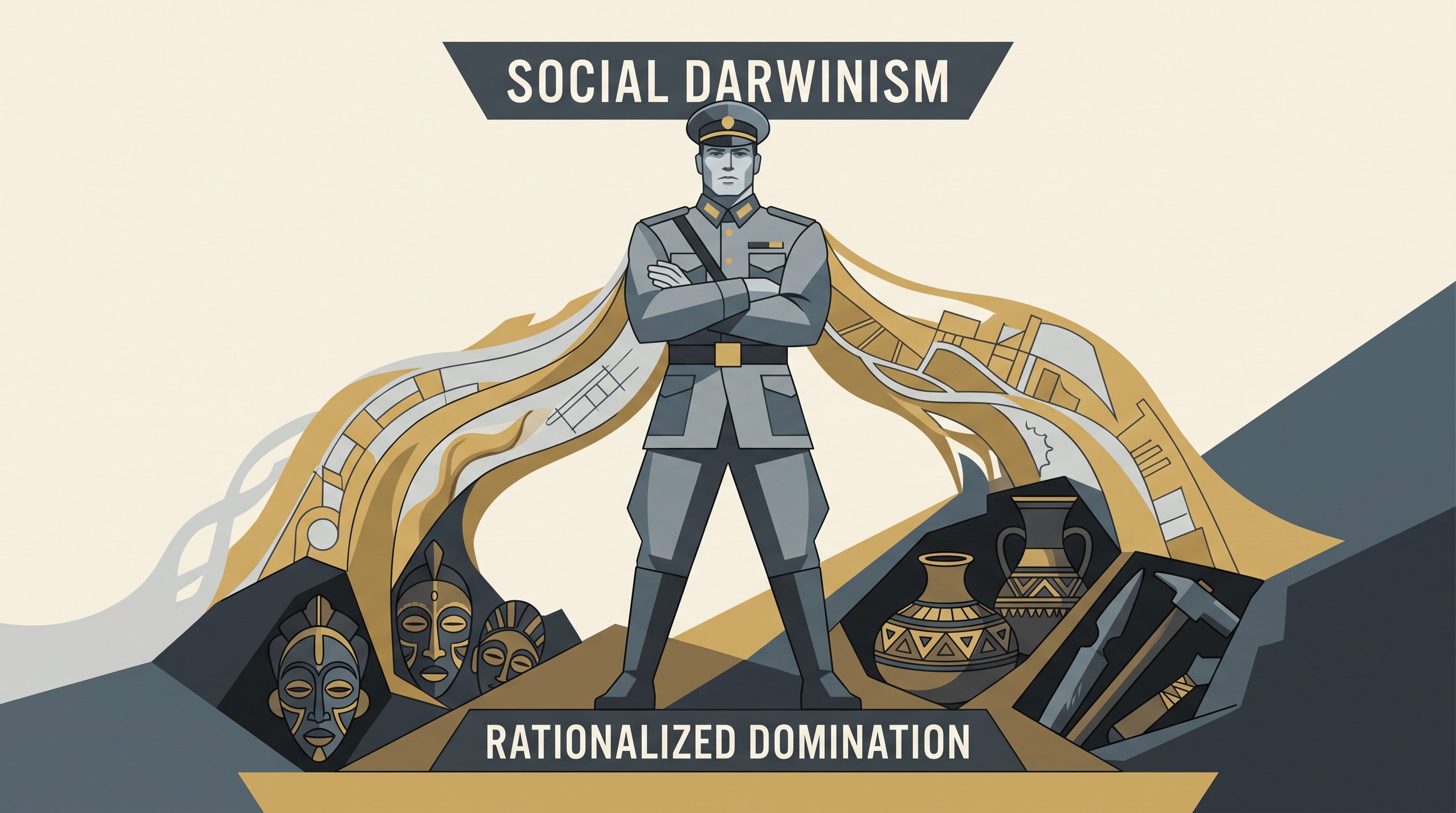
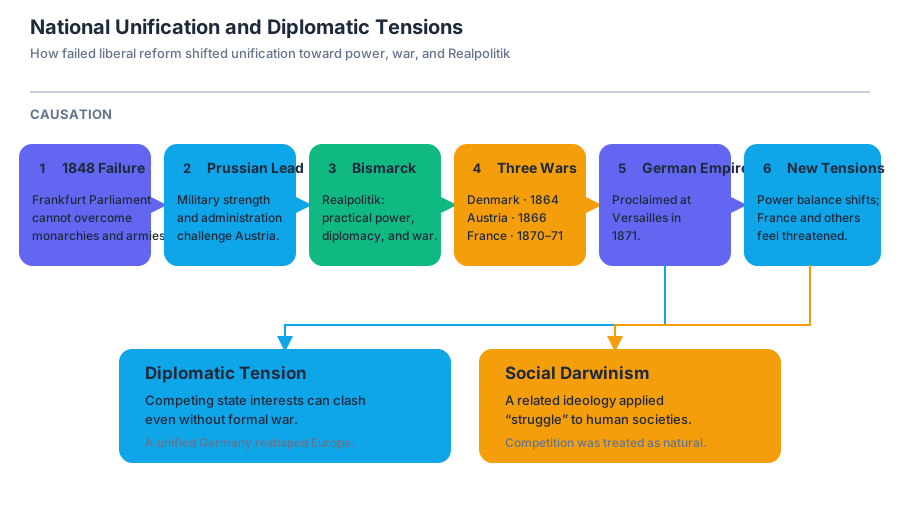
7.5 The Age of Progress and modernity · 7.6 New Imperialism
Key concepts: Age of Progress and modernity · Positivism and the philosophy of progress · Scientific inquiry and empirical evidence · Unintended consequences of scientific and technological change · New Imperialism · Comparison of early imperialism and New Imperialism · European overseas expansion and imperialism · Historical argument and source comparison · Social reform and women’s rights · Chronology and periodization in European history
By the late nineteenth century, many Europeans believed that science, industry, education, and empire were carrying society toward a better future. Yet the same confidence that produced railways, laboratories, and mass production also justified conquest and intensified inequality.
7.5 The Age of Progress and modernity · 7.6 New Imperialism
By the late nineteenth century, many Europeans believed that science, industry, education, and empire were carrying society toward a better future. Yet the same confidence that produced railways, laboratories, and mass production also justified conquest and intensified inequality. The central question is therefore not simply Was Europe progressing? but Who defined progress, who benefited from it, and what did it cost?
7.5 The Age of Progress and modernity
The Age of Progress describes the nineteenth-century belief that human societies could improve through scientific knowledge, technological innovation, education, rational government, and economic development. Modernity, the condition of living in a rapidly changing industrial and urban society, was visible in railroads, telegraphs, factories, public health measures, expanding schools, and increasingly powerful states.
A major intellectual expression of this confidence was Positivism, a philosophy associated with the Age of Progress. Positivists argued that reliable knowledge should rest on observable facts and systematic investigation rather than inherited authority or speculation. In this sense, science became more than a method for studying nature: it became a model for organizing society.
Positivism: the belief that knowledge should be based primarily on empirical observation, evidence, and scientific methods.
This idea developed from the Scientific Revolution’s emphasis on evidence. Between approximately 1600 and 1700, scientific inquiry became more regimented: theories were tested against observable evidence, revised when necessary, and rejected when they failed to explain what investigators could see or measure. Michael Strevens’s description of empirical inquiry as a process that could “raise up” or “tear down” theories captures the essential historical development: scientific progress was not always linear, but it increasingly depended on disciplined evidence.
Modern science continued to challenge older assumptions. Max Planck, associated with the development of modern physics, helped demonstrate that scientific change did not end with Newtonian mechanics. This creates an important distinction: nineteenth-century faith in progress often assumed that science would steadily produce certainty, while modern science also revealed complexity, uncertainty, and limits to earlier models.
Progress and its unintended consequences
Scientific and technological change produced genuine benefits, including improved transportation, communication, medicine, and agricultural productivity. European expansion after 1492 had already connected overseas colonies to European markets and supplied commodities such as tobacco, sugar, and potatoes. By the nineteenth century, industrial technology increased Europe’s capacity to extract resources, transport armies, and control distant territories.
But progress could encounter entrenched interests, prejudices, and long-standing habits. Industrial growth generated crowded cities, dangerous labor, environmental damage, and unequal wealth. Scientific language could also be misused to defend racial hierarchy, imperial domination, or exclusion from political rights. The nineteenth-century recognition of women’s rights as a reform principle accepted by “civilized nations” illustrates both sides of modernity: reformers challenged older inequalities, but the language of civilization could simultaneously rank peoples and justify European rule.
Misconception check: “Progress” did not automatically mean equality. A society could expand education, industry, and political reform while preserving class, gender, and racial hierarchies.
7.6 New Imperialism
New Imperialism refers to the intensified European competition for overseas territories beginning approximately in 1870 and continuing into the early twentieth century. It must be distinguished from early imperialism, approximately 1450–1650, even though both involved European expansion, unequal power, and economic extraction.
The comparison becomes clearer when European overseas imperialism is divided into three chronological periods:
| Period | Main pattern of expansion | Distinctive emphasis |
|---|---|---|
| Approximately 1450–1600 | Iberian exploration and conquest | Colonies, missionary activity, precious metals, and plantation commodities |
| Approximately 1600–1700 | Expansion by the Dutch, English, and French alongside Iberian empires | Trading companies, Atlantic commerce, plantations, and rivalry |
| Approximately 1700–1900 | Industrial-era imperial expansion, especially after 1870 | Strategic competition, industrial markets, raw materials, nationalism, and claims of civilization |
Early imperialism was closely connected to maritime exploration, conquest, missionary activity, and the commercial systems created after 1492. New Imperialism operated in a different technological and political environment. Steamships, railways, improved weapons, telegraphs, industrial production, and centralized national states enabled European governments to occupy and administer much larger territories more rapidly.
New Imperialism therefore combined economic, political, and ideological motives. Industrial states sought raw materials and markets; governments pursued naval bases and strategic routes; nationalist leaders treated colonies as evidence of national greatness; and imperial advocates claimed that European rule brought civilization, Christianity, education, or scientific advancement. These claims often concealed coercion and the transfer of land, labor, and resources to European control.
Comparing historical arguments
Eric Hobsbawm’s argument in The Age of Empire emphasizes the relationship between imperialism and the economic and political pressures of industrial capitalism, nationalism, and great-power rivalry. David Landes’s argument in Effects of Imperialism places greater weight on the unequal economic consequences of imperial relationships and on the ways imperial rule shaped development. The arguments overlap, but they ask different causal questions: Hobsbawm highlights why imperialism expanded; Landes stresses what imperialism did to economies and societies.
An effective historical comparison does not merely declare one historian correct. It uses evidence to support, modify, or refute an argument. Industrial demand for commodities and strategic competition may support Hobsbawm, while evidence of imposed trade structures or uneven development may support Landes. A strong argument can also modify both: imperialism had multiple causes, and its consequences varied by region and period.
Worked comparison
Suppose the claim is: New Imperialism differed from early imperialism because industrial technology and nationalist state competition made territorial control more systematic after 1870. Evidence such as steam transportation, modern weapons, telegraph lines, and competing national claims supports the claim. To add complexity, recognize continuity: both periods used military force, economic extraction, and cultural justification.
AP historical-thinking focus: Skill 1: Developments and Processes identifies how imperialism changed across 1450–1900. Skill 5: Making Connections links industrialization, nationalism, technology, and overseas expansion. Skill 6: Argumentation requires a defensible comparison supported by specific evidence. Skill 3: Claims and Evidence in Sources is essential when comparing Hobsbawm and Landes: identify each historian’s claim, select relevant evidence, and explain how that evidence supports or qualifies the interpretation. This topic also develops Skill 4: Contextualization by placing New Imperialism within industrialization and modern state-building.
Retrieval check: Name one important continuity and one important difference between early imperialism and New Imperialism. Then state whether evidence about industrial markets better supports Hobsbawm, Landes, or a modified version of both—and explain why in one sentence.
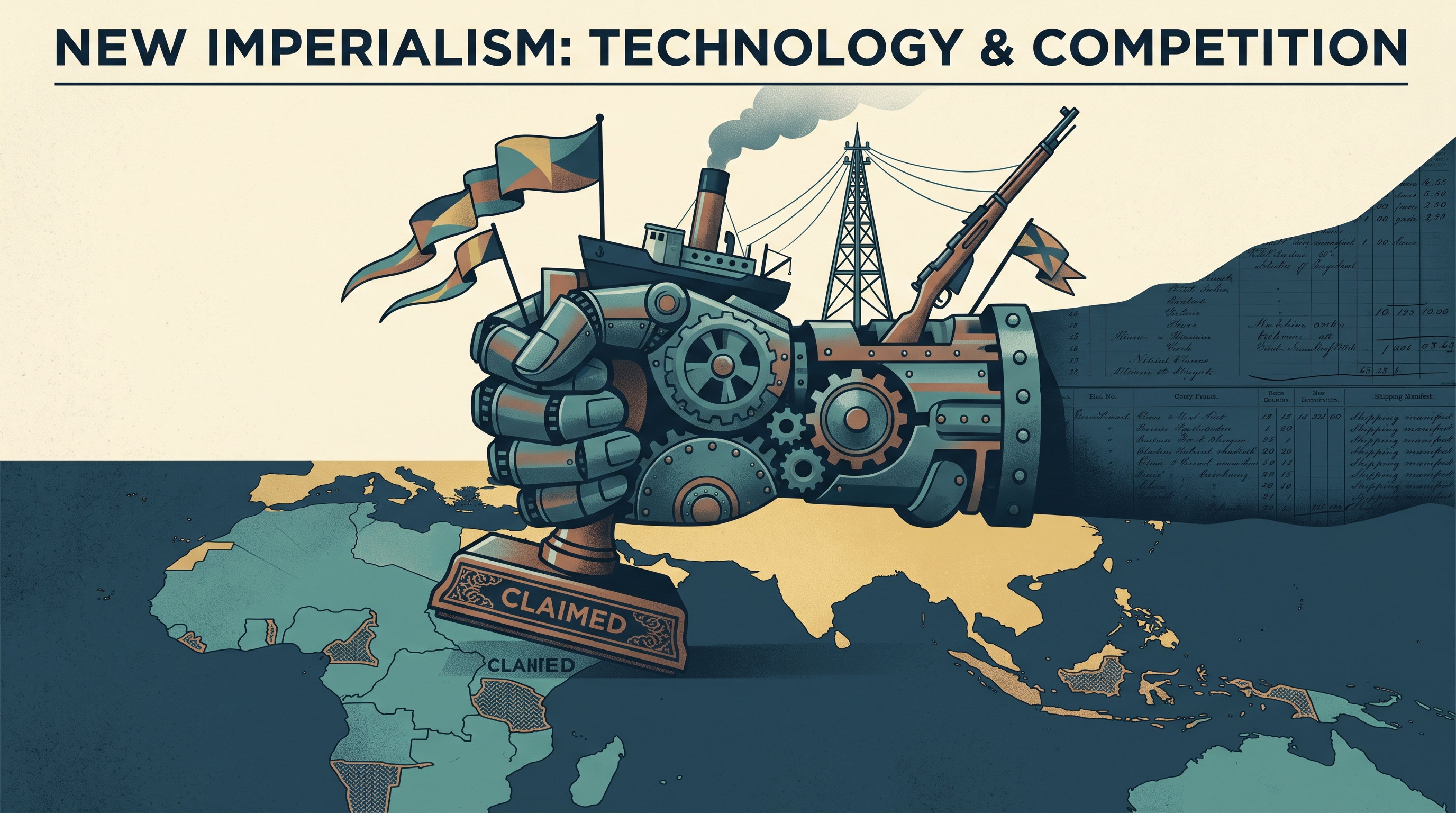
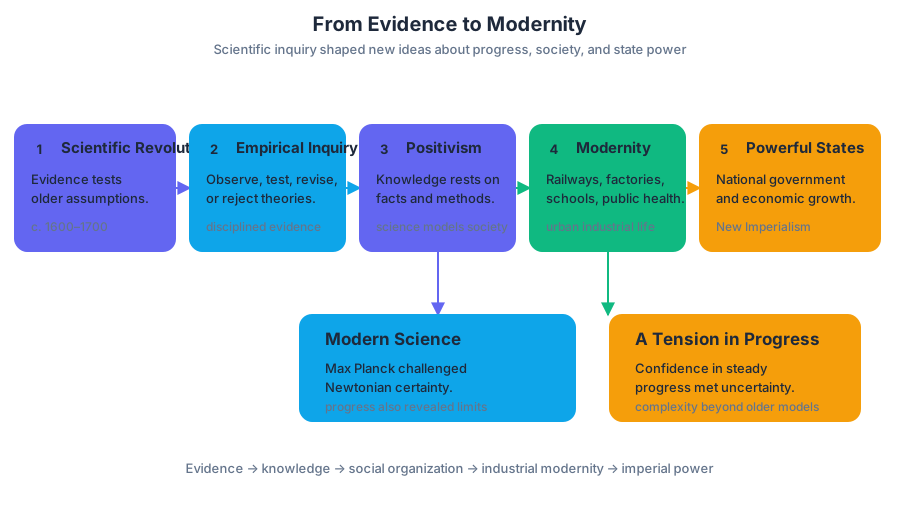
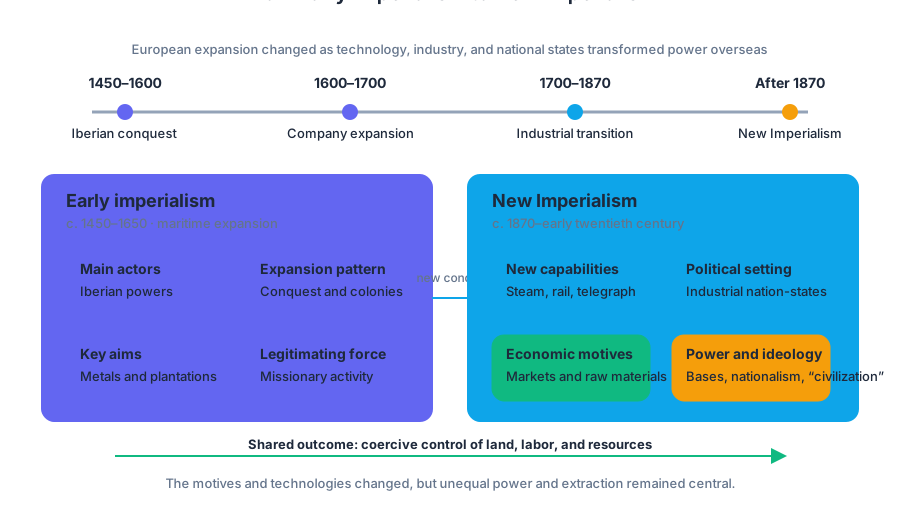
7.7 Global effects of imperialism · 7.8 19th-century culture and arts
Key concepts: New imperialism: causes and effects · Technological enablers of imperialism · Advanced weaponry and industrialization · Communication and transportation technologies · Medical advances and quinine · Imperial resistance and encounters · Fashoda Crisis · Sepoy Mutiny · Imperialism’s effects on European diplomacy and alliance systems · Industrialization, consumerism, and global imperialism
Imperialism transformed more than maps: it changed military power, public health, diplomacy, resistance movements, and the way Europeans imagined the wider world. The same industrial systems that produced railways, telegraphs, and mass-produced weapons also helped European states impose control overseas—and…
7.7 Global effects of imperialism · 7.8 19th-century culture and arts
Imperialism transformed more than maps: it changed military power, public health, diplomacy, resistance movements, and the way Europeans imagined the wider world. The same industrial systems that produced railways, telegraphs, and mass-produced weapons also helped European states impose control overseas—and generated opposition both abroad and within Europe.
KC-3.5.III: Imperial endeavors significantly affected society, diplomacy, and culture in Europe and created resistance to foreign control abroad.
7.7 Imperialism’s global effects
The central mechanism was a chain:
Industrialization produced stronger weapons, faster transport, improved communication, and medical tools. These technologies increased European military reach and administrative capacity, making it possible to conquer and govern territories far from Europe.
Technology as an enabler of conquest
European armies equipped with advanced, industrially produced weapons possessed a major advantage over many opponents. Mass-produced firearms and increasingly powerful artillery allowed smaller European forces to defeat or intimidate larger local armies, while industrial economies supplied ammunition, equipment, and replacement troops.
Transportation and communication converted imperial rule from a distant claim into an operating system. Railroads moved soldiers, officials, raw materials, and manufactured goods across conquered territories; steamships shortened ocean travel; and telegraph networks allowed governments to send instructions and receive reports much more rapidly than earlier imperial administrations.
Medical knowledge solved another barrier: European mortality in tropical regions. Quinine, a treatment derived from the cinchona tree, helped prevent and treat malaria. Because malaria had made long-term European military and administrative activity extremely dangerous, quinine became an essential technological factor in late-19th-century expansion into tropical regions.
Misconception check: Technology did not make conquest automatic. Weapons and quinine created possibilities, but European states still needed organization, financing, diplomacy, local allies, and sustained military campaigns. Non-European societies resisted, adapted, and sometimes defeated imperial forces.
Imperial control and local resistance
The Sepoy Mutiny of 1857 demonstrates that imperial control provoked organized resistance. Indian soldiers serving the British East India Company rebelled, and the uprising expanded into a broader challenge to foreign authority. Britain suppressed the revolt, but its consequences were significant: the British government took direct control of India, replacing Company rule.
Imperial encounters also encouraged new forms of resistance. As non-European peoples encountered Western education, political ideas, and economic institutions, some used those tools against imperialism. Nationalist movements could therefore combine European-derived political language with local histories, religions, and demands for sovereignty.
Diplomacy, society, and culture
Imperial competition strained European diplomacy. In the Fashoda Crisis of 1898, Britain and France confronted one another over competing claims in Sudan. Although the crisis ended without war, it revealed how overseas expansion could create dangerous tensions between European powers and place pressure on existing alliance systems.
KC-3.5.III.A: Imperialism created diplomatic tensions among European states that strained alliance systems.
Imperialism also reshaped European society. Rapid urbanization concentrated people in crowded cities, where pollution and infectious disease became urgent problems. Medical knowledge encouraged governments to build public-health infrastructure, especially sewers and improved sanitation systems. Imperial rule, meanwhile, tied European factories and consumers to overseas raw materials, markets, and labor systems.
The Belgian Congo illustrates the contradiction between economic development and imperial justification. European accounts often portrayed colonized regions as places requiring European “civilization,” while imperial systems extracted valuable resources and imposed coercive labor. Such representations turned economic exploitation into a moral and cultural argument for empire.
7.8 19th-century culture and arts
Imperial encounters influenced European artists and writers by supplying new subjects, settings, objects, and visual styles. Travel accounts, exhibitions, colonial displays, and reports from overseas made non-European peoples and landscapes part of European cultural production—often through unequal and stereotyped perspectives.
Nineteenth-century artistic expression combined continuity and change. Artists continued to address recognizable human experiences, political power, nature, conflict, and social life, but they increasingly changed how those subjects were represented. Greater attention to contemporary life, urban experience, empire, and unfamiliar places challenged older assumptions about what deserved artistic treatment.
This development can be analyzed through Skill 2: Sourcing and Situation. When examining an imperial-era painting, travel narrative, or literary work, ask who created it, for which audience, and within what imperial context. A European artist depicting the Belgian Congo, for example, may reveal more than scenery: the work may reproduce colonial assumptions, defend imperial expansion, or expose anxiety about the morality of empire.
For Skill 5: Making Connections, connect cultural representation to political and economic systems. A painting or novel about an overseas society may reflect imperial contact; a public-health project may reflect urbanization and medical knowledge; and a colonial exhibition may connect industrial production, consumer culture, national prestige, and racial hierarchy.
Worked interpretation
Suppose a source describes a European railway built in a colony and praises it as evidence of “progress.” First, identify the material change: rail transport increased movement and administrative control. Next, examine its purpose: if the line connected mines or plantations to a port, it likely served extraction as well as transportation. Finally, evaluate the perspective: the language of progress may justify imperial rule while concealing coercion and unequal economic benefits.
Retrieval check
Explain the connection among industrialization, imperial control, and resistance in one chain of reasoning. Then identify one way imperialism affected European diplomacy and one way it affected 19th-century art. A strong response should include a technology such as railroads, mass-produced weapons, telegraphs, or quinine; an example such as the Sepoy Mutiny or Fashoda Crisis; and a clear explanation of cause and effect.

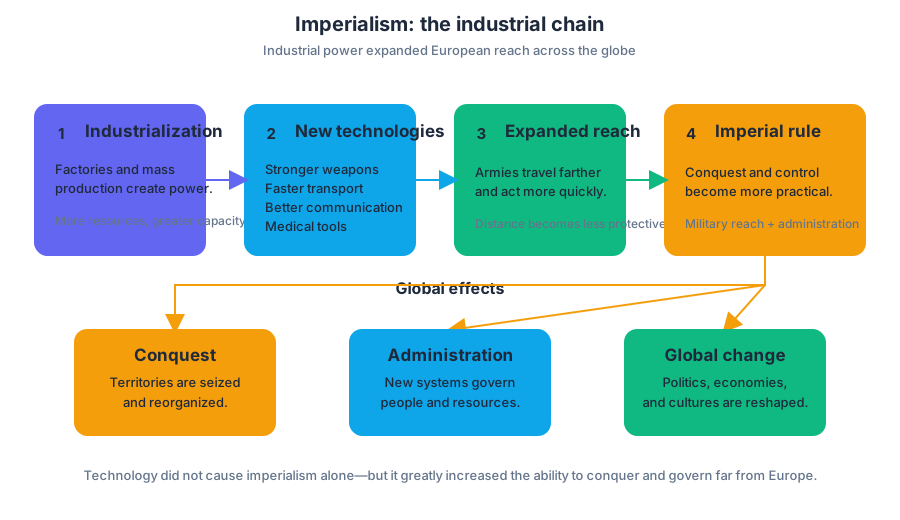
7.9 Causation in 19th-century perspectives and political developments
Key concepts: Causation in 19th-century political developments · Nationalism · Imperialism · Breakdown of the Concert of Europe · Unification of Italy and Germany · Technological development and European imperialism · Advances in medicine · Urbanization and changes in class structure · New ideologies and government responses · Impressionism, Post-Impressionism, and Cubism
Nationalism and imperialism reshaped nineteenth-century Europe by turning political identity and overseas expansion into forces that could strengthen states, destabilize alliances, and reorder the balance of power.
7.9 Causation in 19th-century perspectives and political developments
Nationalism and imperialism reshaped nineteenth-century Europe by turning political identity and overseas expansion into forces that could strengthen states, destabilize alliances, and reorder the balance of power.
Topic 7.9 — Causation in 19th-Century Perspectives and Political Developments
Suggested skill: 1.B — Explain a historical concept, development, or process.
The central task is not merely to name nationalism, imperialism, or unification, but to explain how one development produced consequences through identifiable steps.
The causal map
Nationalism defined the nation as a community entitled to political self-determination. That idea could unify people inside a state, as in Italy and Germany, but it could also destabilize multinational empires when ethnic groups demanded their own nation-states. Imperialism likewise increased the power and prestige of European governments, yet intensified rivalry among them and subjected colonized peoples to coercive political rule.
A useful chain is:
Nationalist identity → demands for political unity or independence → unification and nationalist conflict → altered balance of power → diplomatic instability
Industrial and technological capacity → stronger armies, navies, communications, and medical survival → imperial expansion → rivalry and political instability
From the Concert of Europe to a new diplomatic order
The Concert of Europe was the post-Napoleonic practice by which major powers—especially Austria, Britain, France, Prussia, and Russia—consulted to preserve political stability and suppress revolutionary threats. It did not create permanent peace, but it gave governments a mechanism for negotiation and helped limit unilateral challenges to the European balance of power.
Its breakdown contributed to major political change. Nationalist movements increasingly challenged dynastic legitimacy, while rival governments pursued their own strategic interests rather than consistently cooperating. The Crimean War exposed tensions among the great powers; later, the unification of Italy and Germany disrupted the older balance. After German unification in 1871, the emergence of a powerful German Empire forced other states to reconsider alliances, military planning, and diplomatic priorities.
Causation distinction: The Concert’s breakdown did not by itself cause every later conflict. It removed or weakened a stabilizing diplomatic practice, allowing nationalism, rivalry, and state-building to produce larger consequences.
Nationalism and the unification of Italy and Germany
The unification of Italy and unification of Germany were key political developments because they transformed fragmented territories into centralized nation-states. Nationalism supplied the emotional and ideological language of unity, but political leaders, military force, diplomacy, and economic interests converted that language into state power.
In Italy, nationalists imagined a single Italian nation despite divisions among kingdoms, duchies, and the Papal States. Piedmont-Sardinia’s leaders used diplomacy and war, while figures such as Giuseppe Garibaldi mobilized popular support. The result was a larger Italian kingdom, although regional divisions and the continuing power of the Catholic Church limited complete social and political unity.
In Germany, Prussia used its military strength and economic influence to bring German states together. Otto von Bismarck manipulated diplomacy and conflict with Denmark, Austria, and France, presenting Prussia as the defender of German interests. The German Empire proclaimed in 1871 altered the European balance because a large, industrializing, militarily powerful state now stood at the center of continental politics.
Technology, medicine, and imperial power
Technological development made imperialism more practical between 1815 and 1914. Steam-powered ships shortened travel, railroads moved troops and resources inland, telegraphs accelerated communication, and improved weapons increased European military advantages. These tools did not make conquest inevitable, but they lowered the logistical costs of controlling distant territories.
Medical advances were equally important. Germ theory of disease explained illness through microorganisms, while anesthesia reduced surgical pain and antiseptics lowered infection during medical procedures. Public health projects improved sanitation and water systems, and quinine helped Europeans survive malaria in parts of Africa and Asia. Together, these developments increased European military and administrative survival in environments where disease had previously been a major barrier.
The effects reached beyond conquest. Industrialization expanded cities and changed class structure by enlarging the industrial working class and strengthening commercial and professional groups. Urban poverty encouraged public-health legislation; labor conflict encouraged socialism, trade unions, and government reform; mass newspapers and railways spread nationalist ideas rapidly. Technology therefore connected domestic political change to imperial expansion: stronger states could mobilize populations, regulate cities, project force abroad, and justify national competition.
Newtonian objectivity and political confidence
Newtonian physics presented nature as governed by discoverable, universal laws rather than by local tradition or personal authority. This image of an objective, measurable natural order encouraged confidence in scientific expertise, administrative planning, and technical control—ideas that governments often extended into claims that society and empire could also be organized rationally.
A common misconception is that technology alone caused imperialism. Technology enabled expansion, but motives such as national prestige, economic interests, strategic competition, and nationalist ideology determined why governments pursued it. The same technologies that strengthened states also intensified rivalry and made political crises more consequential.
Worked causal example
Question: How did technological development contribute to political instability in nineteenth-century Europe?
Reasoning: Steam transport and telegraphy allowed governments to move armies and communicate decisions more quickly. Industrial production supplied larger militaries, while medical advances made overseas campaigns more feasible. These changes strengthened nationalism and imperial competition; as newly unified Italy and Germany sought status and influence, older diplomatic arrangements weakened and European powers increasingly competed for strategic and colonial advantage. Thus technology was not the sole cause of instability, but it amplified nationalist state-building and imperial rivalry.
Retrieval check
Explain the sequence connecting the breakdown of the Concert of Europe to the unification of Germany and then to a new diplomatic order. In your answer, identify one nationalist cause, one political or military mechanism, and one consequence for the European balance of power.
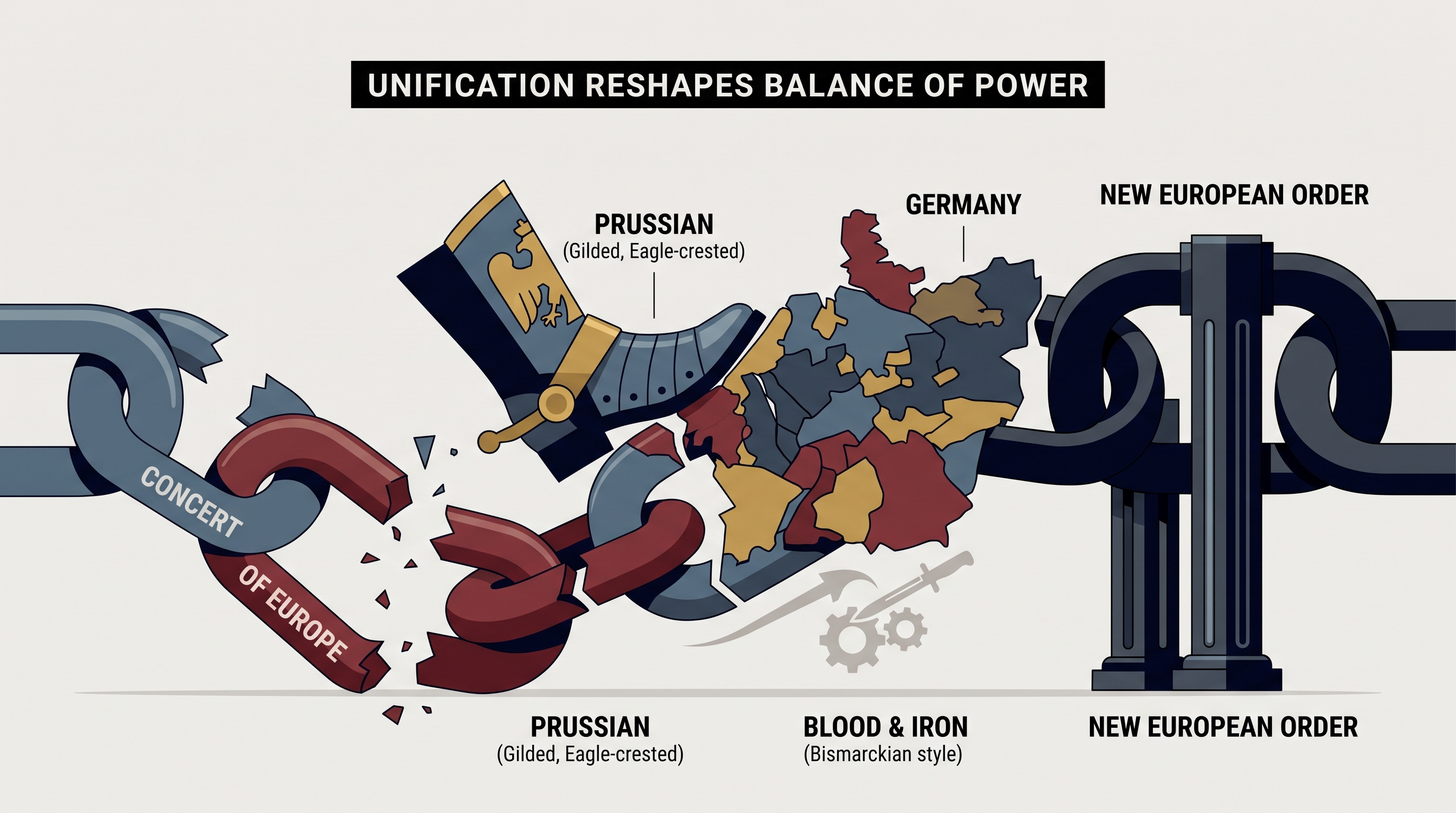
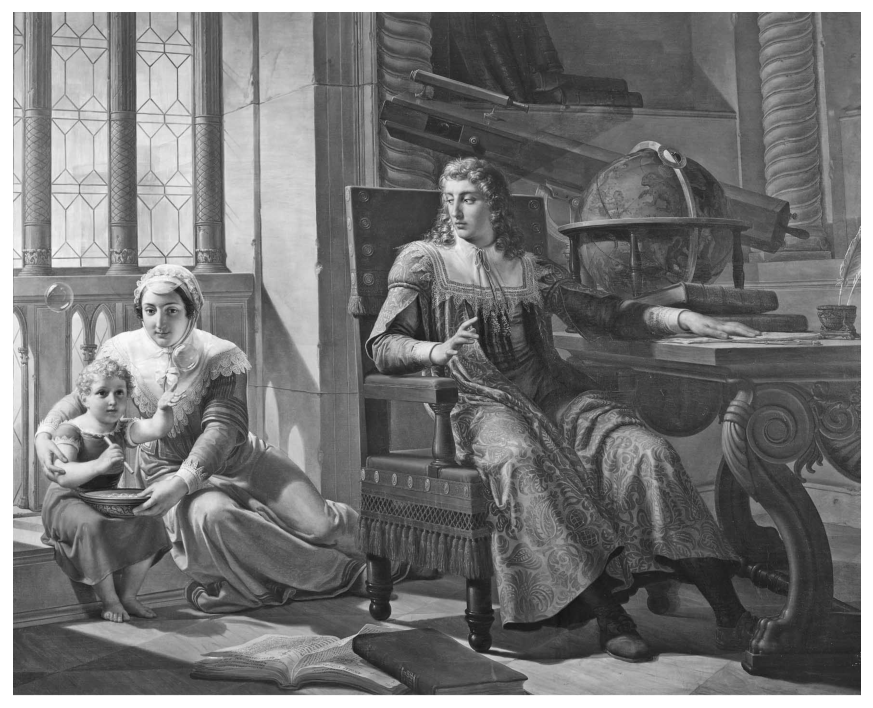
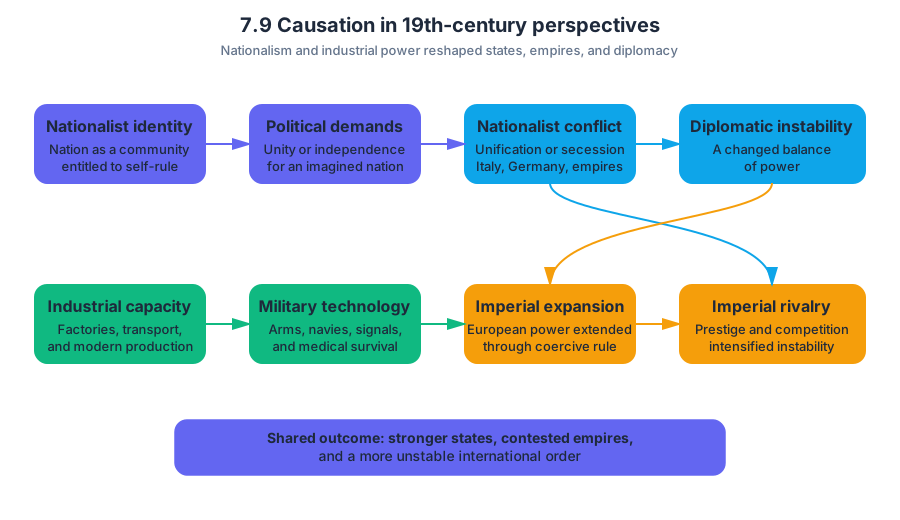
8.1 Contextualizing 20th-century global conflicts · 8.2 World War I
Key concepts: World War I as a global conflict · Long-term and short-term causes of World War I · The immense human and social losses caused by World War I · Conflicting goals of the victors and vanquished in the postwar peace · The overthrow and transformation of European empires · The creation of Middle Eastern mandate territories · Nationalist and separatist movements · Ethnic conflict and ethnic cleansing · Industrialized warfare and genocide · The long-term global consequences of 20th-century conflicts, including nuclear proliferation
World War I became a global conflict because European rivalries were transformed by industrial technology, imperial connections, and nationalist politics into a war that reached far beyond Europe.
8.1 Contextualizing 20th-century global conflicts · 8.2 World War I
World War I became a global conflict because European rivalries were transformed by industrial technology, imperial connections, and nationalist politics into a war that reached far beyond Europe. Its central historical puzzle is therefore not “What single event caused the war?” but “How did long-term tensions and short-term decisions combine to make a general war possible?”
A layered explanation of causation
Long-term factors created the dangerous setting: competition among European states, imperial rivalry, militarism, alliance commitments, and nationalism. Nationalism—the belief that a people sharing an identity should possess political loyalty and often its own state—could unify populations, but it could also turn ethnic, territorial, and imperial disputes into tests of national honor.
Short-term factors converted that unstable setting into war. The assassination of Archduke Franz Ferdinand in 1914 was the immediate trigger, but the crisis expanded because governments made linked decisions involving mobilization, alliances, strategic fears, and diplomatic miscalculation. A useful analogy is a room filled with dry wood: long-term tensions supplied the fuel, while the assassination supplied the spark. The fire still required governments to make choices that allowed it to spread.
| Layer of causation | What it contributed | Historical question |
|---|---|---|
| Long-term conditions | Nationalism, militarism, imperial competition, alliances | Why was Europe so volatile? |
| Short-term crisis | Assassination, ultimatums, mobilization, declarations of war | Why did violence spread in 1914? |
| Global connections | Empires, overseas colonies, Middle Eastern territories, economic networks | Why was this not merely a European war? |
| Industrial methods | New weapons and mass mobilization | Why were losses so immense? |
Industrialized warfare and human loss
World War I demonstrated that industrialized warfare—war organized through factories, advanced weapons, mass armies, railways, and centralized states—could produce destruction on an unprecedented scale. New technologies confounded traditional military strategies and contributed to trench warfare and massive troop losses, a development identified in KC-4.1.I.B and connected to Unit 8: Learning Objective C: Explain how new technology altered the conduct of World War I.
The war’s consequences affected both victors and vanquished, exactly as stated in KC-4.1.I. Soldiers suffered mass death, injury, and psychological trauma; civilians faced displacement, shortages, disease, and political upheaval. Economies and social structures were disrupted, while governments expanded their control over production, information, and populations. Victory therefore did not mean that the victorious states escaped the war’s damage.
A peace built from competing goals
The postwar settlement reflected conflicting aims. Some negotiators promoted diplomatic idealism, including a new international order intended to reduce future conflict; others wanted to punish Germany, protect national interests, and secure territorial or economic advantages. KC-4.1.II captures the result: the peace settlement satisfied few because it attempted to combine principles of self-determination, security, punishment, and imperial preservation.
This conflict of goals helps explain why the peace did not create a stable political order. Nationalist and separatist movements continued to challenge multinational states, while ethnic conflict and ethnic cleansing—organized efforts to remove a population from a territory through coercion or violence—became recurring features of twentieth-century instability. The key misconception is “the war ended when the armistice was signed.” The fighting stopped, but imperial collapse, contested borders, and political resentment continued reshaping Europe and the wider world.
Imperial collapse and the Middle East
World War I contributed to the overthrow and transformation of European empires, especially the German, Austro-Hungarian, Russian, and Ottoman imperial systems. Their collapse created new states and borders, but it did not automatically produce self-government or ethnic harmony. National identity became both a source of political legitimacy and a reason for conflict when different groups claimed the same territory.
In the former Ottoman lands, the postwar system created mandate territories: territories administered by European powers under an international arrangement that claimed to prepare them for eventual self-government. These included Lebanon and Syria, administered by France, and Iraq and Palestine, administered by Britain. European interactions with the Middle East were also connected to oil, making the region important not only for strategic and political reasons but also for emerging energy interests.
Worked historical reasoning
Claim: World War I resulted from a complex interaction of long- and short-term factors, rather than from nationalism alone or one assassination alone. Evidence: Nationalist movements and imperial rivalries created persistent tensions; alliance systems and military planning made a local crisis dangerous; the assassination and subsequent government decisions activated those pressures. Connection: The war then weakened empires, intensified nationalist and ethnic conflicts, and produced mandate borders whose political consequences extended beyond Europe.
This reasoning practices Skill 1: Developments and Processes by tracing how the war developed over time; Skill 4: Contextualization by placing the 1914 crisis within wider imperial and nationalist conditions; and Skill 5: Making Connections by linking industrial warfare to social loss and imperial collapse to mandate politics. It also supports Unit 8: Learning Objective A: Explain the context in which global conflict developed in the 20th century.
Retrieval check
Name one long-term cause, one short-term trigger, one way industrial technology changed warfare, and one consequence of imperial collapse. Then explain in one sentence why the creation of mandates did not end nationalist conflict.
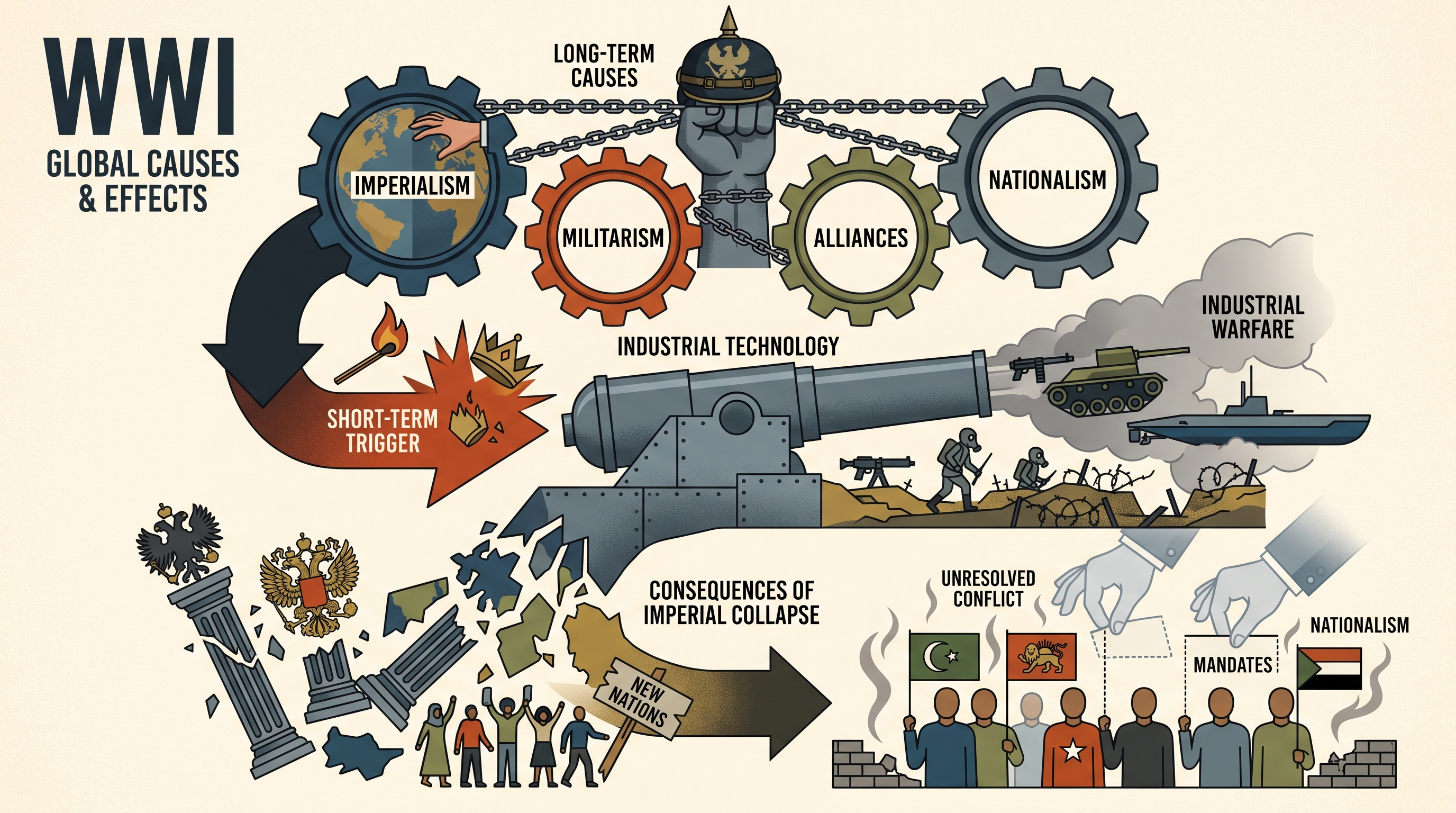
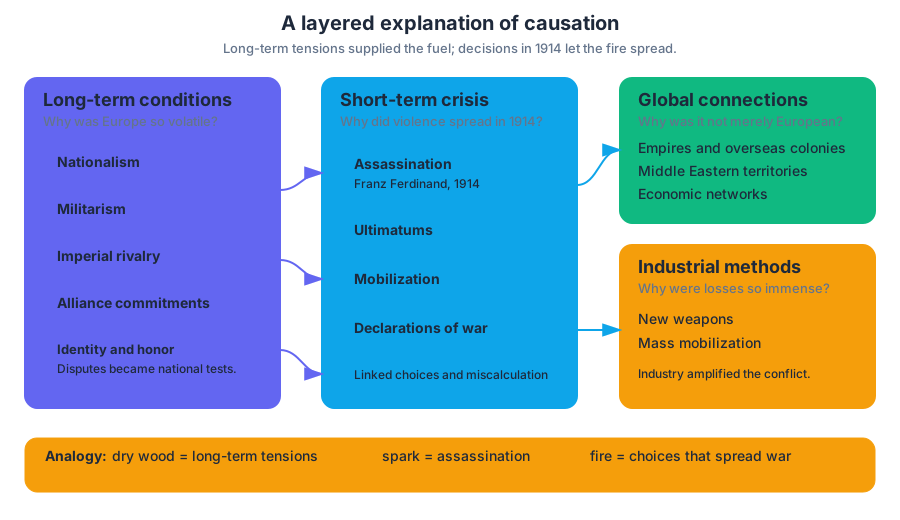
8.3 The Russian Revolution and its effects · 8.4 The Versailles Conference and peace settlement
Key concepts: Russian Revolution and its effects · Versailles Conference and peace settlement · Conflicting goals of peace negotiators · Diplomatic idealism versus punishment of Germany · League of Nations · Political, economic, and diplomatic crises · Overthrow of European empires · Globalization of World War I · Emergence of the United States as a world power · Discontent and revolution
The Russian Revolution and the Paris Peace Conference transformed the political map of Europe because they answered the same crisis in opposite ways: revolutionaries sought to overturn the existing order, while diplomats sought to rebuild it without allowing another general war.
8.3 The Russian Revolution and its effects · 8.4 The Versailles Conference and peace settlement
The Russian Revolution and the Paris Peace Conference transformed the political map of Europe because they answered the same crisis in opposite ways: revolutionaries sought to overturn the existing order, while diplomats sought to rebuild it without allowing another general war.
Revolution amid global war
World War I became a global conflict as fighting spread beyond Europe into the Middle East, Africa, and other non-European theaters. Its total mobilization placed extraordinary pressure on governments and societies: armies required more soldiers, factories required more workers, and civilians endured shortages, censorship, displacement, and mass death.
These pressures produced protest and insurrection in the belligerent nations. Army mutinies—refusals by soldiers to continue obeying military orders—revealed that governments could lose control even before they formally lost a war. The Easter Rebellion in Ireland in 1916 likewise expressed opposition to imperial rule, although it was suppressed at the time and only later helped strengthen Irish nationalism.
The Russian Revolution developed from this wider wartime breakdown. Military failure, food shortages, economic disruption, and anger at autocratic rule contributed to the February Revolution of 1917, which forced Tsar Nicholas II to abdicate. The provisional government continued the war, however, allowing the Bolsheviks under Vladimir Lenin to gain support with promises of “peace, land, and bread.” Their October seizure of power brought a revolutionary government to Russia and led to withdrawal from the war through the Treaty of Brest-Litovsk in 1918.
The revolution did not face only one opponent. Counterrevolutionaries included monarchists, liberals, moderate socialists, military leaders, and foreign powers that opposed Bolshevik rule. The resulting Russian Civil War established the Soviet state but also normalized political violence, one-party authority, emergency economic controls, and hostility toward liberal democracy.
The postwar map: idealism versus punishment
The peace negotiators who met in Paris after the war pursued conflicting goals. U.S. president Woodrow Wilson promoted Wilsonian idealism, including national self-determination, open diplomacy, and an international organization capable of preserving peace. France, especially Georges Clemenceau, prioritized security against future German aggression; Britain sought both European stability and protection of its imperial and economic interests.
The settlement therefore attempted to create a new order while punishing Germany. Germany accepted responsibility for the war through the war-guilt clause, paid reparations, surrendered territory, reduced its military, and lost its overseas colonies. These provisions satisfied neither side: many Germans considered them humiliating, while French leaders believed the restrictions were insufficient to guarantee security.
KC-4.1.II: The conflicting goals of the peace negotiators in Paris pitted diplomatic idealism against the desire to punish Germany, producing a settlement that satisfied few.
The settlement also dismantled the German, Austro-Hungarian, Ottoman, and Russian empires. Democratic successor states—including Poland, Czechoslovakia, and Yugoslavia—emerged from former imperial territories. Their borders contained multiple ethnic, linguistic, and religious communities, making national self-determination difficult to apply consistently.
| Competing priority | Intended result | Historical problem |
|---|---|---|
| Wilsonian idealism | Cooperation, self-determination, and lasting peace | National boundaries rarely matched ethnic settlement |
| Punishment of Germany | Security and compensation for the victors | Resentment weakened the new German republic |
| National self-determination | Legitimate nation-states | New minorities remained inside successor states |
| International cooperation | Collective resistance to aggression | Major powers refused or failed to participate fully |
A crucial institution was the League of Nations, created to prevent future wars through collective security: an attack on one member would theoretically concern all members. Yet the League was weakened from the outset because major powers, including the United States, Germany, and the Soviet Union, did not initially participate. The United States emerged from World War I as a world power, but its Senate rejected membership in the League, sharply limiting the organization’s authority.
Why the settlement remained unstable
The democratic successor states faced significant political, economic, and diplomatic crises. Political parties struggled to establish legitimacy; inflation, debt, unemployment, and war damage strained economies; and disputes over borders and minority populations created diplomatic tension. The Weimar Republic in Germany was especially vulnerable because the Versailles settlement linked the new democracy to military defeat, national humiliation, war guilt, and reparations.
The settlement did not single-handedly cause later dictatorships or another world war. Its importance lies in the interaction between punishment and weakness: the treaty damaged German political legitimacy, while the League lacked the participation and power needed to enforce a stable international order. The Russian Revolution and the peace settlement thus produced competing models of postwar politics—communist revolution and fragile parliamentary reconstruction.
Misconception check — “Self-determination created a map of pure nation-states.” It did not. The principle was applied selectively, and the new borders left many ethnic minorities inside states dominated by other national groups. This contradiction made the postwar order appear hypocritical to some populations and unstable to many governments.
Source analysis: propaganda and purpose
When analyzing a World War I propaganda poster, separate what the image shows from what it is trying to do. A poster depicting a threatened homeland may use exaggerated danger to recruit soldiers, raise money, encourage production, or demonize an enemy. Under Historical Thinking Skill 2.C: Sourcing and Situation, ask who created it, for which audience, under what wartime conditions, and how that purpose limits the poster as evidence of ordinary public opinion.
A useful chain of reasoning is: wartime crisis produced propaganda; propaganda shaped public interpretations of sacrifice; prolonged sacrifice encouraged mutiny and revolution; revolution and imperial collapse altered the balance of power; diplomats then attempted to construct a peace settlement that could contain those changes.
Retrieval check
Explain in two or three sentences why the Versailles settlement was unstable. A strong answer should identify the conflict between Wilsonian idealism and punishment of Germany, then connect the treaty’s weaknesses—including the League’s limited participation and the Weimar Republic’s legitimacy problems—to the broader political and economic crises of the postwar period.
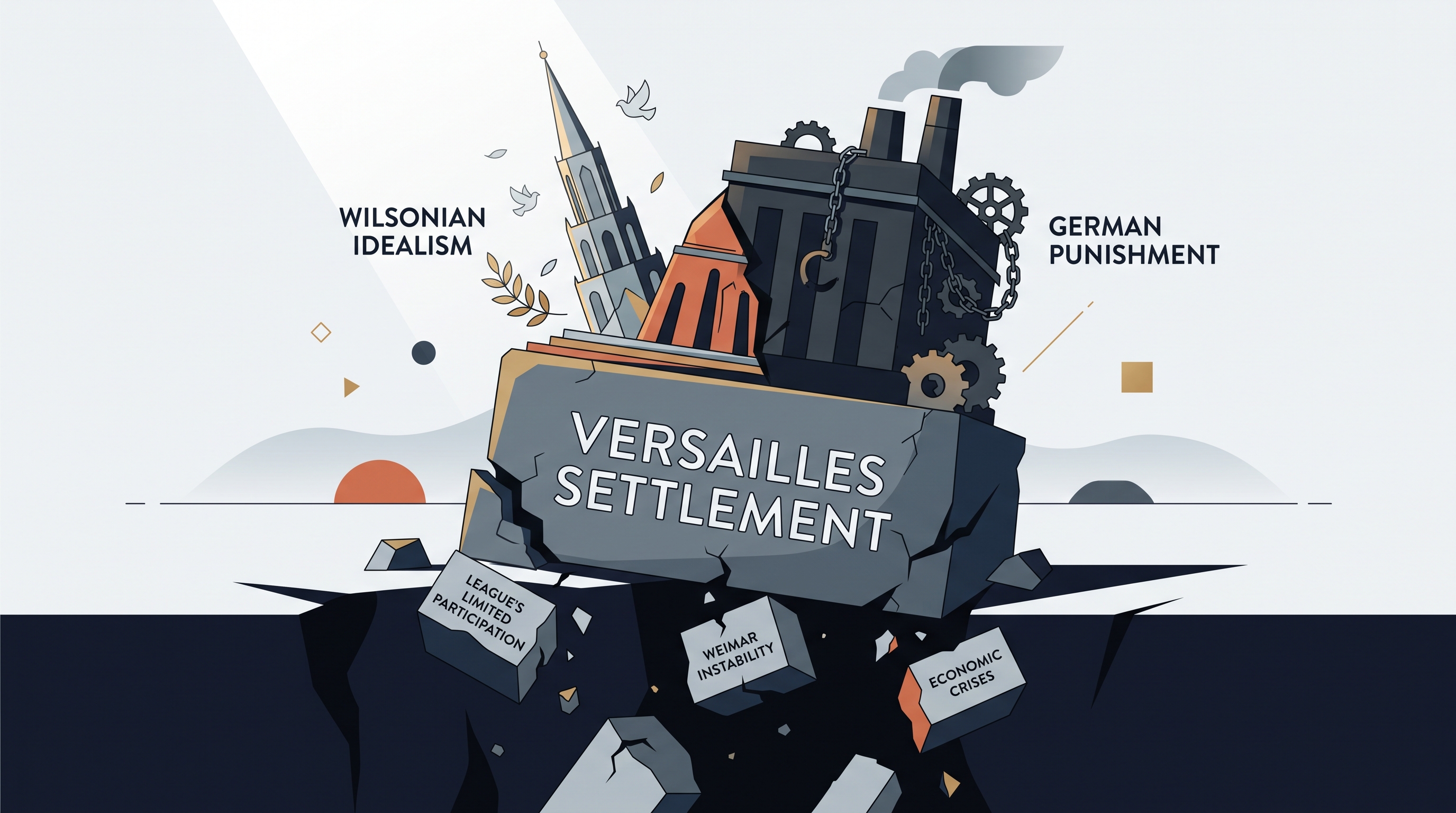
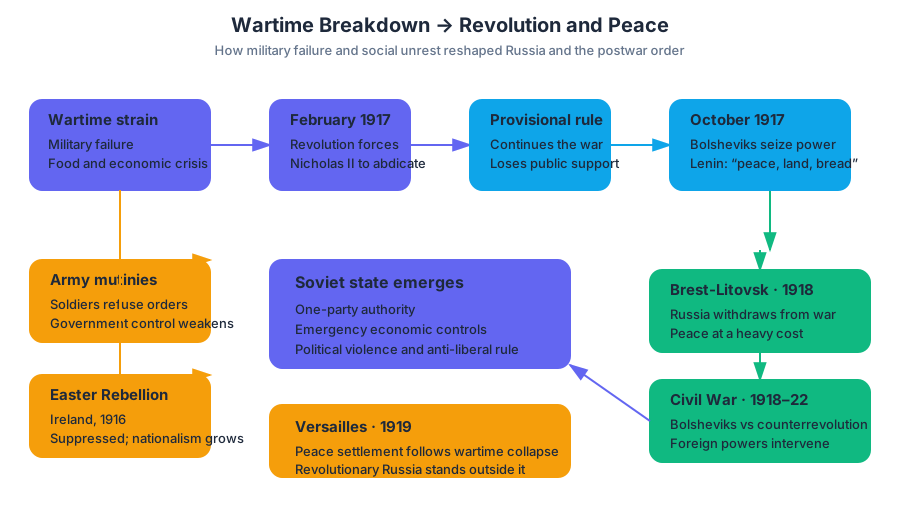
8.5 The global economic crisis · 8.6 Fascism and totalitarianism
Key concepts: The global economic crisis and the Great Depression · The rise of fascism after World War I · Postwar bitterness and political instability · The rise of communism and fear of revolution · Fascist propaganda and the cult of personality · Authoritarian dictatorships in Central and Eastern Europe · The Soviet Union’s rapid economic modernization · Collectivization and the Five-Year Plan · Contrasts between Nazi and communist regimes · Economic recovery in Europe through the Marshall Plan
A financial crash in New York could destabilize governments across Europe because the postwar economy depended heavily on American lending. When the United States cut off capital flows after the 1929 stock-market crash, debt, unemployment, and political distrust intensified—creating conditions that extremist…
8.5 The global economic crisis · 8.6 Fascism and totalitarianism
A financial crash in New York could destabilize governments across Europe because the postwar economy depended heavily on American lending. When the United States cut off capital flows after the 1929 stock-market crash, debt, unemployment, and political distrust intensified—creating conditions that extremist movements could exploit.
The Great Depression: an economic crisis becomes a political crisis
The Great Depression was a prolonged collapse of production, employment, trade, and investment beginning after the 1929 crash. The crash did not mechanically cause fascism, but it sharply worsened conditions that already made democratic governments vulnerable: postwar bitterness, uncertain transitions to democracy, fear of communist revolution, and economic instability (KC-4.2.I).
The mechanism was transnational:
U.S. stock-market crash
          ↓
American banks recall loans and reduce new lending
          ↓
European banks and governments lose access to capital
          ↓
Business failures + unemployment + reduced trade
          ↓
Public distrust of parliamentary governments
          ↓
Greater support for radical alternatives
Germany was especially exposed because foreign loans had helped stabilize its economy after World War I. As credit contracted, businesses failed and unemployment surged. Many voters did not abandon democracy because they had suddenly become committed fascists; they became more willing to support parties promising order, national recovery, and decisive leadership.
Key distinction: Economic crisis creates political opportunity; it does not determine a single political outcome.
Why fascism gained popularity
Fascism was an ultranationalist, authoritarian ideology that rejected liberal democracy, glorified war and national unity, and placed political power in the hands of a charismatic leader. Its roots reached into the pre-World War I era, but it gained mass appeal after the war in an atmosphere of humiliation, fear, social conflict, and unstable political transitions (Learning Objective 8.H; KC-4.2.II).
Fascist movements offered different promises to different groups. Veterans heard a language of restored honor; business owners heard protection from communist revolution; middle-class citizens heard promises to defeat strikes and disorder; nationalists heard demands to overturn humiliating settlements. This flexibility helped fascism build coalitions without requiring every supporter to share exactly the same economic program.
Mussolini, Hitler, and the capture of weak democracies
Benito Mussolini in Italy and Adolf Hitler in Germany rose by exploiting postwar bitterness and economic instability, using terror, and manipulating fledgling and unpopular democratic institutions (KC-4.2.II.B). Their movements did not simply seize power through one dramatic coup. They used elections, elite negotiations, intimidation, propaganda, and emergency powers to turn constitutional systems against themselves.
The critical sequence was:
- Crisis weakened confidence in parliamentary parties.
- Fascist organizations used violence and spectacle to appear powerful.
- Leaders presented themselves as national saviors.
- Conservative elites invited or tolerated them, believing they could control them.
- Once inside government, fascists dismantled opposition and concentrated authority.
Misconception check — “Hitler was elected dictator.” Hitler was appointed chancellor in 1933 after the Nazi Party became electorally powerful. He then used coercion and legal mechanisms, including emergency authority, to destroy political opposition and establish dictatorship. The election helped create access to power; it did not by itself complete the dictatorship.
Propaganda, technology, and the cult of personality
Fascist dictatorships used modern technology to make politics feel constant, personal, and emotionally overwhelming. Propaganda means organized communication designed to shape public beliefs and behavior. Radio carried speeches into homes; monumental architecture made the state appear permanent; mass rallies displayed unity; and the cult of personality represented the leader as the embodiment of the nation (KC-4.2.II.A).
Joseph Goebbels coordinated Nazi propaganda, while filmmaker Leni Riefenstahl used carefully staged images, movement, music, and monumental scale to present Nazi power as beautiful and inevitable. These techniques did not merely advertise policies. They narrowed the imaginable political world: criticism became betrayal, compromise became weakness, and war became a source of national renewal.
Fascist propaganda therefore worked through both attraction and exclusion. It promised belonging to a supposedly unified national community while defining minorities, political opponents, and alleged internal enemies as threats. The rejection of democratic institutions was presented not as tyranny, but as a cure for division.
Communism, Soviet modernization, and authoritarian alternatives
The rise of communism intensified fascist appeal among people who feared revolution and the destruction of private property. Yet Nazi Germany and the Soviet Union represented opposing extremist ideologies: Nazism centered on racial hierarchy, aggressive nationalism, and expansion, whereas Soviet communism claimed to organize society through class revolution and state ownership. Both developed authoritarian political systems, but “authoritarian” does not mean “ideologically identical.”
The Soviet Union pursued rapid economic modernization through collectivization, the forced consolidation of private farms into state-controlled collective agriculture, and the Five-Year Plan, a government program assigning production targets to accelerate industrial growth. These policies increased state control and industrial capacity but imposed immense human costs, including coercion, famine, repression, the Great Purges, Gulags, and secret-police terror.
Central and Eastern Europe
Democracy also weakened beyond Germany and Italy. Authoritarian dictatorships developed in Poland, Hungary, and Romania, where leaders restricted opposition, concentrated executive power, and treated political order as more important than liberal civil rights. These regimes were not identical to Nazi Germany or the Soviet Union, but they shared the broader interwar pattern of distrust toward parliamentary government and fear of revolutionary instability.
AP skill connection — Skill 2: Sourcing and Situation. When analyzing a fascist speech, poster, film, or radio address, ask: Who created it? For what audience? Under what crisis? With what intended effect? A Nazi rally film made under a dictatorship is not transparent evidence that society was genuinely unanimous; it is evidence of how the regime wanted unity to appear.
Retrieval check: Explain the chain connecting the 1929 crash to fascist popularity, then identify one important difference between Nazi Germany and the Soviet Union. A strong answer links the withdrawal of American capital to unemployment and distrust of democracy, and distinguishes Nazi racial-nationalist expansion from Soviet communist state control.
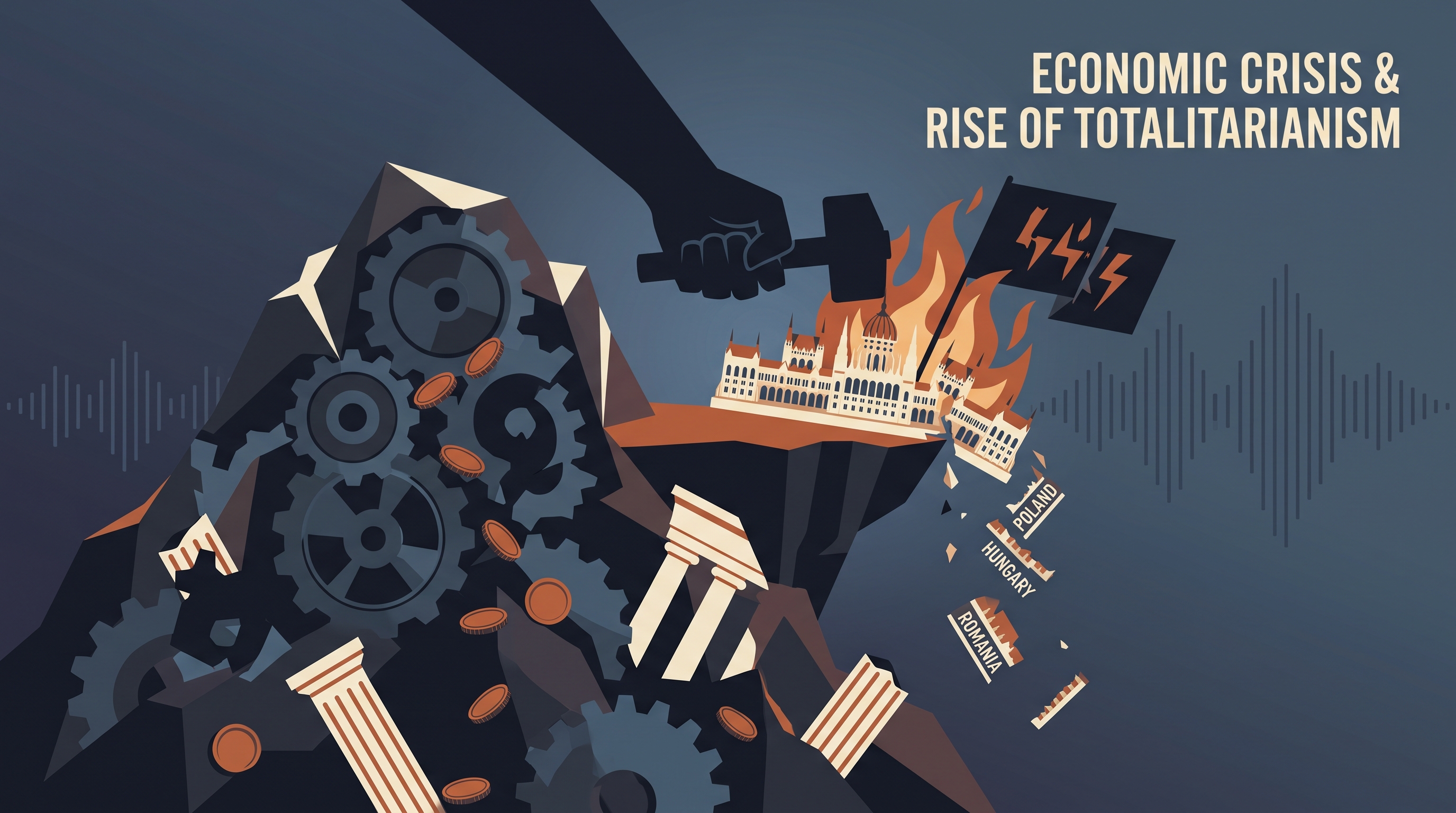
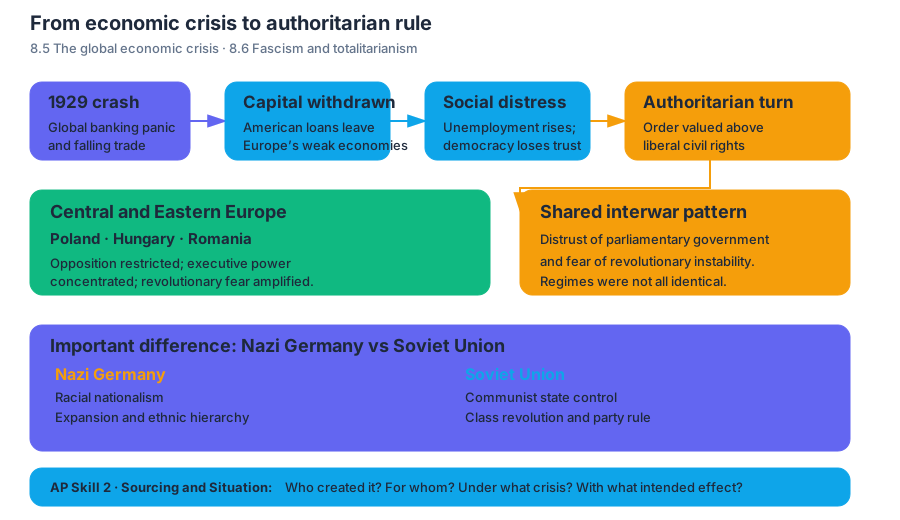
8.7 Europe during the interwar period · 8.8 World War II
Key concepts: Militarism and alliance systems · Imperial competition · Interwar political and economic instability · The Great Depression · Fascism and fascist propaganda · Authoritarianism · Stalinism and forced modernization · The Spanish Civil War · Total war · The transition from World War II to the Cold War and transnational union
World War I began as a regional crisis in the Balkans but became a continental catastrophe because military plans, alliance systems, nationalism, and imperial competition turned one government’s decision into a chain reaction.
8.7 Europe during the interwar period · 8.8 World War II
World War I began as a regional crisis in the Balkans but became a continental catastrophe because military plans, alliance systems, nationalism, and imperial competition turned one government’s decision into a chain reaction.
From Balkan crisis to world war
The assassination of Archduke Franz Ferdinand in Sarajevo in 1914 did not make a general war inevitable by itself. Austria-Hungary’s decision to confront Serbia interacted with Germany’s support for Austria-Hungary, Russia’s ties to Serbia, France’s alliance with Russia, and Britain’s concern about the European balance of power. Military planners had prepared for rapid mobilization, so once governments began moving troops, delay could appear more dangerous than escalation.
Militarism means giving military power and military values an unusually important role in government and society. Imperial competition intensified the crisis because European states already competed for colonies, resources, strategic routes, and international prestige. Nationalist movements further encouraged governments and populations to interpret compromise as weakness.
Key distinction: The assassination was the immediate trigger; alliance commitments, mobilization plans, militarism, nationalism, and imperial rivalry created the conditions that allowed the crisis to expand.
Worked causal example: Serbia’s conflict with Austria-Hungary might have remained local in a less interconnected system. Austria-Hungary’s ultimatum, Germany’s backing, Russia’s mobilization, and the operation of opposing alliance networks transformed a dispute between neighboring states into a war involving much of Europe. The reasoning is therefore not “one assassination caused World War I,” but “a short-term trigger activated long-term structural tensions.”
Why the interwar democracies proved vulnerable
After 1918, European societies faced enormous debts, disrupted economies, political violence, and the psychological shock of total war. Total war mobilizes a society’s human, industrial, agricultural, and financial resources for conflict; its consequences therefore continued after the armistice. Veterans, workers, peasants, and middle-class citizens often experienced inflation, unemployment, political resentment, or fear of revolution.
World War I debts and nationalist anger made extremist promises attractive. Fascist leaders glorified war, discipline, sacrifice, and national unity while presenting parliamentary compromise as weakness. They manipulated fledgling and unpopular democracies by using elections, legal appointments, propaganda, intimidation, and emergency powers to destroy democratic institutions from within.
The Great Depression magnified these pressures. The collapse of international trade and unstable monetary practices produced mass unemployment and deepened distrust of liberal governments. In this environment, radical movements could claim that only authoritarian rule, centralized economic direction, and national solidarity could restore order.
Misconception check — “Fascism won only through popular enthusiasm.” Fascist leaders did attract disillusioned populations, but their success also depended on political elites, institutional weakness, economic crisis, violence, and the willingness of established authorities to treat them as useful tools against socialism and parliamentary instability.
Stalin’s alternative authoritarian model
After Lenin’s death, Stalin implemented a centralized program of rapid economic modernization in the Soviet Union. The state directed industrial development and agriculture, but the program imposed severe human costs: peasants and other perceived enemies were persecuted, famine struck Ukraine, and political rivals were removed through purges and terror.
Unit 8: Learning Objective I — KC-4.2.I.D.ii: Stalin’s economic policies combined rapid modernization with severe authoritarian rule and coercive control over society.
Stalin’s Soviet Union differed ideologically from fascist regimes, yet both rejected liberal democracy and concentrated power in a single-party authoritarian state. This distinction matters: Nazi racial ideology and imperial expansion were not identical to Soviet communist control, even though both systems used propaganda, repression, and state-directed mobilization.
Spain as a rehearsal for World War II
The Spanish Civil War began in 1936 when military forces rebelled against the Spanish Republic. Francisco Franco received support from Italian and German fascists, while the conflict became a testing ground for weapons, aircraft, tactics, and ideological alliances. Western democracies chose not to intervene decisively, reinforcing the impression that fascist aggression could proceed without immediate opposition.
Franco’s victory in 1939 established authoritarian rule in Spain. The conflict also revealed the wider ideological struggle among Western democratic capitalist nations, fascist states, and the authoritarian communist Soviet Union. A poster produced by anarchist groups associated with the CNT-FAI, for example, should be read not merely as an image of fighting but as a call for collective action shaped by its creators’ opposition to militarism and authoritarian forces.
World War II and total war
Fascism, extreme nationalism, racist ideologies, and the failure of appeasement helped produce World War II. The conflict again became total war, drawing civilians, factories, farms, scientific institutions, and entire national economies into military struggle. Political instability intensified as governments collapsed, populations were displaced, and occupation regimes reorganized daily life through coercion.
The world wars also transformed women’s lives and roles. Mobilization expanded women’s participation in factories, offices, farms, transport, nursing, and other wartime work, although states and employers often treated this labor as temporary or secondary. War therefore created both new responsibilities and persistent inequalities.
Retrieval check: Explain why the First World War became general rather than remaining a Balkan conflict. Then identify one way the Great Depression weakened democracy and one way the Spanish Civil War anticipated World War II. A strong answer links specific mechanisms—alliances and mobilization; economic collapse and radical politics; fascist intervention and nonintervention—to their historical consequences.
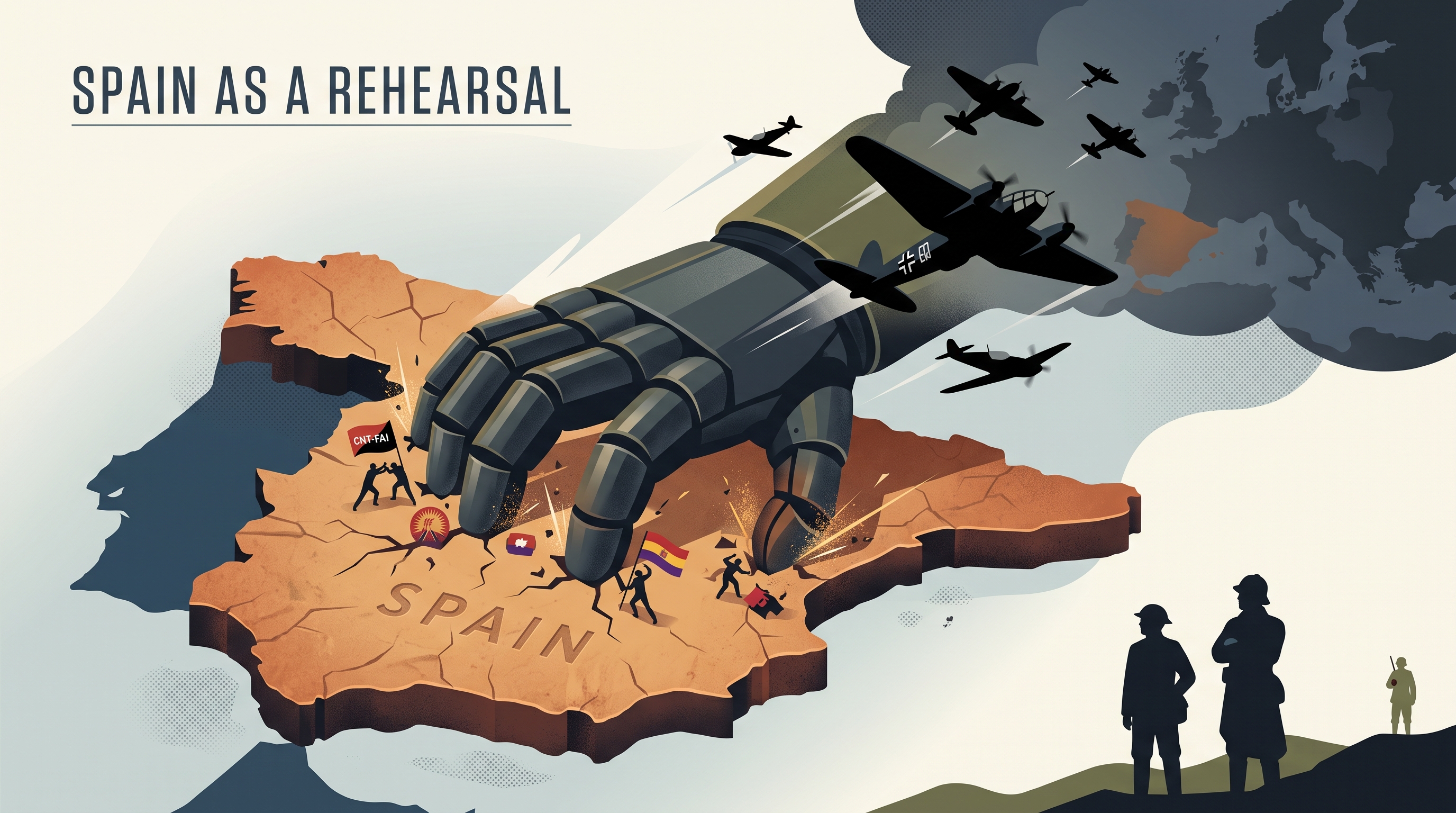
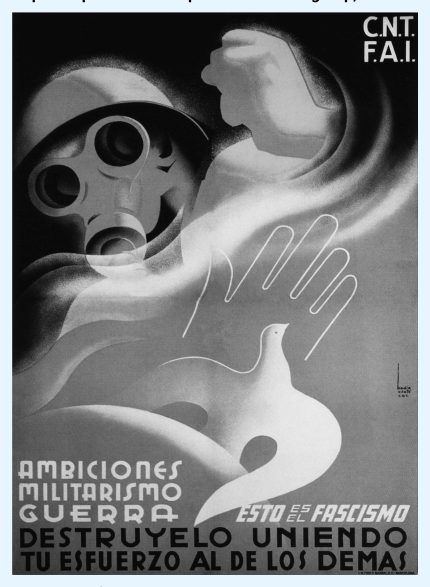
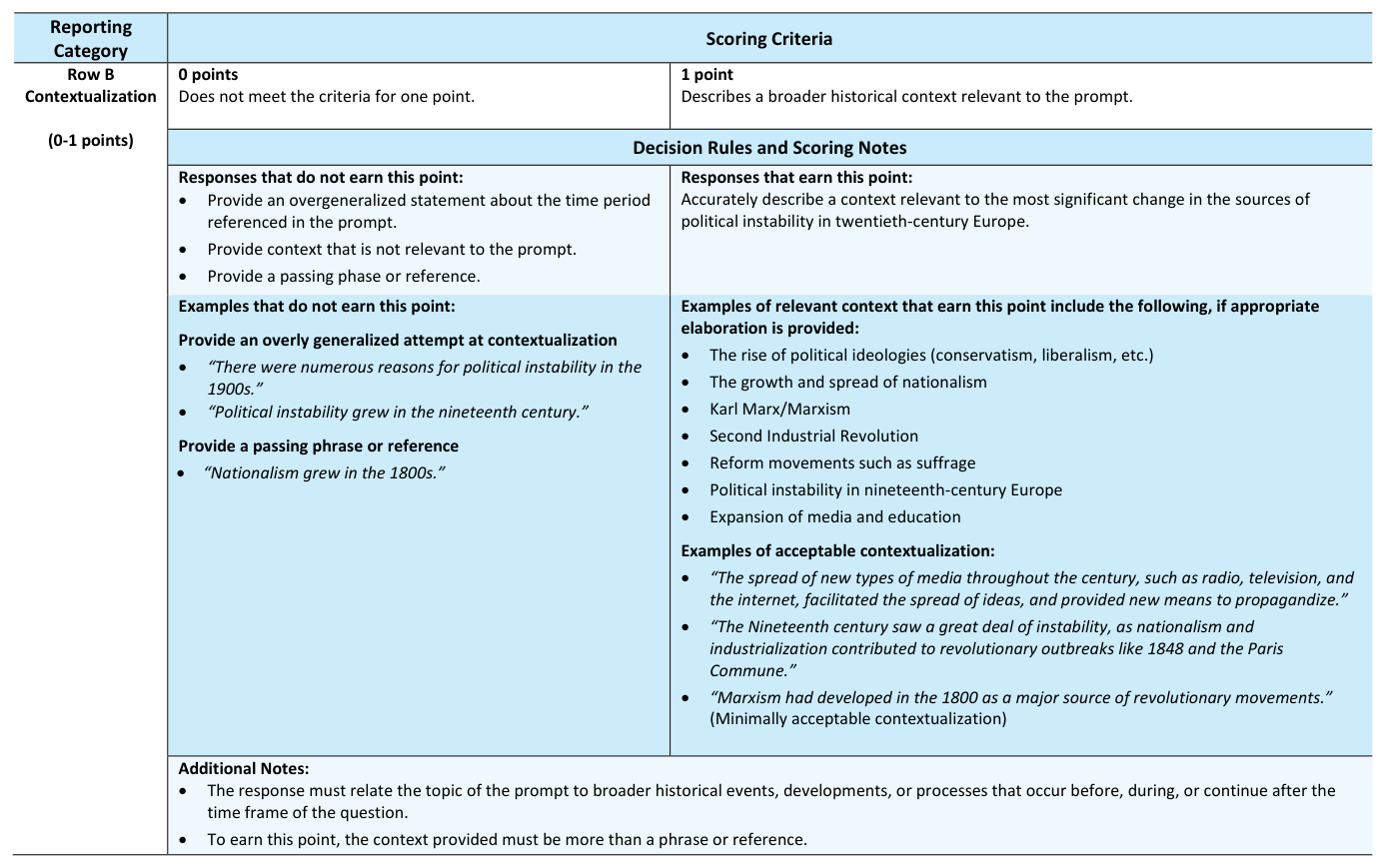
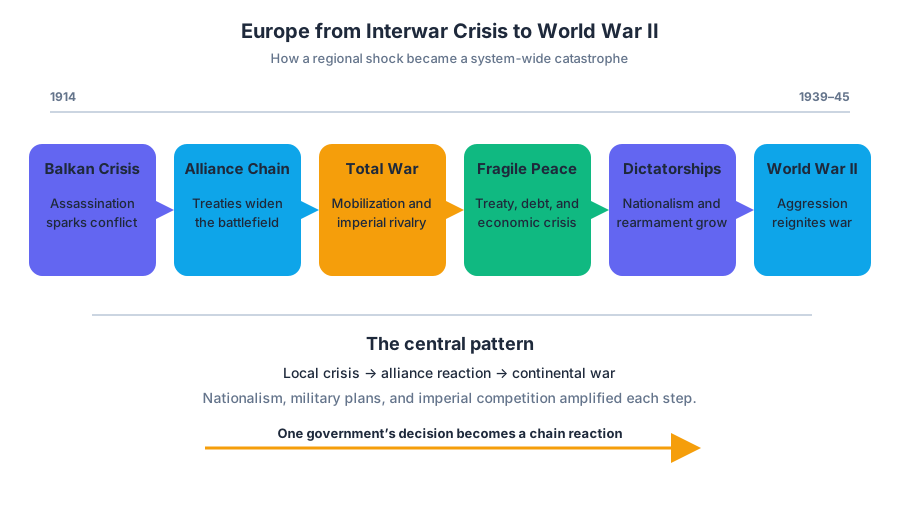
8.9 The Holocaust · 8.10 20th-century cultural, intellectual, and artistic developments
Key concepts: Renaissance humanism · Greek and Roman classical texts · Printing press · Andrea Palladio · Leon Battista Alberti · Filippo Brunelleschi · Reformation · Enlightenment · Public opinion · Social organization and development
The Holocaust shows what happens when ideas, institutions, technology, and social relationships are organized toward the systematic exclusion and destruction of human beings. The broader history of European cultural and intellectual development asks a linked question: How do changing ways of producing knowledge…
8.9 The Holocaust · 8.10 20th-century cultural, intellectual, and artistic developments
The Holocaust shows what happens when ideas, institutions, technology, and social relationships are organized toward the systematic exclusion and destruction of human beings. The broader history of European cultural and intellectual development asks a linked question: How do changing ways of producing knowledge reshape authority, individual identity, and society—and how can those same systems serve liberation or oppression?
Knowledge can redistribute authority
A useful starting point is the Renaissance humanist revival of Greek and Roman classical texts. Humanists such as Petrarch used philology—the careful study of language and manuscripts—to recover ancient literature and promote secularism, or attention to worldly life, and individualism, the idea that individuals possess distinctive value and agency. This did not simply erase religion; it widened the range of authorities that educated Europeans could consult.
Key idea — KC-1.1.I.B: The humanist revival of Greek and Roman texts, spread by the printing press, challenged the institutional power of universities and the Catholic Church. Education shifted away from a primary focus on theological writings toward classical texts and new methods of scientific inquiry.
The printing press made this intellectual shift more powerful because texts could circulate beyond the small communities of manuscript readers. Printing did not automatically make every claim true, but it increased the speed, scale, and permanence with which arguments could reach readers. A larger reading public could compare authorities, debate interpretations, and gradually form what later thinkers called public opinion.
The causal chain is compact but important:
Classical texts → new interpretations → challenges to traditional authority → wider literacy → public debate and differing worldviews
The same mechanism reappeared in the Enlightenment. Enlightenment thinkers challenged traditional sources of authority and encouraged people to evaluate political, social, and religious claims through reason, observation, and debate. These developments had political, intellectual, economic, cultural, and social effects: they altered how individuals understood themselves and how communities judged institutions.
Culture makes ideas visible
Renaissance culture demonstrates that intellectual change appears not only in books but also in buildings, images, and public spaces. Filippo Brunelleschi, Leon Battista Alberti, and Andrea Palladio are identified with Renaissance cultural developments. Their architecture drew on classical forms and proportion, turning admiration for Greece and Rome into visible models of order, civic identity, and human capacity.
This is why the term cultural and intellectual developments is broader than “art history.” A building can communicate assumptions about authority, citizenship, beauty, mathematics, and the relationship between human beings and the world. Scientific and technological innovations likewise increased efficiency, improved daily life, and reshaped human development and interactions.
Institutions shape social status
Ideas never operate in a social vacuum. Economic, political, and cultural forces influenced the form and status of families, classes, and social groups throughout European history. Literacy might expand access to debate while education remained unequal; new technologies might improve production while strengthening the power of employers or states; public rituals might unite a community while humiliating those judged deviant.
Authorities enforced communal norms through rituals of public humiliation. The purpose was not merely to punish one person. Public exposure warned observers about the behavior a community rejected and demonstrated that institutions possessed the power to define acceptable conduct. This creates an important contrast with Enlightenment claims: traditional authorities emphasized conformity, while Enlightenment arguments increasingly defended inquiry, criticism, and competing worldviews.
The Holocaust as a warning about modern systems
The Holocaust must therefore be understood not as an isolated failure of culture, but as a historical demonstration that modern literacy, bureaucracy, transportation, science, and communication can be placed in the service of persecution. Intellectual sophistication does not guarantee moral progress. Institutions that classify, record, persuade, and coordinate can either protect human dignity or turn prejudice into organized policy.
A common misconception is “technological progress automatically produces social progress.” The historical pattern is more precise: technology increases human capacity, but political institutions and cultural values determine how that capacity is used. Printing could spread humanist inquiry; modern communications could spread propaganda. The crucial historical question is always: Who controls the tool, what worldview guides its use, and which groups gain or lose power?
Worked interpretation
Suppose a source describes a new educational program that replaces exclusive theological study with classical texts, scientific investigation, and wider circulation of printed books. The strongest interpretation would identify a challenge to traditional authority, connect the change to humanism and the printing press, and explain a consequence such as increased literacy or the growth of public opinion. Merely saying “people became smarter” is too vague; the historical reasoning lies in tracing how a change in knowledge altered institutions and social relationships.
Retrieval check: Name one way the printing press changed intellectual life, one Renaissance architect associated with classical revival, and one reason technological innovation should not be treated as automatically progressive.
Answer: Printing widened the circulation of humanist ideas and helped challenge established authorities; Brunelleschi, Alberti, or Palladio is an acceptable architect; and technology can improve efficiency while also being used for coercion, exclusion, or mass violence.
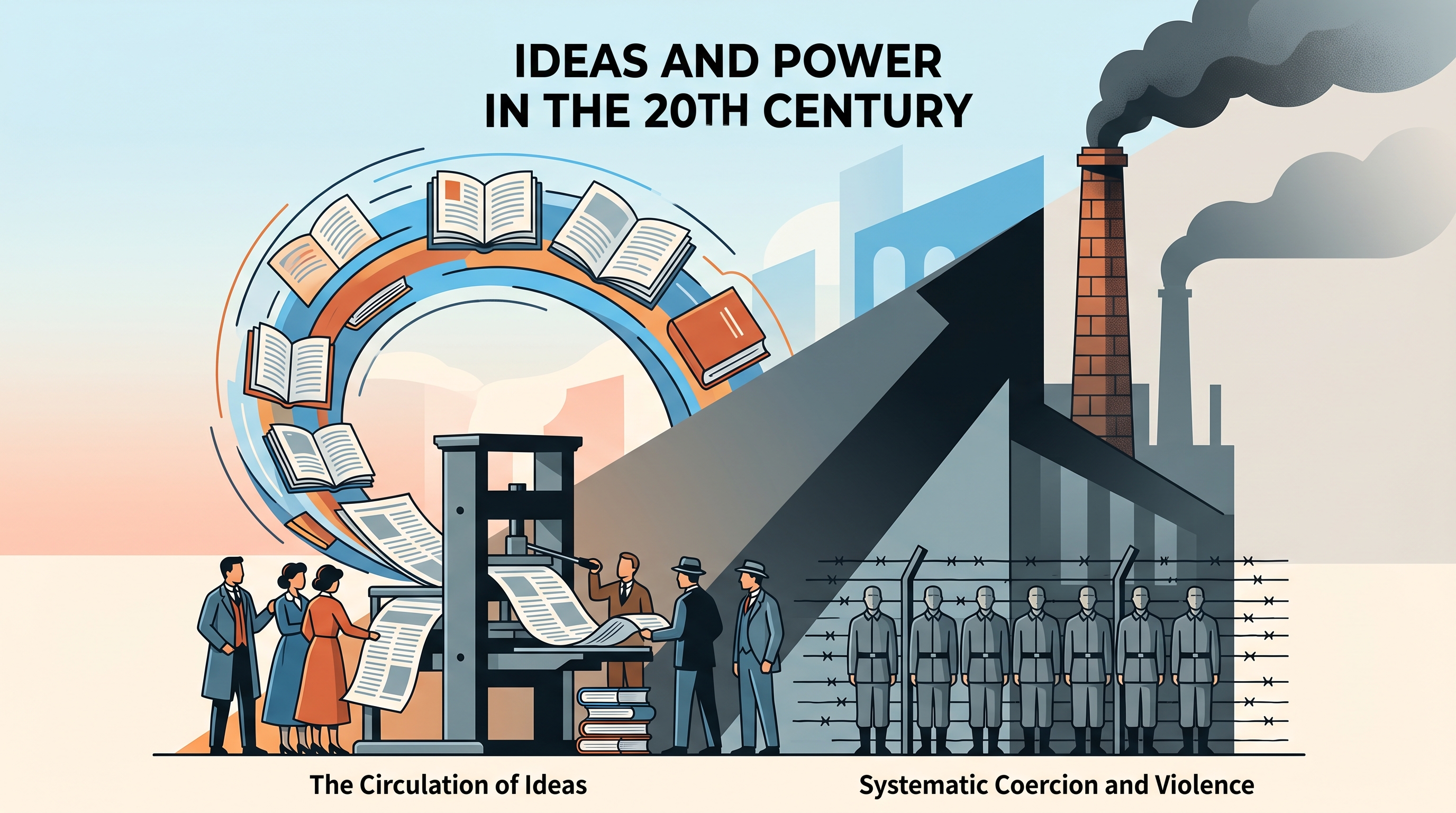
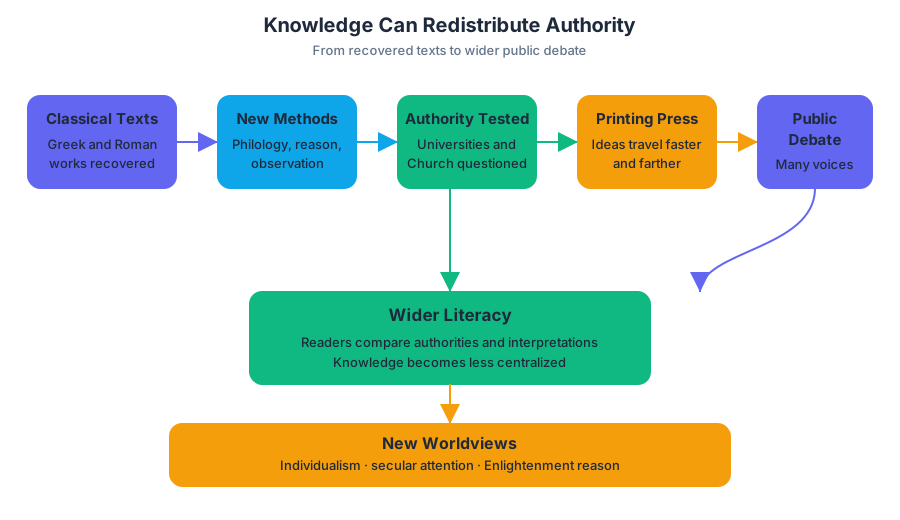
9.1 Contextualizing the Cold War and contemporary Europe · 9.2 Rebuilding Europe
Key concepts: Contextualizing the Cold War · Rebuilding Europe · Cold War tensions between the USSR and the West · Division of Europe · Soviet domination of Eastern Europe · COMECON · Warsaw Pact · Suppression of dissent in the Soviet bloc · Constraint of emigration in the Soviet bloc · Postwar world monetary and trade system
After 1945, Europe was not simply “at peace.” It was divided between competing political and economic systems whose rivalry shaped borders, governments, trade, military alliances, and everyday freedoms.
9.1 Contextualizing the Cold War and contemporary Europe · 9.2 Rebuilding Europe
After 1945, Europe was not simply “at peace.” It was divided between competing political and economic systems whose rivalry shaped borders, governments, trade, military alliances, and everyday freedoms. The central problem was how a continent devastated by total war would rebuild while the Soviet Union and the Western powers distrusted one another deeply.
From wartime alliance to divided Europe
The Cold War was a prolonged geopolitical conflict between the Soviet Union and the United States-led West. It rarely became a direct, full-scale war between the two principal powers; instead, tension appeared through military alliances, economic systems, political pressure, nuclear threats, espionage, proxy conflicts, and struggles over the future of European states.
Several tensions made cooperation fragile:
- The Soviet Union feared another invasion from the West after the German invasions and enormous wartime destruction experienced during the two world wars.
- Western governments feared the spread of communist revolution and the expansion of Soviet influence.
- The United States developed nuclear weapons first, and the Soviet Union soon developed its own, creating the danger of catastrophic escalation.
- The liberation of eastern European territories by the Red Army left Soviet troops positioned across Central and Eastern Europe.
The result was the division of Europe, symbolized by the Iron Curtain: a political, military, and economic boundary separating Soviet-dominated Eastern Europe from Western Europe, which generally developed under American influence and capitalist systems.
| Western Europe | Eastern Europe |
|---|---|
| Capitalist economic systems | State-directed economic systems |
| Increasing cooperation through NATO and Western European economic institutions | Soviet coordination through the Warsaw Pact and COMECON |
| Greater political pluralism, though not without conflict | One-party communist governments |
| Marshall Plan assistance and integration into Western trade and monetary structures | Central planning and specialized production within the Soviet bloc |
Soviet domination and the Soviet bloc
Countries east of the Iron Curtain came under the Soviet Union’s military, political, and economic domination. The Warsaw Pact coordinated the bloc’s military forces, while the Council for Mutual Economic Assistance (COMECON) coordinated economic relationships among communist states. These institutions gave the Soviet Union mechanisms for maintaining influence even when individual governments formally remained separate countries.
COMECON operated through an economic model based on central planning, meaning that governments—not competitive markets—determined major production goals, prices, investment priorities, and trade relationships. Member states often specialized in particular forms of production, linking their economies to one another and to Soviet priorities.
Key distinction: COMECON was an economic coordination system; the Warsaw Pact was a military alliance. Both, however, reinforced Soviet authority in Eastern Europe.
The Soviet-bloc model expanded social welfare and guaranteed employment in principle, but it sharply restricted political and individual freedoms. Governments suppressed dissent, censored opposition, monitored citizens, and constrained emigration for various populations. In practice, shortages of consumer goods and lower living standards than those in much of Western Europe intensified dissatisfaction.
Rebuilding Europe: cooperation under pressure
Western European reconstruction depended on both physical recovery and institutional stability. The Marshall Plan supplied American economic assistance, while the Truman Doctrine signaled American opposition to communist expansion. Western European states also participated in the postwar world monetary and trade system associated with the Bretton Woods institutions, including the International Monetary Fund and the World Bank, alongside efforts to reduce trade barriers.
These arrangements did more than repair roads, factories, and currencies. They tied Western European recovery to economic cooperation and American influence. Later institutions such as the European Economic Community further encouraged integration, while the Soviet bloc developed its own coordinated alternative through COMECON.
Rebuilding therefore produced two contrasting European paths:
- Western Europe pursued capitalist growth, expanding trade, economic cooperation, and political systems with greater room for competing parties.
- Eastern Europe pursued state planning, social welfare provision, and production coordinated within the Soviet sphere, at the cost of restricted rights and political conformity.
Cold War developments beyond Europe
Cold War tensions also shaped conflicts outside the European core. The Yom Kippur War demonstrated how a regional conflict in the Middle East could become entangled with superpower rivalry, while the Soviet invasion of Afghanistan showed the costs of Soviet military intervention beyond Eastern Europe. These examples matter because the Cold War was a global system of competition, even though its most visible political boundary ran through Europe.
Over time, the combination of economic weakness, political repression, and public dissatisfaction placed increasing stress on Soviet-bloc governments. The stresses of economic collapse and totalitarianism contributed to major changes in Europe, including challenges to communist authority and the eventual transformation of the continent’s political order.
Misconception check
Misconception: “The Cold War divided Europe only militarily.” The division was military, but it was also economic and political. NATO and the Warsaw Pact represented rival security systems; Western economic integration and COMECON represented rival economic spheres; and restrictions on dissent and emigration revealed how deeply the conflict affected ordinary life.
Assessment lens
For KC-4.1.IV.D and KC-4.2.V.A, the essential historical explanation is that Cold War rivalry produced institutional division: Soviet domination operated through the Warsaw Pact and COMECON, while the Western powers promoted reconstruction, monetary cooperation, trade, and anti-communist alignment. The associated Unit 9: Learning Objective D and DKC-4.2.V.A1.B emphasize explaining the economic and political consequences of the Cold War for Europe. The relevant skill is Developments and Processes, especially tracing how postwar tensions generated durable institutions and contrasting systems.
Retrieval check
Why did COMECON and the Warsaw Pact strengthen Soviet control even though Eastern European countries remained formally independent? Answer in two parts: identify each institution’s function, then explain how those functions limited the region’s economic or political autonomy.
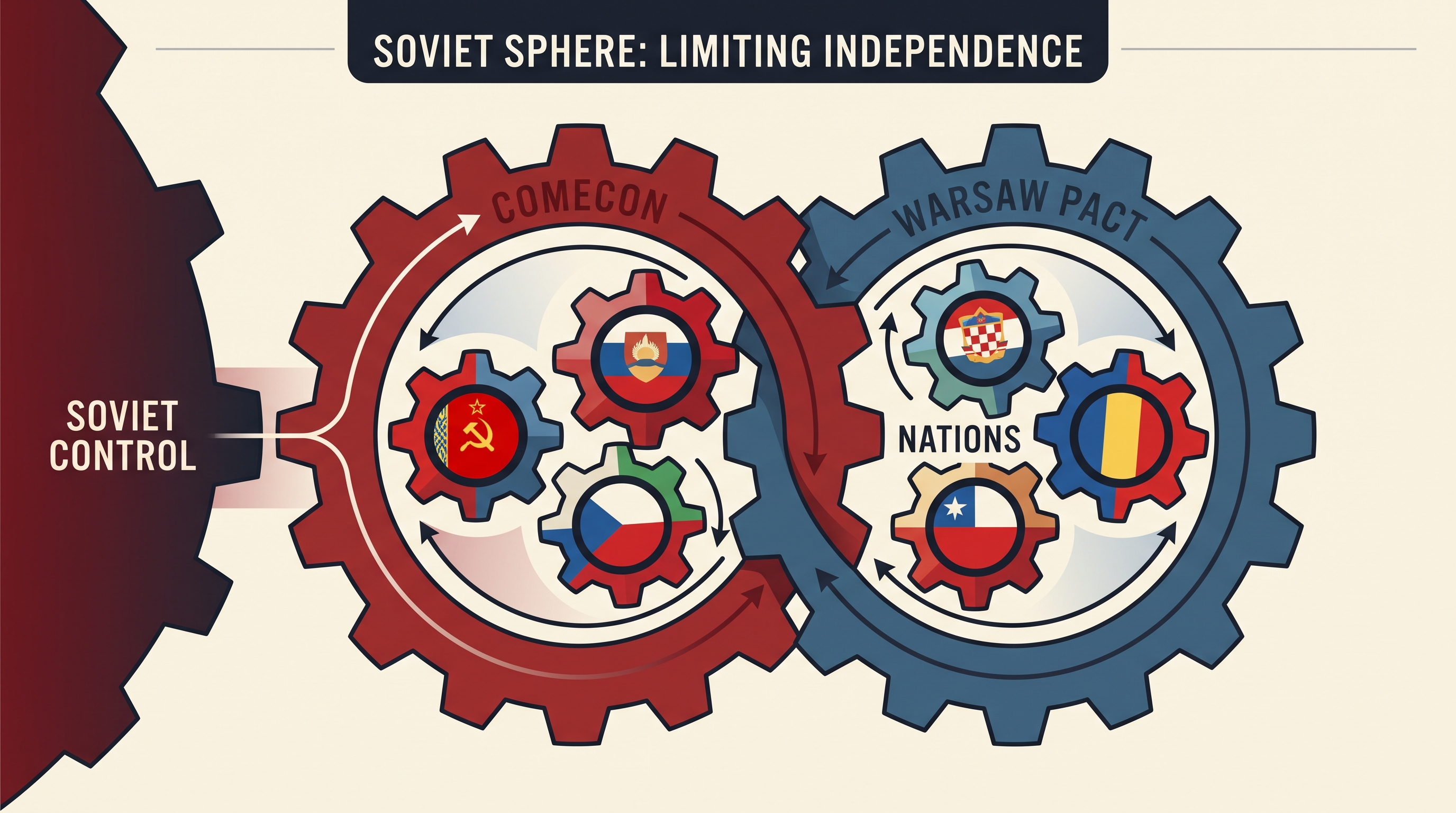
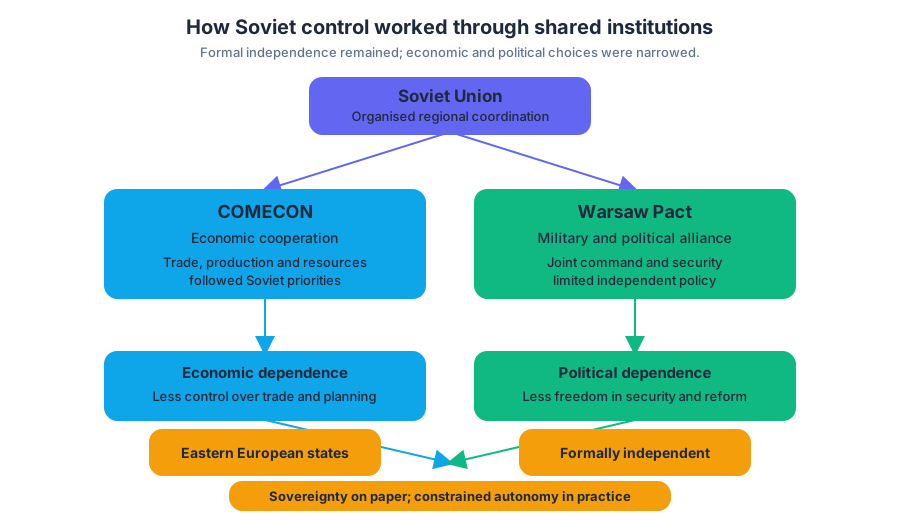
9.3 The Cold War · 9.4 The emergence of two superpowers
Key concepts: Thirty Years’ War · Religious motivations in warfare · Political and national interests · Interconnection of religion and politics · Swedish interests in the Baltic region · Oxenstierna and Swedish political objectives · Cold War · Emergence of two superpowers · Cult of personality under Hitler and Stalin · Communism and Nazism: private property and regime stability
The Thirty Years’ War shows why religious and political motives cannot always be separated: rulers often defended faith, territory, dynastic authority, and strategic interests at the same time.
9.3 The Cold War · 9.4 The emergence of two superpowers
The Thirty Years’ War shows why religious and political motives cannot always be separated: rulers often defended faith, territory, dynastic authority, and strategic interests at the same time. The same analytical habit matters for understanding the Cold War, when the United States and Soviet Union turned military strength, economic systems, political influence, and competing ideologies into a bipolar world order.
Religion and power in the Thirty Years’ War
The Thirty Years’ War began in 1618 within the Holy Roman Empire, where Protestant and Catholic tensions had already destabilized politics. The conflict grew from the Bohemian Revolt into a wider European war involving the Habsburg monarchy, German princes, Denmark, Sweden, France, and Spain. Its broader context included the Protestant Reformation, the political fragmentation of the Holy Roman Empire, and the continuing struggle of monarchs to preserve or expand their authority.
Key distinction: Religious motivation concerns the defense or expansion of a faith; political motivation concerns power, security, territory, dynastic interests, and influence. In the Thirty Years’ War, the two usually operated together rather than as separate causes.
A defensible argument should therefore avoid the overly simple claim that the war was either “religious” or “political.” A stronger thesis might argue: Although the Thirty Years’ War began from religious conflict over the rights of Protestants and Catholics, political and national interests increasingly determined the actions of the major powers, making the war both a confessional struggle and a contest for European power.
Swedish involvement provides especially clear evidence of political motives. Sweden was a Protestant power, so it could present intervention as a defense of Protestantism. However, Swedish leaders also sought influence around the Baltic region, greater security against rivals, and a stronger position in northern Europe. Axel Oxenstierna, Sweden’s chancellor, represents this connection between religious language and strategic state-building: Swedish policy could protect Protestant interests while also advancing Swedish political objectives.
The best document-based reasoning does more than summarize a source. An open letter from Holy Roman Emperor Matthias to Protestant subjects in Bohemia can be used to show that religious freedom was a central public issue; its audience—Protestant subjects facing fears of repression—helps explain why religion mattered politically. A document associated with Swedish Chancellor Oxenstierna, by contrast, can support an argument about Sweden’s pursuit of interests in the Baltic region. The documents become evidence only when their content is connected to a claim.
Worked argument: religious or political?
A compact line of reasoning could develop in three moves:
- Religious origins: Conflicts over Protestant worship and Catholic authority helped trigger the Bohemian Revolt and drew rulers into the struggle.
- Political expansion: Sweden entered while pursuing strategic interests in the Baltic; France, although Catholic, opposed the Habsburgs, demonstrating that state security could override shared religion.
- Interconnection: Rulers used religious causes to legitimize intervention, while religious divisions supplied the political crisis that made intervention possible.
Misconception check — “If France was Catholic, it must have supported the Catholic Habsburgs.” France’s Catholic monarchy opposed Habsburg dominance because political rivalry and security concerns outweighed religious solidarity. This is powerful evidence that the war’s religious and political motivations were intertwined, not identical.
From wartime Europe to a bipolar Cold War
After 1945, the United States and Soviet Union emerged as the two superpowers—states with extraordinary military, economic, and diplomatic capacity. Europe had been devastated by two world wars, while the United States possessed immense industrial production, financial strength, and the atomic bomb. The Soviet Union had suffered enormous losses but maintained the largest powerful land army in Europe, occupied much of eastern Europe, and commanded a centralized political system capable of mobilizing resources for reconstruction and military competition.
Their power rested on different foundations:
| Dimension | United States | Soviet Union |
|---|---|---|
| Military position | Nuclear capability, global naval reach, and overseas bases | Massive conventional army and control of territory in eastern Europe |
| Economic position | Industrial capacity, financial power, and aid networks | Central planning and state-directed reconstruction |
| Political model | Liberal-capitalist democracy and multiparty elections | One-party communist rule |
| Ideological claim | Private property and market capitalism as foundations of freedom | Collective ownership and class revolution as foundations of equality |
| International goal | Contain communist expansion and protect a capitalist order | Secure a buffer zone and extend communist influence |
The Cold War was therefore not simply a disagreement between two leaders. It was a sustained rivalry between systems. The United States used economic influence, alliances, and political institutions to build a Western bloc; the Soviet Union consolidated communist governments across eastern Europe and created an opposing sphere of influence. Because neither side wanted direct war between its nuclear forces, competition often appeared through military alliances, economic pressure, propaganda, espionage, and conflicts involving other states.
Nazism and communism: a focused comparison
Both Hitler’s Nazi regime and Stalin’s Soviet regime relied on cults of personality, meaning political systems that presented the leader as uniquely wise, heroic, and necessary. Both also used censorship, propaganda, coercion, and one-party authority. Yet their treatment of private property revealed a major ideological difference: Nazism generally preserved private ownership while subordinating it to racial-national goals and state direction, whereas communism sought to abolish or sharply restrict private ownership of major productive resources through collectivization and state control.
This comparison matters because the Soviet Union’s power after 1945 rested less on Stalin’s personal image alone than on a durable party-state, centralized bureaucracy, industrial capacity, and control over territory. Those foundations helped the Soviet Union operate as a superpower even as leadership changed. The contrast with Nazi Germany clarifies why the postwar rivalry was fundamentally a competition between communist and capitalist blocs, not merely a repetition of fascist dictatorship.
Retrieval check
Was the Thirty Years’ War primarily religious or political? Answer with a qualified claim, then use Swedish interests in the Baltic region and Oxenstierna as evidence of political motives. Finally, identify one military, one economic, one political, and one ideological reason the United States and Soviet Union emerged as postwar superpowers.
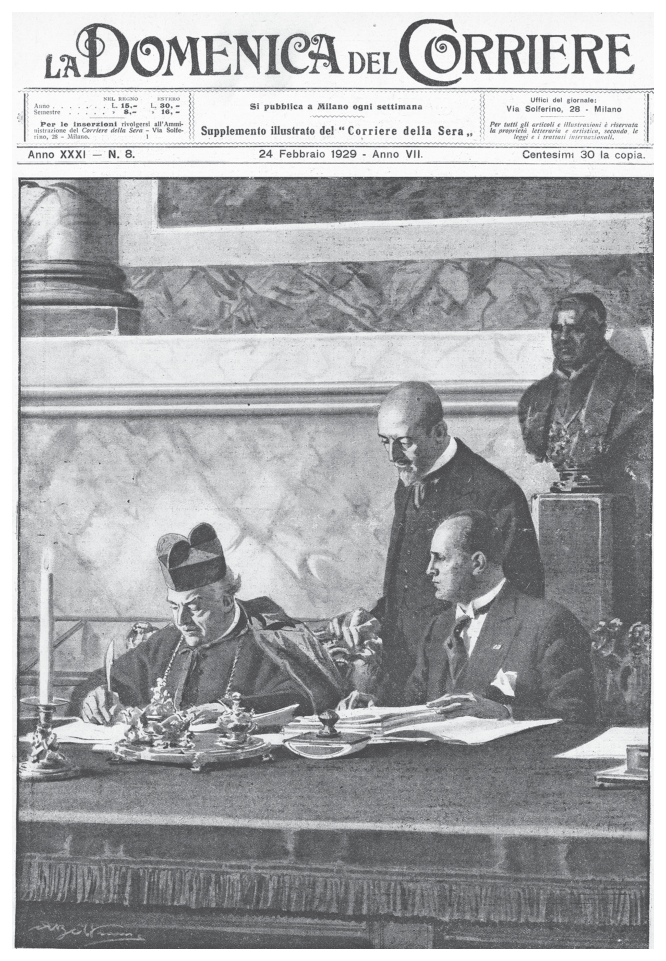
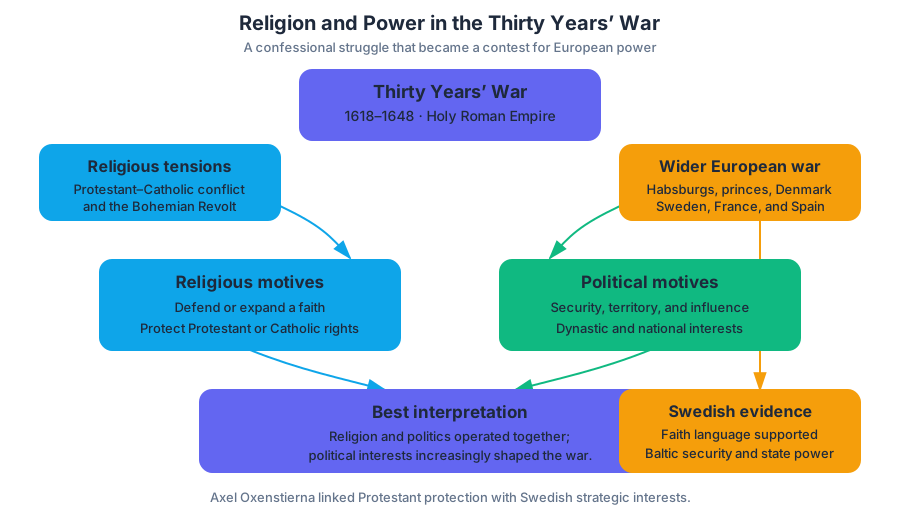
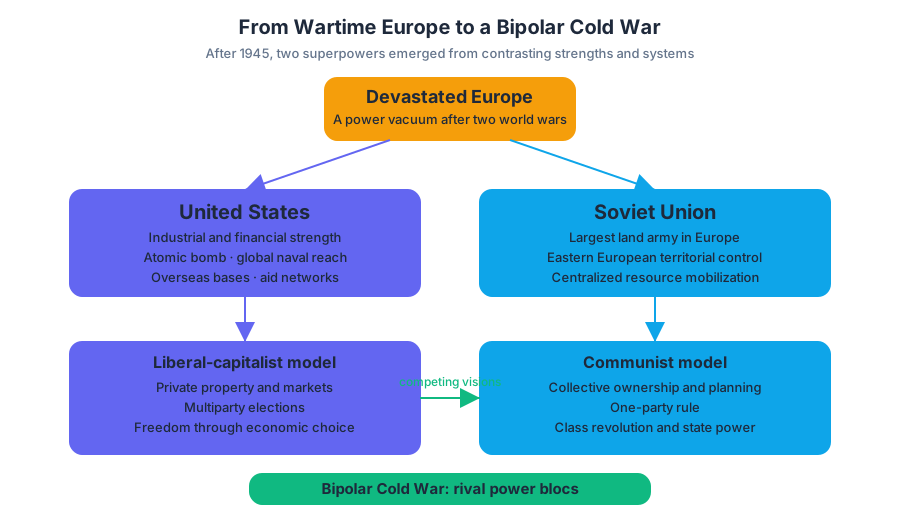
9.5 Postwar nationalism, ethnic conflict, and atrocities · 9.6 Contemporary Western democracies
Key concepts: Postwar nationalism · Ethnic conflict and atrocities · National and European Identity (NEI) · Contemporary Western democracies · The Cold War and Contemporary Europe · Causation (Skill 5.B) · Khrushchev’s reforms and de-Stalinization · Revolts in Eastern Europe · Nationalism and the collapse of the Soviet bloc · 20th-century cultural, intellectual, and artistic developments
Nationalism did not disappear after 1945; in Eastern Europe, it became one of the forces that eventually weakened communist rule, while in parts of southeastern Europe it helped turn political breakdown into ethnic violence.
9.5 Postwar nationalism, ethnic conflict, and atrocities · 9.6 Contemporary Western democracies
Nationalism did not disappear after 1945; in Eastern Europe, it became one of the forces that eventually weakened communist rule, while in parts of southeastern Europe it helped turn political breakdown into ethnic violence. The central question is therefore causal: how did attempts to control national identity produce both resistance to communism and new conflict after communism?
Topic 9.5 belongs to the thematic focus National and European Identity (NEI) and emphasizes Skill 5.B: Making Connections—“Explain how a historical development or process relates to another historical development or process.” The key move is not merely identifying nationalism or describing a revolt, but tracing how political reforms, economic failures, national loyalties, and state collapse interacted.
Khrushchev’s reforms: reform from above, pressure from below
After Joseph Stalin’s death in 1953, Nikita Khrushchev attempted to loosen the most repressive features of Stalinism. His policy of de-Stalinization—the public rejection of Stalin’s personality cult, purges, and extreme terror—created expectations that communist governments might become less coercive and more responsive. Limited cultural openness and criticism of Stalin gave intellectuals, workers, and national groups new language with which to challenge the existing order.
The reform created a political contradiction. Communist governments wanted to preserve one-party rule, Soviet influence, and centralized economic planning, but de-Stalinization encouraged people to ask why political authority should remain immune from criticism. Reform therefore acted like opening a tightly sealed container: pressure that had been hidden became visible, even though the system was not prepared to release it.
Worked causal example: Khrushchev’s criticism of Stalin → greater public expectations for freedom and national autonomy → protests against economic and political control → Soviet or allied intervention to preserve communist authority. The pattern appeared in the Hungarian Revolution of 1956, where demands for political reform and national independence threatened Soviet control and were suppressed, and in the Prague Spring of 1968, when Czechoslovak leaders attempted “socialism with a human face” before Soviet-led forces intervened.
Why reforms produced revolt
Khrushchev’s reforms also failed economically and socially. Agricultural difficulties, shortages, uneven living standards, and frustration with bureaucratic rule undermined the promise that communism would deliver prosperity and equality. Because communist governments claimed to represent workers and national progress, visible failures damaged not only their performance but also their legitimacy.
The revolts in Eastern Europe were therefore not caused by economic hardship alone. Economic disappointment became politically explosive when combined with de-Stalinization, national resentment, and the refusal of communist governments to permit genuine independent political action.
Causation rule: A reform can weaken a regime when it raises expectations faster than the regime can satisfy them.
Named misconception — “De-Stalinization ended repression.” It did not. Khrushchev reduced some forms of terror and criticized Stalin, but the Soviet Union and its allies continued to restrict political opposition and used force when reform threatened one-party rule.
Nationalism, ethnic conflict, and atrocities
Nationalism became a catalyst for the eventual collapse of communist rule because communist states often suppressed or subordinated national identities in favor of class solidarity and centralized authority. When communist legitimacy weakened, people increasingly organized around Polish, Hungarian, Czech, Slovak, Croatian, Serbian, Baltic, or other national identities. National belonging offered an alternative source of loyalty when the communist state no longer appeared capable of delivering prosperity or political stability.
Nationalism could unite people against an imperial or communist center, but it could also divide populations within multinational states. The violent disintegration of Yugoslavia in the 1990s demonstrated this danger: competing national projects, political manipulation, territorial claims, and memories of historical victimization contributed to ethnic conflict and atrocities, including mass killings, forced displacement, and campaigns of ethnic cleansing.
The end of communist rule was not identical everywhere. In much of central and eastern Europe, communist governments collapsed through largely peaceful negotiations, elections, demonstrations, and transfers of power. Elsewhere, especially where political leaders linked state authority to exclusive ethnic nationalism, the transition produced instability, armed conflict, and atrocities.
9.6 Contemporary Western democracies
While eastern Europe experienced communist collapse and ethnic conflict, contemporary Western democracies developed through representative government, expanded welfare systems, economic recovery, and increasing political participation. Western European states still faced tensions involving class, migration, regional identity, and national sovereignty, but democratic institutions generally provided legal mechanisms—elections, parties, courts, and public debate—for managing conflict without the systematic one-party coercion characteristic of communist regimes.
Western Europe also faced a tension between national identity and European identity. Citizens could see themselves simultaneously as members of a nation and participants in a broader European political and economic community. This dual identity matters to NEI because postwar Europe was shaped both by powerful national loyalties and by efforts to prevent another cycle of nationalist war.
Retrieval check
Explain the chain connecting de-Stalinization, economic and social failures, revolts in Eastern Europe, and the later weakening of communist rule. Then distinguish one largely peaceful transition from one violent transition, explaining why nationalism produced different outcomes in each case. A strong answer uses Skill 5.B: Making Connections by linking each development rather than listing events.
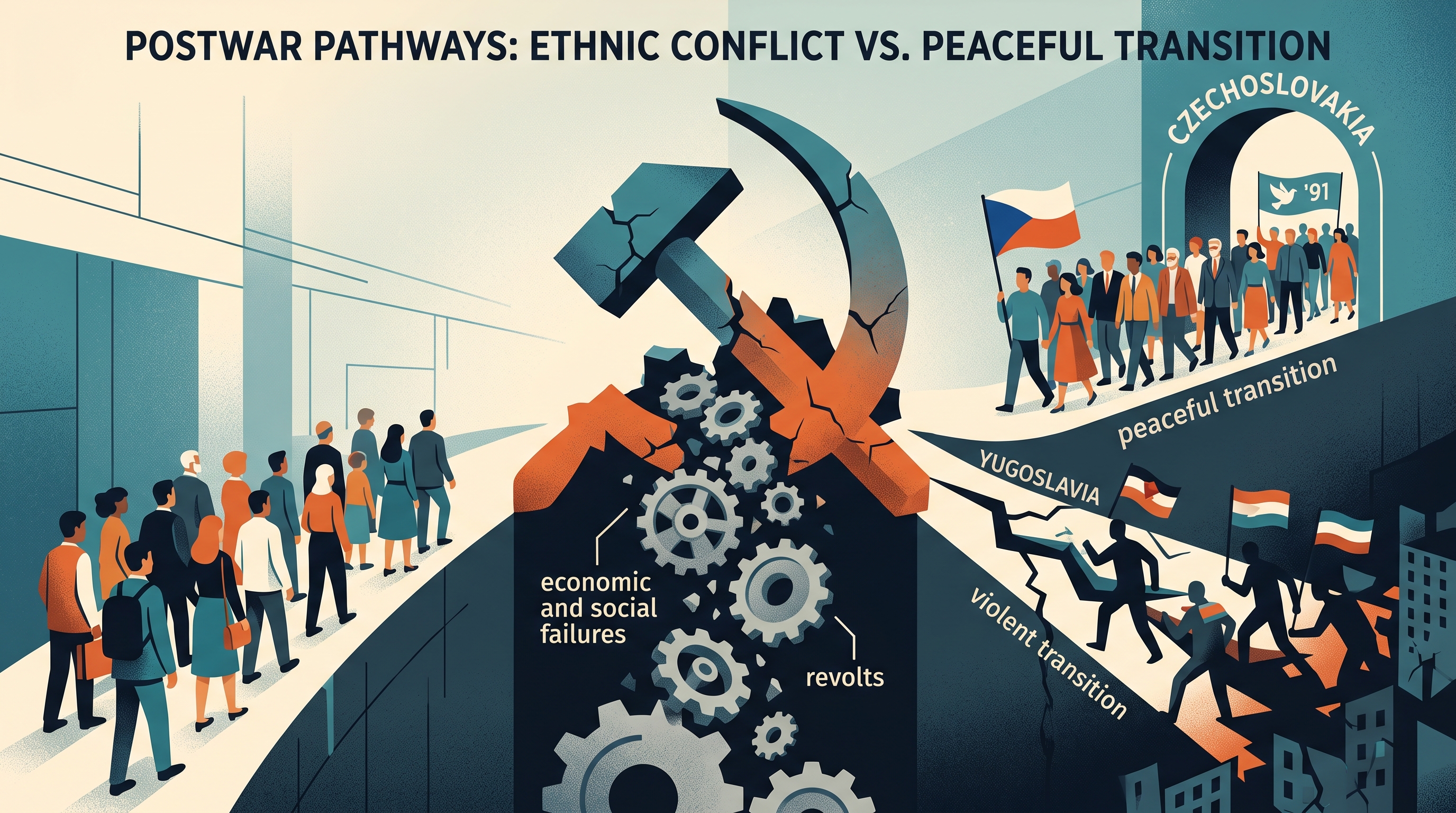
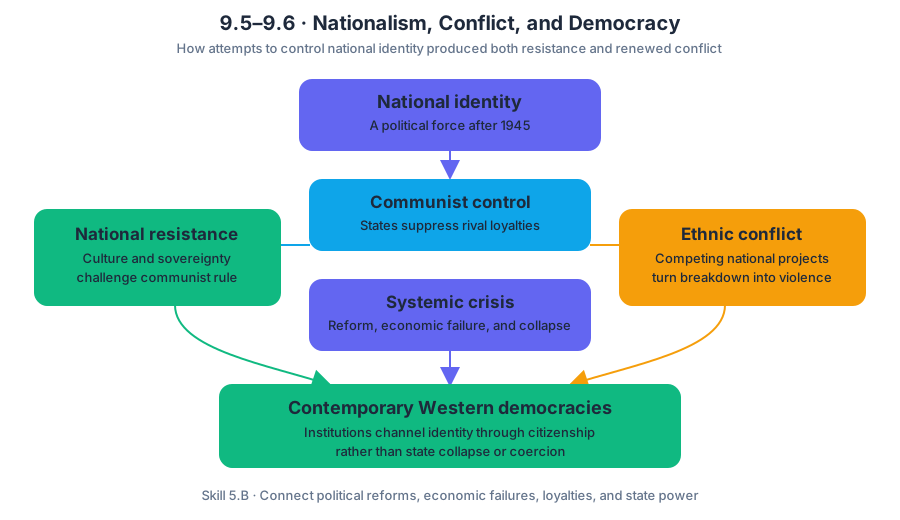
9.7 The fall of communism · 9.8 20th-century feminism
Key concepts: The fall of communism in Eastern Europe · Polish elections in 1989 · German reunification, 1989–90 · Second-wave feminism · Social equality for women · Academic research on women’s status in Europe · Women in political office in Western countries and the Soviet Union · Historical sourcing and source limitations · Using documentary evidence to support an argument · AP European History evidence and scoring criteria
In 1989, communist rule in Eastern Europe began to collapse with remarkable speed: Poland held partially free elections, the Berlin Wall fell, and Germany reunified by 1990.
9.7 The fall of communism · 9.8 20th-century feminism
In 1989, communist rule in Eastern Europe began to collapse with remarkable speed: Poland held partially free elections, the Berlin Wall fell, and Germany reunified by 1990. At the same time, European women’s movements pressed beyond the earlier demand for voting rights toward a broader question: Could women be legally equal yet still socially and economically unequal?
From communist rule to political change
The fall of communism in Eastern Europe was the breakdown of one-party communist governments and the movement toward multiparty politics, elections, and economic restructuring. A major cause was the reform program of Soviet leader Mikhail Gorbachev. His policies of glasnost, or greater openness, and perestroika, or restructuring, weakened censorship and attempted to revive the Soviet system, but they also made it harder for communist governments in Eastern Europe to rely on Soviet military intervention.
The process can be visualized as a chain reaction:
Worked example — Poland, 1989: The independent trade union Solidarity had challenged communist rule during the 1980s. In 1989, negotiations between the government and opposition produced elections in which Solidarity candidates won nearly all the seats that were open to genuine competition. Although the election system was still partly controlled, the result demonstrated that communist governments could lose popular support and surrender power without a Soviet invasion. Poland therefore provides specific evidence for the broader claim that political liberalization in one Eastern European country encouraged the collapse of communist rule elsewhere.
The same year, the Berlin Wall fell, symbolizing the weakening of the division between communist Eastern Europe and democratic Western Europe. German reunification followed from 1989 to 1990: the German Democratic Republic ceased to exist, and its territory joined the Federal Republic of Germany. Reunification showed that the Cold War political order was being replaced by a Europe reorganized around electoral government, national self-determination, and capitalist economic institutions.
The fall of communism was not one isolated event. It was a regional political transformation in which reform, popular opposition, economic weakness, and the Soviet Union’s reduced willingness to use force reinforced one another.
Misconception check — “The Berlin Wall fell, so communism ended everywhere immediately.” The Wall’s fall was a powerful symbol, but communist governments collapsed through different national processes. Poland’s negotiated elections, for example, were not identical to the events in East Germany. A strong historical explanation distinguishes a shared regional pattern from the specific evidence that proves it.
20th-century feminism: equality beyond the vote
Second-wave feminism refers to feminist movements in the second half of the 1900s that emphasized social equality after women had achieved suffrage in many European countries. The central issue shifted from formal political citizenship alone to the conditions of everyday life: employment, wages, education, family roles, reproduction, and access to authority.
Simone de Beauvoir became an important example associated with this development. Her analysis of women’s social position encouraged people to examine how culture, institutions, and expectations—not only laws—shaped women’s lives. Feminist activism also contributed to new academic research into the status of women in Europe, including the study of women’s work, family life, political participation, and persistent economic inequality.
The political record was uneven. Women attained high political office in many Western countries, including Margaret Thatcher of Great Britain, Mary Robinson of Ireland, and Édith Cresson of France. By contrast, the Soviet Union’s limited record of women in its highest political leadership appeared to undermine its official claims that communism had already achieved gender equality.
This comparison requires care. The existence of women in high office did not eliminate discrimination in Western societies, just as Soviet legal declarations of equality did not eliminate lower wages, concentration in low-skilled labor, or social inequality. The historical point is not that one system solved gender inequality; it is that the gap between ideological claims and lived outcomes became politically important.
Source analysis: from labels to argument
This topic especially develops Skill 2: Sourcing and Situation, including Skill 2.B: Explain how the point of view, purpose, audience, and historical situation of a source affect its meaning. When reading a source about feminism or communist equality, identify not only what it says but also who created it, for whom, and why.
Simply naming “point of view,” “audience,” or “purpose” earns no historical argument by itself. For example, a 1990 Western commentator criticizing Soviet women’s inequality may have a purpose of exposing the gap between Soviet ideology and social reality. That purpose makes the source useful evidence for ideological criticism, but it may also limit the source by encouraging emphasis on Soviet failures rather than Western shortcomings.
The distinction between identifying evidence and using evidence is crucial. Identifying evidence means stating that a source mentions unequal wages. Using evidence means explaining that unequal wages support the argument that legal equality did not automatically produce social or economic equality.
Strong historical reasoning follows the pattern: specific evidence → interpretation → argument.
Retrieval check
- Why were the Polish elections in 1989 important beyond Poland?
- How did German reunification in 1989–90 reflect the collapse of the Cold War order?
- Why did second-wave feminism move beyond suffrage?
- What limitation might affect a Western source criticizing Soviet gender inequality?
A complete answer to the final question would connect the source’s purpose to its usefulness and limitation—for example, explaining that criticism could reveal genuine inequalities while also selectively contrasting the Soviet Union with the West.
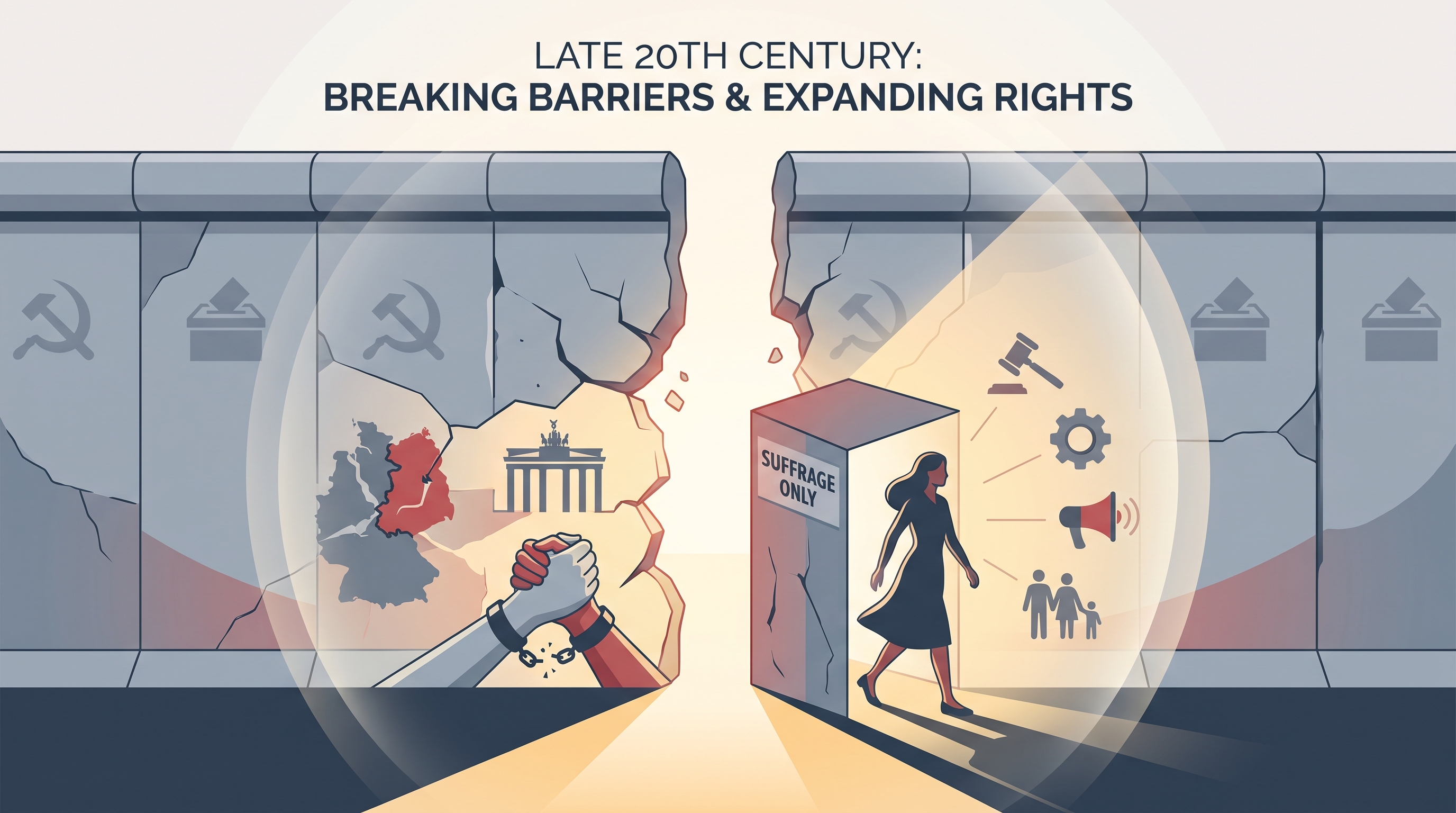
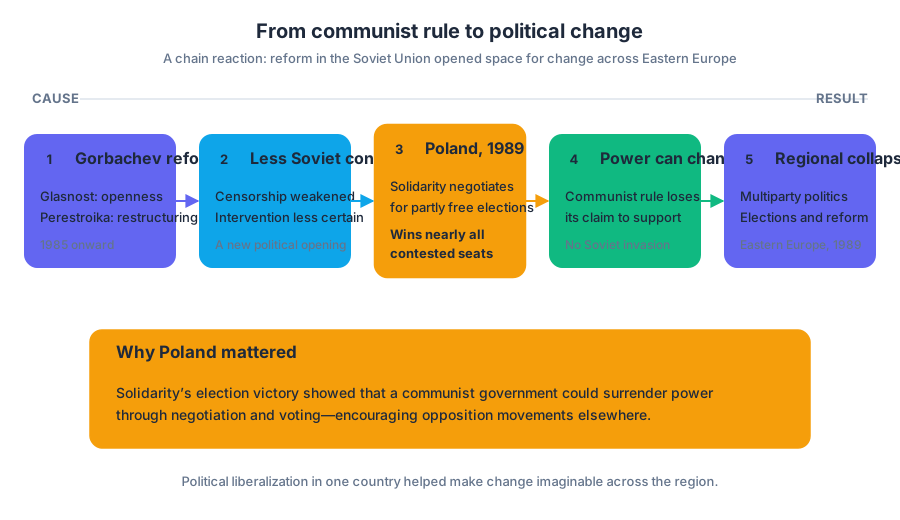
9.9 Decolonization · 9.10 The European Union
Key concepts: Decolonization · European Union · European economic and political integration · Shared European identity · Nationalism · Sukarno and Indonesian nationalism · Ethiopia · De-Stalinization · Nazi regime in Germany · Communist regime in the Soviet Union
After 1945, European empires weakened while new states demanded sovereignty, and western European governments responded by replacing imperial rivalry with cooperation. The result was a double transformation: decolonization, the process by which colonies gained political independence, and European integration, the…
9.9 Decolonization · 9.10 The European Union
After 1945, European empires weakened while new states demanded sovereignty, and western European governments responded by replacing imperial rivalry with cooperation. The result was a double transformation: decolonization, the process by which colonies gained political independence, and European integration, the gradual construction of shared economic and political institutions.
9.9 Decolonization: From Empire to National Sovereignty
Decolonization resulted from several connected forces rather than one event. World War II weakened European economies and armies; anti-colonial nationalists organized mass movements; the United States and Soviet Union criticized traditional European imperialism for different reasons; and the newly created United Nations gave independence movements a language of self-determination.
The process was uneven. Britain often negotiated transfers of power, although conflicts such as the partition of India produced enormous violence and migration. France fought to preserve imperial authority in Indochina and Algeria. Indonesia illustrates how nationalism could combine leadership, mass mobilization, and armed struggle: Sukarno promoted Indonesian nationalism against Dutch rule, and Indonesian independence was recognized in 1949 after prolonged conflict and international pressure.
Ethiopia offers a useful contrast. It was not generally governed as a European colony, although Italy invaded and occupied it from 1935 to 1941. Its survival as an independent African state made it a powerful symbol for later anti-colonial movements: European claims of racial superiority were difficult to reconcile with the existence of an African state that had defended its sovereignty.
Decolonization changed the political map, but independence did not automatically end economic dependence. New states inherited borders drawn by imperial administrations, economies organized around exporting raw materials, and political institutions shaped by colonial rule. National leaders therefore faced a difficult choice: preserve inherited structures for stability, or attempt rapid economic and social transformation.
Essential distinction: Political decolonization means the transfer of sovereignty; it does not necessarily mean immediate economic independence, social equality, or political stability.
A common misconception is that decolonization was simply Europe “granting” freedom. In reality, independence usually emerged from the interaction of European weakness, organized anti-colonial nationalism, popular resistance, international diplomacy, and sometimes war. Colonial governments made decisions, but colonized peoples created pressure that made those decisions unavoidable.
Interwar Instability as Background
The post-1945 crisis of empire grew from interwar instability. The German Weimar Republic struggled to meet war-reparation demands imposed after World War I, contributing to inflation, political extremism, and distrust of parliamentary government. In Central and Eastern Europe, political developments in Poland, Hungary, and Romania revealed the fragility of new or expanded states facing ethnic divisions, economic problems, and pressure from larger powers.
Nazi expansion made that instability worse. Germany annexed Austria in the Anschluss of 1938. At the Munich Agreement, Britain and France permitted Germany to acquire the Sudetenland from Czechoslovakia in the hope that concessions would preserve peace; Nazi Germany violated the agreement by occupying the rest of the Czech lands in 1939. These events demonstrated the weakness of collective security and helped produce the war that ultimately weakened European imperial power.
The Soviet Union also struggled to convert ideological policy into economic success. De-Stalinization, begun under Nikita Khrushchev after Stalin’s death, condemned aspects of Stalin’s terror and relaxed some political controls, but it did not solve the Soviet economy’s structural problems. Central planning continued to produce shortages, weak consumer production, and inefficient agriculture, limiting the appeal of Soviet-style development in Eastern Europe and beyond.
9.10 The European Union: Integration as a Peace Strategy
European integration grew from the recognition that nationalism had repeatedly produced destructive rivalry. Two world wars, economic collapse, and the Holocaust convinced many western European leaders that peace required more than treaties between sovereign states. They sought institutions that would make war materially difficult and economic cooperation politically valuable.
The first major step was the European Coal and Steel Community, created in 1951 by France, West Germany, Italy, Belgium, the Netherlands, and Luxembourg. By placing coal and steel—the basic resources of industrial warfare—under shared administration, the members connected their economies. The Treaty of Rome in 1957 created the European Economic Community, expanding cooperation through a common market and the gradual removal of trade barriers.
| Integration problem | European response | Historical purpose |
|---|---|---|
| Rival national economies | Common market and reduced trade barriers | Increase mutual prosperity |
| Franco-German hostility | Shared institutions and production | Make another war less likely |
| Unequal regional development | Common funds and policies | Reduce internal tensions |
| Narrow national identities | European symbols and citizenship | Encourage a shared identity |
| Sovereignty concerns | Supranational decision-making | Coordinate policies beyond one state |
The European Union, formally established by the Maastricht Treaty in 1993, extended integration beyond economics. It promoted common political institutions, European citizenship, cooperation in foreign and security policy, and a shared currency for participating states. The euro made economic interdependence visible in everyday life, while the European Parliament and other institutions encouraged citizens to imagine themselves as both national and European.
Efforts to establish a shared European identity included common symbols, educational and cultural exchanges, mobility across borders, and the celebration of European institutions. Yet integration never erased nationalism. Member states continued to defend their languages, political traditions, borders, and national interests; disputes over economic rules and migration repeatedly exposed the limits of European unity.
Key idea: The European Union did not abolish the nation-state. It attempted to make national sovereignty compatible with shared institutions.
Worked Connection: Empire, Nationalism, and Integration
Consider the historical sequence: aggressive nationalism helped produce Nazi expansion and World War II; the war weakened European states and discredited imperial domination; anti-colonial nationalism then challenged European empires; western European governments responded to their own destructive nationalism through economic and political integration. The same broad era therefore witnessed both the breakup of empires and the creation of a new European political partnership.
For AP skill 1.A, Identify and describe historical developments and processes, name the process precisely: decolonization transferred sovereignty, while integration pooled selected powers. For AP skill 4.C, Explain the causes and effects of historical developments and processes, connect war, economic weakness, nationalism, and international pressure to decolonization, then connect fear of renewed conflict to European cooperation. For AP skill 4.B, Explain how and why historical developments and processes relate to another historical period, use the interwar crises as background rather than treating 1945 as an isolated starting point.
For AP skill 5.A, Make a historically defensible claim, a strong argument might state: Postwar Europe experienced opposite responses to nationalism: colonized peoples used national sovereignty to dismantle European empires, while western European states limited aspects of sovereignty to prevent another intra-European war. Evidence could include Sukarno and Indonesian independence, Ethiopia’s symbolic independence, the European Coal and Steel Community, and the Maastricht Treaty.
Retrieval check: Why is Sukarno an example of decolonization, while the European Coal and Steel Community is an example of integration? What common historical pressure connected these developments? A complete answer should distinguish national independence from shared governance and identify the destabilizing legacy of European nationalism and war.
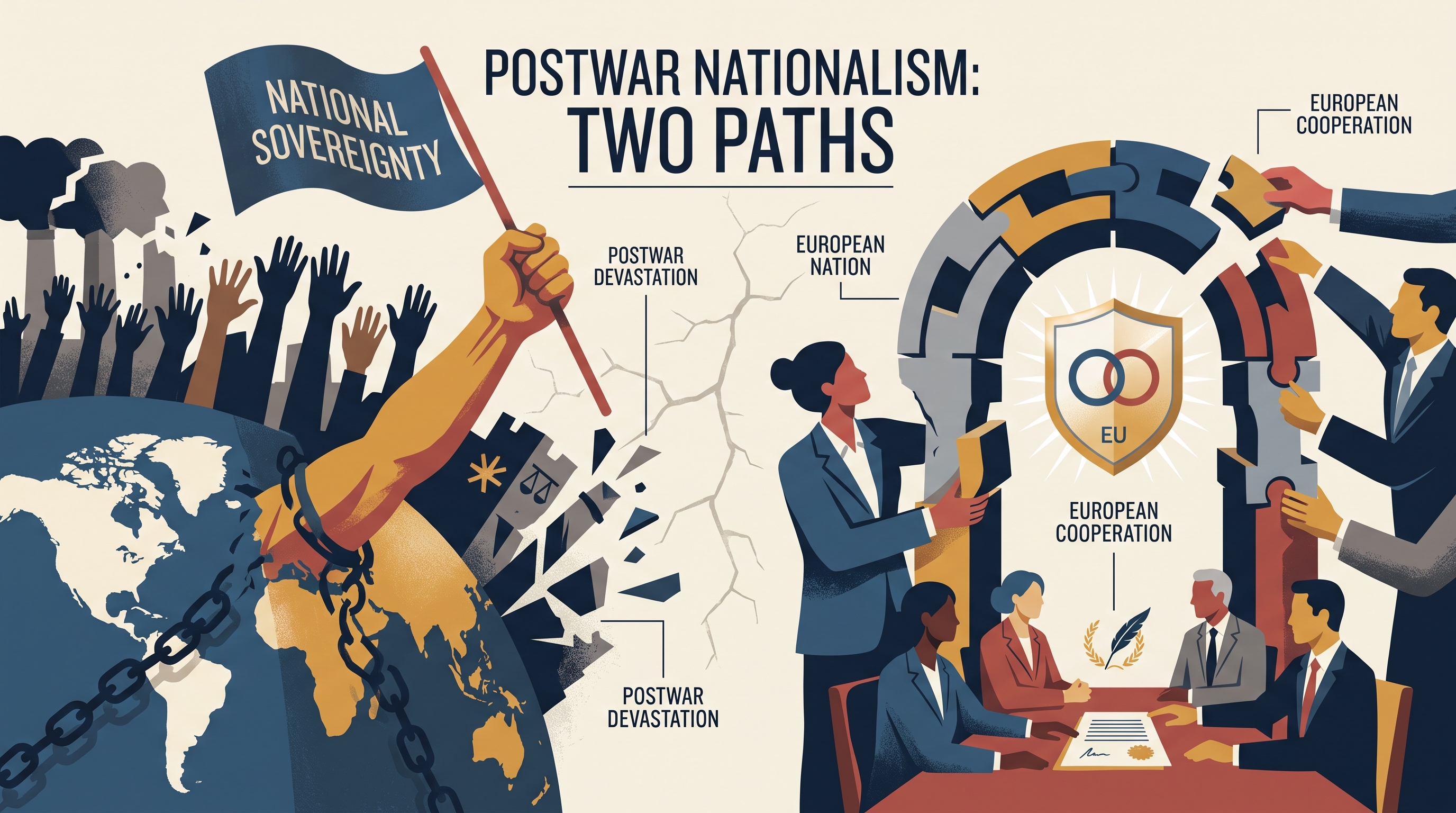
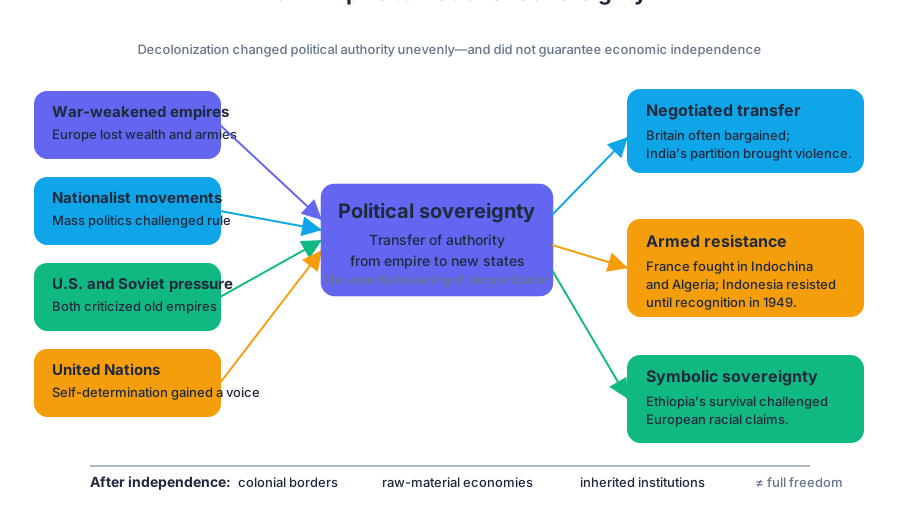
9.11 Technology · 9.12 Globalization
By the late twentieth century, a message could cross Europe in seconds, money could move across borders almost instantly, and a factory could depend on parts produced in several countries.
9.11 Technology · 9.12 Globalization
By the late twentieth century, a message could cross Europe in seconds, money could move across borders almost instantly, and a factory could depend on parts produced in several countries. Technology changed the speed and scale of human activity; globalization connected those activities into increasingly interdependent networks.
Technology is the application of scientific knowledge, tools, and systems to practical human purposes. Globalization is the intensification of connections among economies, societies, governments, and cultures across national borders.
The key historical question is not whether technology or globalization was simply “good” or “bad.” It is how new technologies changed relationships of power, and how expanding global connections created both opportunities and inequalities.
9.11 Technology: shrinking distance, expanding power
Technology altered modern Europe in several connected spheres:
- Economic: computers, telecommunications, automation, and improved transportation accelerated production, finance, and trade.
- Social: television, mobile communication, and the internet changed how people formed communities and received information.
- Political: governments and movements gained new tools for surveillance, propaganda, organization, and protest.
- Cultural: digital media allowed images, music, ideas, and styles to circulate rapidly across borders.
These effects were not evenly distributed. A society with access to advanced communications could coordinate business or political action more effectively than one without reliable infrastructure. Within the same society, unequal access created a digital divide, meaning a gap between people who can use modern information technologies and those who cannot.
Worked example: computer technology
Imagine a European manufacturer that once produced every component in one factory. Computerized design allows engineers in one country to send plans instantly to factories elsewhere; automated machinery performs repetitive tasks; and digital financial systems coordinate payments across borders.
The result is increased productivity and faster communication, but also economic disruption. Some workers gain specialized technical employment, while others lose jobs because machines or lower-cost international suppliers replace their labor. Technology therefore produces a double effect: it can increase wealth while intensifying insecurity and inequality.
This is the central reasoning move for 5.B: explain how a development produces consequences. A strong historical explanation links the mechanism to the result:
$$ \text{digital technology} \rightarrow \text{faster coordination} \rightarrow \text{global production} \rightarrow \text{new opportunities and labor disruption} $$
Misconception check — “Technology causes automatic progress.”
Technology does not determine one inevitable outcome. Political choices, economic systems, education, and access determine who controls a technology and who benefits from it. The same communication network can support democratic organizing, commercial exchange, state surveillance, or disinformation.
9.12 Globalization: connection with unequal consequences
Globalization intensified long-standing interactions among Europe and the wider world. Modern transportation and communication made these connections faster, while multinational corporations, international financial institutions, migration, and trade agreements made them more permanent. European economies increasingly depended on events beyond their own borders.
Globalization created several visible benefits:
- expanded markets for goods and services;
- greater movement of people, capital, information, and ideas;
- access to products and technologies from around the world;
- closer cooperation among states and institutions.
It also produced tensions. Workers and communities sometimes opposed trade policies that exposed them to foreign competition. Critics argued that globalization weakened national control, favored wealthy corporations, and widened the gap between regions that could attract investment and regions left behind. These concerns helped generate protests against globalization and debates over European unity.
Connection: technology makes globalization possible
Technology is the infrastructure of globalization. Container shipping reduces the cost of moving goods; commercial aviation accelerates migration and tourism; computers coordinate international finance; and the internet spreads information without waiting for physical transport.
Yet globalization also feeds back into technology. International competition encourages firms and governments to invest in faster communication, automation, and scientific research. The relationship is therefore cyclical:
$$ \text{technological innovation} \rightarrow \text{greater global integration} \rightarrow \text{competition and exchange} \rightarrow \text{further innovation} $$
For 4.B, historical reasoning requires using evidence to support, qualify, or revise an argument. For example, the claim “globalization weakened national sovereignty” is partly persuasive because international markets can limit a government’s economic choices. It must be qualified, however, because states still regulate borders, taxation, labor, and technology—and may use international institutions to increase their influence rather than surrender it.
Misconception check — “Globalization means the world became equal.”
Globalization increased connection, not equality. Wealth, political power, technological capacity, and access to education remained unevenly distributed. A connected world can still be sharply divided.
In-flow retrieval check
A historian argues that the internet transformed politics because it enabled citizens to organize across borders, but also allowed governments and corporations to monitor behavior. Which reasoning is strongest?
Answer: The strongest response explains both effects through technology’s increased speed and reach. It avoids technological determinism by showing that political institutions and economic actors shaped how the internet was used. The answer therefore applies 5.B while also qualifying a one-sided claim about globalization through 4.B.
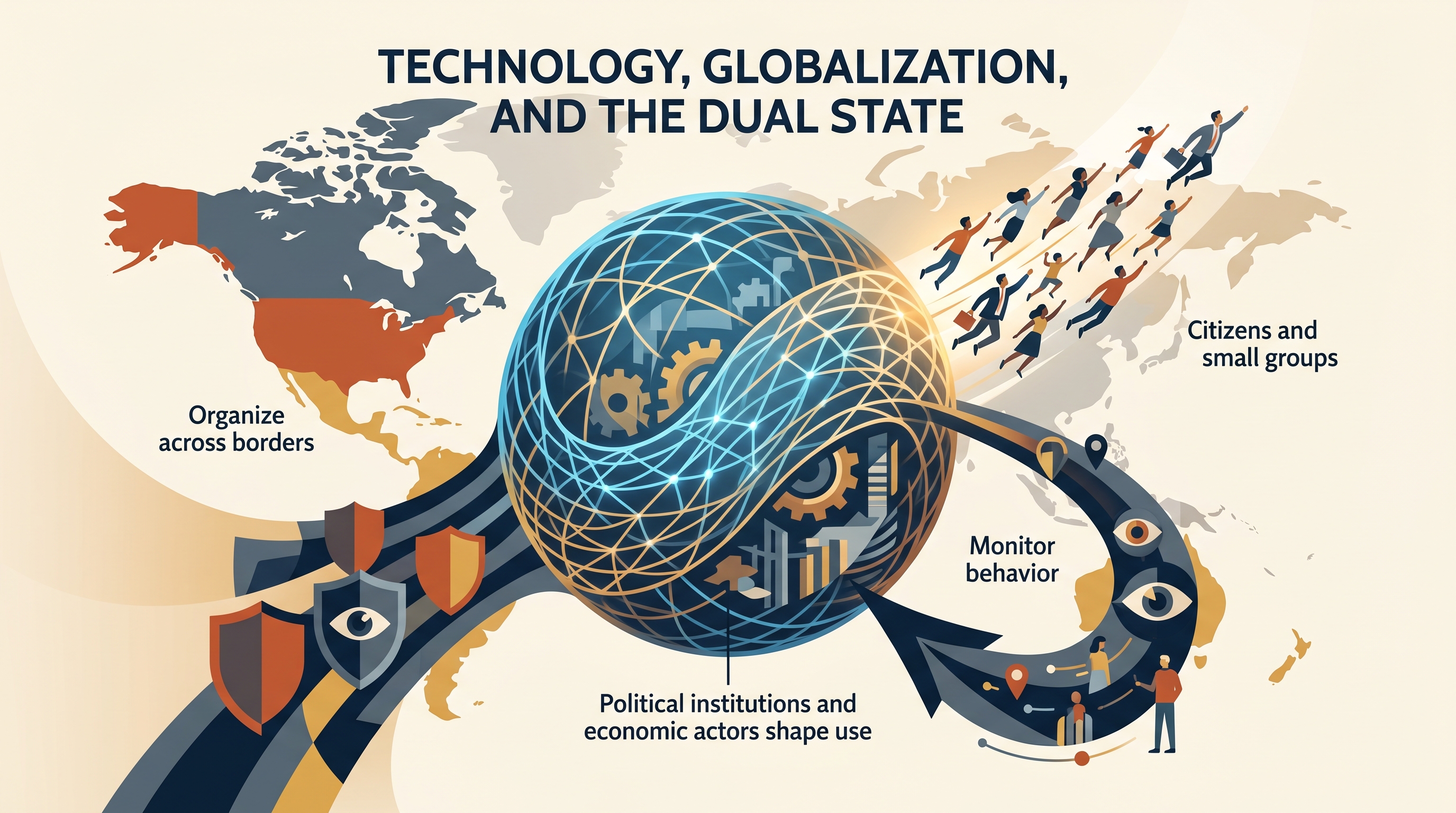
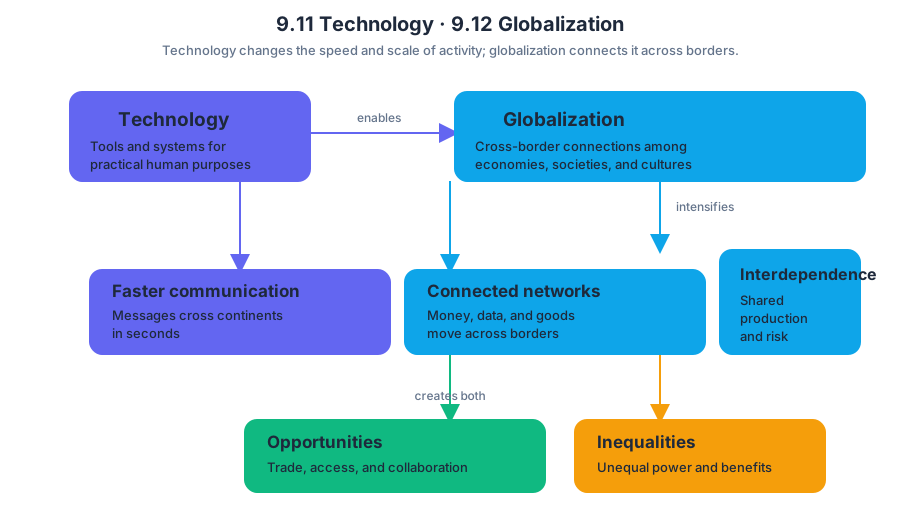
9.13 20th- and 21st-century culture, arts, and demographic trends · 9.14 Continuity and change in the 20th and 21st centuries
Key concepts: Fall of Communism · 20th-century feminism · Decolonization · European Union · Migration and immigration · Technology progress · Globalization · Continuity and change over time · Modernism and postmodernism · 20th- and 21st-century culture, arts, and demographic trends
Explain and apply 9.13 20th- and 21st-century culture, arts, and demographic trends · 9.14 Continuity and change in the 20th and 21st centuries.
9.13 20th- and 21st-century Culture, Arts, and Demographic Trends · 9.14 Continuity and Change in the 20th and 21st Centuries
Europe’s twentieth century was shaped by a double movement: societies gained new personal choices and political possibilities, while wars, genocide, migration, and ideological conflict produced unprecedented destruction. The central historical problem is therefore not simply “progress or decline,” but continuity and change—what transformed, what persisted, and why both could occur at once.
Culture after 1900: breaking older forms
Modernism rejected the assumption that art should imitate the visible world in orderly, realistic forms. Composers such as Igor Stravinsky and Arnold Schoenberg disrupted familiar musical structures; writers including Franz Kafka, James Joyce, and Virginia Woolf experimented with fragmented narration, interior thought, and uncertainty. Jean-Paul Sartre, associated with existentialism, emphasized human freedom and responsibility in a world that seemed unstable and without guaranteed meaning.
Postmodernism, especially after the mid-twentieth century, questioned the idea that one style, ideology, or explanation could claim universal authority. The important continuity is that artists continued to respond to rapid social change; the major change is that many twentieth-century artists increasingly treated fragmentation, ambiguity, and alienation as subjects rather than problems to conceal.
War, genocide, and ideological nationalism
The experience of war intensified nationalism, the belief that political loyalty should center on the nation, but it also intensified racist ideologies that defined some populations as biologically inferior or dangerous. The First World War normalized mass mobilization and industrial killing. The failure of appeasement—the attempt to preserve peace by conceding demands to aggressive states—helped allow Nazi expansion to proceed, contributing to the catastrophe of the Second World War.
The Holocaust was the systematic Nazi genocide of Europe’s Jews, carried out through persecution, deportation, forced labor, mass shootings, and extermination camps. Auschwitz and other death camps are examples of the Nazi genocide; they were not ordinary wartime prisons but institutions designed to murder on an industrial scale. Other targeted groups included Roma, people with disabilities, political opponents, and others whom Nazi racial ideology excluded from the imagined national community.
Key distinction: Nationalism can create solidarity, but racial nationalism turns belonging into a hierarchy. That transformation helps explain how national identity could mobilize entire societies while also legitimizing exclusion and mass murder.
Women’s status and twentieth-century feminism
Women’s roles and status changed throughout the twentieth and twenty-first centuries through expanded access to education, paid employment, contraception, political participation, and public leadership. Women attained high political office, demonstrating a significant change in formal political opportunity, although unequal wages, unequal domestic responsibilities, discrimination, and violence continued.
Twentieth-century feminism included multiple movements rather than one uniform program. Early campaigns emphasized voting rights and legal citizenship; later movements challenged workplace inequality, reproductive restrictions, sexual discrimination, and the assumption that unpaid care was naturally women’s responsibility. The Soviet example illustrates the difference between formal equality and lived equality: governments could declare women equal while women still faced lower wages, concentration in lower-skilled work, or a double burden of employment and household labor.
Decolonization and migration
Decolonization was the process by which colonial groups sought independence from European rule. After the Second World War, European states faced weakened economies, stronger anticolonial nationalism, and increasing international criticism of empire. Independence movements therefore transformed the political map, even when new states inherited borders, economic dependencies, ethnic tensions, or conflicts created under colonial rule.
Migration and immigration became major social and demographic developments in the twentieth and twenty-first centuries. People moved because of war, persecution, labor demand, decolonization, economic opportunity, and political instability. Migration reshaped cities, labor markets, languages, religions, and debates over national identity; it also produced tensions when host societies treated newcomers as permanently foreign.
Demographic change, childcare, and the European Union
Modern demographic change included neonatalism—social or governmental encouragement of childbirth—and the expansion of childcare facilities. These developments reveal a practical problem: as women entered education and paid employment, families and states had to reconsider who would provide care for children. Childcare could support women’s employment, respond to declining birthrates, or serve state goals of population growth.
The formation and existence of the European Union influenced economic developments throughout Europe. European integration reduced barriers among participating states, encouraged trade and investment, and connected national economies through shared institutions and policies. It also created debates over national sovereignty, democratic accountability, migration, and the proper balance between national and European identity.
Continuity and change: a worked synthesis
Consider Europe across three connected developments:
- Change: Colonial empires declined as independence movements created new states.
- Change: Women gained broader legal, educational, professional, and political opportunities.
- Continuity: National identity remained powerful, sometimes producing solidarity and sometimes exclusion.
- New pressure: Migration and European integration challenged older ideas that citizenship, culture, and economy must fit within one nation-state.
- Unresolved tension: Technology, globalization, and institutions such as the European Union expanded connection without eliminating inequality or conflict.
The strongest historical explanation links these developments rather than listing them. World wars weakened European empires; decolonization increased migration; migration challenged national identities; European integration attempted to manage economic interdependence; and feminism transformed expectations about citizenship and family life. Yet racism, nationalism, demographic anxiety, and unequal power persisted—showing why twentieth- and twenty-first-century history contains both profound transformation and stubborn continuity.
Retrieval check: Explain one way the twentieth century changed women’s status, one way it preserved inequality, and one way migration or European integration challenged the older political order. Then distinguish modernism from postmodernism using one named cultural figure for each.
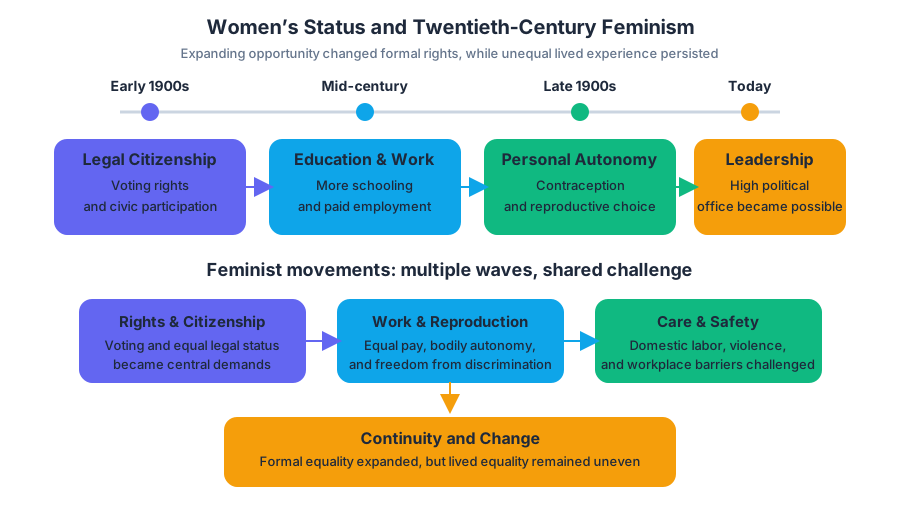
AP Practice 1
Key concepts: AP European History as an introductory college-level survey of modern European history · Independent thinking, evidence, and the scientific method in AP courses · Intellectual freedom and opposition to censorship · Analyzing perspectives different from one’s own · Teacher flexibility in pacing and adapting instruction · No prerequisites for AP European History · Major course themes including cultural and intellectual development, states and institutions of power, social organization, identity, and scientific innovation · Teaching earlier historical periods when relevant · Renaissance admiration for Greek and Roman political institutions and the revival of civic ideals · Economic change, including subsistence agriculture, commercial and agricultural capitalism, and new social patterns
AP European History is designed as an introductory college or university survey of modern European history, beginning around $1450$ and continuing to the present. Its central question is not simply “What happened?” but “How did Europeans’ ideas, institutions, economies, identities, societies, and technologies…
AP Practice 1
AP European History is designed as an introductory college or university survey of modern European history, beginning around $1450$ and continuing to the present. Its central question is not simply “What happened?” but “How did Europeans’ ideas, institutions, economies, identities, societies, and technologies change—and what persisted beneath those changes?”
The survey begins around $1450$, but that starting point does not create a wall around earlier history. Teachers may introduce medieval, classical, or other earlier context whenever it clarifies a later European development. Greek and Roman political institutions, for example, mattered to Renaissance thinkers because admiration for classical civic life supported a revival of civic ideals. Earlier history functions as explanatory context, not as a separate period that must be studied for its own sake.
What the course investigates
The course repeatedly returns to several connected dimensions of historical change:
- Cultural and intellectual development: humanism, religious thought, political theory, literature, and art.
- States and other institutions of power: monarchies, churches, city-states, empires, and later national governments.
- Social organization and development: hierarchy, family life, class, gender, labor, and demographic change.
- National and European identity: the formation of civic, religious, ethnic, national, and European identities.
- Technological and scientific innovations: printing, navigation, industrial machinery, medicine, and scientific methods.
- Economic and commercial developments: trade, agriculture, capitalism, markets, and changing patterns of wealth.
- Interaction of Europe and the world: exploration, empire, migration, exchange, conflict, and cultural encounter.
These categories are not separate boxes. A technological innovation can transform commerce; commercial change can reorganize society; social tensions can produce political reform; and political institutions can encourage or restrict intellectual activity. Historical reasoning means tracing these connections without assuming that one factor explains everything.
Historical thinking without indoctrination
Independent thinking means drawing conclusions from evidence rather than repeating a required political or cultural viewpoint. AP courses use evidence and the scientific method—posing questions, examining sources, testing interpretations, and revising conclusions—as starting points for serious discussion. In history, the “experiment” is not a laboratory procedure; it is the disciplined comparison of evidence, context, perspective, and consequence.
AP students are expected to analyze perspectives different from their own, not adopt a mandated viewpoint.
No AP Exam points are awarded for agreeing with a particular ideology. Credit comes from making a defensible claim, using relevant evidence, and explaining the reasoning that connects the evidence to the claim. A student can analyze a monarch’s justification for absolute power without endorsing absolutism, or examine an imperial argument without accepting its assumptions.
Intellectual freedom also means opposition to censorship. AP respects teachers’ and students’ ability to examine required historical subjects, including ideas that are controversial, disturbing, or unpopular. Omitting a central concept distorts the historical record in the same way that ignoring evolution would weaken a college biology course.
A worked historical connection
Consider Renaissance economic and social change. Most Europeans still depended on subsistence agriculture, meaning production aimed primarily at keeping households or villages alive. Medieval social and economic structures—manors, inherited status, and rural hierarchy—therefore remained powerful. Yet commercial and agricultural capitalism began altering rural production and political power.
The reasoning chain looks like this:
$$ \text{commercial expansion} \rightarrow \text{new opportunities for investment and trade} \rightarrow \text{new social patterns} \rightarrow \text{changes in rural production and power} $$
This does not mean medieval society suddenly disappeared. The stronger interpretation is continuity and change: agricultural life and inherited hierarchy persisted, while merchants, commercial farmers, urban elites, and financially powerful patrons gained influence. That same wealth helped support Renaissance art, scholarship, and civic building.
Misconception check: “The Renaissance replaced the Middle Ages overnight” is too simple. Renaissance developments rested on older structures while changing who possessed wealth, cultural influence, and political power.
Practice: original short-answer task
Unofficial practice prompt: In two or three complete sentences for each part, answer the following.
(a) Identify one classical influence on Renaissance political or cultural thought.
(b) Explain one way economic change altered European society while older structures continued.
(c) Explain why a historian should analyze a perspective without automatically adopting it.
Worked reasoning:
- (a) Renaissance admiration for Greek and Roman political institutions encouraged renewed civic ideals. The key is connecting classical influence to a Renaissance development rather than merely naming Greece or Rome.
- (b) Commercial and agricultural capitalism created new social patterns and shifted rural production or power, even though most Europeans remained agricultural and medieval hierarchies continued.
- (c) Historical analysis evaluates credibility, context, purpose, and evidence. Understanding a viewpoint is different from endorsing it.
Teachers may adjust pacing, sequencing, examples, and assignments to local priorities, schedules, and student needs. That flexibility changes the route—not the commitment to evidence, intellectual freedom, historical analysis, and the major developments that make modern European history intelligible.
Retrieval check: Why might a teacher introduce Roman republican institutions while teaching the Renaissance? A strong answer should mention classical context and explain how it helps account for the Renaissance revival of civic ideals.
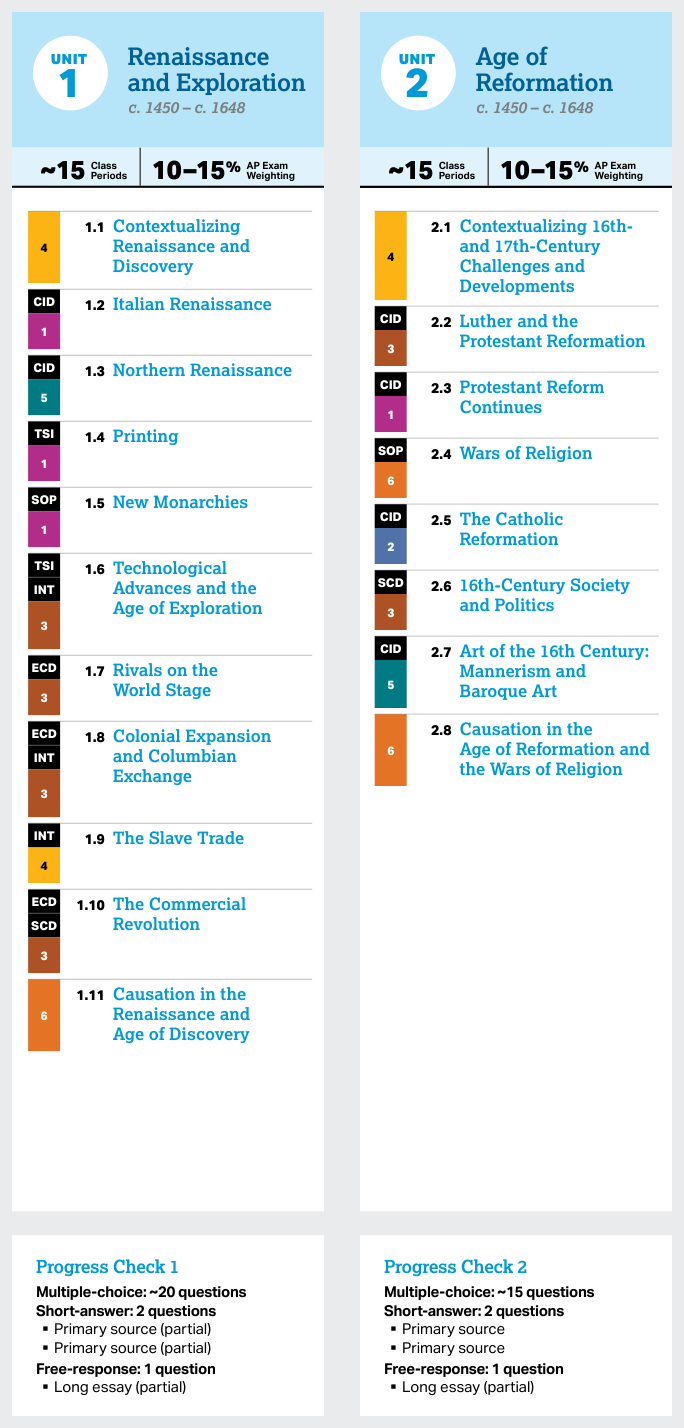
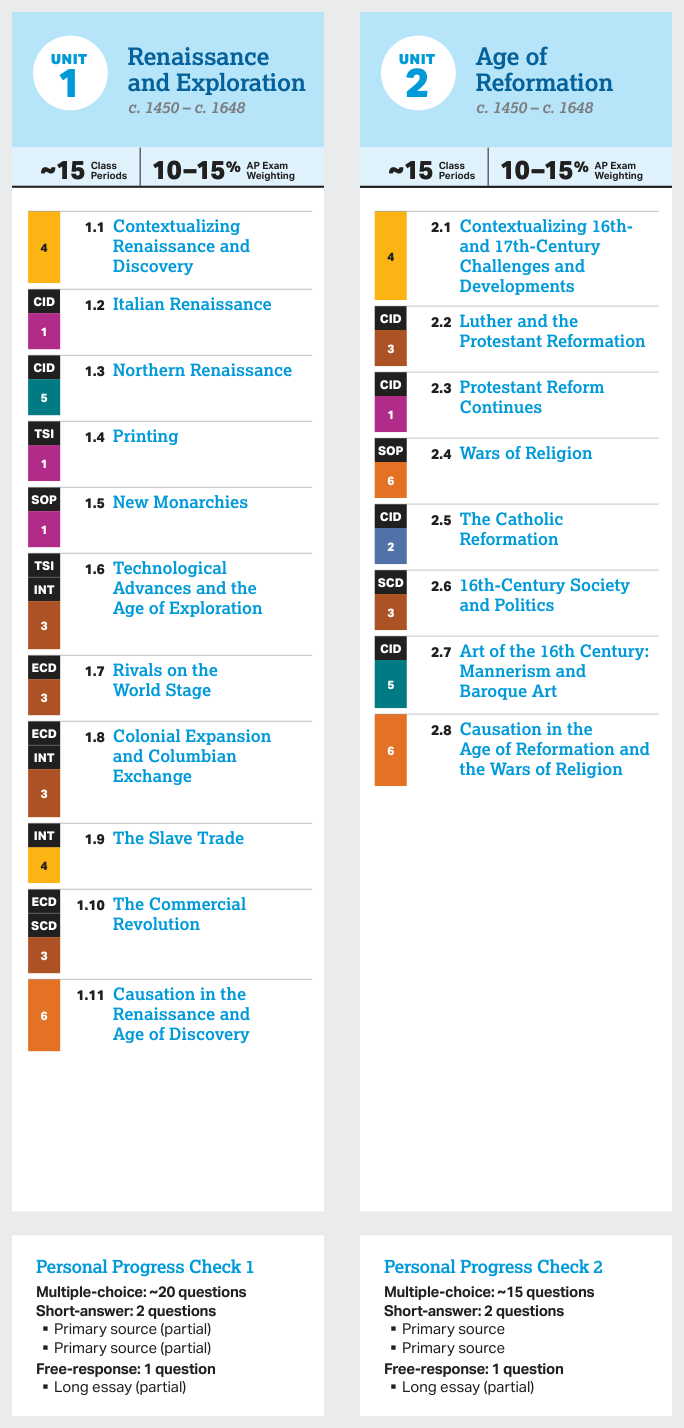
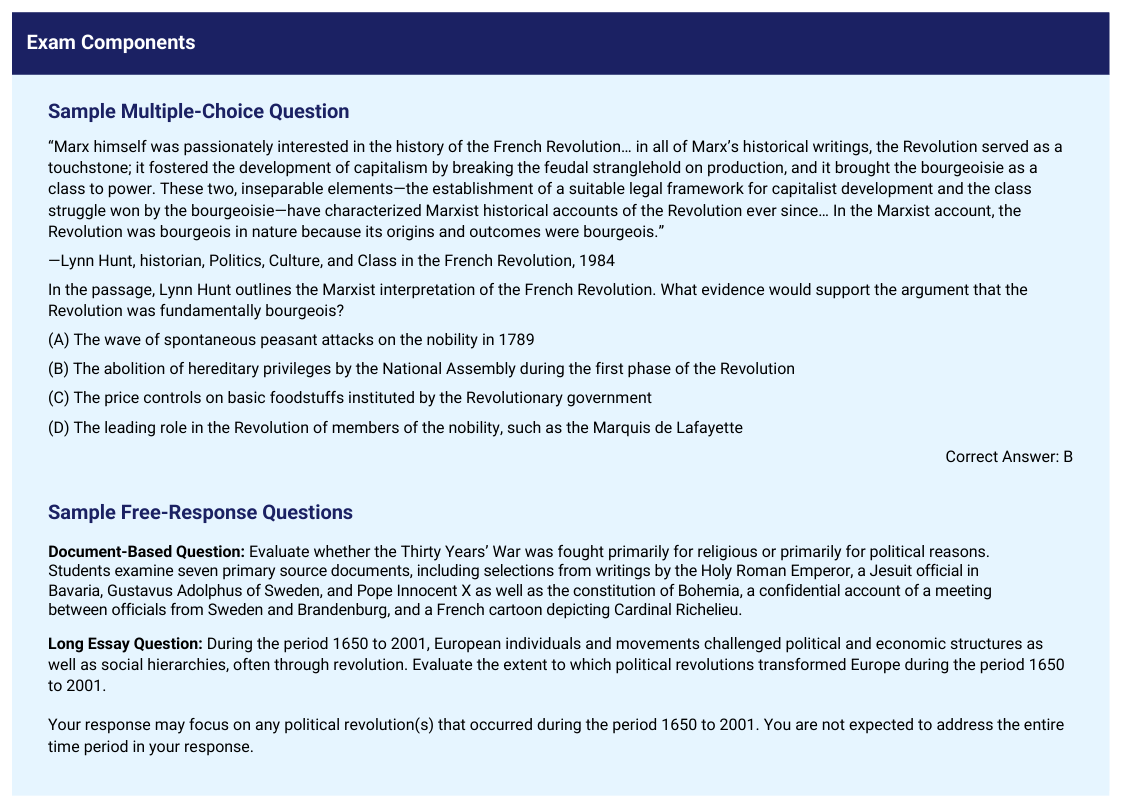
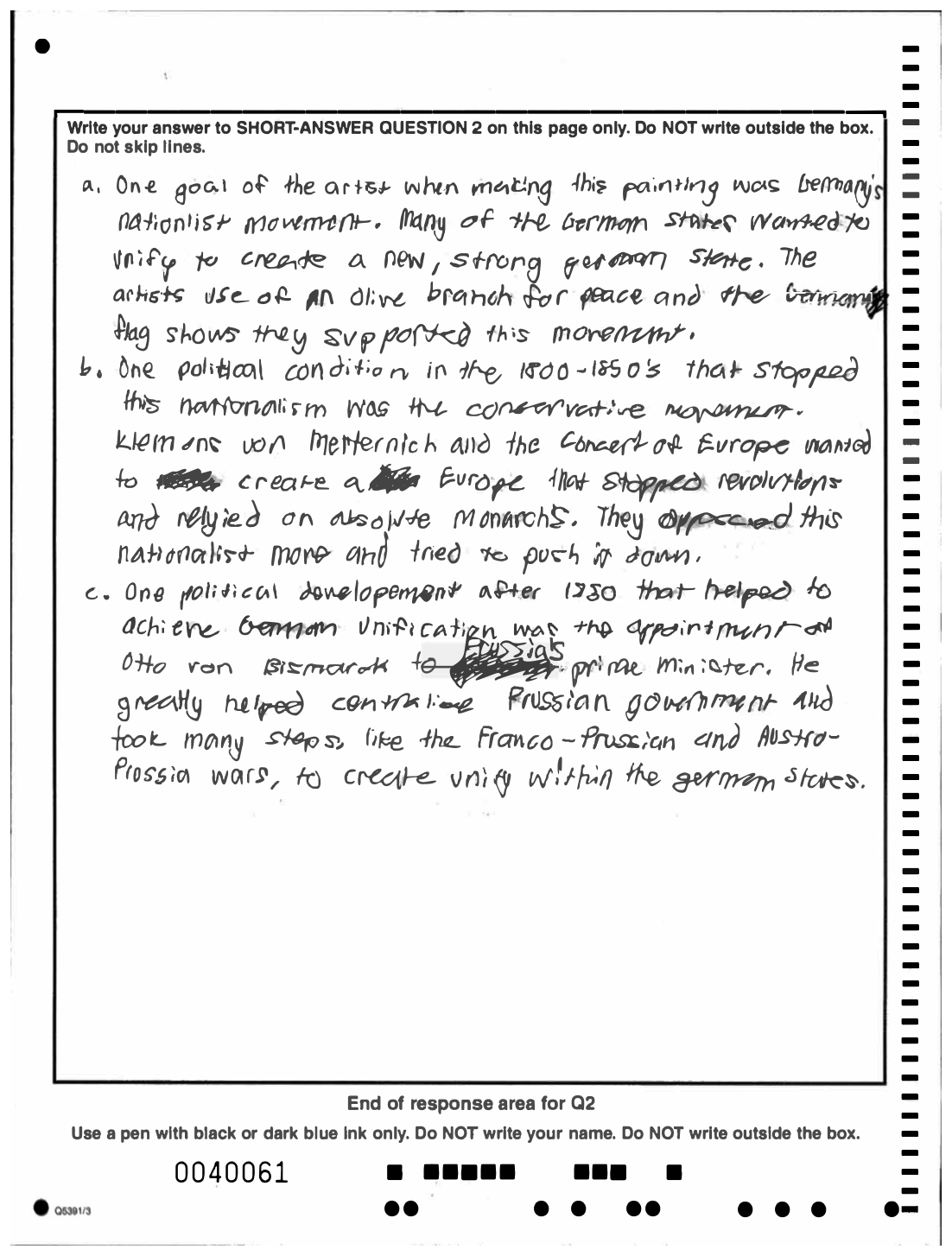
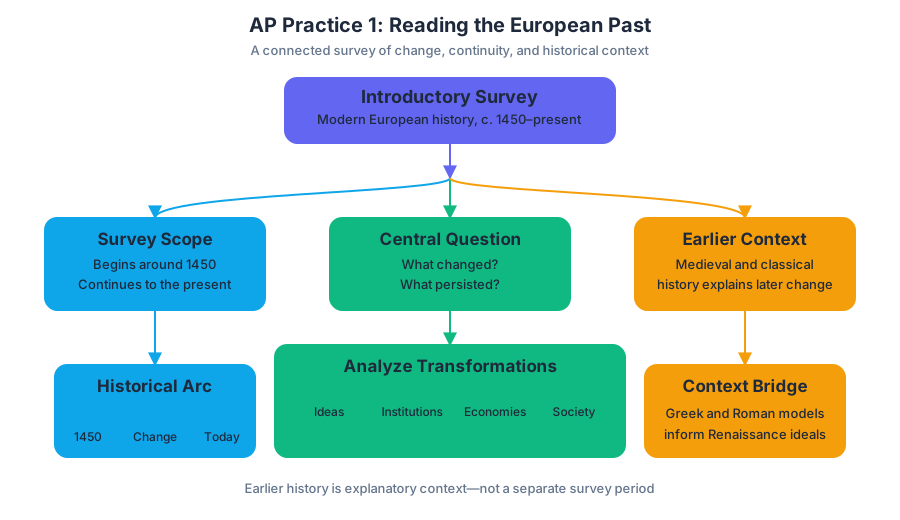
AP Practice 2
Key concepts: Protestant and Catholic Reformations · Religious change from 1450 to 1648 · Continued social hierarchies · Landownership and aristocratic privileges · New financial practices · Insurance and banking institutions · Cesare Beccaria and criminal justice reform · Social contract theory and consent of the governed · Mercantilism · New consumer goods and public culture
Between $1450$ and $1648$, religious reform altered not only Christian theology but also political authority, social attitudes, and economic behavior. By the eighteenth century, debates about consent, property, criminal justice, and public culture extended these challenges into wider arguments about how European…
AP Practice 2
Between $1450$ and $1648$, religious reform altered not only Christian theology but also political authority, social attitudes, and economic behavior. By the eighteenth century, debates about consent, property, criminal justice, and public culture extended these challenges into wider arguments about how European society should be organized.
Task type: Short-Answer Question (SAQ)
Timing target: About $13$ minutes for one three-part question.
Scoring target: Each part earns $1$ point for a historically accurate, directly relevant response. A complete sentence is safest; a broad theme without specific evidence is not enough.
Original practice question
Read the historical situation below and answer parts (a), (b), and (c).
In several European societies, religious reformers challenged the authority of established churches. Later thinkers questioned divine-right monarchy and argued that government rested on the consent of the governed. At the same time, expanding commerce encouraged banking, insurance, investment, and the consumption of goods such as mirrors and printed images.
(a) Identify one way the Protestant and Catholic Reformations changed European society between $1450$ and $1648$.
(b) Explain one way Enlightenment political thought challenged an existing form of authority.
(c) Explain one way economic or cultural developments affected European society during the period from approximately $1450$ to $1815$.
Worked reasoning
Part (a): Religious change
High-scoring response: The Protestant Reformation challenged the authority of the Catholic Church by emphasizing salvation through faith and the importance of the Bible, while Protestant churches increasingly used vernacular languages. The Catholic Reformation responded by reaffirming Catholic teachings and attempting to correct abuses within the Church.
Why this earns the point: The response identifies a specific historical change rather than merely stating that “religion changed.” It connects theology—faith, Scripture, and church authority—to institutional and cultural consequences, matching KC-1.2.I. A response could also earn the point by explaining that religious conflict increased state control over religious institutions or provided justifications for challenging state authority, as described in KC-1.2.II.
Common misconception — “The Reformation was only a disagreement about doctrine.” Religious disagreements mattered, but they also affected political power, education, print culture, social discipline, and attitudes toward wealth and prosperity. Protestant and Catholic reformations fundamentally changed theology, institutions, culture, and social attitudes.
Part (b): Political authority
High-scoring response: Social-contract thinkers challenged divine-right monarchy by arguing that government originated in the consent of the governed. This meant that political authority could be judged by whether it protected the interests of individuals rather than being accepted automatically because of tradition or God’s will.
Why this earns the point: The response names the concept—social contract—and explains its consequence. It establishes a contrast between authority based on consent and authority based on divine right or inherited tradition. The answer does not need to name John Locke, but Locke would be valid supporting evidence.
Extension: Cesare Beccaria applied related arguments about reason and individual rights to criminal justice in On Crimes and Punishments. He challenged traditional approaches that relied on arbitrary punishments, arguing that law should serve rational social purposes rather than merely express the ruler’s power.
Common misconception — “The Enlightenment immediately created democracy.” Enlightenment thinkers challenged established authority, but European states remained unequal. Debates about rights, citizenship, property ownership, and possible extensions of rights to women developed gradually and did not produce universal political participation.
Part (c): Economic or cultural development
High-scoring response: New financial institutions such as banks and insurance companies helped turn private savings into investment, supporting commercial expansion and the growth of a more complex market economy. These developments existed alongside mercantilism, which remained an important economic system and institution of the period.
Why this earns the point: The response identifies a concrete financial practice and explains its effect. It does not confuse “banking developed” with an explanation; the crucial reasoning is the mechanism: savings could be mobilized as investment, making larger-scale commerce easier.
Alternative high-scoring response: The growth of public culture appeared in theaters, opera houses, salons, and increased consumption of household goods such as mirrors and prints. These developments created new spaces and habits for social interaction beyond older court-centered forms of culture.
Common misconception — “Economic modernization erased social hierarchy.” Commercial and financial change created new opportunities, but landownership and aristocratic privileges continued to confer prestige and power. Social mobility and continued hierarchy existed at the same time.
Examiner-rewarded reasoning at a glance
| Part | Evidence that earns credit | Explanation that makes it effective |
|---|---|---|
| (a) | Faith, Scripture, vernacular religion, Catholic reform, or state control of churches | Connects religious change to institutions, culture, or authority |
| (b) | Social contract, consent of the governed, Locke, or Beccaria | Explains how reason and consent challenged divine right or arbitrary power |
| (c) | Banking, insurance, investment, mercantilism, theaters, opera, mirrors, or prints | Shows a mechanism or social effect rather than listing an example |
Error-review routine
After completing the question, label each response E for evidence and R for reasoning. If a sentence contains only a name or term, add what changed and why it mattered. If the answer makes a sweeping claim such as “everyone gained rights” or “the old hierarchy disappeared,” replace it with a qualified statement showing both change and continuity.
Retrieval check: Which development best demonstrates continuity rather than change: the spread of banking, the prestige of landownership, or the rise of salons? Explain your choice in one sentence.
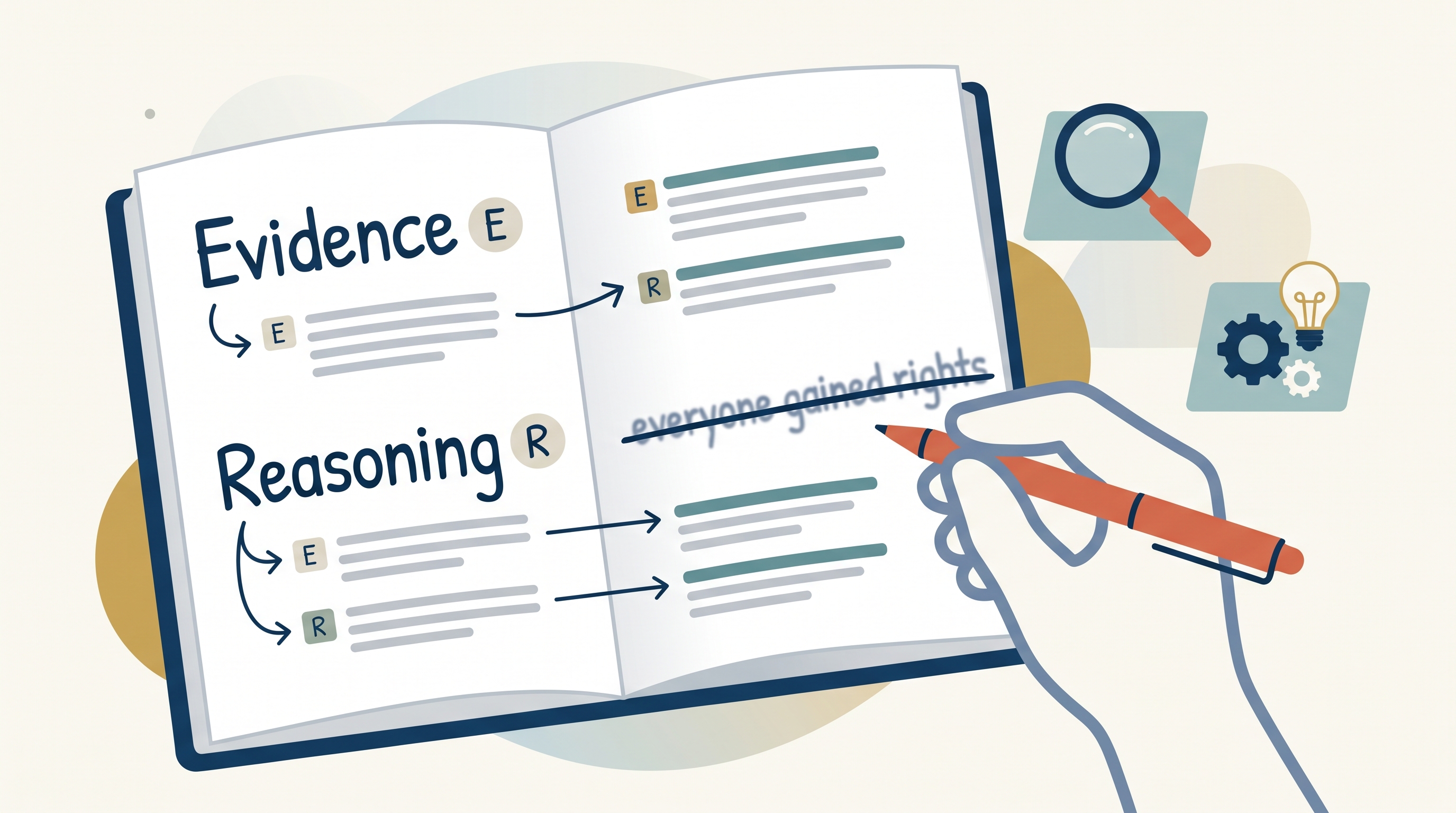
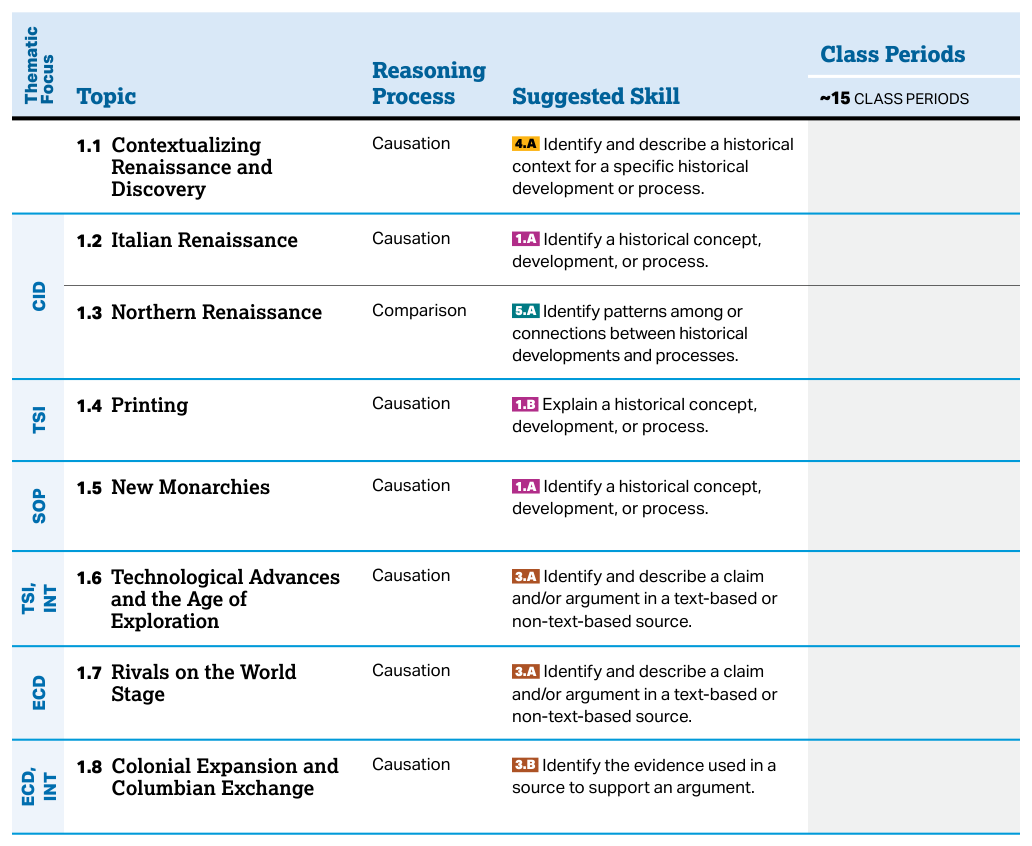
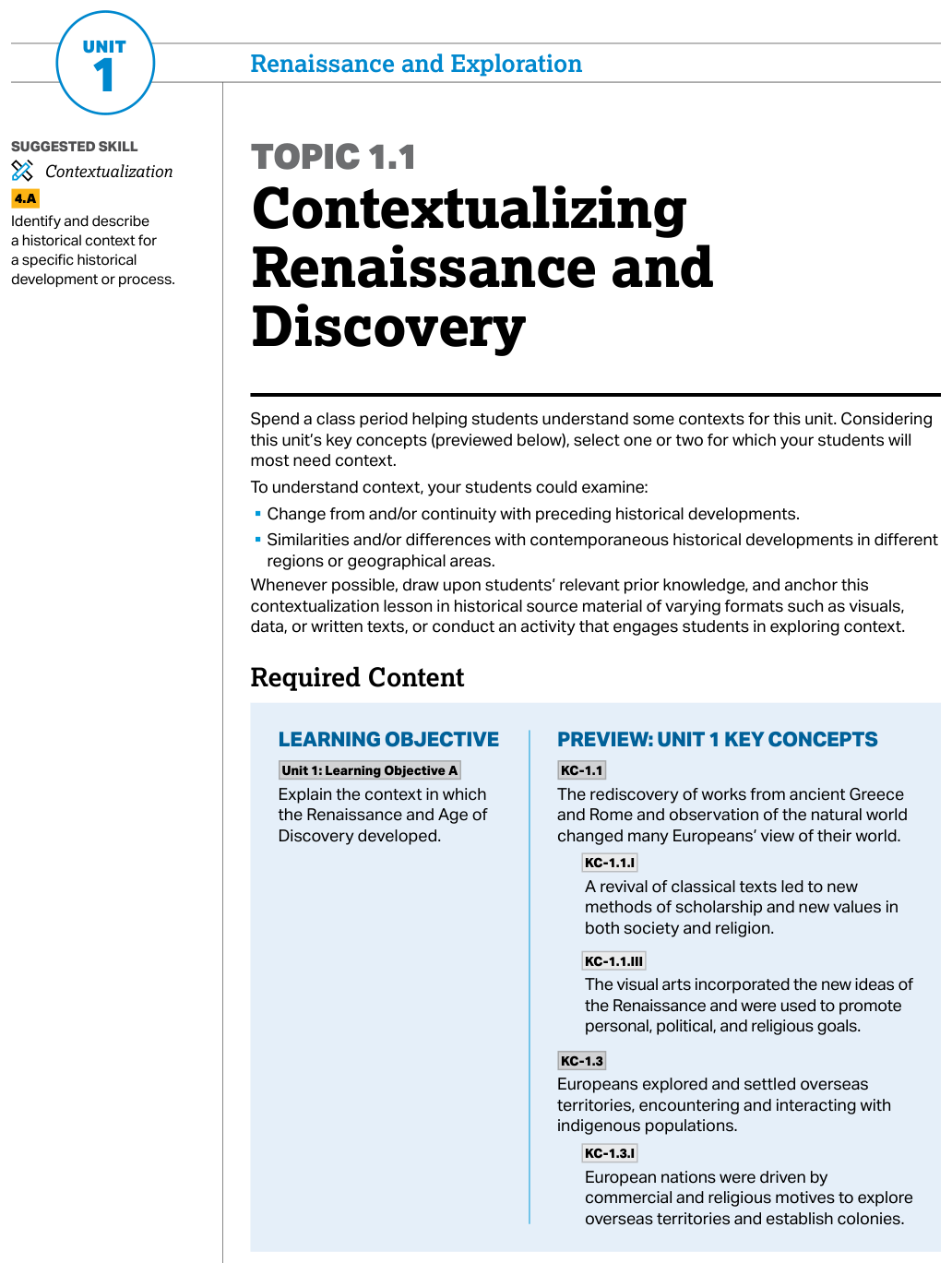
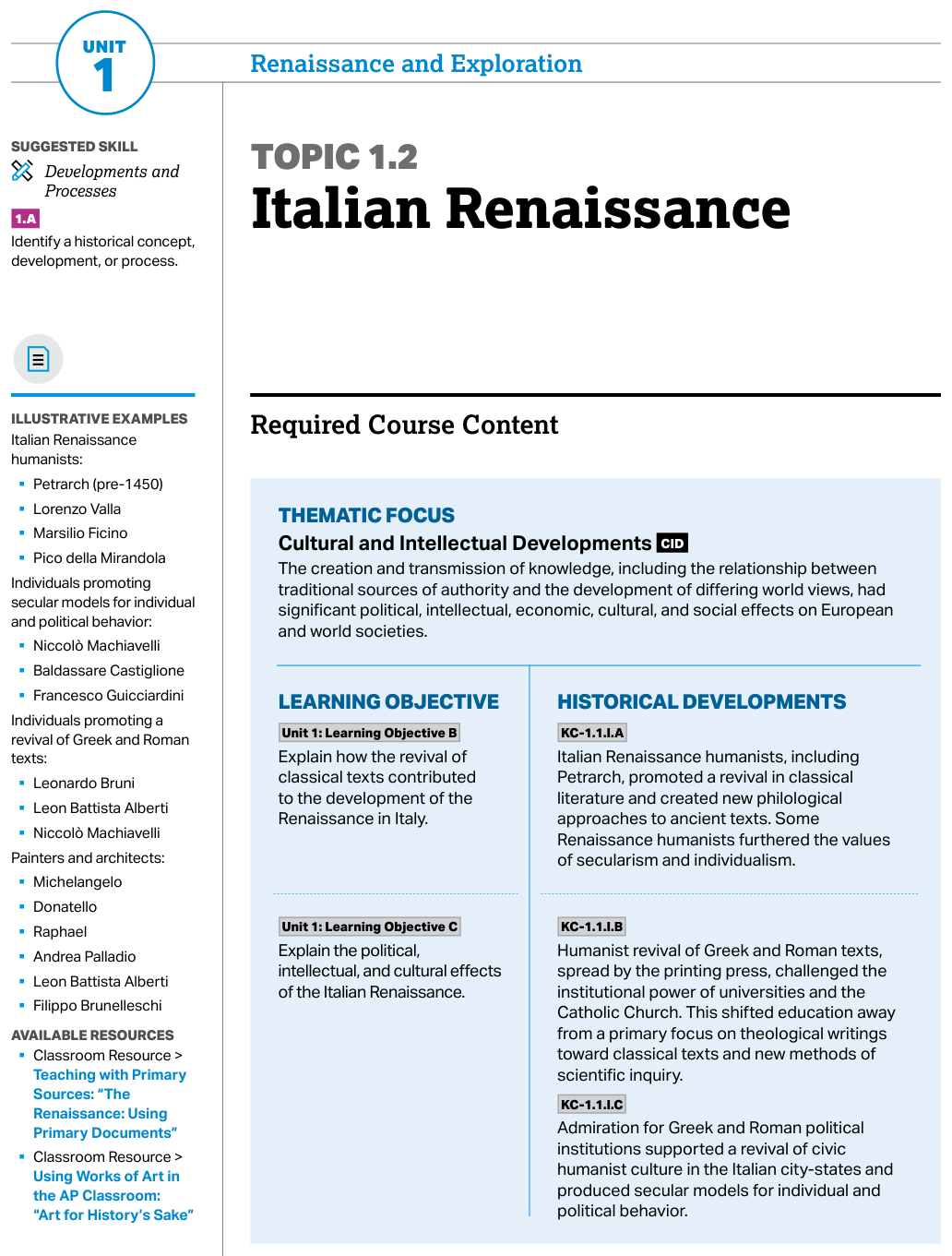
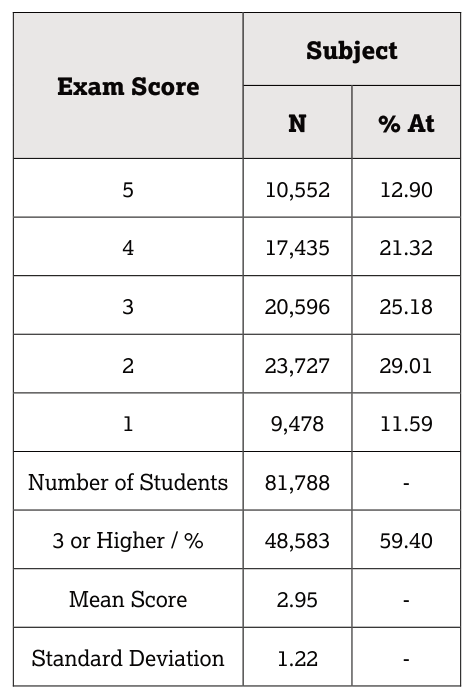
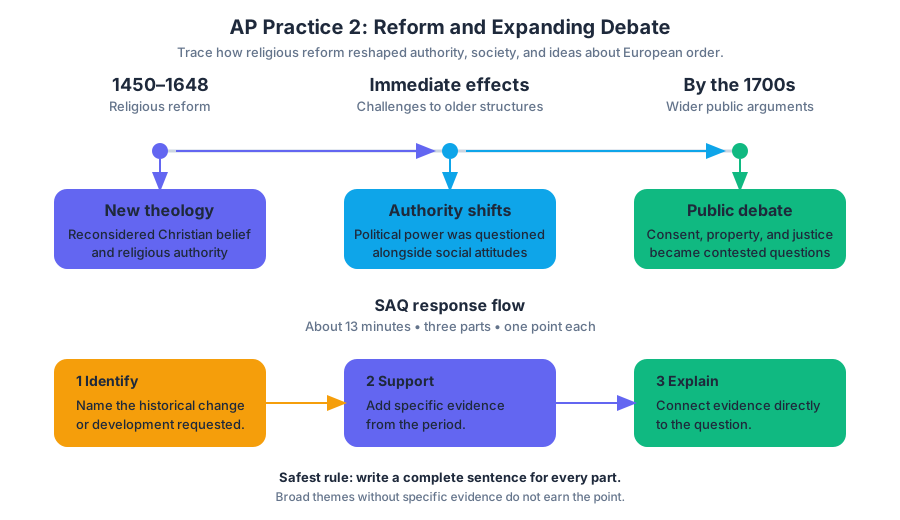
AP Practice 3
A strong Document-Based Question (DBQ) answer does more than summarize documents: it uses documents as evidence in an argument about historical change. The central challenge is to connect what a document says to why it says it and how that matters to the question.
AP Practice 3
A strong Document-Based Question (DBQ) answer does more than summarize documents: it uses documents as evidence in an argument about historical change. The central challenge is to connect what a document says to why it says it and how that matters to the question.
Original DBQ: Printing and Religious Change
Historical question: Evaluate the extent to which the spread of printing changed religious authority in Europe from approximately 1450 to 1648.
Document 1 — Johann Gutenberg, workshop account, Mainz, c. 1455
A printer describes producing large quantities of religious texts with movable metal type. He emphasizes that identical pages can be reproduced quickly, reducing the labor required from scribes.
Document 2 — Erasmus, letter to a fellow scholar, 1516
Erasmus praises the increased availability of Greek and Latin biblical texts but warns that readers may misunderstand difficult passages without education or guidance.
Document 3 — Martin Luther, preface to a German New Testament, 1522
Luther argues that ordinary Christians should be able to read Scripture in their own language. He presents access to the Bible as a challenge to religious practices that depend on clerical mediation.
Document 4 — Edict issued by the French crown, 1535
The monarchy restricts the printing and sale of religious works judged heretical. Officials are instructed to inspect presses and punish unauthorized printers.
Document 5 — Catholic theologian, report to the Council of Trent, 1546
The theologian criticizes uncontrolled religious publishing but supports carefully supervised books that defend Catholic teaching and improve clerical education.
Document 6 — English pamphlet, 1642
A political-religious pamphlet claims that printed sermons and debates have allowed people outside universities and churches to participate in arguments about belief and authority.
Document 7 — French bookseller’s inventory, 1648
The inventory lists devotional works, Protestant treatises, Catholic apologetics, political pamphlets, scientific writings, and inexpensive almanacs.
Build the argument before writing
Begin by converting the prompt into a judgment. “Evaluate the extent” requires a defensible position, not merely a list of effects. A precise thesis might argue that printing substantially weakened the monopoly of Catholic clergy over religious knowledge by expanding vernacular access and accelerating Protestant criticism, but it did not eliminate religious authority because monarchies and churches censored, supervised, and redirected print.
The thesis earns its force from qualification: printing changed the means through which authority operated more dramatically than it erased authority itself. This distinction creates a line of reasoning that can organize the entire essay.
Printing broadened participation in religious debate, but institutions adapted by controlling presses, regulating texts, and using print for their own purposes.
Contextualization: place printing inside a larger process
Before using the documents, establish the conditions that made the change possible. Renaissance humanism encouraged the recovery and criticism of classical and biblical texts; growing urban markets supported commercial production; and religious tensions within the late medieval Church created an audience for criticism. These developments explain why printing became historically disruptive rather than remaining merely a faster copying technique.
A weak contextualization says only that “Europe was changing.” A stronger one connects specific developments: humanist textual criticism supplied methods, expanding literacy supplied readers, and dissatisfaction with clerical abuses supplied controversial content.
Evidence: make documents do analytical work
Group the documents by argument rather than discussing them in numerical order.
| Argument | Useful documents | Reasoning |
|---|---|---|
| Print expanded access to religious ideas | 1, 2, 3, 6 | Faster production, vernacular texts, and public debate weakened exclusive clerical mediation. |
| Authorities resisted and adapted | 4, 5 | States and churches censored some publications while promoting approved teachings. |
| Print created a competitive religious marketplace | 7 | The variety of texts shows coexistence, conflict, and commercialization rather than one simple transfer of power. |
For each document, explain its significance. Document 3 is not merely evidence that Luther used printing; its German-language focus shows how vernacular publication could move theological interpretation beyond university-trained clergy. Document 4 demonstrates the reaction: censorship itself reveals that authorities considered print powerful enough to require intervention.
Sourcing: explain why the document says this
To earn sourcing analysis, connect a document’s point of view, purpose, audience, or historical situation to the argument. For example, Luther’s purpose in presenting Scripture in the vernacular was persuasive: he wanted readers to accept reform by treating direct engagement with the Bible as legitimate. The French edict’s purpose was regulatory, so its attempt to suppress “heresy” reveals the monarchy’s interest in maintaining religious and political order.
Do not write, “The author was biased.” Bias is not an explanation. Identify the position and show how it affects the document’s meaning.
Outside evidence and complexity
An effective piece of outside evidence could be the Council of Trent, which organized Catholic responses to Protestant criticism and supported improved clerical training while restricting unacceptable texts. This evidence strengthens the argument that the Catholic Church did not simply collapse; it reorganized authority through the Catholic Reformation.
Complexity comes from showing tension or limitation: printing encouraged religious pluralism, yet it also enabled centralized propaganda and censorship. The same technology could empower reformers, strengthen Catholic apologetics, assist monarchies, and commercialize devotion.
Timing and error review
For a timed DBQ, reserve approximately fifteen minutes to read and group documents, forty minutes to draft, and five minutes to check the argument. Before submitting, verify that the essay contains a thesis, contextualization, evidence from at least four documents, sourcing analysis for at least two documents, one relevant outside example, and an explanation of complexity.
After practice, label every missing rubric element. If the essay summarizes documents but never explains their significance, the problem is evidence reasoning. If it names Luther’s purpose but does not connect that purpose to vernacular authority, the problem is sourcing reasoning. Repair the weakest operation first.

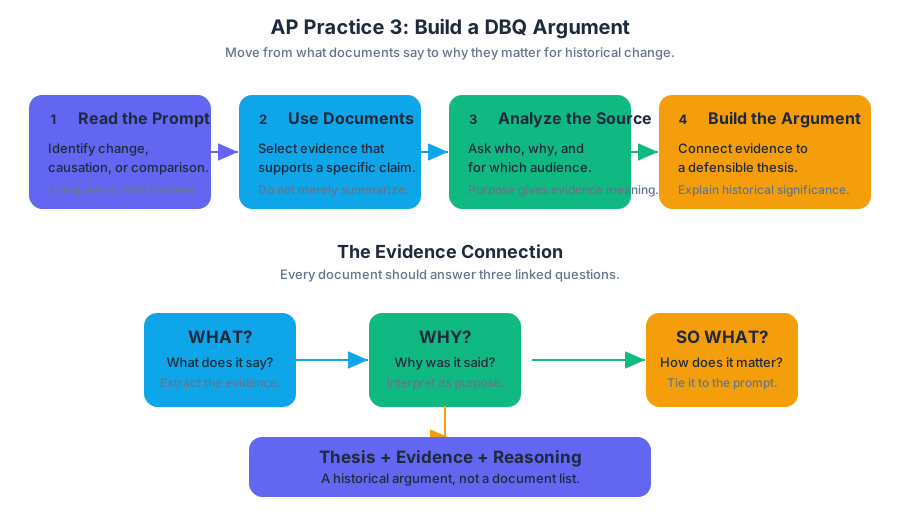
AP Practice 4
A DBQ asks you to turn a small archive of sources into a historical argument. The winning move is not to summarize every document; it is to group documents around a defensible claim, explain why their perspectives differ, and connect the evidence to broader European developments.
AP Practice 4
Task type: Document-Based Question (DBQ)
A DBQ asks you to turn a small archive of sources into a historical argument. The winning move is not to summarize every document; it is to group documents around a defensible claim, explain why their perspectives differ, and connect the evidence to broader European developments.
The prompt
Evaluate the extent to which Enlightenment ideas influenced political change in Europe and the Atlantic world from 1750 to 1825.
Suggested working time: spend about 15 minutes reading and planning and about 40 minutes writing. Underline the command—evaluate the extent—because the essay must judge influence, not merely list Enlightenment ideas or revolutionary events.
The documents
| Document | Source and central evidence |
|---|---|
| 1 | John Locke argues that legitimate government rests on the consent of the governed. |
| 2 | Denis Diderot’s Encyclopédie presents the testing of inherited knowledge as a path toward improvement. |
| 3 | Joseph II of Austria describes religious toleration and administrative reform as tools of effective monarchy. |
| 4 | A 1789 French revolutionary declaration asserts that citizens possess equal rights and that sovereignty belongs to the nation. |
| 5 | A formerly enslaved person in Saint-Domingue petitions for legal freedom, invoking universal natural rights. |
| 6 | Edmund Burke criticizes the French Revolution for destroying inherited institutions too rapidly. |
| 7 | Napoleon’s legal reforms establish equality before the law while preserving strong executive authority. |
The documents create a deliberate tension. Some show Enlightenment principles becoming revolutionary language; others show rulers adapting those principles to strengthen the state, while Burke and Napoleon reveal limits and contradictions.
A fast planning model
Build the argument before writing:
Context → Thesis → Document groups → Sourcing → Outside evidence → Complexity
Possible groups
- Political legitimacy: Documents 1 and 4 connect government to consent, citizenship, and national sovereignty.
- Reform from above: Documents 2, 3, and 7 show knowledge, toleration, legal equality, and administration being used by elites or rulers.
- Limits and contradictions: Documents 5, 6, and 7 expose the gap between universal principles, social inequality, and authoritarian power.
Worked thesis
Enlightenment ideas substantially influenced political change between 1750 and 1825 by supplying arguments for popular sovereignty, legal equality, religious toleration, and reform; however, their influence was uneven because monarchs used reform to preserve power, conservative critics defended inherited institutions, and revolutionary governments often applied universal rights selectively.
This thesis earns the thesis point because it makes a historically defensible claim, answers the extent question, and establishes a line of reasoning: substantial influence, limited by political power and exclusion.
Contextualization: establish the pressure before the change
Before 1750, European political authority was commonly justified through dynastic inheritance, social hierarchy, and—in many monarchies—divine-right traditions. At the same time, expanding print culture, scientific inquiry, commercial society, and Atlantic imperial competition created settings in which older institutions could be questioned. The Enlightenment did not appear from nowhere; it developed within these intellectual and economic changes.
That paragraph earns contextualization because it describes broader developments that precede and help explain the period’s political transformations. Merely writing “the Enlightenment happened before the revolutions” would not be enough.
Evidence and sourcing: make documents do argumentative work
A weak sentence says, “Document 1 discusses natural rights.” A stronger sentence explains its significance: Locke’s claim that government depends on consent gave later revolutionaries a vocabulary for challenging hereditary authority. The evidence now supports the thesis rather than sitting beside it.
For sourcing, explain how a document’s purpose, audience, historical situation, or point of view matters:
- Document 3: Joseph II’s support for toleration can be read as enlightened absolutism. His purpose was not necessarily to create popular democracy; reform could make the monarchy more efficient and obedient.
- Document 5: A petition from Saint-Domingue is powerful precisely because its author invokes universal rights against a system that denied freedom to enslaved people. The petition reveals both Enlightenment influence and the hypocrisy of selective rights.
- Document 6: Burke’s conservative perspective helps explain resistance to revolutionary change. His criticism shows that Enlightenment-inspired politics faced an organized defense of tradition, not merely passive confusion.
To earn the document-evidence points, use at least four documents accurately for the first point and at least six documents to earn the second. To earn the sourcing point, explain the significance of sourcing for at least three documents; naming an author or audience without explaining why it matters is not enough.
Outside evidence
A strong outside example could be the American Declaration of Independence, which applied natural-rights arguments to a rebellion against imperial authority. Another could be the Haitian Revolution, in which enslaved people transformed the language of liberty and equality into an attack on plantation slavery. Either example must be explained, not merely named.
Complexity: qualify the argument
The most sophisticated argument recognizes that Enlightenment influence worked in opposing directions. The same language of reason and reform could support expanded citizenship, as in revolutionary declarations, or centralized authority, as in Napoleon’s state-building. Enlightenment ideas therefore changed the terms of political debate without guaranteeing democratic outcomes.
This earns the complexity point because it demonstrates a nuanced relationship: ideas mattered, but institutions, class interests, empire, gender, and slavery shaped who benefited from them.
Misconception check
Misconception: “The Enlightenment caused democracy everywhere.” The more accurate claim is that Enlightenment ideas supplied arguments that different groups used selectively. Joseph II, French revolutionaries, enslaved petitioners, conservatives, and Napoleon could all respond to Enlightenment language while pursuing sharply different political goals.
Retrieval check
In one sentence, explain why Document 5 is more than evidence that Enlightenment ideas spread. A strong answer should say that it demonstrates both the power of universal-rights language and the contradiction between those ideals and Atlantic slavery.
Error-review routine: after writing, label each paragraph C for context, D for document evidence, S for sourcing, O for outside evidence, or A for argument. If a paragraph has only D, revise it by explaining how the evidence proves the thesis.

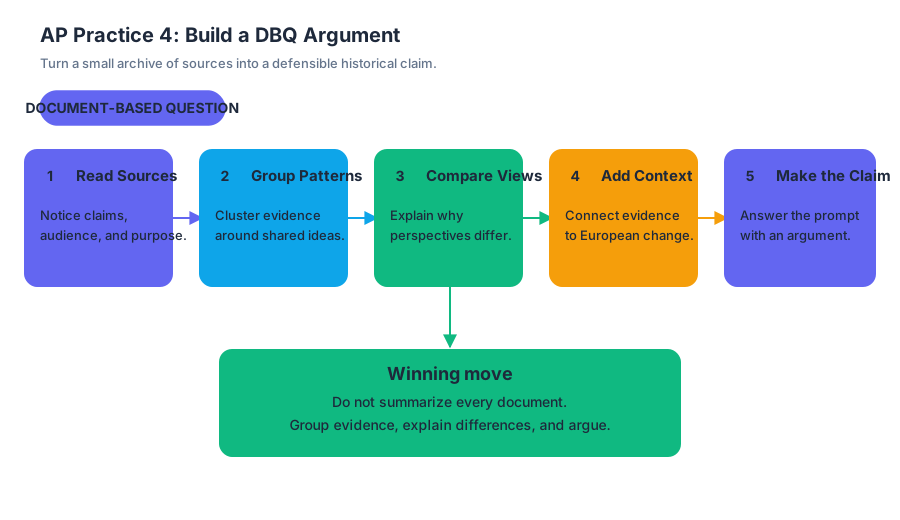
AP Practice 5
A successful Document-Based Question (DBQ) is not a document-summary exercise. It is a historical argument in which the documents function as evidence, while your knowledge of the period explains why that evidence matters.
AP Practice 5
A successful Document-Based Question (DBQ) is not a document-summary exercise. It is a historical argument in which the documents function as evidence, while your knowledge of the period explains why that evidence matters.
Task: Develop and support an argument using the documents, historical context, and relevant outside knowledge.
Original DBQ: Did economic expansion strengthen European states, c. 1450–1750?
Prompt: Evaluate the extent to which expanding commercial activity strengthened the power of European states in the period c. 1450–1750.
Document 1: A Portuguese royal directive, early sixteenth century
The king orders officials in the Indian Ocean to regulate the movement of spices and require ships trading near Portuguese fortresses to carry royal licenses. Unlicensed merchants may have their cargo seized.
Document 2: A Dutch merchant’s account, seventeenth century
Amsterdam’s merchants prosper because ships, credit, insurance, and overseas trade operate together. Profits flow through private companies, although the government protects Dutch commercial privileges and naval routes.
Document 3: A French ministerial memorandum, late seventeenth century
France must sell more goods abroad, rely less on foreign manufactures, and organize its colonies so that raw materials enter France and finished products leave French ports. Economic policy should increase royal revenue and military strength.
Document 4: An English political pamphlet, 1690s
The nation’s wealth depends upon merchants, but merchants require secure property, predictable laws, and parliamentary confidence. Government should support trade without allowing the crown to control taxation or commerce arbitrarily.
Document 5: A West African ruler’s letter to a European trading company, eighteenth century
European merchants request exclusive access to coastal trade. The ruler responds that foreign traders may operate only through agreements with local authorities and must pay customary fees. European ships cannot assume that military power gives them automatic control inland.
Document 6: An enslaved person’s testimony recorded after escape, eighteenth century
The witness describes forced transportation across the Atlantic, separation from family, and labor on a plantation producing a valuable export crop. European merchants and governments gain wealth from this commerce, while enslaved people bear its violence.
Document 7: A political economist writing in Britain, 1770s
The division of labor can greatly increase production, but governments that grant monopolies may protect inefficient companies. Commercial growth may therefore produce wealth while also creating political arguments over regulation, privilege, and economic freedom.
How to read the evidence
Group the documents by argument, not by date. Documents 1, 3, and 6 support the claim that states strengthened themselves through regulation, colonial systems, taxation, and coerced labor. Documents 2, 4, and 7 complicate that claim by showing that private merchants, financial institutions, legal protections, and political limits were also essential. Document 5 warns against treating European expansion as complete or uncontested.
A strong thesis might argue: Commercial expansion substantially strengthened European states by increasing revenue, supporting navies, and linking colonies to state policy; however, this power depended on private merchants and coercive labor systems, and constitutional limits or local resistance prevented governments from controlling commerce completely.
Worked planning model
| Paragraph | Historical job | Evidence |
|---|---|---|
| Context | Explain conditions before or around the period | Renaissance trade, exploration, stronger monarchies, Atlantic expansion |
| Claim 1 | Commercial activity increased state power | Documents 1 and 3; mercantilism; colonial monopolies |
| Claim 2 | States relied on private networks and institutions | Documents 2 and 4; Dutch financial innovation; English constitutionalism |
| Qualification | Expansion produced limits and unequal power | Documents 5 and 6; African resistance; Atlantic slavery |
| Conclusion | Explain the degree of change | Stronger fiscal-military states, but not total economic control |
Outside evidence could include the English Navigation Acts, the Dutch East India Company, France’s use of colonial mercantilism, the Atlantic slave trade, or the development of joint-stock companies. Do not merely name one: explain how it supports your argument.
Rubric-targeted reasoning
- Thesis/Claim: Make a defensible claim that answers “to what extent,” including a qualification.
- Contextualization: Connect commercial expansion to Renaissance banking, overseas exploration, state centralization, or earlier Mediterranean trade.
- Evidence from the Documents: Use at least six documents accurately; use at least four to support an argument rather than summarize them.
- Evidence Beyond the Documents: Explain one relevant historical example not supplied above.
- Sourcing and Situation: Explain how the author’s purpose, audience, point of view, or historical situation affects the meaning of at least two documents. For example, the French memorandum favors state-directed commerce because its author seeks stronger royal revenue.
- Complexity: Demonstrate a relationship such as state power and private enterprise reinforcing one another, while coercion and resistance limited the benefits of commercial growth.
Timing and error review
Use approximately 15 minutes to read and group documents, then 45 minutes to write. Before submitting, mark each paragraph: T for thesis, C for context, D for document evidence, O for outside evidence, S for sourcing, and X for complexity. Any missing letter identifies the most useful revision.
Misconception check: “Mercantilism means governments replaced private merchants.” Not quite. Mercantilist states regulated trade and granted privileges, but they often depended on merchants, investors, shipping companies, and credit networks to make imperial commerce work.
Retrieval check: Which document most clearly complicates the argument that expanding commerce gave European governments unlimited power, and what historical development supports that complication?
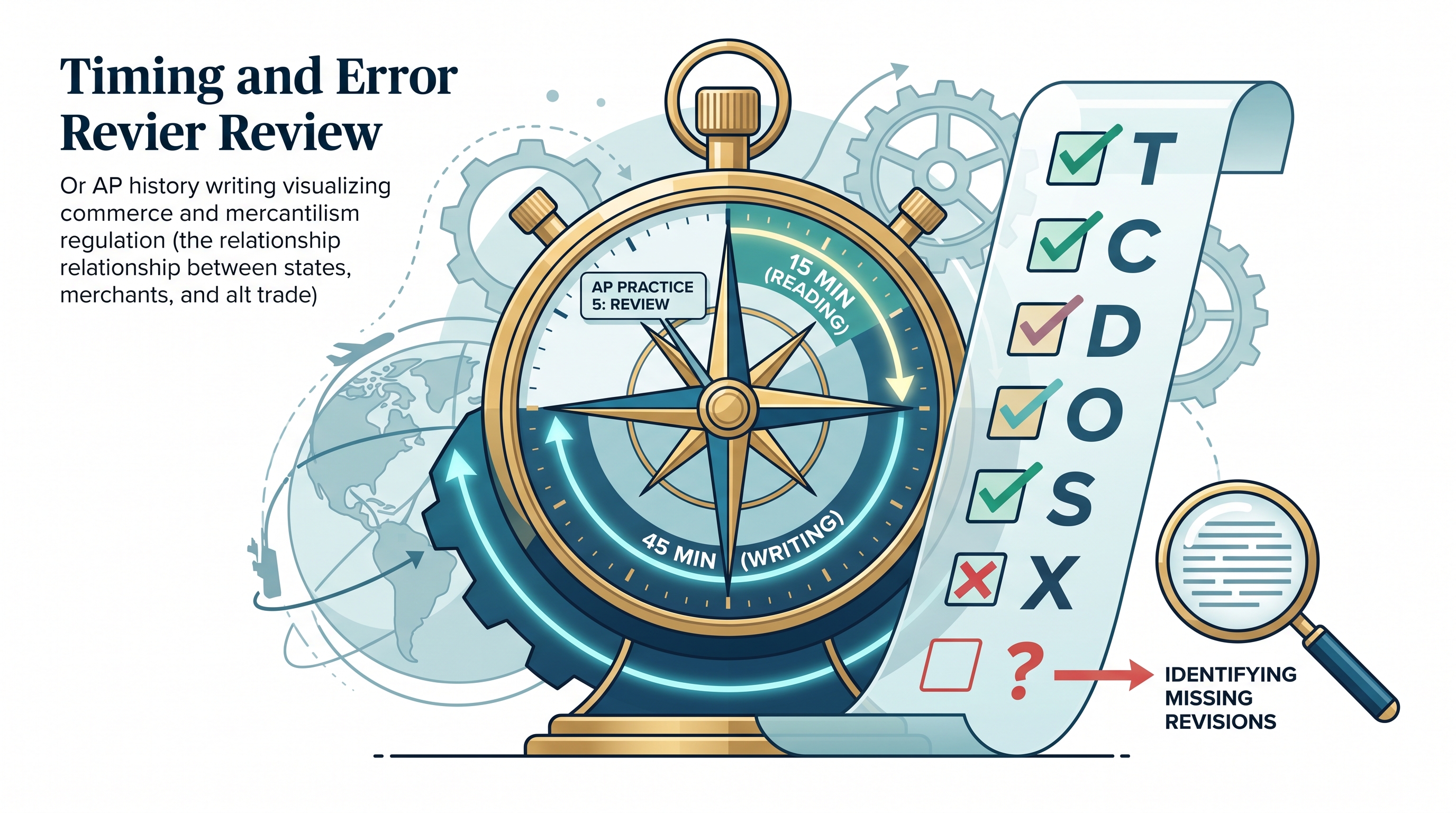
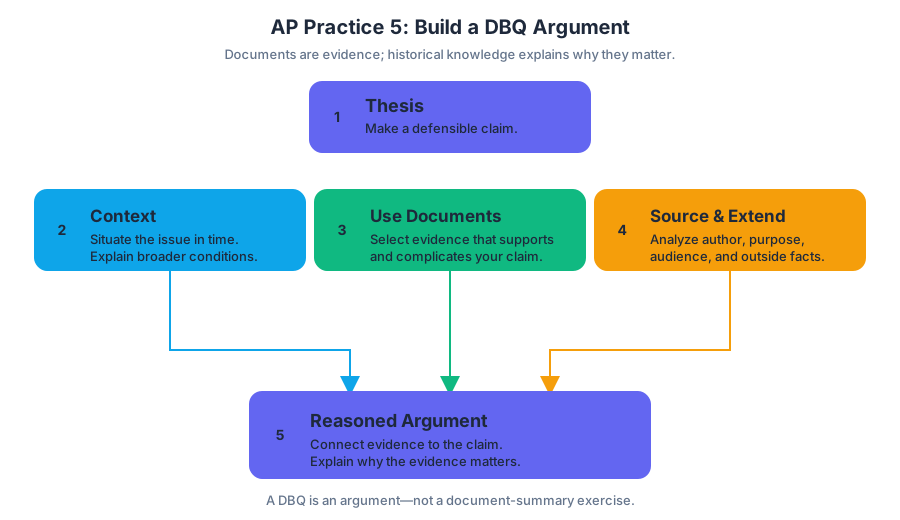
AP Practice 6
A strong Long Essay Question (LEQ) answer does not recite everything known about Europe; it makes a defensible historical argument, supports it with specific evidence, and explains why that evidence proves the argument.
AP Practice 6
A strong Long Essay Question (LEQ) answer does not recite everything known about Europe; it makes a defensible historical argument, supports it with specific evidence, and explains why that evidence proves the argument. This original, unofficial practice focuses on Skill 6: Argumentation, while also requiring Skill 1: Developments and Processes, Skill 4: Contextualization, and Skill 5: Making Connections through the application of the three historical reasoning processes—especially causation and continuity and change.
The task
Prompt: Evaluate the extent to which economic developments transformed European states between $1750$ and $1871$.
This prompt asks for a judgment about extent. It does not ask whether economic developments mattered—they clearly did. It asks you to weigh their importance against other forces, such as nationalism, warfare, political ideology, or state administration.
A useful planning formula is:
$$ \text{Economic change} \rightarrow \text{state transformation} \quad \text{but also} \quad \text{limits and competing causes} $$
Step 1: Decode the argument
The time period begins during the expansion of global markets, commercial agriculture, and early industrialization. It ends after the spread of railways, mass industry, nationalism, and the political consolidation of Germany and Italy. The central historical problem is therefore not simply “Did economies change?” but “How did economic change alter what states could do, whom they served, and how power was organized?”
A defensible thesis might read:
Economic developments transformed European states to a considerable extent by increasing governmental capacity, encouraging infrastructure and administrative reform, and intensifying class conflict; however, economic change alone did not determine political outcomes, because nationalism, military competition, and revolutionary ideology shaped how states used new economic resources.
This thesis earns the argument point because it answers the prompt directly, establishes a degree of change, and previews a line of reasoning. The qualification—“economic change alone did not determine political outcomes”—creates an analytical framework rather than merely listing topics.
Step 2: Build contextualization
Before $1750$, European states had already expanded taxation, overseas commerce, and centralized administration. Mercantilist policies linked economic activity to state power, while the Scientific Revolution and Enlightenment encouraged governments to collect information, improve administration, and consider reform. These earlier developments created conditions in which industrialization could produce political consequences after $1750$.
The context must connect directly to the argument. A detached sentence such as “The Enlightenment happened before the Industrial Revolution” is background, not contextualization. The stronger version explains that earlier commercial and administrative growth gave states tools they later used to manage industrial economies.
Step 3: Select evidence and explain it
The following evidence could support the argument:
| Evidence | What it demonstrates |
|---|---|
| Britain’s industrialization | Economic growth increased state revenue, naval strength, and global influence. |
| Railways | States could move troops, goods, officials, and information more rapidly. |
| Factory labor and urbanization | Industrial society created new class tensions and pressure for reform. |
| Corn Laws and their repeal | Political decisions increasingly responded to competing economic interests. |
| German customs and industrial growth | Economic integration helped support national political unification. |
| Socialist movements | Industrial inequality generated organized challenges to liberal governments. |
Evidence becomes analytically useful only when the answer explains its significance. For example, “Railways expanded in the nineteenth century” is an identification. “Railways strengthened central governments because they allowed states to transport soldiers and officials quickly, making territorial administration more effective” is evidence plus reasoning.
Worked paragraph
One major way economic developments transformed European states was by expanding their administrative and military capacity. Industrial production generated wealth that governments could tax, while railways connected distant regions to political centers. Britain used its industrial economy to support naval power and imperial expansion, and other states invested in rail networks partly because rapid transportation improved military mobilization. Economic modernization therefore changed the practical reach of the state: governments could collect information, move forces, regulate markets, and integrate regions more effectively than before. However, this transformation was uneven, since states with weaker industrial bases often remained dependent on foreign investment and imported technology.
This paragraph does four things an examiner rewards: it identifies specific evidence, connects that evidence to state power, explains a broader historical consequence, and adds a qualification. It does not treat “industrialization” as a magic word; it shows the mechanism linking economic change to political transformation.
Step 4: Add a counterforce
A second paragraph could argue that nationalism and political conflict were equally important. Economic integration helped connect regions, but national unification also depended on diplomacy, warfare, and political leadership. In Germany, commercial cooperation through the Zollverein supported closer relationships among states, yet Prussian military power and Otto von Bismarck’s diplomatic strategy were necessary to turn economic connection into national unification.
This comparison strengthens the essay because it distinguishes enabling conditions from immediate causes. The economy made some political outcomes more possible; it did not automatically produce them.
Rubric-aligned checklist
For the standard six-point LEQ structure, aim for the following:
- Thesis: Make a historically defensible claim that answers “to what extent.”
- Contextualization: Explain relevant developments before, during, or around the period.
- Evidence: Use at least two specific historical examples; stronger responses use several.
- Analysis and reasoning: Organize the essay around causation, comparison, or continuity and change.
- Complexity: Explain multiple causes, consequences, perspectives, or limits rather than presenting a one-sided story.
Misconception check
Misconception: “More evidence automatically means a higher score.” Evidence earns value when it is accurate, specific, and connected to the argument. A paragraph packed with names but lacking explanation is less effective than one carefully developed example.
Timing and error review
Use approximately $5$ minutes to plan, $30$ minutes to write, and $5$ minutes to revise. During revision, underline the thesis, circle specific evidence, and draw an arrow from each major example to the claim it proves; any example without an explanatory arrow needs analysis.
Retrieval check: If your thesis claims that economic change transformed states “to a considerable extent,” name one economic development, one state consequence, and one non-economic factor that limited or redirected that consequence.

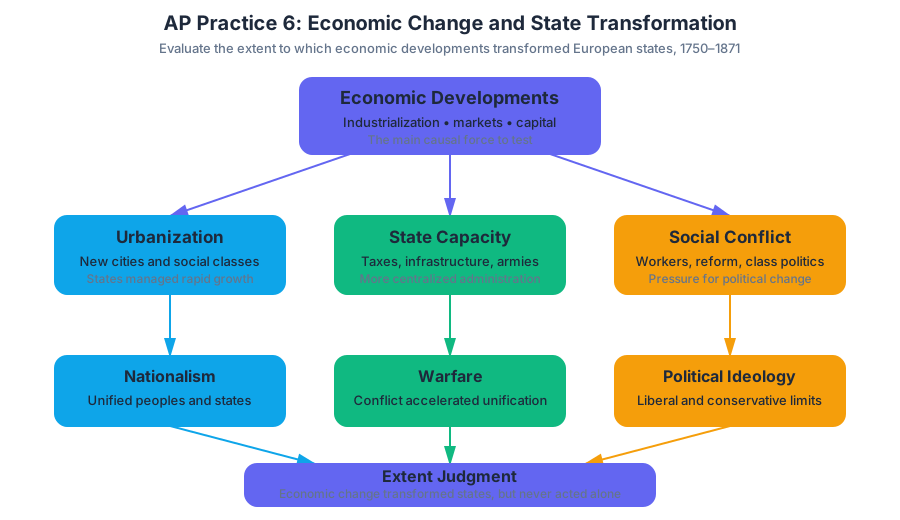
Source Materials
- AP European History Course and Exam Description
- AP European History Course and Exam Description Clarifications and Corrections
- AP European History Course Overview
- AP European History Course at a Glance
- AP European History Course at a Glance Poster
- AP European History
- AP European History
- AP European History Sample Syllabus 1
- Figure — AP European History Course and Exam Description (p. 1)
- Figure — AP European History Course and Exam Description (p. 18)
- Figure — AP European History Course and Exam Description (p. 25)
- *Events, processes, and developments are not constrained by the given dates and may begin before, or continue after, the approximate dates assigned to each unit and/or topic.
Study AP European History with AI — Free on Lykke
Sign up for free to generate personalized flashcards, quizzes, and study guides from this course. Chat with an AI tutor that knows the material.
Get Started FreeView this course wiki on Lykke · Browse all public course wikis