From the free course AP European History on Lykke
6.9 Institutional responses and reform · 6.10 Causation in the Age of Industrialization
Key concepts: Institutional responses and reform · Causation in the Age of Industrialization · European governmental and civil institutions, 1450–present · Consolidation of political power · AP Historical Reasoning Process: Causation · Suggested Skill 5.B: explaining how one historical development relates to another · Industrialization and European politics, 1800–1900 · Soviet civic culture and women’s right and obligation to work · Labor shortages caused by rapid economic growth · Historical argumentation using documents and evidence
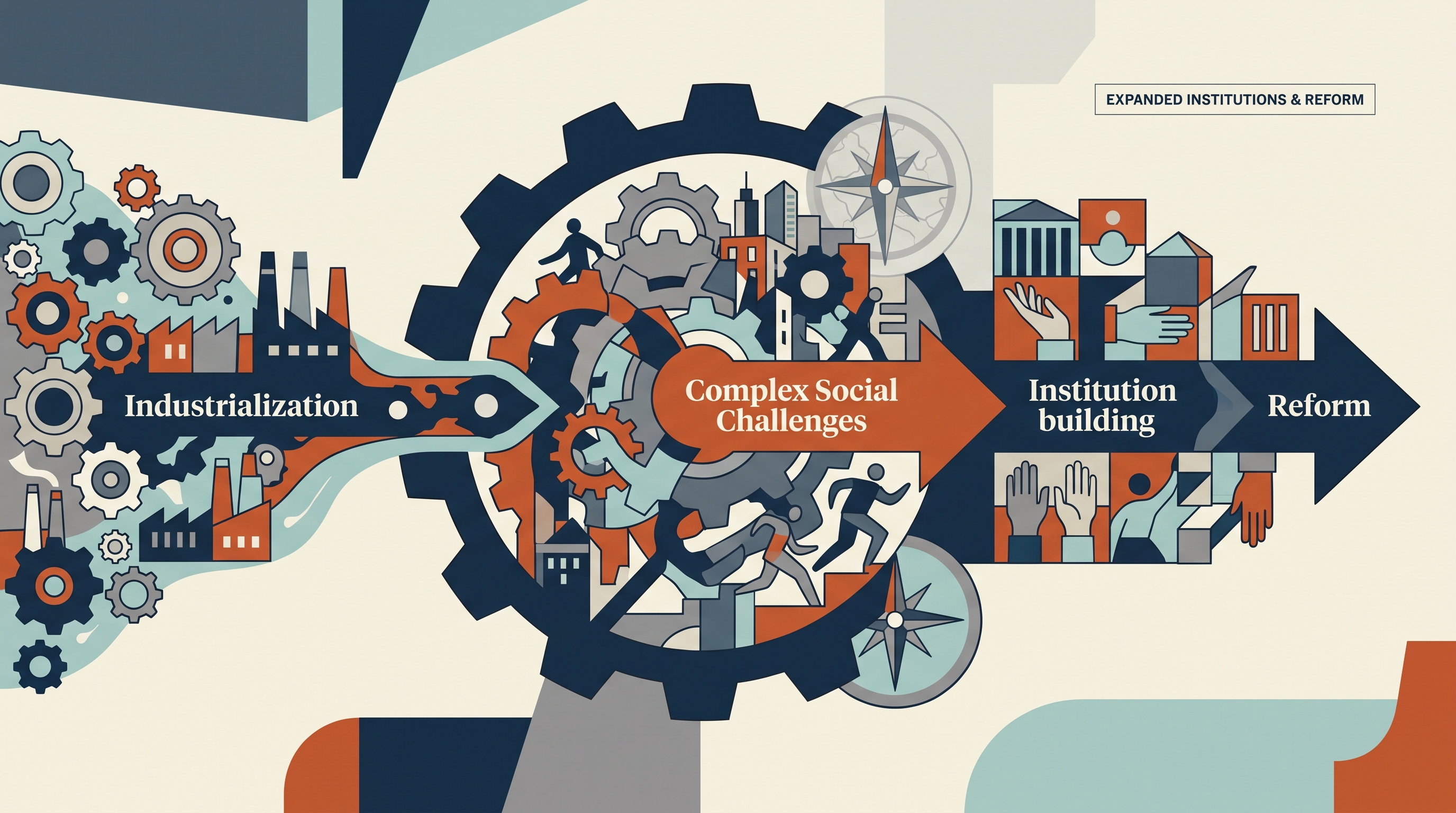
European governments responded to industrialization by expanding the institutions through which they organized society and consolidated political power. Factories, crowded cities, labor shortages, social inequality, and political unrest transformed economic change into a problem of government.
6.9 Institutional Responses and Reform · 6.10 Causation in the Age of Industrialization
European governments responded to industrialization by expanding the institutions through which they organized society and consolidated political power. Factories, crowded cities, labor shortages, social inequality, and political unrest transformed economic change into a problem of government.
Institutional responses are the laws, administrative systems, public organizations, and civic practices governments develop to manage social problems and strengthen political authority.
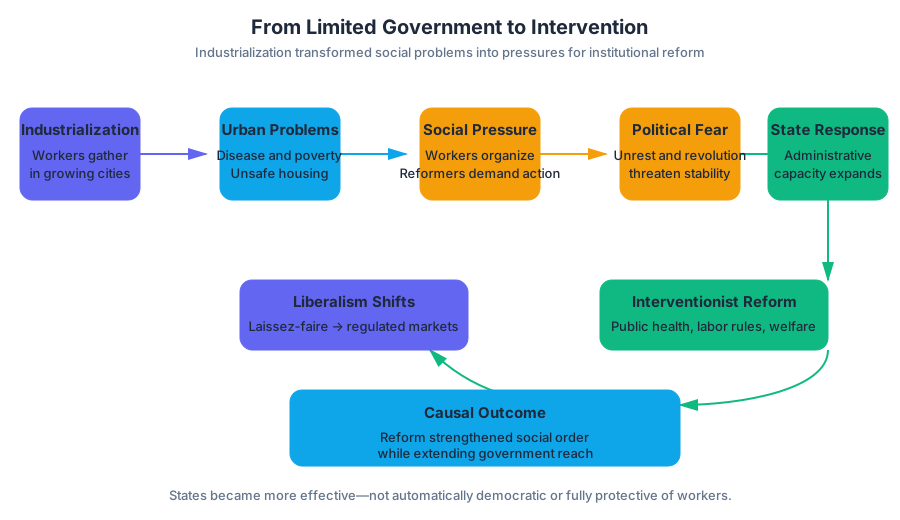
From limited government to intervention
The long-term pattern from 1450 to the present was not simply “more government.” European states developed different governmental and civil institutions—bureaucracies, police forces, schools, public-health systems, labor regulations, welfare programs, and representative institutions—to organize populations and make political power more effective. Industrialization accelerated this process because older arrangements could not easily manage rapidly growing cities and factory labor.
KC-3.3.II.A identifies a major ideological shift: liberalism moved from laissez-faire—the belief that government should interfere minimally in the economy—toward interventionist economic and social policies. Reformers and governments increasingly accepted that unregulated markets could produce conditions threatening both human welfare and political stability.
The causal mechanism can be traced as a chain:
- Industrialization concentrated workers in cities.
- Crowded cities produced visible poverty, disease, unsafe housing, and labor conflict.
- Factory workers and reformers demanded political and social responses.
- Governments feared unrest and revolutionary movements.
- States expanded administrative capacity and adopted interventionist reforms.
- Reform strengthened social order while also increasing the reach of government.
This is not the same as saying governments immediately became democratic or fully protective of workers. Institutions could address problems while preserving class hierarchy, limiting political participation, and consolidating state power.
Worked causal example: industrialization and reform
Imagine a rapidly industrializing European city between 1800 and 1900. A factory district attracts thousands of workers, but housing, sanitation, and public services do not expand at the same speed. Disease spreads, workers organize, and strikes threaten production. The government now faces a political problem created partly by an economic process.
A historically defensible explanation would connect each step rather than merely place events beside one another: industrialization caused urban and labor pressures; those pressures encouraged governments to build stronger administrative institutions and adopt interventionist policies; the resulting reforms reduced some instability while extending state authority into everyday life.
Suggested Skill 5.B: “Explain how a historical development or process relates to another historical development or process.”
For Suggested Skill 5.B, the relationship must include a meaningful connection—usually causation, consequence, response, or mutual influence. Here, industrialization produced urban, labor, and political pressures, which prompted European governments to expand administrative institutions and adopt interventionist reforms. Naming “factories” and “reform laws” earns identification; explaining how the first development generated the second demonstrates the skill.
The Soviet contradiction: equality as ideology and necessity
The Soviet Union offers a twentieth-century example of institutions responding to economic needs while presenting the response as civic principle. Soviet civic culture treated women’s right—and even obligation—to work as central. The state’s commitment to women’s equality was influenced not only by ideology but also by practical pressures, including labor shortages created by rapid economic growth.
The evidence reveals a contradiction between official policy and lived outcomes. In the 1980s, female workers were better educated on average than male workers but earned only about two-thirds of the average male salary; forty percent of women worked in unskilled or low-skilled jobs; and although most Soviet doctors were women, more than half of hospital administrators were men. Institutions could proclaim equality while reproducing unequal access to authority and wages.
Culture as evidence of changing social experience
Industrialization also changed how Europeans represented society. Romantic artists emphasized emotion, beauty, and an often-idyllic countryside, while Realist artists turned toward grit, grime, labor, and reason. This contrast does not prove that every Romantic rejected industrial society or that every Realist supported reform; it shows how cultural production could register competing responses to modernization.
Exam reasoning: evidence must do work
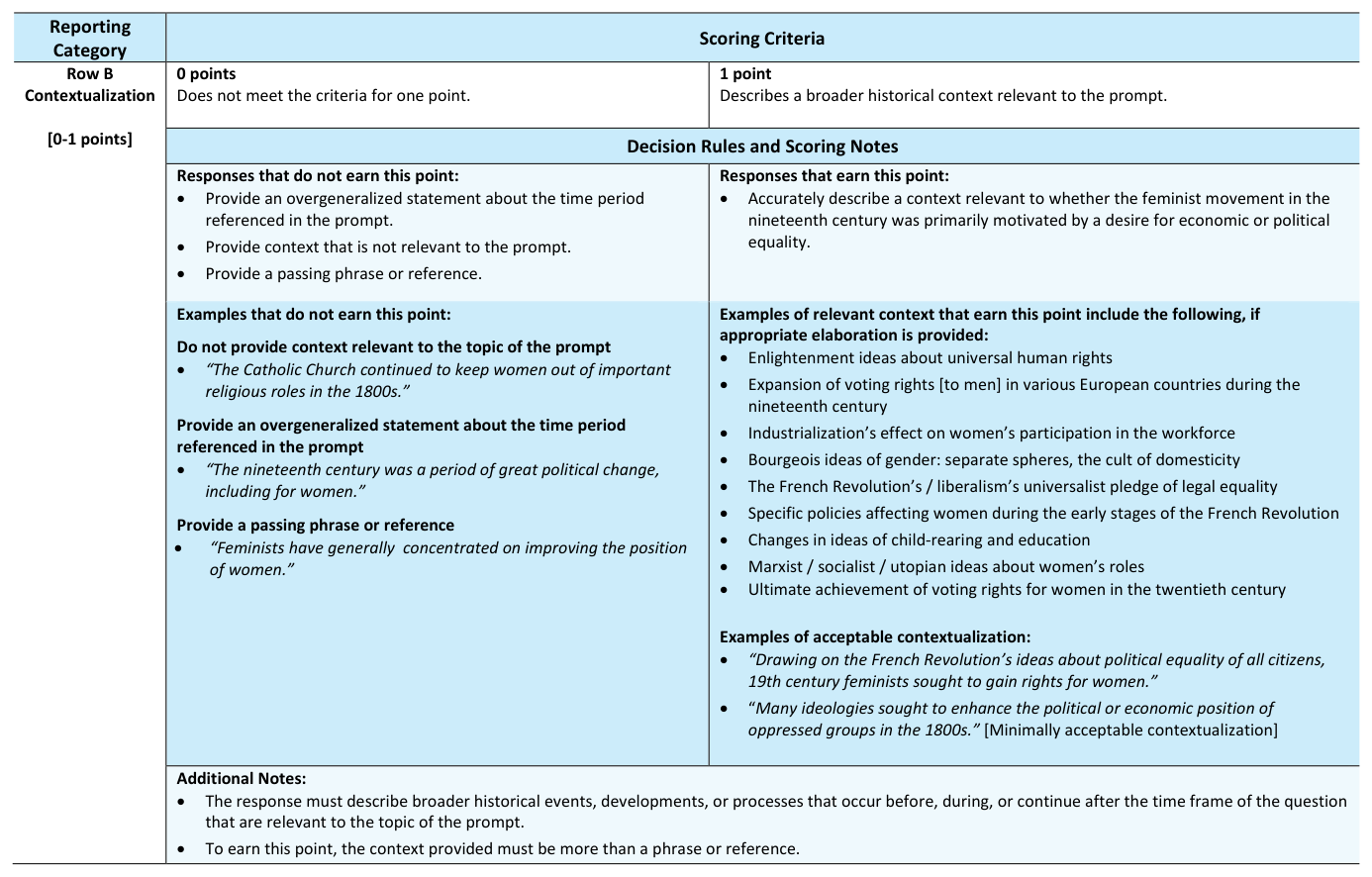
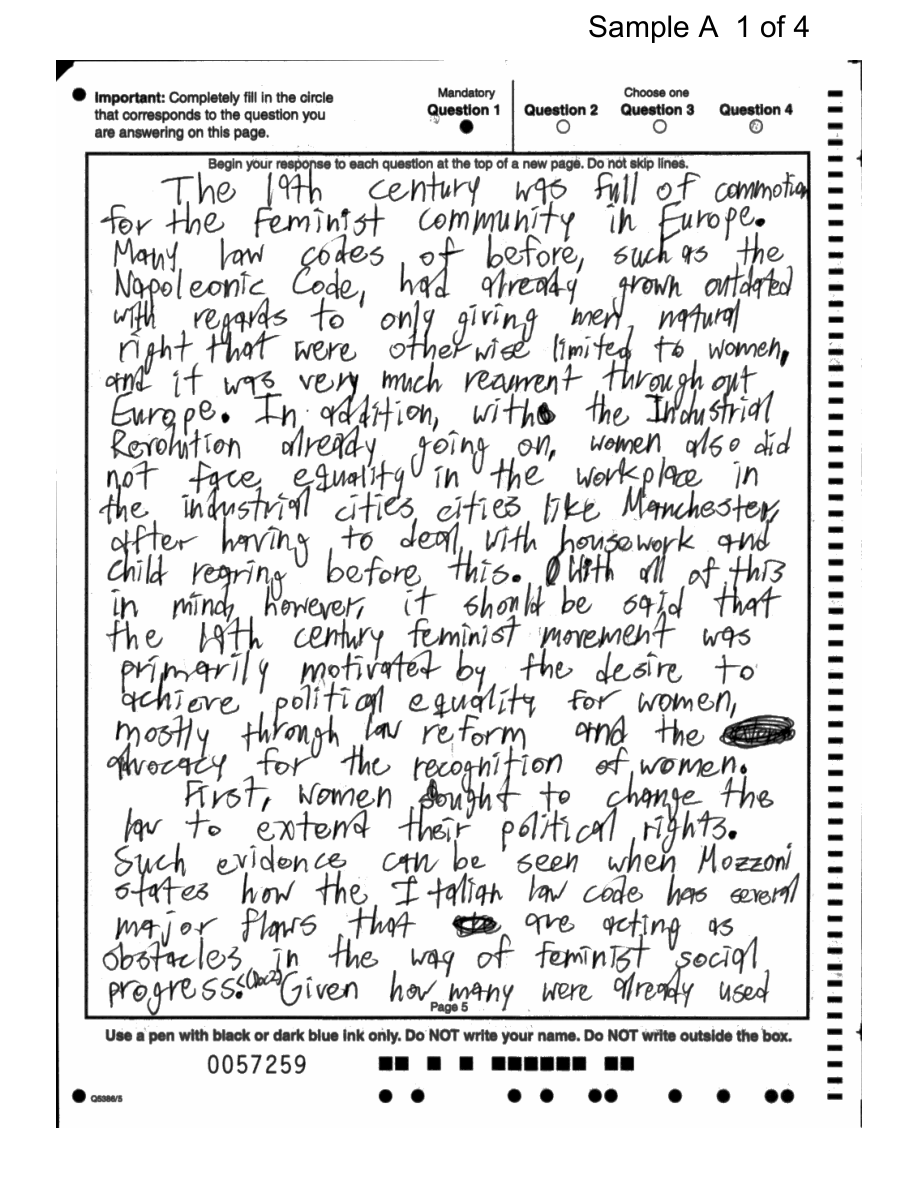
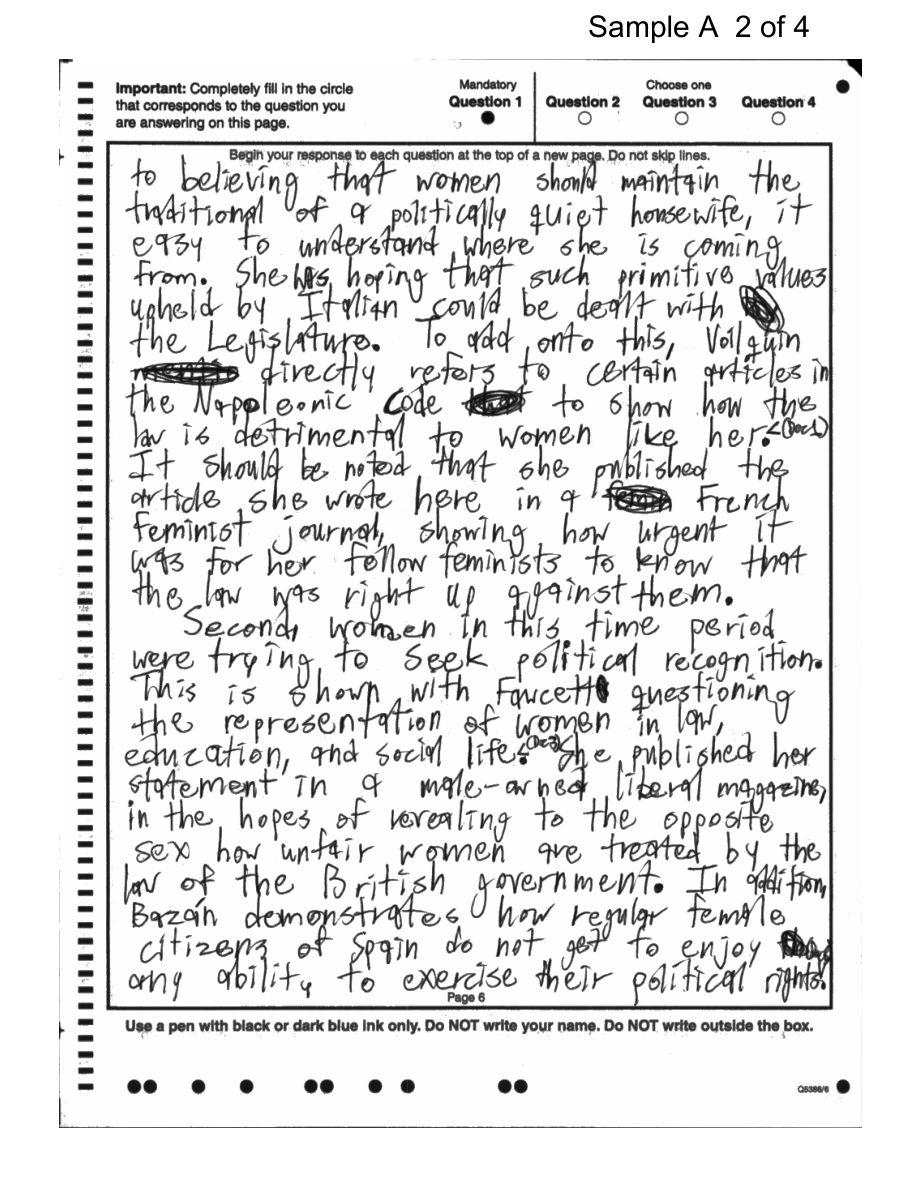
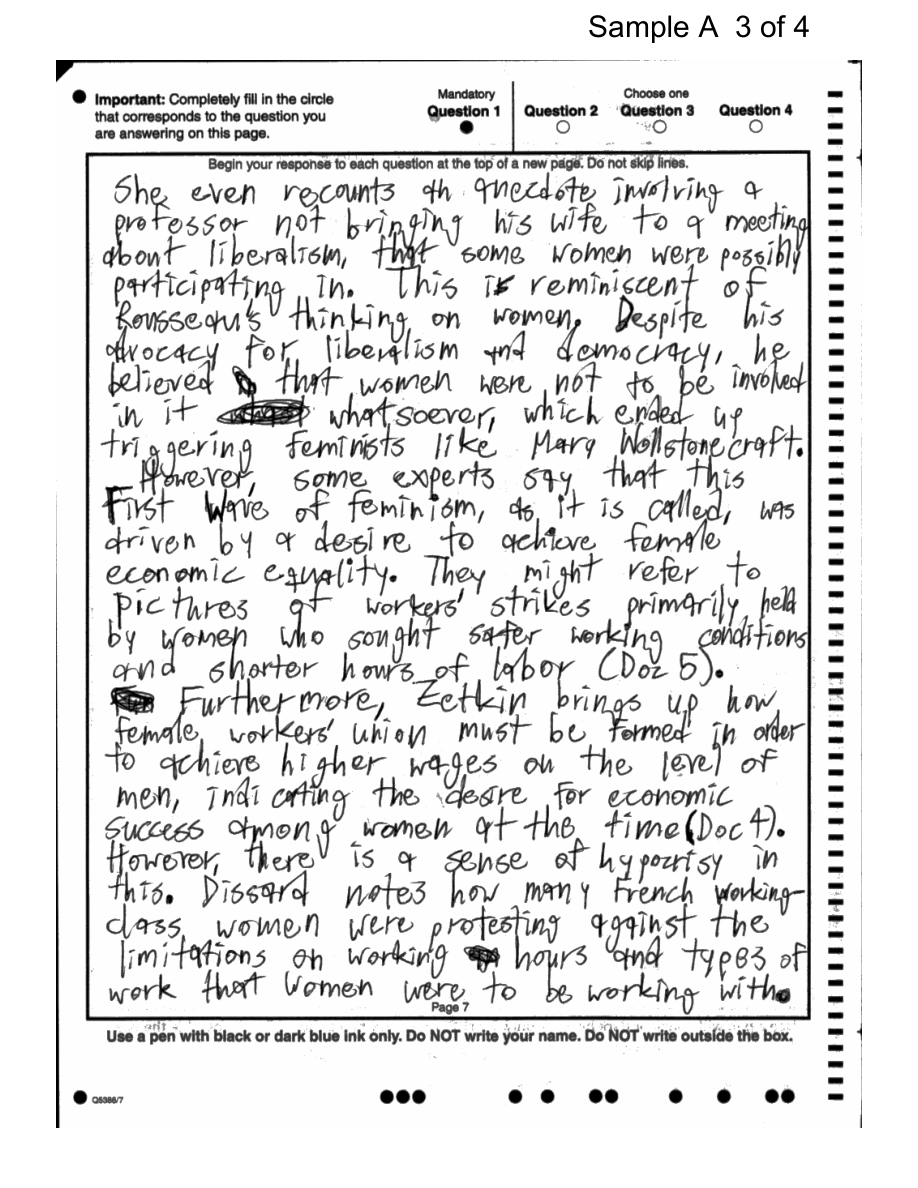
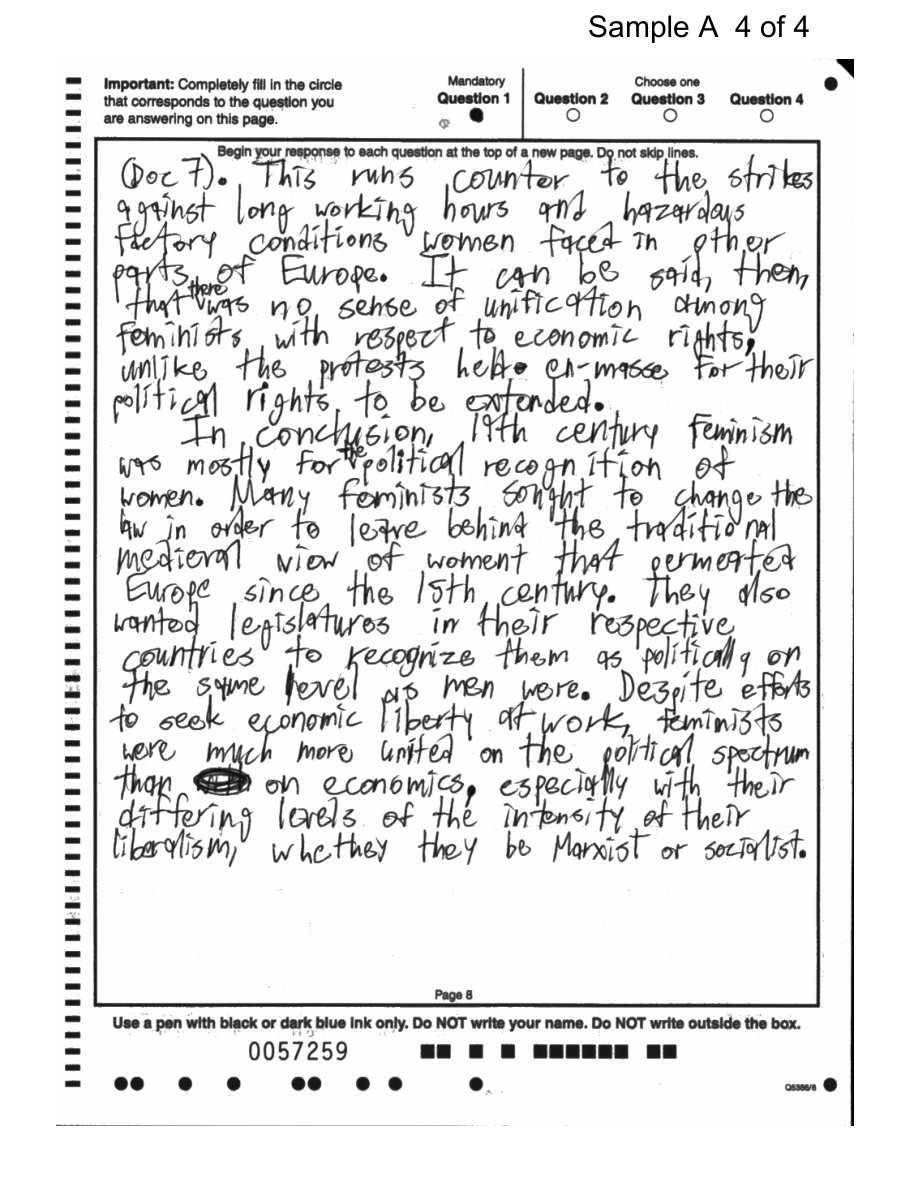
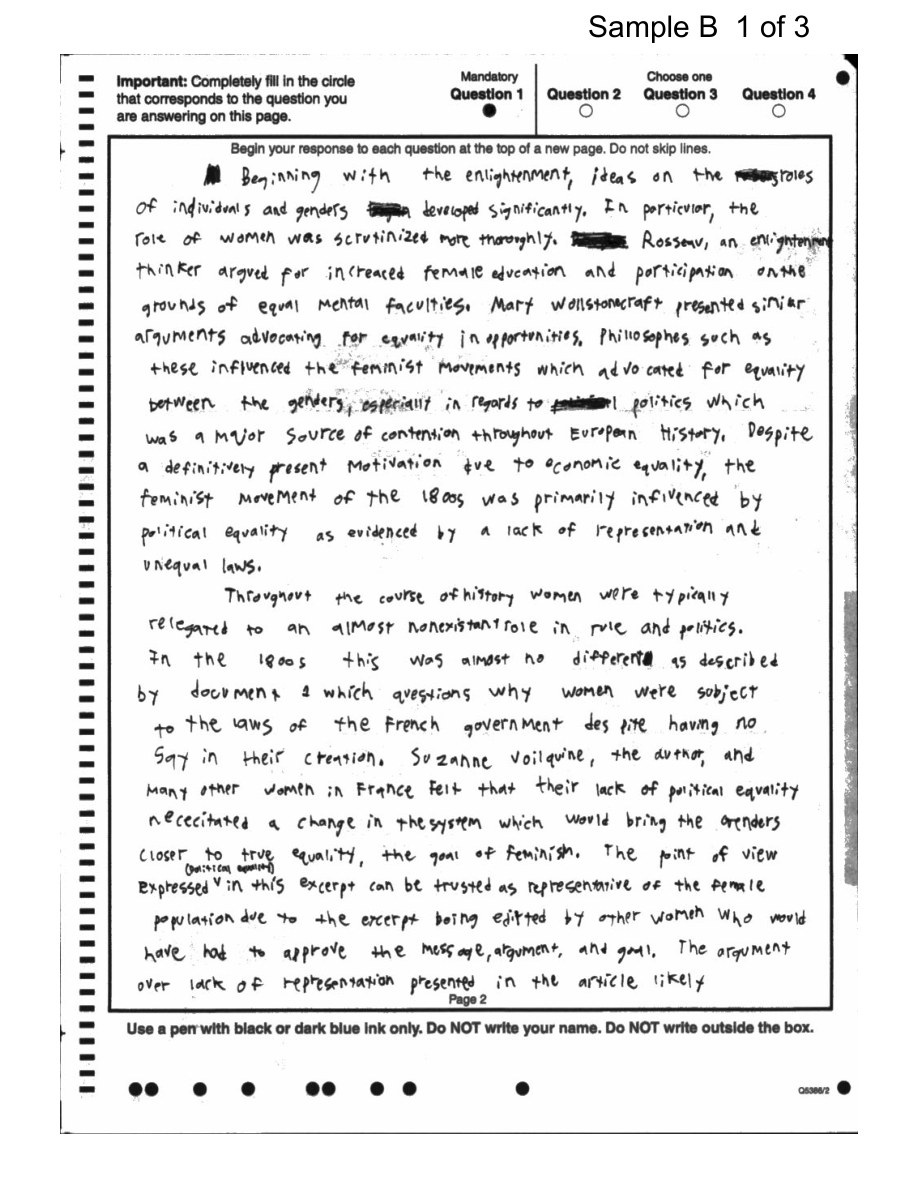
A strong historical argument must provide historically defensible evidence and address the prompt directly. Scoring distinguishes among three levels: identifying one piece of evidence, identifying at least two specific historical examples, and using evidence to support an argument. A list of reforms is therefore weaker than a sentence explaining how urban poverty, labor conflict, or demographic change pressured institutions to intervene.
In a document-based argument, seven documents are not automatically required for sophisticated understanding. A response may effectively use seven documents, but it can also demonstrate sophistication by incorporating relevant evidence beyond the documents or by explaining different perspectives. For example, one perspective might emphasize reform as protection for workers, while another sees it as a strategy for stabilizing political power.
Misconception check
Misconception: “Industrialization caused reform because governments suddenly became humanitarian.” Industrialization certainly generated humanitarian concerns, but reform also reflected fear of revolution, pressure from organized workers, demands for political legitimacy, labor shortages, and the state’s desire to govern more efficiently. Causation is strongest when it recognizes both humanitarian motives and pragmatic calculations.
Retrieval check
Complete the chain in one sentence: Industrialization → ________ → expanded institutions and interventionist reform. Then explain why the Soviet emphasis on women’s work demonstrates that institutional policy can be shaped by both ideology and practical economic need.
Source Materials
- AP European History Course and Exam Description
- AP European History Course and Exam Description Clarifications and Corrections
- AP European History Course Overview
- AP European History Course at a Glance
- AP European History Course at a Glance Poster
- AP European History
- AP European History
- AP European History Sample Syllabus 1
- Figure — Sample Responses - DBQ - Set 1 (p. 4)
- Figure — Sample Responses - DBQ - Set 1 (p. 11)
- Figure — Sample Responses - DBQ - Set 1 (p. 12)
- Figure — Sample Responses - DBQ - Set 1 (p. 13)